
When “Bonsai” Becomes a Slur: Our Responsibility to Reclaim the Word
There are moments when the bonsai community is forced to look outward, not at our trees, but at how our art form is being appropriated, distorted, and weaponised by the wider world. A recent incident reported in Taiwanese media — in which a celebrity was condemned for stuffing a cat into a bottle and uploading the images under the framing of so-called “盆景貓” or “bonsai cats” — is exactly that kind of moment. It is cruel, it is absurd, and it demands a direct response from us.
We want to be unambiguous: what was described has nothing to do with bonsai. Not philosophically, not technically, not in any tradition we recognise. The term “bonsai cat” is a shock-value myth that has circulated online since at least the early 2000s, and every time it resurfaces it drags our discipline into a conversation about cruelty it has no part in. We are tired of it, and we think the bonsai community has been too quiet for too long.
Why This Actually Matters to Practitioners
This is not merely a PR problem. When the word “bonsai” is publicly associated with confinement and deformity — with forcing living things into shapes they were never meant to take — it actively corrupts the public understanding of what responsible cultivation means. We hear from new growers regularly who arrive with a vague anxiety that bonsai is somehow unkind to trees. That anxiety has a source, and incidents like this one feed it.
The irony is almost painful, because the genuine philosophy of bonsai is almost the precise opposite of coercion. A well-worked Juniperus chinensis in the shakan (slanting) style, for example, reflects decades of reading the tree’s own growth tendencies — where it wants to extend, which branch has natural movement, where deadwood has formed honestly through stress. The artist follows the tree at least as much as the tree follows the artist. That is the tradition we are actually defending.
What Most Guides Get Wrong About “Shaping”
Here is where we would argue most introductory bonsai content fails its readers: it presents wiring and pruning as tools of imposition rather than tools of observation. The distinction matters enormously in practice.
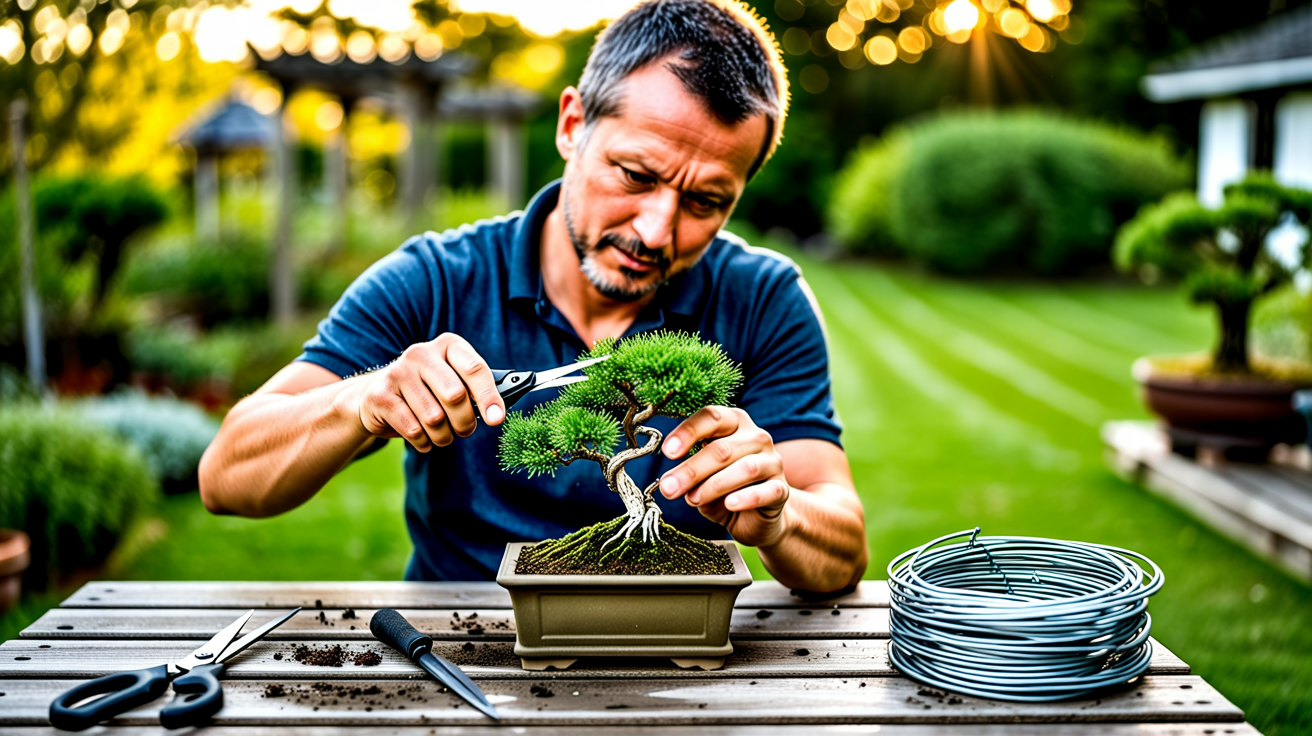
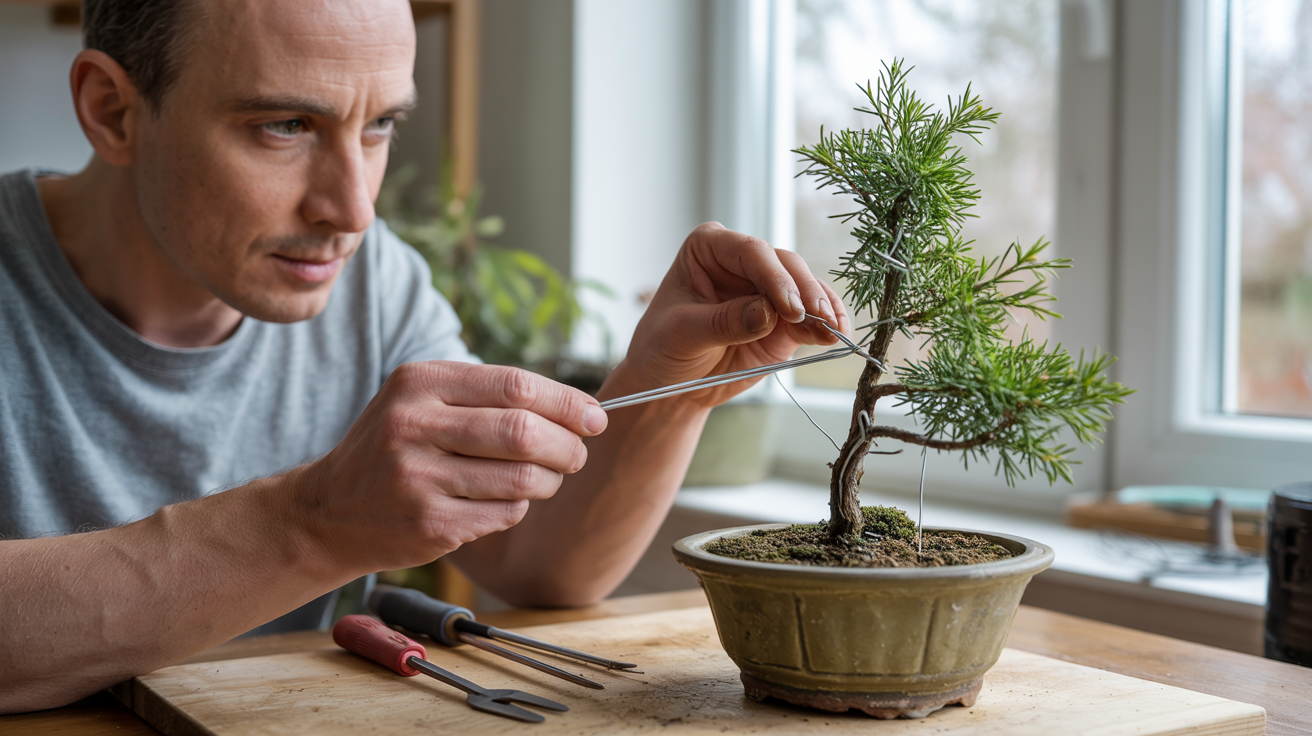
Consider the correct approach to first wiring a young Pinus thunbergii (Japanese black pine) collected or purchased in early spring, before the first candle extension of the season:
- Assess the trunk line and primary branches before touching any wire. Spend at least one full growing season just watching the tree respond to its new pot.
- Wire at a 45-degree angle along the branch, moving from the trunk outward, using aluminium wire one-third the diameter of the branch being set.
- Bend slowly toward the tree’s natural lean — do not force a branch against its grain. If you feel resistance, stop and reassess over the following weeks.
- Remove wire before it bites in autumn of the same year, typically September in temperate climates, rather than waiting for the shape to be “locked in.”
That fourth point is the one most beginners skip, and it is the one that causes the most visible scarring. Patience, not force, is the technique.
Our Take
The bonsai community has a genuine stake in how the word is used publicly. We would encourage practitioners at every level to engage clearly and calmly when they encounter the “bonsai cat” myth — in comment sections, in conversation, at local club events. Speaking up at regional exhibitions is one effective venue for this, and we have written previously about why those gatherings carry more influence than people assume: The Quiet Power of Regional Bonsai Exhibitions — And Why We Should All Pay Closer Attention.
Actionable Takeaway
Today, before your next styling session, write down three observable characteristics of your tree — its natural lean, its strongest live vein, its most interesting existing deadwood — and let those three things, not a style template, guide every cut you make. That is what separates bonsai from confinement. That is what we are here to practise.
By Redazione Bonsai World
Article researched and written with AI assistance and reviewed by the Bonsai World editorial team.