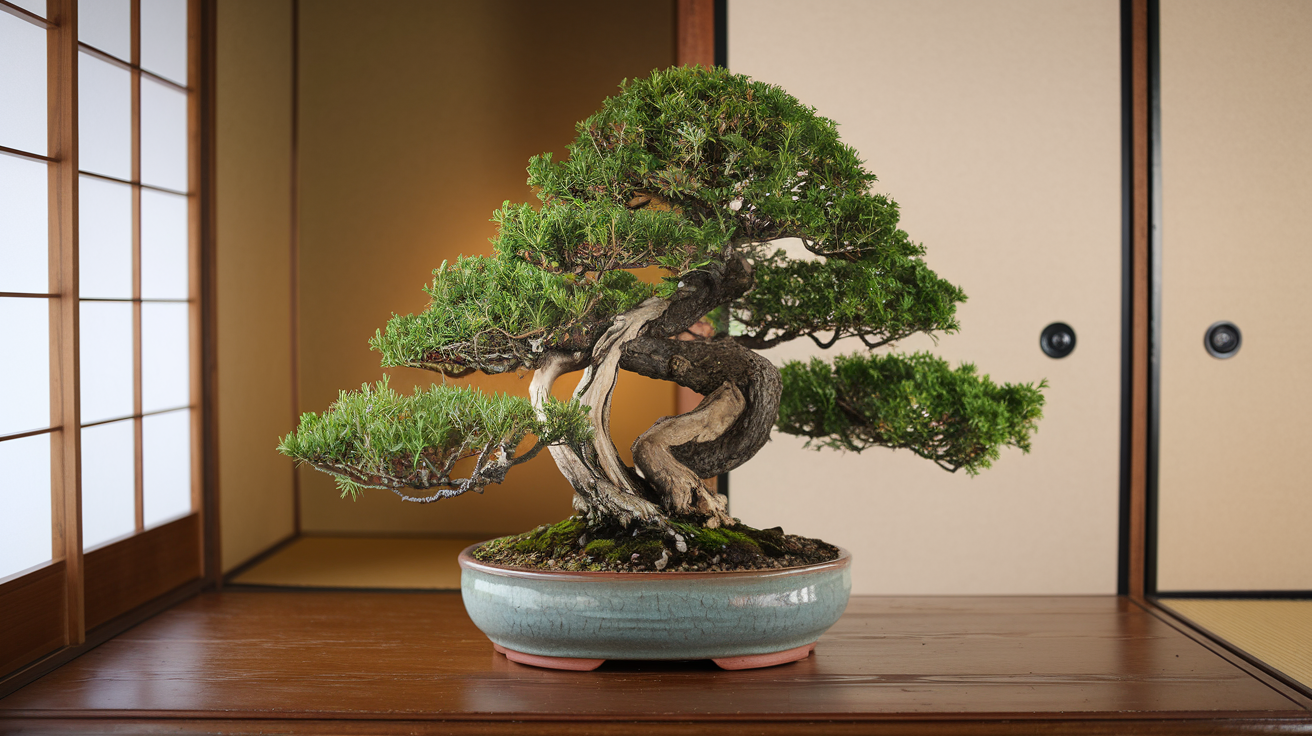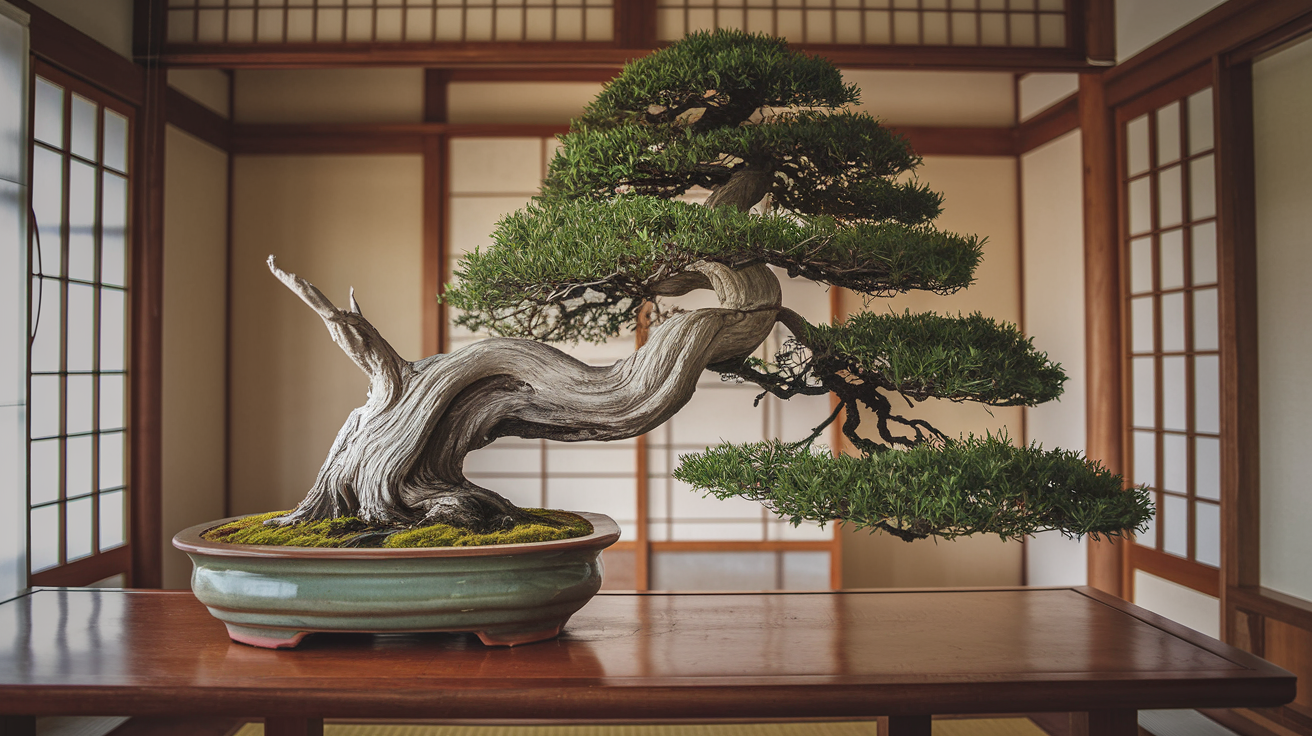

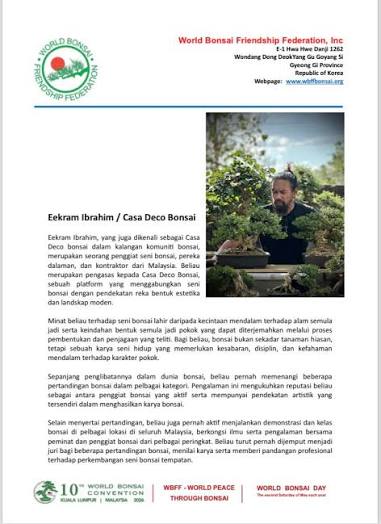
In the world of bonsai artistry, few names command as much respect and admiration as Eekram Ibrahim. This remarkable master has dedicated his life to perfecting and advancing the ancient art of bonsai cultivation, bridging Eastern traditions with contemporary Western sensibilities to create a unique and influential approach that has inspired countless enthusiasts around the globe.
Early Life and Introduction to Bonsai
Eekram Ibrahim’s journey into the world of bonsai began in his youth when he first encountered these miniature trees at a local botanical exhibition. Born to a family of gardeners, Ibrahim possessed a natural affinity for plants, but it was the discipline and artistry required in bonsai that truly captured his imagination. He spent years studying under various masters across Asia, immersing himself in the traditional techniques that had been passed down through generations.
Innovative Techniques and Philosophy
What sets Ibrahim apart from other bonsai practitioners is his willingness to challenge conventional wisdom while maintaining deep respect for traditional methods. His signature technique involves a careful balance between natural growth patterns and artistic intervention, allowing the tree’s inherent character to shine through while guiding its development with precise wiring and pruning strategies.
Ibrahim is particularly renowned for his work with deciduous species, especially maples and elms, which he transforms into breathtaking specimens that capture the essence of ancient forests in miniature form. His philosophy emphasizes patience and observation, teaching students to truly understand their trees before making any significant modifications. He often says that the best bonsai artists are those who can listen to what the tree wants to become.
Global Influence and Recognition
Over the past two decades, Eekram Ibrahim has become a sought-after speaker at international bonsai conventions and symposiums. His workshops consistently draw capacity crowds, with participants traveling from every corner of the world to learn from his expertise. He has authored several influential books on bonsai cultivation that have been translated into multiple languages, making his knowledge accessible to a global audience.
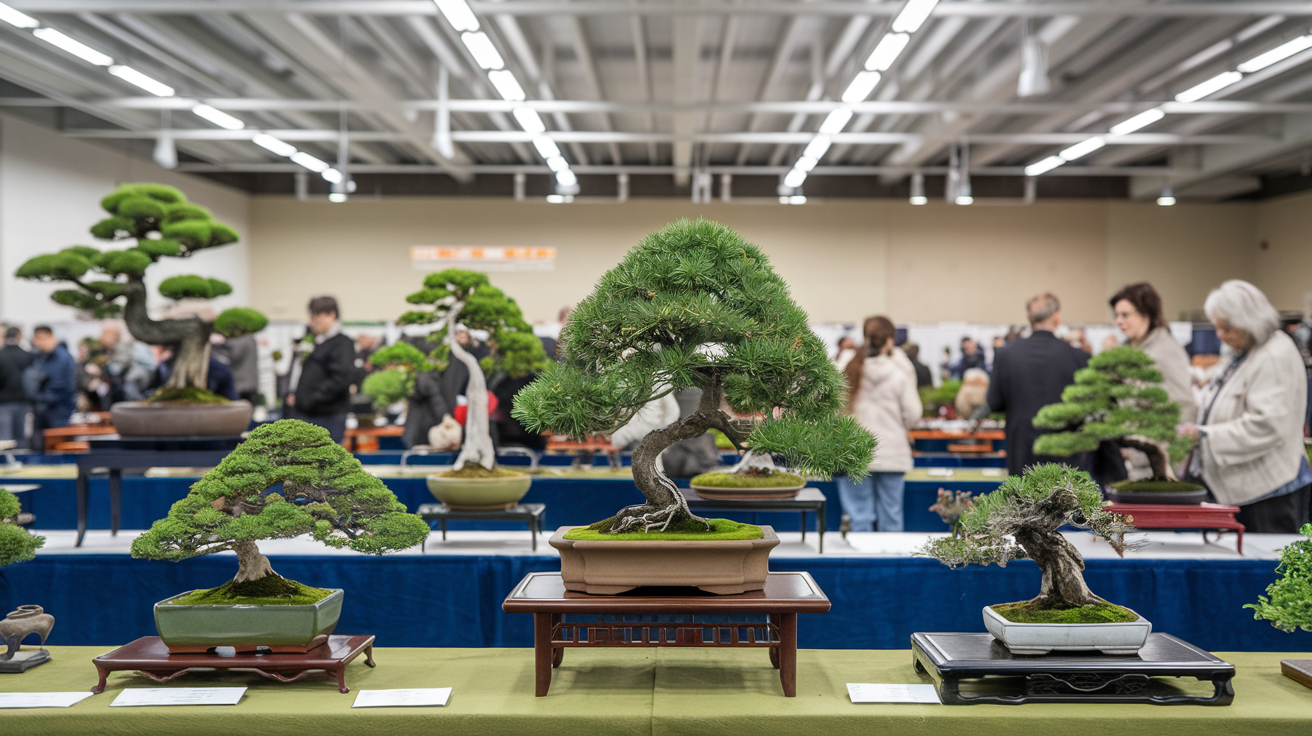
Ibrahim’s contributions to bonsai have earned him numerous prestigious awards, including recognition from the World Bonsai Friendship Federation and honorary positions in several national bonsai societies. His trees have been displayed in major exhibitions worldwide and are featured in several permanent collections at botanical gardens and museums.
Legacy and Teaching
Perhaps Ibrahim’s greatest contribution to the art of bonsai lies in his dedication to education. He established the Ibrahim Bonsai Institute, where students can undertake comprehensive training programs ranging from beginner courses to advanced apprenticeships. His teaching style emphasizes both technical skill and artistic vision, encouraging students to develop their own voices while mastering fundamental techniques.
Through his work, Eekram Ibrahim has helped democratize bonsai, making it more accessible to Western practitioners while preserving its cultural significance and traditional roots. His influence continues to shape the future of bonsai artistry, inspiring a new generation of cultivators to approach this ancient practice with both reverence and innovation.