
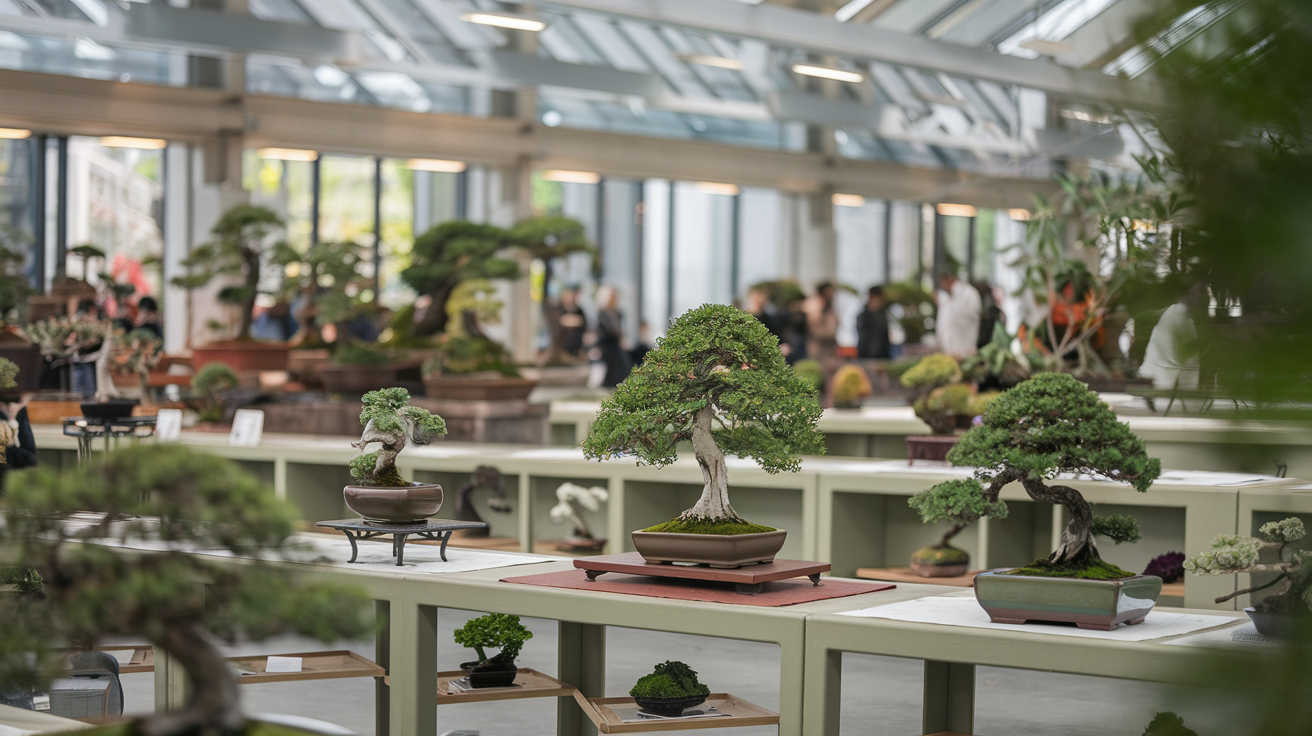
Why Spring Shows Are Killing Your Bonsai Progress (And How to Fix It)
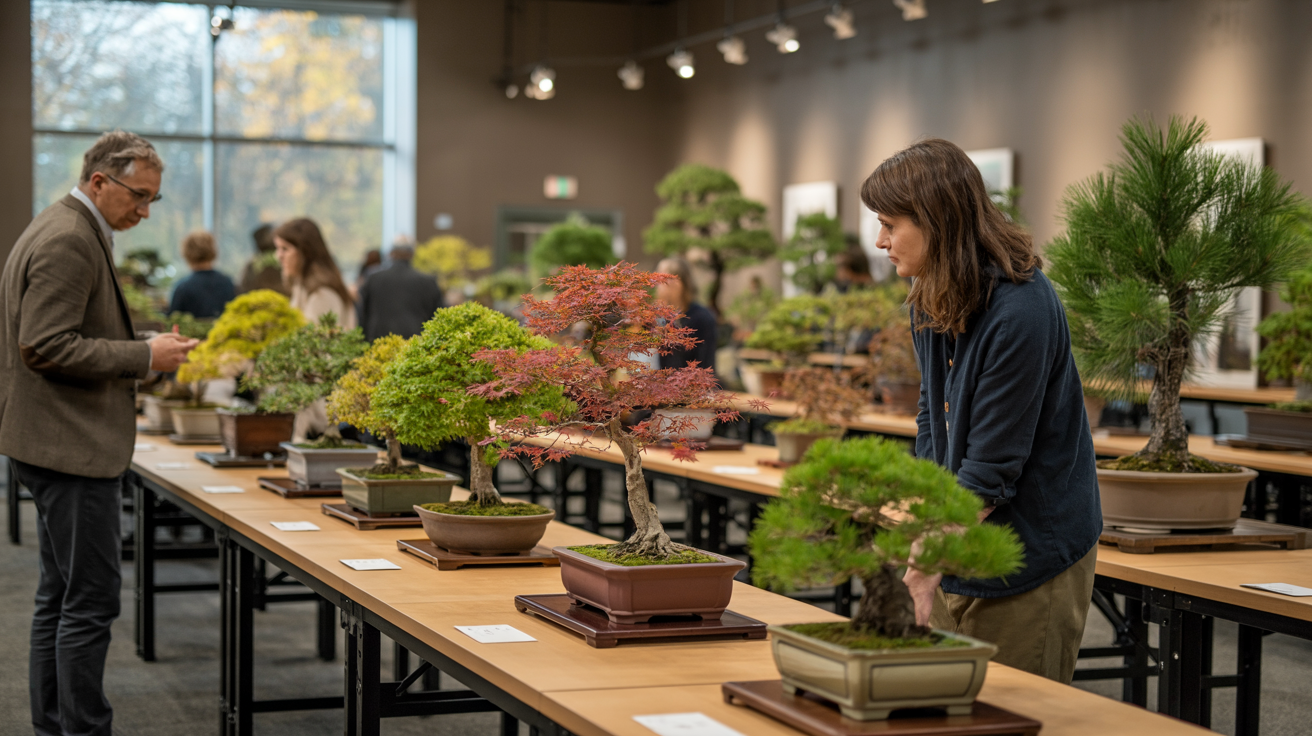
We need to talk about spring bonsai shows. Yes, the City of Fort Wayne’s upcoming Spring Bonsai Show and dozens like it across North America are wonderful community events. But in our view, the annual spring show calendar has created a dangerous illusion that’s holding back thousands of enthusiasts from genuine mastery.
Here’s what we would argue: the spring show model has conditioned growers to think of March through May as “bonsai season,” when in reality this mindset causes them to miss the most critical work windows of the entire year. We see it constantly—growers rush to wire and style their trees in April to have something “show-ready,” completely ignoring that late winter dormancy is when you should be doing your heaviest structural work, and that autumn is when deciduous species set their branch architecture for the following year.
Our Take: Stop Showing, Start Growing
The uncomfortable truth is that trees prepared specifically for spring exhibition often suffer setbacks that cost you two or three years of development. Why? Because displaying a tree in full spring flush means you’ve already missed the repotting window for most temperate species. That beautiful Japanese maple you’re showing in May with its fresh red leaves? It should have been repotted in late February or early March, before bud swell. But you kept it intact for the show.
Most bonsai cultivation guides gloss over this conflict between exhibition timing and horticultural best practice. They’ll tell you when to repot (late winter for most species) and they’ll encourage you to participate in shows (typically spring), but they rarely acknowledge that these two imperatives often clash directly.
What Most Exhibitors Get Wrong
The drive to have a “finished” tree for spring display leads to three common mistakes:
- Delaying repotting past the optimal window to keep the tree stable for transport and display
- Over-fertilizing in late winter to push dramatic spring color, which produces leggy growth you’ll spend all summer correcting
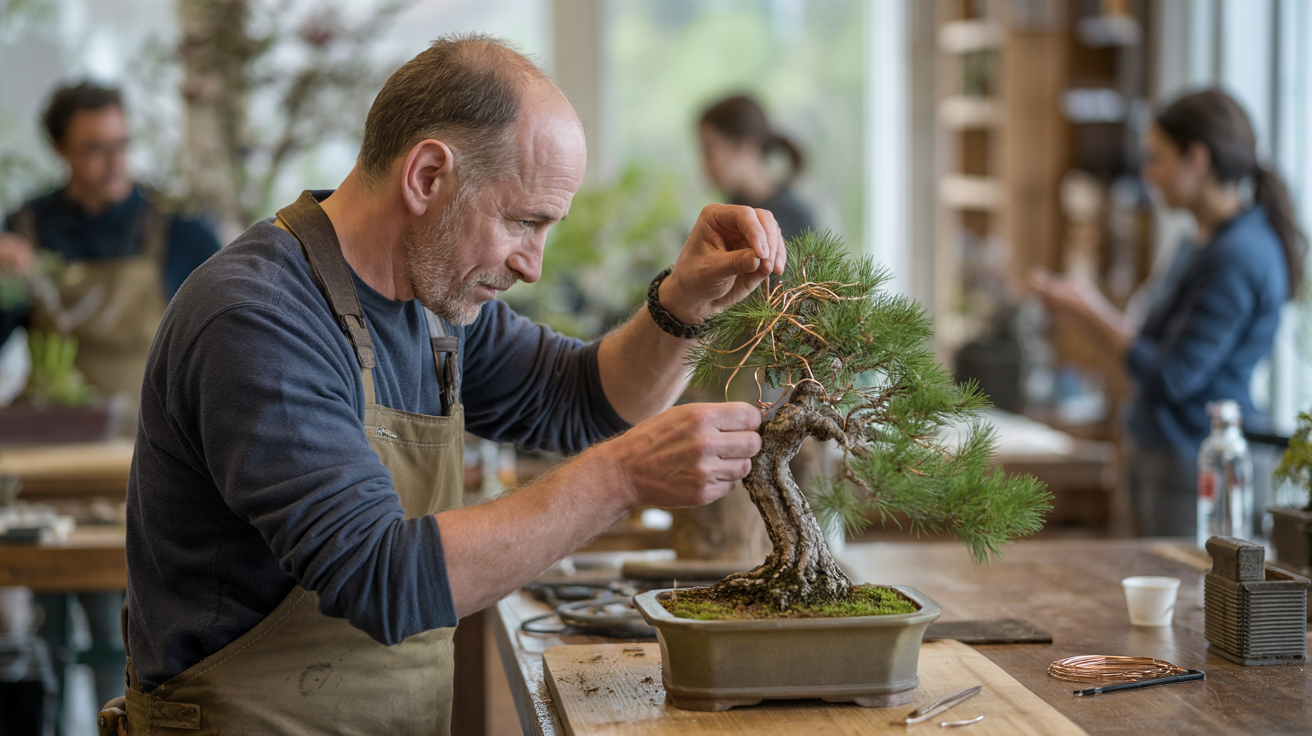
- Emergency wiring in April when you should be letting the tree invest energy in root development, not recovering from wire stress
We’ve watched promising Chinese elms and trident maples stall out for entire seasons because their owners prioritized a single weekend’s display over the tree’s natural development cycle.
A Better Approach: The Exhibition Rotation
Here’s our recommended technique: maintain a rotation where only one-third of your collection is ever “show-ready” in any given year. The remaining two-thirds are in active development, receiving optimal care timed to their needs rather than the exhibition calendar.
For your show trees, follow this specific sequence:
- Year one: Repot in optimal window (February-March for most temperate species), skip spring shows entirely, focus on vigor
- Year two: Structural wiring in November-December while dormant, refinement pruning in June after spring growth hardens
- Year three: This tree is now available for spring exhibition—roots are established, structure is set, you’re merely maintaining
This rotation means you’ll have fewer trees on the show table, but the ones you do display will be genuinely healthy specimens, not stressed performers.
What You Can Do Today
Look at your collection right now and honestly categorize each tree: is it in development, or is it show-ready? For anything you’re currently pushing toward a spring show, ask yourself whether you’re compromising a critical technique—especially repotting—to meet that deadline. If the answer is yes, pull it from consideration.
The best bonsai we’ve seen weren’t built on a spring show schedule. They were built on patient, properly-timed horticulture. Attending shows for education and community? Absolutely essential. Letting the show calendar dictate your care schedule? That’s where progress dies.
Source: City of Fort Wayne Spring Bonsai Show announcement
This article was created with AI assistance by the Bonsai World editorial team.