
Why Mini Bonsai Is Not a Beginner’s Shortcut—And How to Do It Right
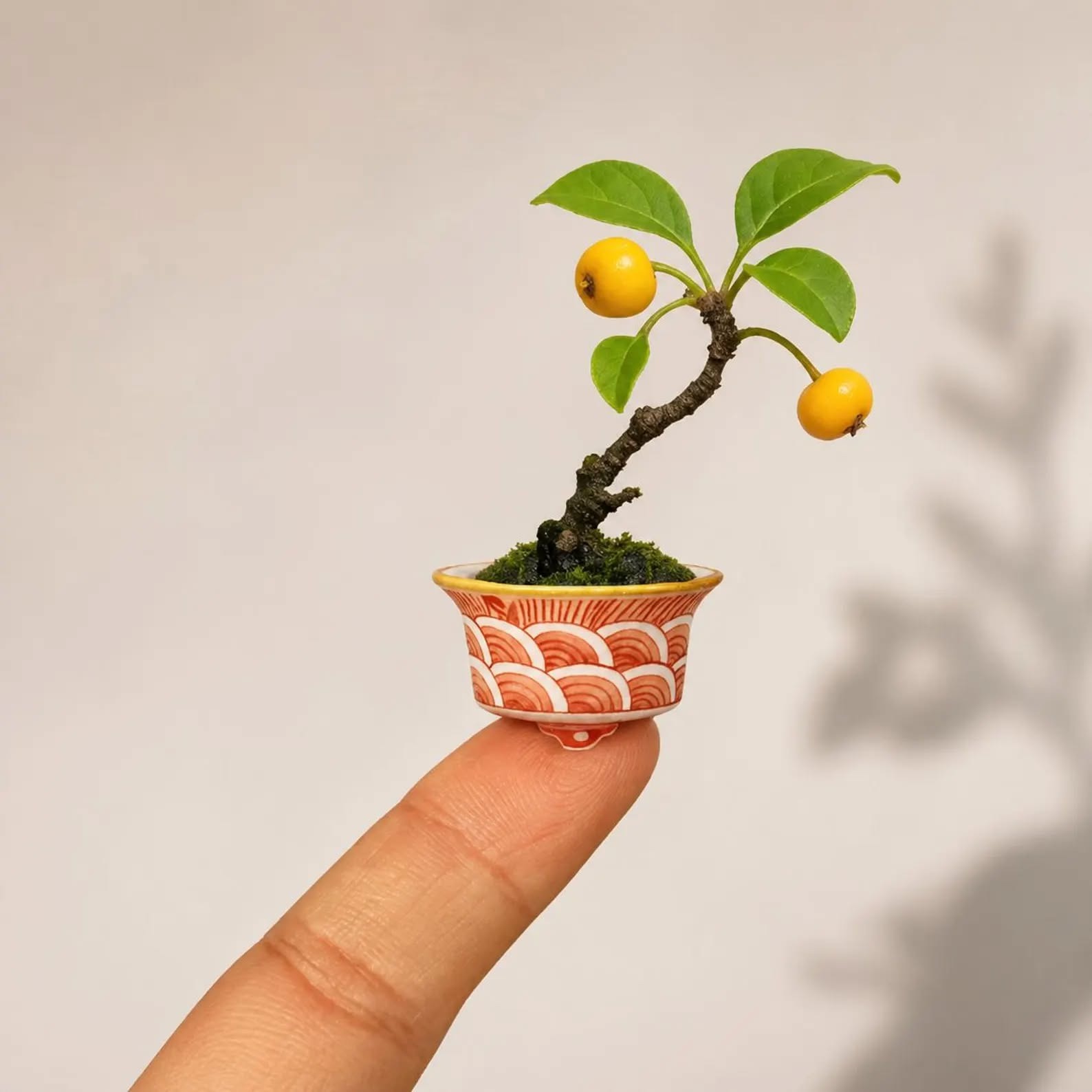
We’ve noticed a surge of interest in mini bonsai lately, sparked in part by enthusiasts showcasing their collections and bringing these diminutive trees into the cultural spotlight. The appeal is undeniable: charming, space-efficient, and seemingly manageable. But here at Bonsai World, we need to state something clearly—mini bonsai, or shohin and mame as traditionalists call them, are actually among the most demanding forms of the art. The smaller the pot, the less margin for error.
The Scale Problem Most Guides Ignore
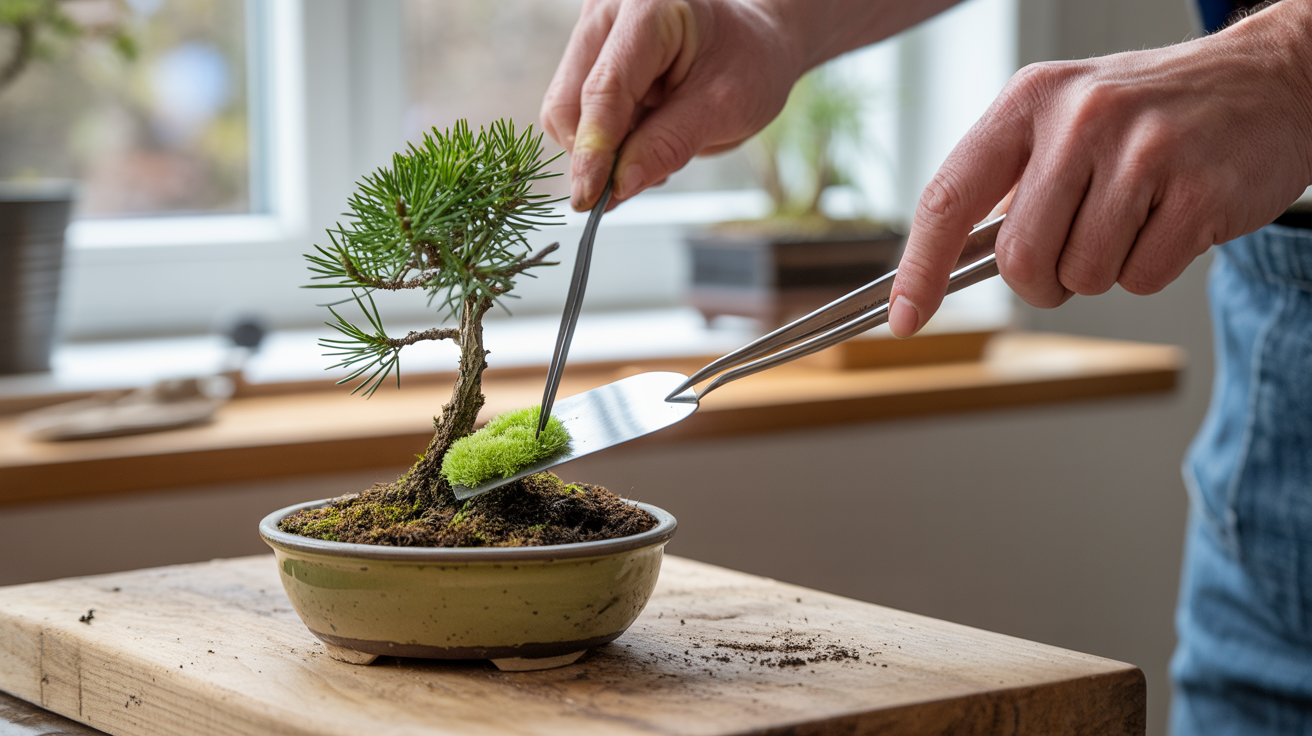
What frustrates us about most beginner advice is the persistent myth that smaller means simpler. The reality is precisely the opposite. When you’re working with a tree in a pot that holds perhaps two tablespoons of soil—common for mame bonsai under 10 centimeters tall—every watering decision becomes critical. The soil dries out in hours during summer, not days. Root systems have no buffer zone. A single afternoon of neglect in July can mean the difference between a thriving tree and a crispy memorial.
Take the kinzu, or Murraya paniculata, often sold as “orange jasmine” in Western markets. This species has captured hearts with its fragrant white flowers and tiny leaves that scale beautifully to miniature proportions. But here’s what the enthusiast photos don’t show: kinzu demands consistent moisture and despises both drought and waterlogging in equal measure. In a shallow 5-centimeter pot, that’s a needle you’re threading twice daily in warm weather.
Our Take: Start Big, Scale Down
We argue that aspiring mini bonsai growers should spend at least two seasons working with standard-sized bonsai—trees in pots 20 to 30 centimeters wide—before attempting anything in the shohin category or smaller. Master the fundamentals when you have room to make mistakes. Learn to read your tree’s water needs, understand seasonal growth patterns, and develop pruning judgment when an errant cut won’t devastate the entire silhouette.
The global expansion of bonsai culture means more people are discovering regional species and adapting traditional techniques to new climates. We’ve explored how emerging regional scenes are reshaping our understanding of what’s possible in bonsai cultivation, and the same principle applies to scale—adaptation requires expertise.
One Practical Technique: The Humidity Tray That Actually Works
If you’re committed to mini bonsai despite our warnings—and we understand the temptation—here’s a technique that will save you considerable grief. Create a proper humidity tray system, not the decorative ones sold in garden centers.
Take a shallow tray at least three times wider than your pot. Fill it with a single layer of expanded clay pellets or clean gravel to about 1.5 centimeters depth. Add water until it just reaches the bottom surface of the stones but doesn’t submerge them. Place your bonsai pot on top—never letting the pot bottom touch standing water directly, which invites root rot.
This creates a microclimate through evaporation that moderates the extreme fluctuations mini bonsai face. In our experience, this simple setup extends the safe window between waterings by 30 to 50 percent during summer months. Check and refill the tray reservoir weekly. In winter, especially indoors with heating, maintain the system but reduce the water level slightly to account for dormancy needs.
The Species Question
Species selection matters enormously at miniature scale. We recommend beginners avoid needled conifers and focus on small-leaved broadleaf species. Serissa foetida, despite its unfortunate common name “tree of a thousand stars,” tolerates pot restriction well and flowers reliably even in small containers. Chinese elm cultivars, particularly the ‘Seiju’ and ‘Hokkaido’ varieties, naturally produce tiny leaves and respond forgivingly to the root restriction mini culture demands.
Actionable Takeaway
Before purchasing your first mini bonsai, acquire a soil moisture meter with a probe at least 5 centimeters long. Insert it daily for the first month, noting readings at different times of day. You’ll develop an intuitive sense of your tree’s water consumption pattern—knowledge that’s essential when pots hold so little soil. This single tool and the discipline to use it consistently will prevent more losses than any other investment you can make in mini bonsai cultivation.
This article was created with AI assistance by the Bonsai World editorial team.