
Why Love Isn’t Enough: The Discipline Behind Bonsai Care That Global Apprentices Learn in Japan
We’ve all heard the romanticized refrain: bonsai trees need love to survive. A recent report from Obuse, Japan, where international apprentices gather to study traditional bonsai cultivation, repeats this sentiment. But in our view, this well-intentioned phrase obscures a critical truth that causes more trees to die than any pest or disease: love without structure is neglect dressed in sentiment.
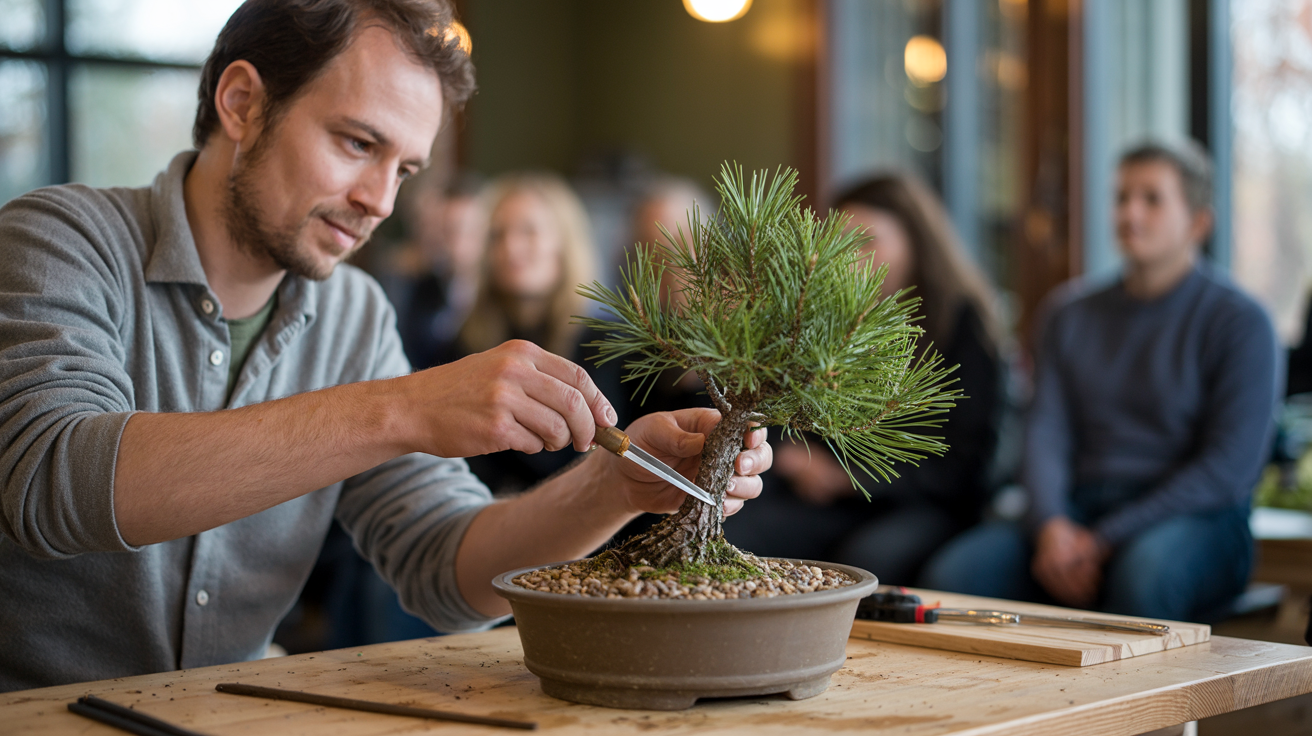
What the apprenticeship model in studios like those in Obuse actually teaches is not abstract affection, but rigorous daily discipline. The reason international students travel thousands of miles to study in Japan isn’t to learn how to “love” trees more intensely. They come to master the systematic observation, seasonal timing, and technical precision that Western hobbyists often mistake for intuition or emotional connection.
What Most Guides Get Wrong About Emotional Investment
The problem with framing bonsai care as primarily emotional work is that it encourages practitioners to rely on feelings rather than evidence. We see this constantly in online forums: growers who “feel” their tree needs water, who prune when they “sense” the timing is right, who fertilize based on guilt rather than growth cycles. This approach creates anxious practitioners who second-guess every decision and trees that suffer from inconsistent care.
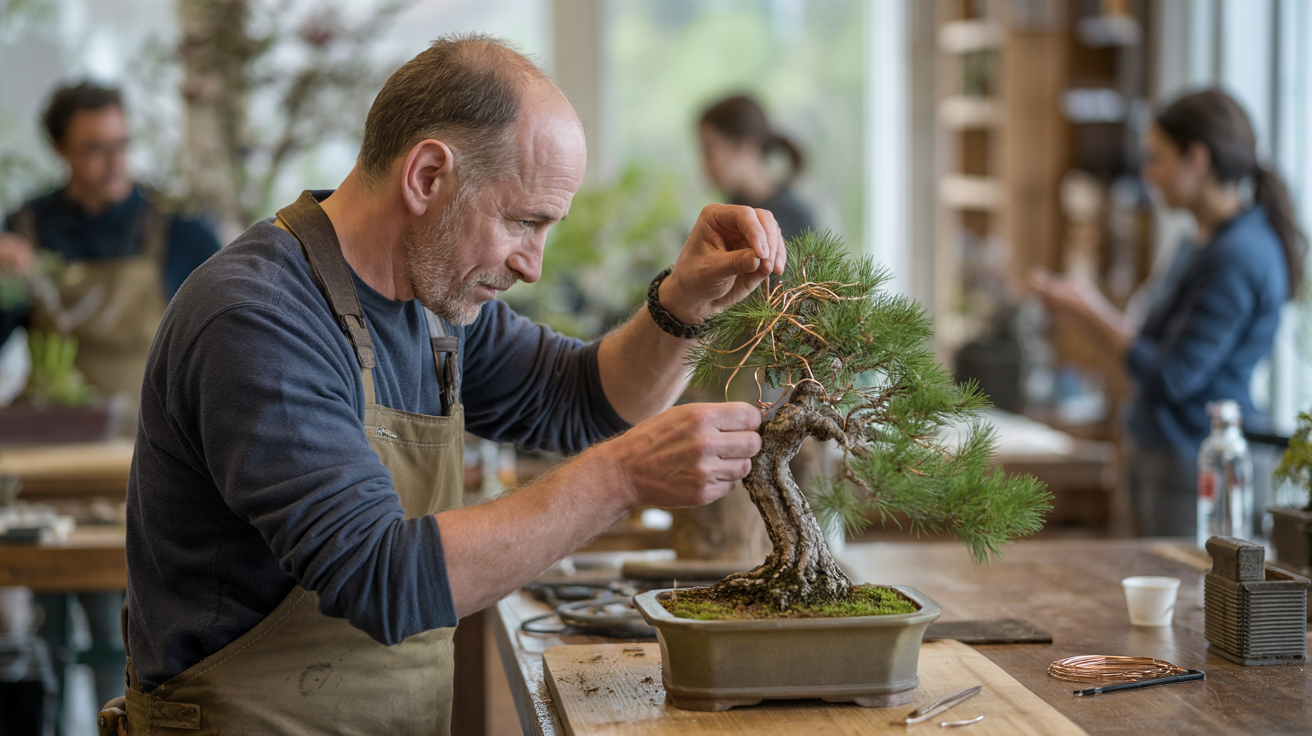
Traditional Japanese apprenticeships operate on an entirely different model. Students learn to check soil moisture at specific depths with their fingers, not to gauge their emotional readiness to water. They memorize which species flush growth in which months. They practice wire application until the 45-degree angle becomes muscle memory, not a creative expression of affection.
The Relay Race Metaphor We Should Actually Use
The concept of passing bonsai knowledge to the next generation—the “relay of life” referenced in reports from Obuse—is powerful, but it matters enormously what we’re handing off. If we pass along vague platitudes about love and patience, we’ve failed. If we pass along documented watering schedules, species-specific root-pruning windows, and verifiable techniques, we give the next generation actual tools.
Consider the practical reality: a 200-year-old Japanese black pine survives not because two centuries of caretakers loved it, but because they each performed specific interventions at predictable intervals. They decandled in June, not July. They applied lime sulfur to deadwood in winter dormancy. They root-pruned on a three-to-five-year cycle based on root development, not sentiment.
One Concrete Technique: The Moisture Check Protocol
Here’s what we’d argue every practitioner should implement today, regardless of experience level. Establish a moisture-check protocol that removes emotion from the equation entirely.
- Check soil moisture at the same time daily, ideally morning before sun exposure changes readings
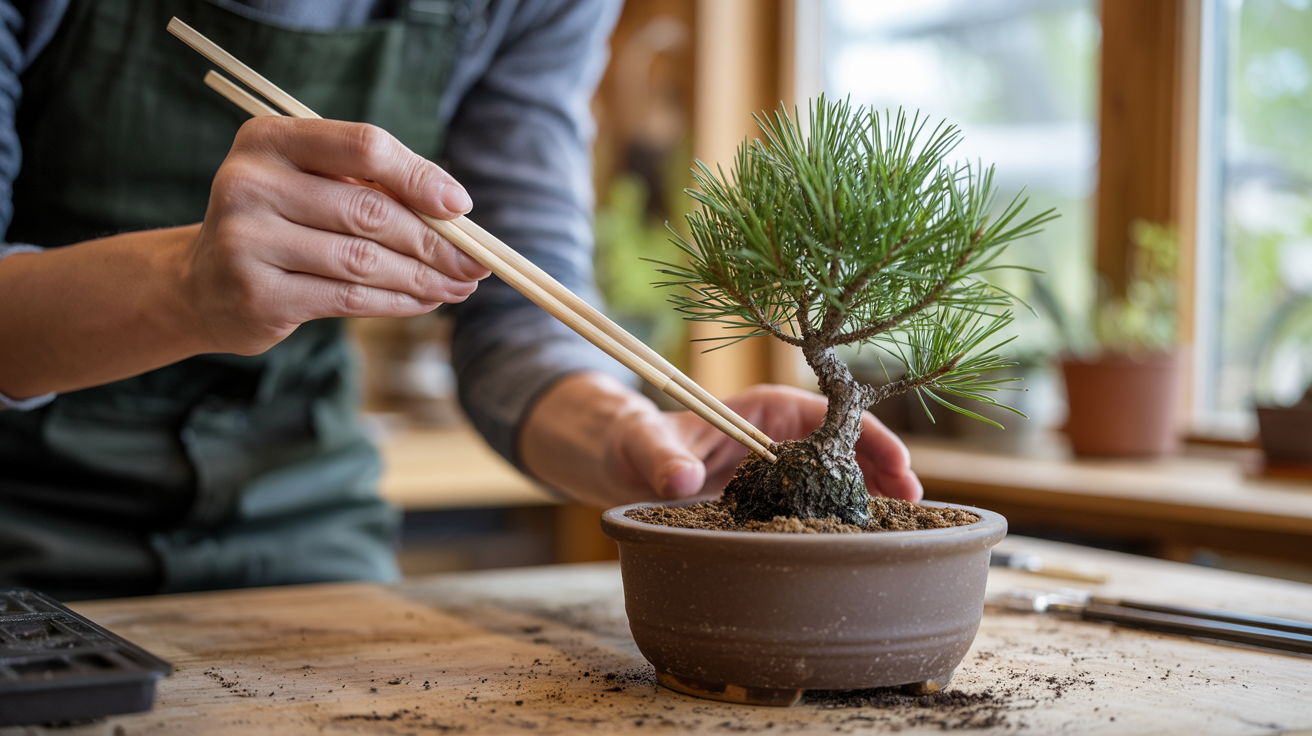
- Insert your finger or a wooden chopstick one inch deep at three points around the pot
- Record results in a simple notebook: dry, slightly moist, or wet
- Water only when two of three test points read dry, regardless of how you “feel” about the tree’s needs
- After one month, review your log to identify your tree’s actual pattern rather than your assumed pattern
This protocol works because it externalizes decision-making. You’re no longer watering based on anxiety or affection; you’re responding to documented evidence. For species like Japanese maples and trident maples that are notoriously sensitive to both underwatering and overwatering, this systematic approach prevents the emotional rollercoaster that leads to abandoned trees.
Our Take
The global interest in traditional Japanese bonsai training represents something valuable: a recognition that craft knowledge matters more than emotional gestures. But we lose that value when we translate structured apprenticeship into vague advice about love and patience. What international students learn in ateliers isn’t mystical connection—it’s repeatable technique, seasonal awareness, and the humility to follow proven methods rather than personal whims.
The detail that matters most from these traditional training programs isn’t the emotional rhetoric; it’s that apprentices spend months doing the same task repeatedly until it becomes automatic. They wire hundreds of branches before touching a valuable tree. They mix soil in exact ratios, not approximate handfuls. This is what keeps centuries-old trees alive across generations.
Related reading: Why We Should Stop Calling Beginners “Beginner-Friendly” explores how our language shapes expectations and outcomes in bonsai practice.
Actionable takeaway: Start your moisture-check log today with any tree in your collection. One month of data will teach you more about your tree’s needs than a year of anxious observation.
This article was created with AI assistance by the Bonsai World editorial team.