
The Tool You’re Probably Using Wrong: A Case for Taking Bonsai Shears Seriously
There is a conversation that happens constantly in bonsai forums, club meetings, and comment sections, and it almost always goes the same way: someone asks which tree to start with, which soil mix to buy, which pot looks best. Rarely does anyone ask about the cutting tool in their hand. We think this is one of the most consequential blind spots in how beginners—and even intermediate growers—approach the craft.
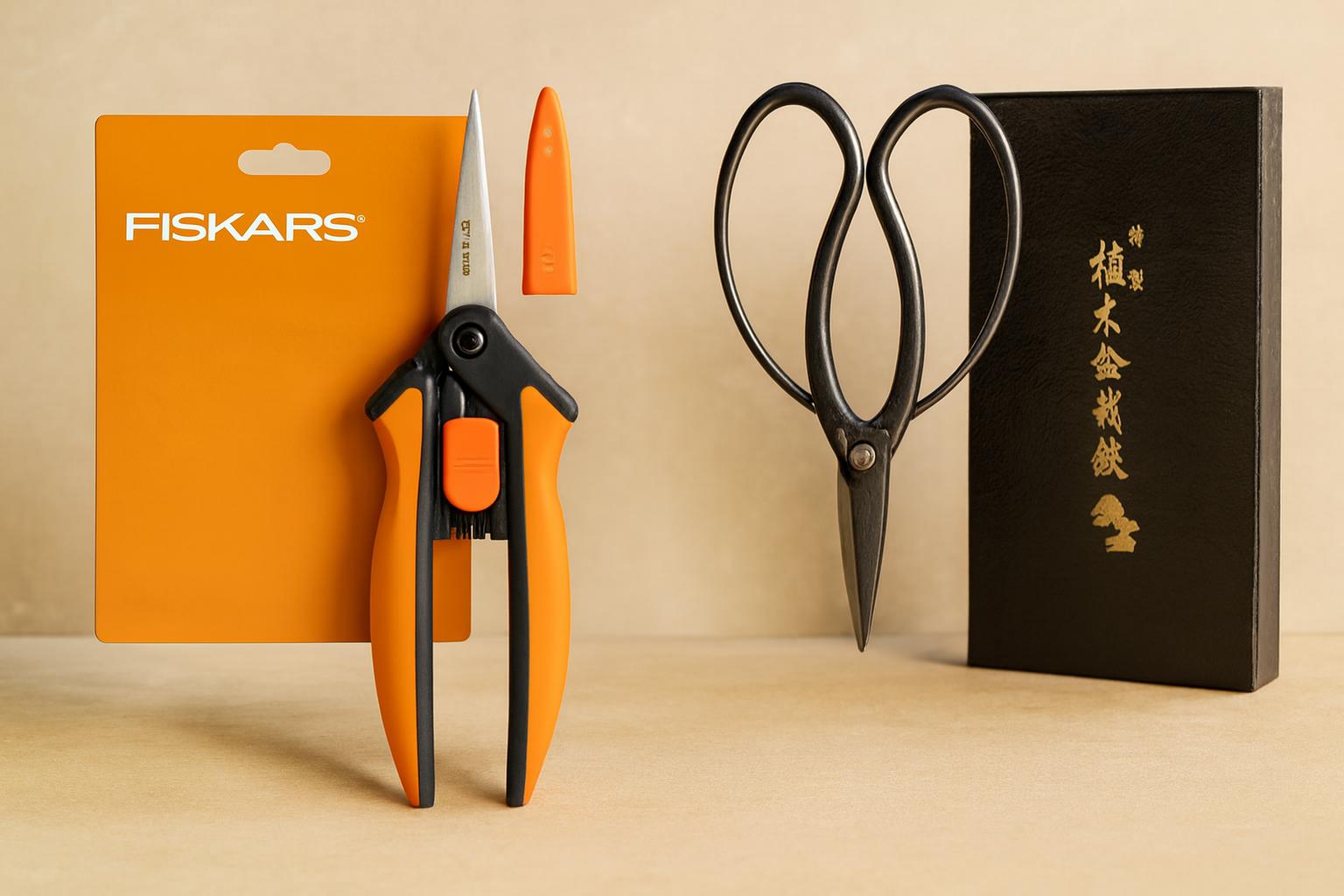
The humble pruning shear is not a commodity. It is the primary interface between your intention and your tree’s vascular tissue, and treating it as an afterthought is a habit the bonsai community needs to shed. A recent roundup of top pruning shears for bonsai growers published at mikesmowersspokane.com reminded us just how much market noise surrounds this category—and how little of the conversation addresses the deeper question of matching shear type to species physiology and seasonal timing.
What Most Guides Get Wrong
The majority of buying guides treat bonsai shears as interchangeable with quality variations being purely about steel grade and spring tension. That framing misses something critical. The geometry of the blade—specifically the angle of the cutting bevel and the length of the jaw—determines not just the cleanliness of the cut but the degree of cambium compression at the wound site. For species like Juniperus chinensis or Pinus thunbergii, where resin channels run close to the surface, a wide-jaw bypass shear with poor alignment can crush tissue rather than sever it cleanly, inviting fungal ingress at exactly the point you want callus formation.
We would also argue that most guides treat spring and autumn pruning as equivalent operations requiring the same tool. They are not. Late-spring structural pruning on a Ficus microcarpa—when sap flow is vigorous and you are making cuts back to secondary branches—calls for a short-jaw, fine-tip shear that allows you to work precisely inside a dense canopy without tearing adjacent growth. By contrast, dormant-season work on a Zelkova serrata in late January, where you are refining fine twig ramification, benefits from a longer blade that lets you maintain consistent cutting angle across multiple passes without repositioning your grip.
One Technique Most Growers Skip
Here is something specific and actionable: before any pruning session, test your shear’s alignment by making a single cut through a sheet of paper held vertically. A well-aligned bypass shear should slice cleanly without the paper deflecting sideways. If the paper pushes rather than parts, your blades have developed lateral play—even if they feel sharp—and you will introduce micro-tears on every cut you make that day. This takes under ten seconds and eliminates one of the most common causes of slow-healing wounds on thin-barked species like Acer palmatum.
It is also worth noting that disinfection between trees matters far more than most casual guides acknowledge. A quick wipe with isopropyl alcohol between working on a Prunus specimen and a nearby juniper is not overcaution—it is basic disease management that separates disciplined practitioners from lucky ones.
Our Take
We believe the bonsai tool conversation needs to move away from ranking lists and toward context-specific recommendations. The best shear is not the most expensive one in a top-twelve roundup; it is the one whose jaw length, bevel geometry, and handle ergonomics match the species, the season, and the type of cut you are making that day. If you have been defaulting to one pair of shears for everything from Buxus tip pruning to structural work on collected Pinus sylvestris, you are likely compromising healing on at least one of those trees.
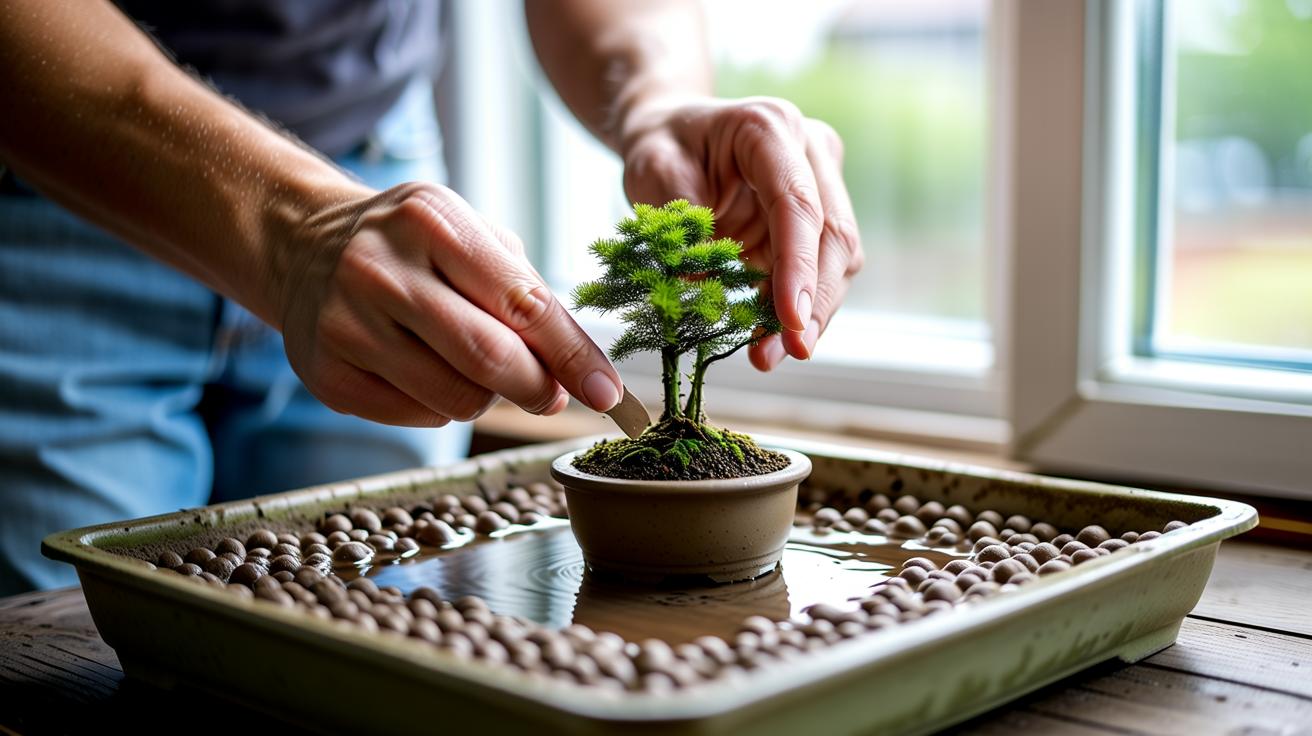
If you are newer to the craft and wondering why precision tools matter even before you have mastered the fundamentals, our piece on Why Mini Bonsai Is Not a Beginner’s Shortcut—And How to Do It Right addresses a parallel point: small trees demand greater precision, not less, and your tools have to match that demand.
Actionable Takeaway
Today, before your next session, do the paper-cut alignment test on every pair of shears you own. Note which ones fail. Then identify which species you work on most frequently and research the specific jaw length recommended for that species’ branch diameter range. This single calibration step will improve wound healing across your entire collection within one growing season.
By Redazione Bonsai World
Article researched and written with AI assistance and reviewed by the Bonsai World editorial team.