
The Quiet Power of Regional Bonsai Exhibitions — And Why We Should All Pay Closer Attention
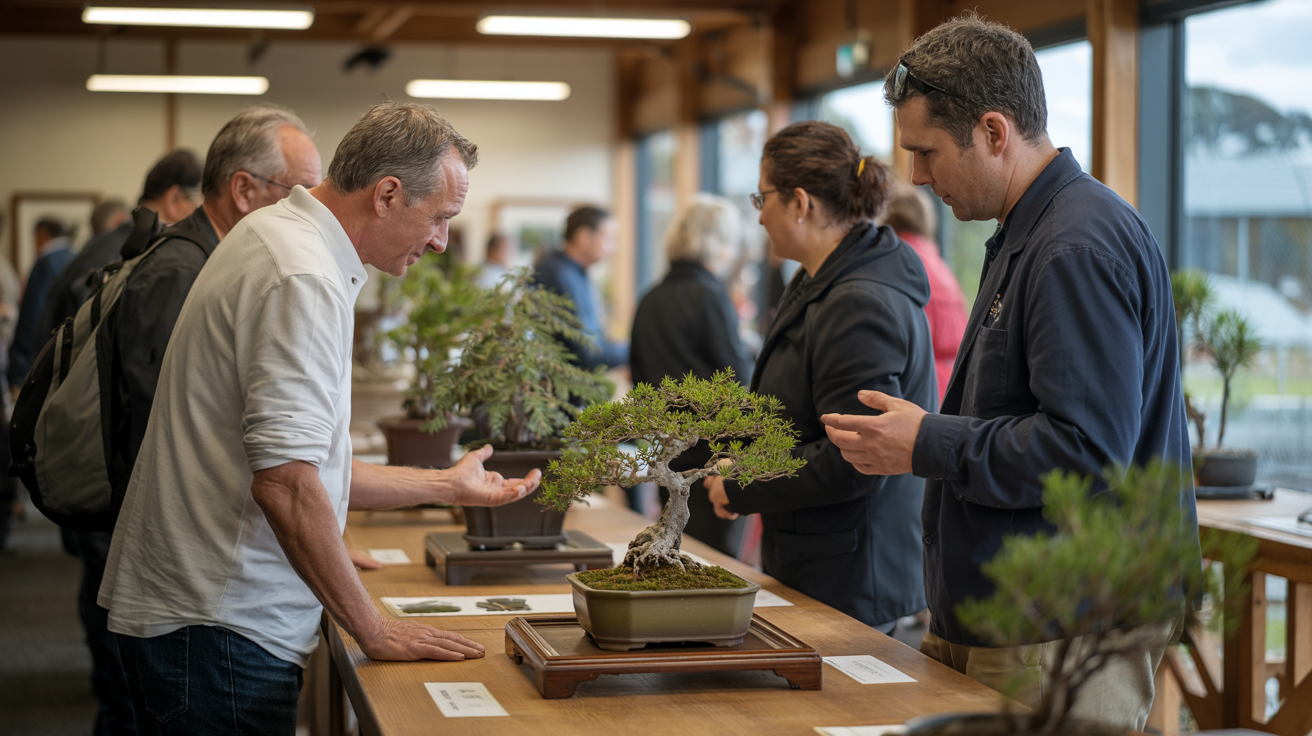
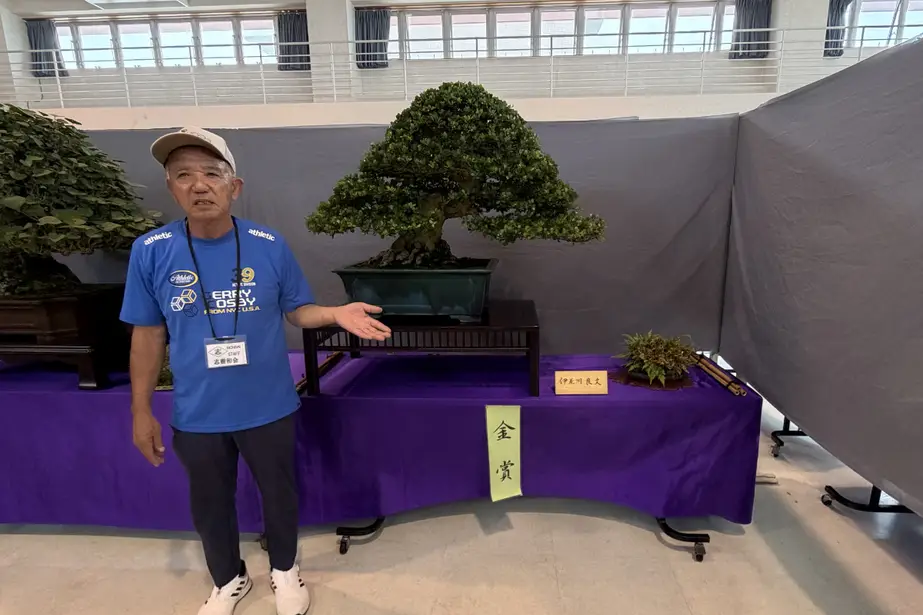
Every spring and autumn across Japan’s islands, community bonsai clubs hold exhibitions that almost nobody outside their prefecture ever hears about. The trophies are modest, the venues are local community halls, and the press coverage rarely travels beyond a regional newspaper. We think this is one of the most consequential blind spots in the international bonsai community, and a recent exhibition in Uruma City, Okinawa Prefecture — where grower Isagawa took a consecutive gold prize at the Shijuwakai club’s bonsai show — is a perfect lens through which to examine it.
What Consecutive Wins Actually Tell Us
Winning a regional club gold prize once is an achievement. Winning it consecutively is a signal worth decoding. In our view, back-to-back recognition at the same exhibition is far more revealing than a single high-profile national win, because it demonstrates consistency across seasonal cycles rather than a single peak moment. Bonsai judging at club level in Okinawa places particular emphasis on balance between seasonal timing and presentation — a tree shown in autumn must reflect choices made in spring regarding defoliation, fertilisation, and repotting. A consecutive gold means the grower has managed that full arc twice running.
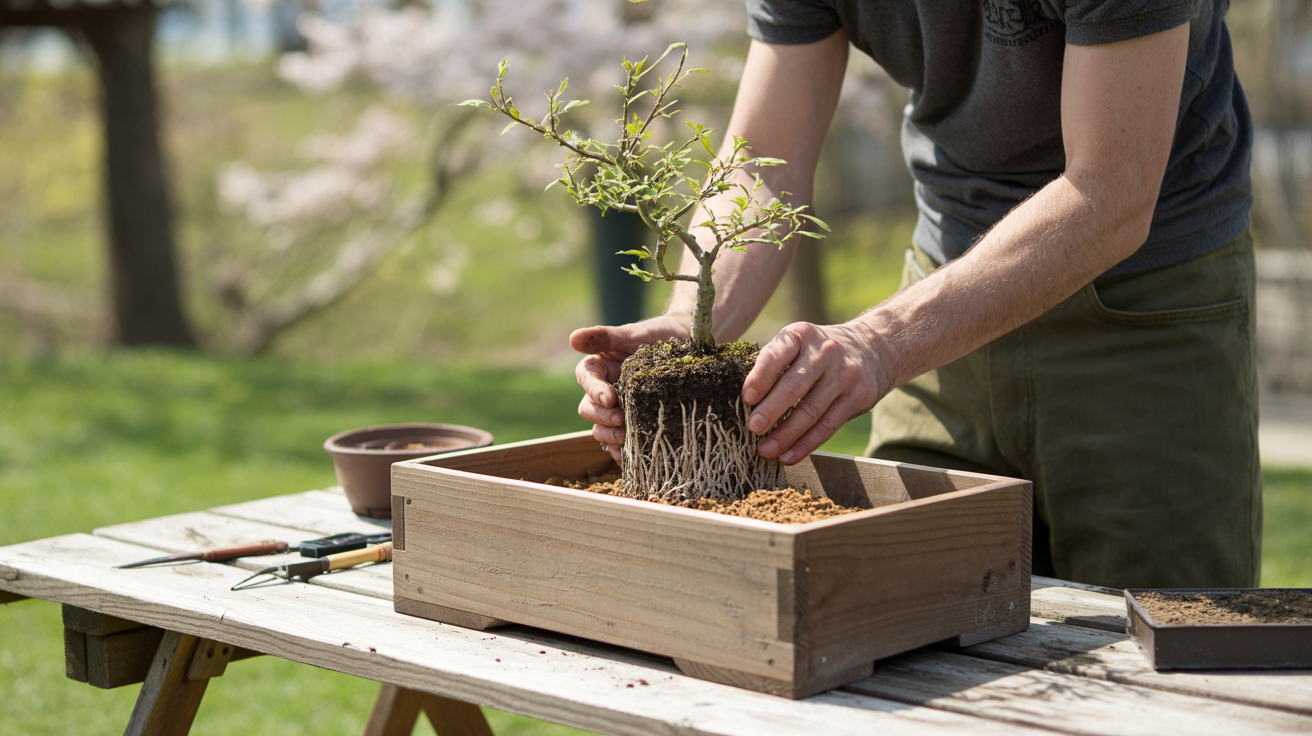
Most introductory guides frame exhibition preparation as a sprint — a few weeks of ramping up watering, light exposure, and surface cleaning before show day. What they consistently underplay is that meaningful exhibition condition is the product of decisions made six to nine months earlier. For subtropical species common in Okinawa, such as Ficus microcarpa (Chinese banyan) and Rhaphiolepis species, the critical window for root work and structural pruning typically falls in late February to early March, well before the humid Okinawan summer accelerates foliar growth beyond control.
A Concrete Technique Most Growers Skip
If you are preparing a subtropical broadleaf species for an autumn club exhibition, here is the single most neglected step we see overlooked:
- Late winter partial defoliation (not full): In late February, remove approximately 30–40% of the oldest, largest leaves on a Ficus microcarpa — specifically those in the interior of the canopy that are blocking ramification. Do not strip the tree.
- Respond to the flush: When the new growth emerges in March and April, pinch shoot tips back to one or two leaves as soon as the third leaf has fully opened. This tightens ramification across the growing season rather than concentrating it in one late-summer push.
- Cease nitrogen fertilisation by mid-August if your exhibition falls in October or November. Shifting to a low-nitrogen, higher-phosphorus feed hardens the foliage and deepens colour, which reads dramatically better under exhibition lighting than soft, sappy late-growth leaves.
The specific detail most generic summaries would miss is that timing those inputs to the Okinawan subtropical climate — rather than importing advice calibrated to temperate Japanese maples or junipers — is precisely what separates growers like Isagawa from those who plateau at participation ribbons.
Our Take
Regional club exhibitions in Japan’s smaller prefectures are functioning as a distributed research network for species-specific, climate-specific technique. Okinawa’s bonsai community is developing real expertise in tropical and subtropical material that the dominant literature, written around temperate species in Honshu and Kyushu, rarely captures. We would argue international growers cultivating Ficus, bougainvillea, or fukien tea (Carmona reticulata) in warm climates have more to learn from Uruma City than from a standard Kyoto pine exhibition.
This dynamic — local knowledge outrunning widely distributed guides — mirrors a broader pattern we have explored in other contexts, including in our piece on From Paddy Fields to the Digital Marketplace: What Vietnamese Bonsai Farmers Can Teach Us About Selling the Craft, which examines how regional practitioners are quietly reshaping the craft’s knowledge economy.
Actionable takeaway: Audit your fertilisation calendar today. If you are growing subtropical material and your nitrogen feed runs past early August, pull it back now and substitute a bloom-formula or bone-meal-based feed. Your autumn foliage will thank you on show day.
Source: 琉球新報デジタル — Uruma Shijuwakai Bonsai Exhibition report
By Redazione Bonsai World
Article researched and written with AI assistance and reviewed by the Bonsai World editorial team.