
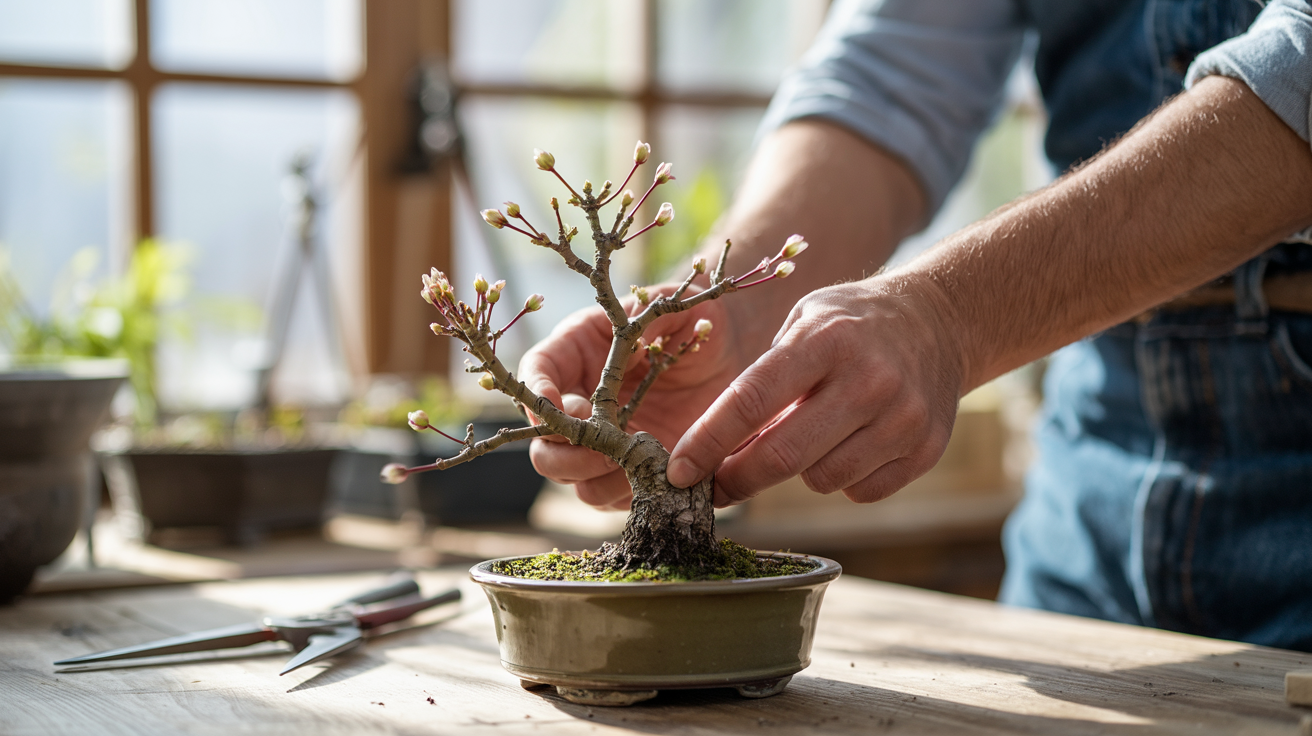
Why Bonsai Without Love Is Just Horticulture
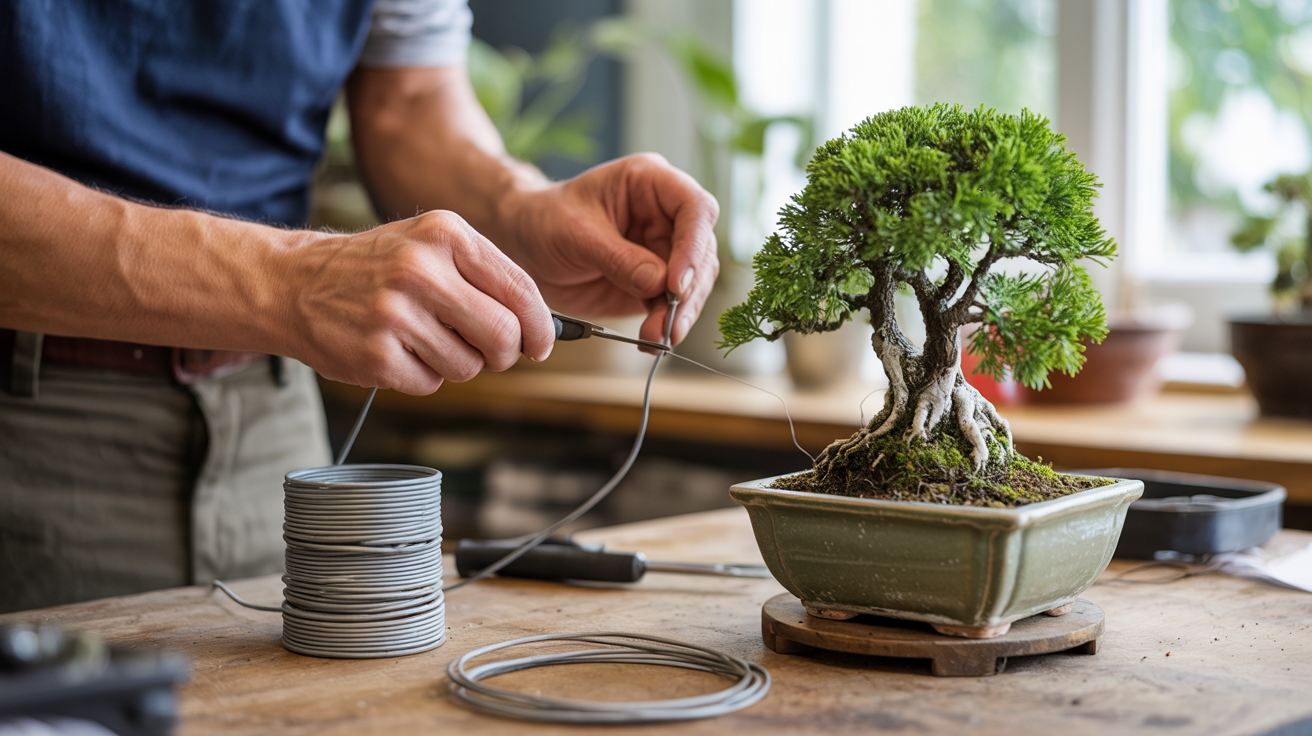
We’ve said it before in these pages, and we’ll say it again: technical skill alone does not make a bonsai artist. You can master every wiring technique, memorize the watering schedules for fifty species, and still produce trees that feel lifeless. The difference between a well-maintained plant and a true bonsai lies in something harder to teach and impossible to fake—devotion.
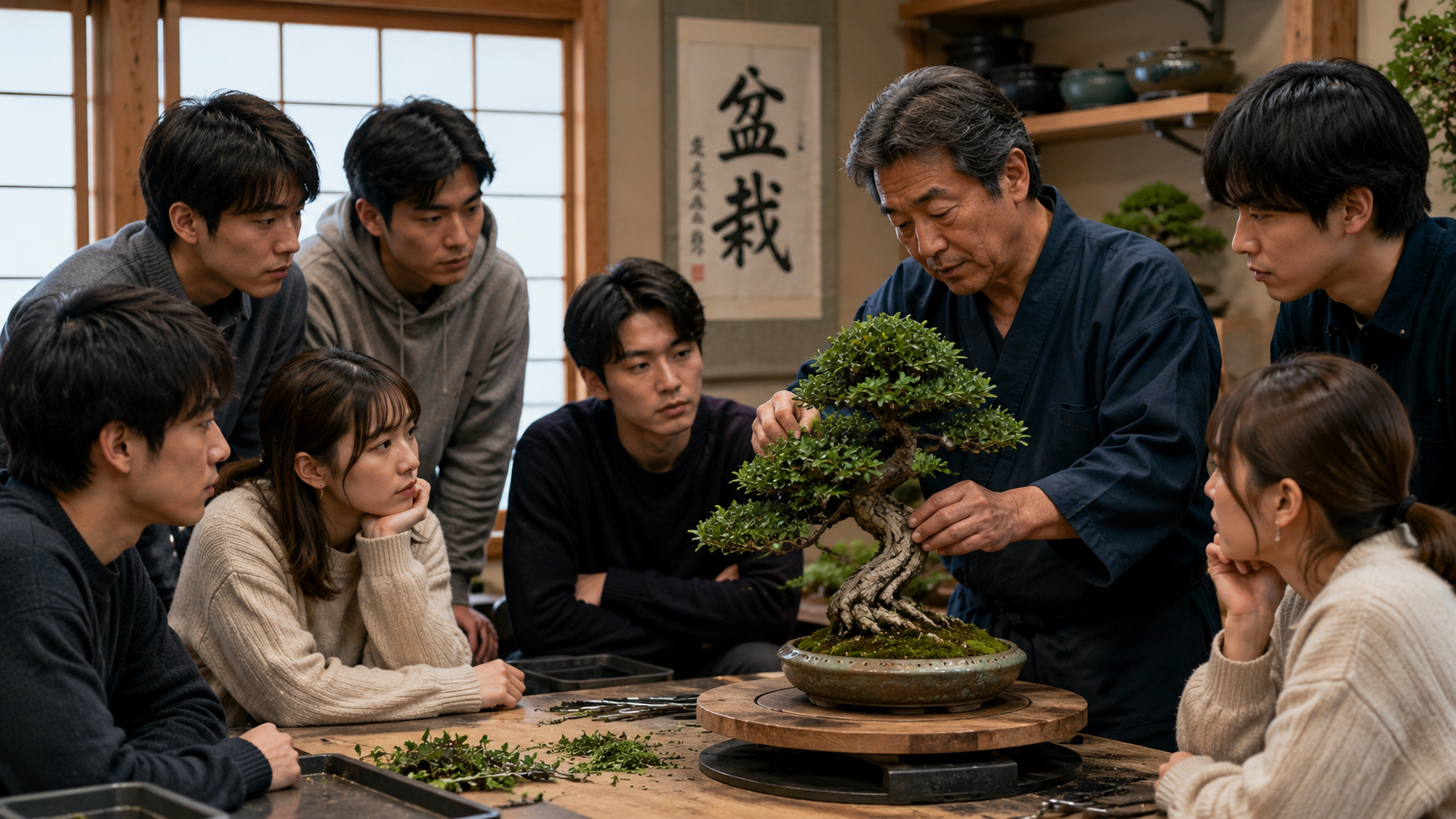
This principle came into sharp focus recently through a story from Obuse, where international students gather to learn bonsai under masters who insist that without affection, the trees cannot truly thrive. While some might dismiss this as romantic nonsense, we would argue it reflects a measurable reality that most Western guides chronically undervalue.
Our Take: Observation Beats Automation
The problem with contemporary bonsai instruction is its obsession with rigid schedules and universal rules. Water every three days. Fertilize monthly during growing season. Repot every two years. These guidelines create a false sense of mastery while actually distancing practitioners from their trees. What the Obuse approach recognizes—and what separates journeyman work from mastery—is that each tree is an individual requiring constant, affectionate observation.
Consider the common advice to water Japanese black pine only when the soil surface appears dry. Technically accurate, but woefully incomplete. A practitioner who loves their tree notices the subtle change in needle rigidity before visible stress appears, the way the tree sits differently in its pot when thirsty, the microscopic shift in color that precedes wilting by days. These signals cannot be taught from a book. They emerge only through daily presence and genuine concern for the tree’s wellbeing.
What Most Guides Get Wrong About Seasonal Timing
Here’s a concrete example where affection translates directly into technique: spring repotting of deciduous species. Standard guides tell you to repot Japanese maples when buds begin to swell, usually late February through March depending on your zone. But “bud swell” is frustratingly imprecise. We’ve watched beginners repot too early, before root activity has truly begun, resulting in slow recovery and weak spring growth. Others wait too long, disrupting roots after the canopy has already committed significant energy to leaf expansion.
The practitioner who checks their trees daily through late winter—out of affection, not obligation—will notice something most guides never mention: a subtle shift in bark sheen about ten days before bud movement becomes obvious. The trunk appears very slightly more luminous as vascular activity increases. This is your real signal. For Acer palmatum specifically, when you see this change and daytime temperatures have remained above 45°F for five consecutive days, you have a three-to-five-day window for optimal repotting. Root tips will be just beginning to show white growth, and recovery will be dramatically faster than trees repotted by calendar date alone.
This kind of precise observation is impossible without spending time with your trees for reasons beyond task completion. You must look at them when nothing needs doing, notice them when no intervention is required, develop the kind of intimate familiarity that only comes from affection.
A Concrete Practice: The Daily Walk
Here’s what we recommend, and what separates competent growers from true artists: institute a daily observation walk with no tools in hand. Five minutes minimum, ideally at the same time each day when light conditions are consistent. No watering can, no shears, no wire. Just looking. Notice which trees seem happier, which appear stressed, how growth rates differ even among the same species. Keep a small notebook and record one observation per tree weekly—not measurements, but qualities. “Upper left branch appears congested.” “Nebari development stronger on south side.” “Response to last month’s fertilization seems excessive.”
Over months, these observations create a living database that no app or spreadsheet can replicate. You’ll begin recognizing patterns, predicting problems before they manifest, and timing interventions with precision that appears intuitive but is actually the product of devoted attention.
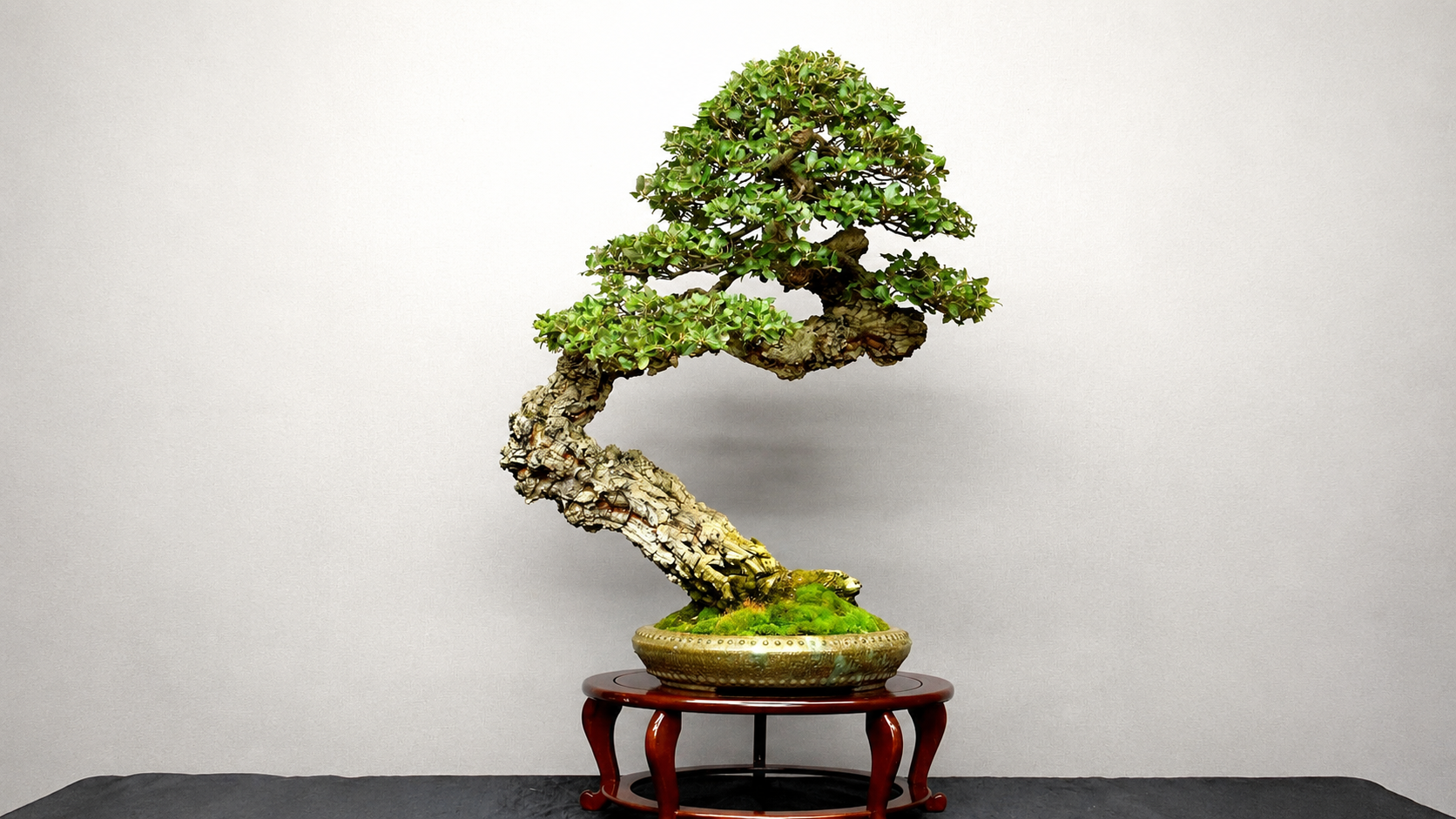
The transmission of bonsai knowledge across generations and across cultures depends less on technique manuals than on this fundamental orientation toward the trees themselves. Skills matter, certainly. But without the underlying affection that drives daily observation, those skills remain hollow. The trees know the difference, even if we sometimes pretend otherwise.
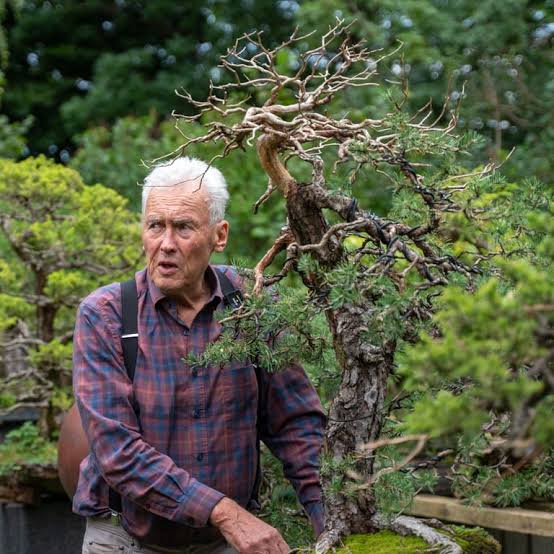
Related reading: For more on the philosophy of individual tree character versus formulaic styling, see our profile of Walter Pall.
Actionable takeaway: This week, spend five minutes daily observing your trees without performing any tasks. Note one qualitative change per tree, focusing on details you’d normally miss while busy with maintenance. After two weeks, review your notes to identify patterns invisible to rushed observation.
This article was created with AI assistance by the Bonsai World editorial team.