
The Luxury of Patience: What High-End Automotive Craftsmanship Teaches Us About Bonsai Culture
We’ve always maintained that bonsai is as much about philosophy as it is about horticulture, and a recent conversation between automotive journalists and luxury car executives has crystallized something we’ve been arguing for years: the patience, precision, and generational thinking that define true craftsmanship transcend industries. When representatives from Aston Martin recently drew parallels between their hand-finished vehicles and the art of bonsai, they weren’t simply making a flattering comparison. They were pointing to a shared ethos that many Western bonsai practitioners still don’t fully grasp.
Our Take: Why Speed Kills Bonsai
The connection is deeper than most realize. In our view, the single greatest mistake modern bonsai enthusiasts make is pursuing rapid development at the expense of refinement. We see it constantly in forums and at club meetings: growers obsessing over thickening trunks in three years, forcing back-budding with aggressive fertilization, or wiring young material into complex shapes before the tree has earned its structure. This is the horticultural equivalent of slapping a body kit on a economy car and calling it a supercar.
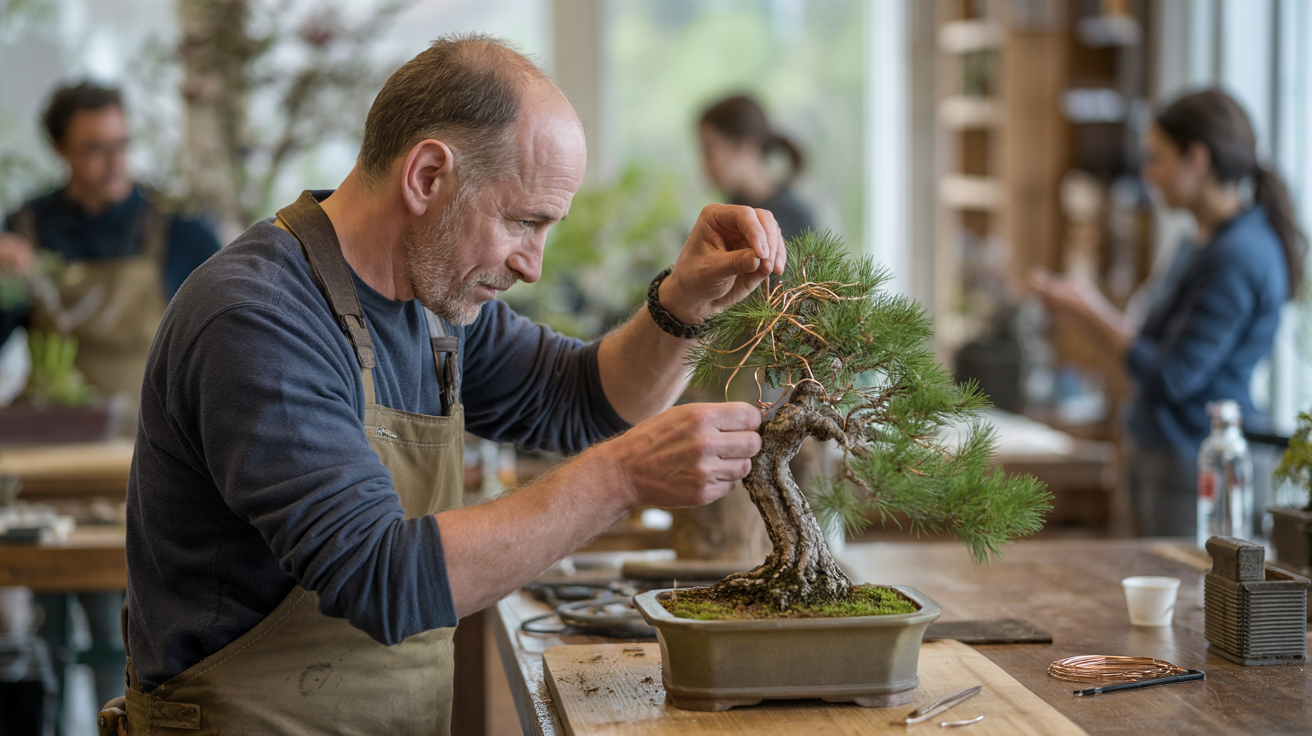
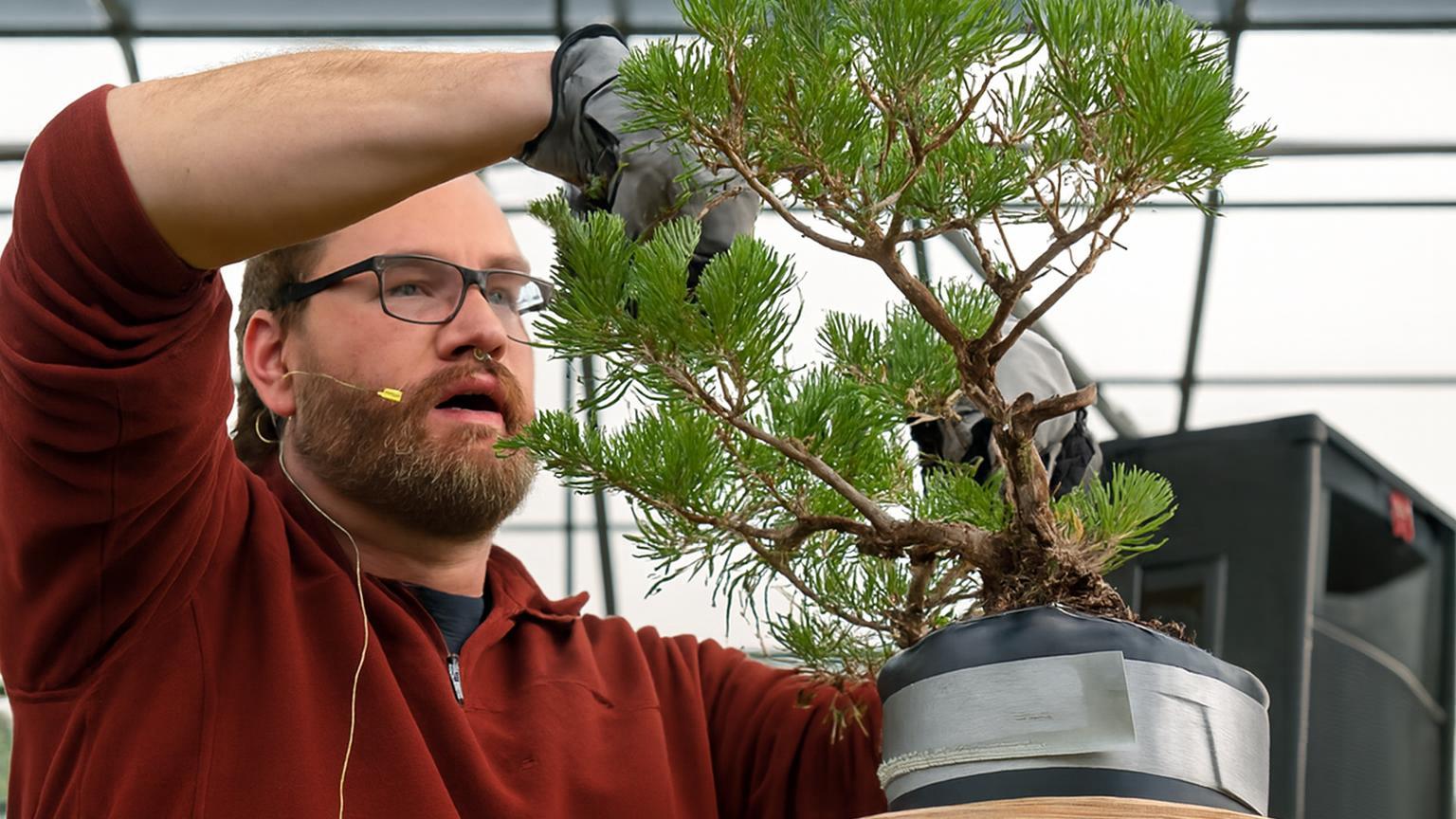
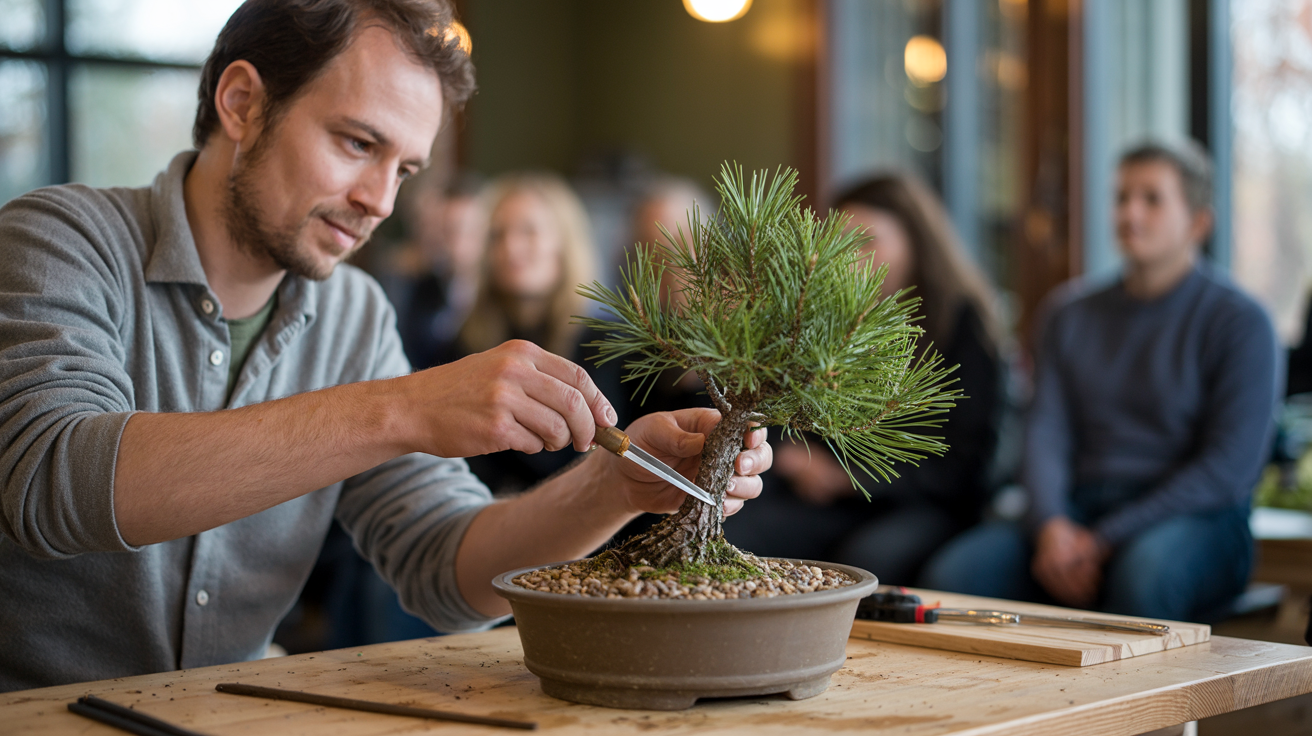
What luxury automotive craftsmanship understands—and what traditional Japanese bonsai masters have always known—is that quality emerges from iterative refinement over extended timeframes. An Aston Martin door handle goes through dozens of finishing stages. A mature Japanese Black Pine bonsai undergoes candling, needle plucking, and selective pruning in carefully timed sequences spanning decades. Both demand what we would argue is the rarest commodity in contemporary culture: patient, deliberate attention.
The Technique Most Guides Overlook
Here’s what the glossy bonsai books consistently get wrong about refinement pruning on deciduous trees, particularly Japanese Maple cultivars like ‘Deshojo’ or ‘Kiyohime’: they tell you to prune back to two leaves after spring growth hardens, usually in June. That’s not incorrect, but it’s incomplete.
The refinement step almost no one mentions is the autumn edit. In October, after leaf color develops but before leaf drop, walk around your maple and identify every branch segment that grew longer than one internode despite your June pruning. Mark these mentally or with small tags. After leaf drop in November, remove these entirely at their base—not just cutting them back, but eliminating them as if they never existed.
Why does this matter? Because those vigorous shoots represent the tree’s attempt to escape your design. If you simply shorten them year after year, you’re fighting the tree’s energy distribution. By removing them completely once annually, you redirect that energy into the refined branch structure you’ve been cultivating. This is precision editing, not brute force reduction.
What This Means for Your Practice
The lesson from luxury craftsmanship isn’t about expense or exclusivity. It’s about recognizing that meaningful work happens in stages, often invisibly, and that each stage must be completed properly before the next begins. We cannot wire a sapling into an ancient form any more than we can spray-paint primer and call it a hand-rubbed finish.
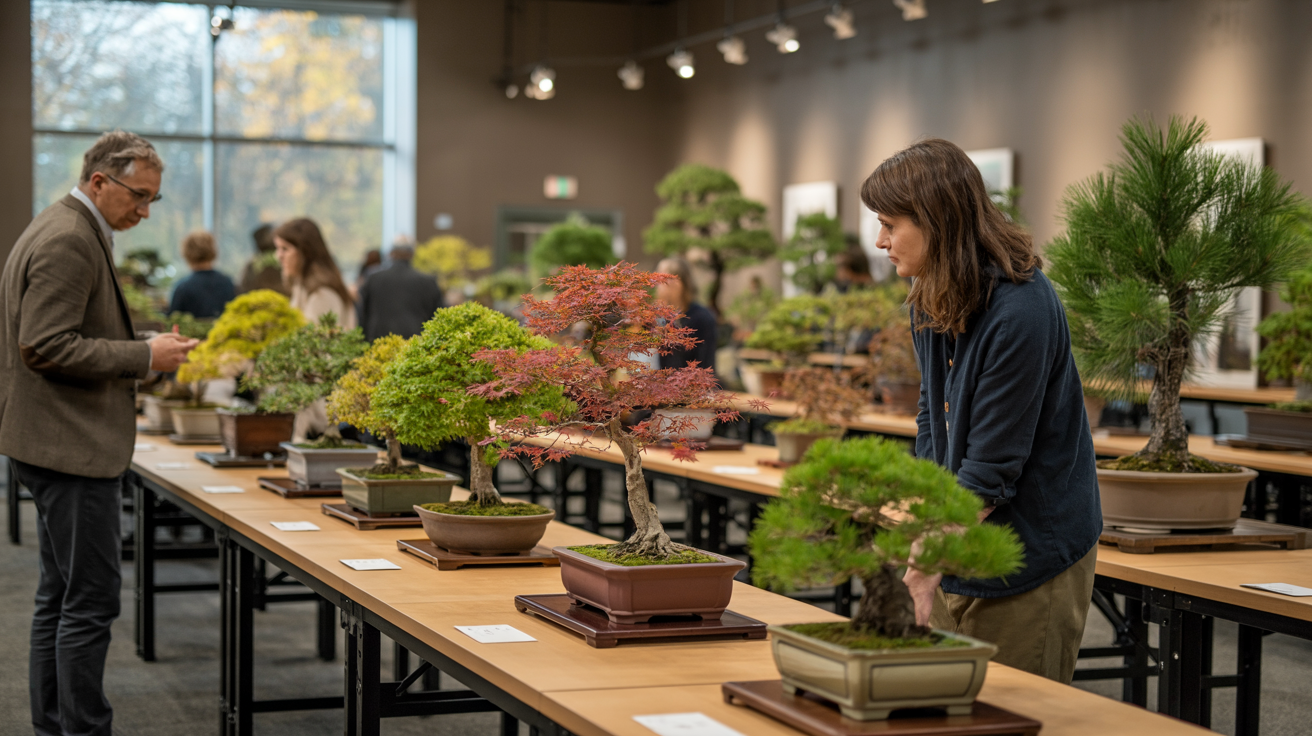
For intermediate growers especially—those past the initial survival phase but not yet creating exhibition-quality trees—this reframing matters enormously. Your three-year-old trident maple doesn’t need more fertilizer or a bigger pot. It needs you to slow down and ask whether its current branch structure deserves refinement or whether you’re still in the rough structural phase. These are fundamentally different operations requiring different techniques and different timelines.
Actionable Takeaway
This week, photograph your three most developed trees from four angles. Don’t touch them for three days, then review the photos and write down honestly which developmental phase each tree occupies: initial trunk building, primary branch structure, secondary ramification, or true refinement. Most growers will discover they’ve been applying refinement techniques to trees still in structural development, or worse, still building trunks. Match your intervention to the tree’s actual developmental stage, not the stage you wish it had reached.
Patience isn’t passive. It’s the active choice to work at the pace quality demands.
This article was created with AI assistance by the Bonsai World editorial team.