
Why We Should Stop Calling Beginners “Beginner-Friendly”
We at Bonsai World have a bone to pick with the phrase “beginner-friendly.” When we came across the recent workshop announcement from the Davao Bonsai Society, we found ourselves nodding at the enthusiasm but cringing at the terminology. The issue is not with workshops themselves—they are essential—but with how we frame them. By labeling activities as beginner-friendly, we unconsciously reinforce the myth that bonsai has rigid skill tiers, when the reality is far more nuanced.
Here is what most guides get wrong: they assume beginners need simplified techniques rather than fundamental understanding. A new practitioner does not need a watered-down version of wiring; they need to understand why wire gauge matters for branch thickness, and why aluminum works better than copper for their first attempts on a Ficus retusa. The difference is profound. One approach treats newcomers as incapable, the other as uninformed but fully capable of learning proper technique from day one.
The Fundamentals Are Not Simple—They Are Essential
In our view, what workshops should emphasize is not ease but essentialness. Take root pruning during repotting, a task that terrifies many newcomers. The standard beginner advice is to “trim lightly” or “remove only damaged roots.” This is not wrong, but it is incomplete and breeds hesitation. What we would argue is more valuable: teach new growers to identify the difference between fine feeder roots and structural roots on their specific species, then demonstrate the one-third rule with precision.
Here is a concrete technique we recommend for workshop settings: When repotting a tropical species like Premna microphylla or Wrightia religiosa during the growing season—late spring through early summer in most climates—use a root hook to gently comb out the outer third of the root ball in a radial pattern. Remove no more than one-third of the total root mass, focusing on circling roots and those growing straight downward. Leave the nebari zone largely intact unless you are specifically developing surface roots. This is not beginner-friendly advice; this is foundational technique that applies whether you have been growing for six months or sixteen years.
What Davao Gets Right
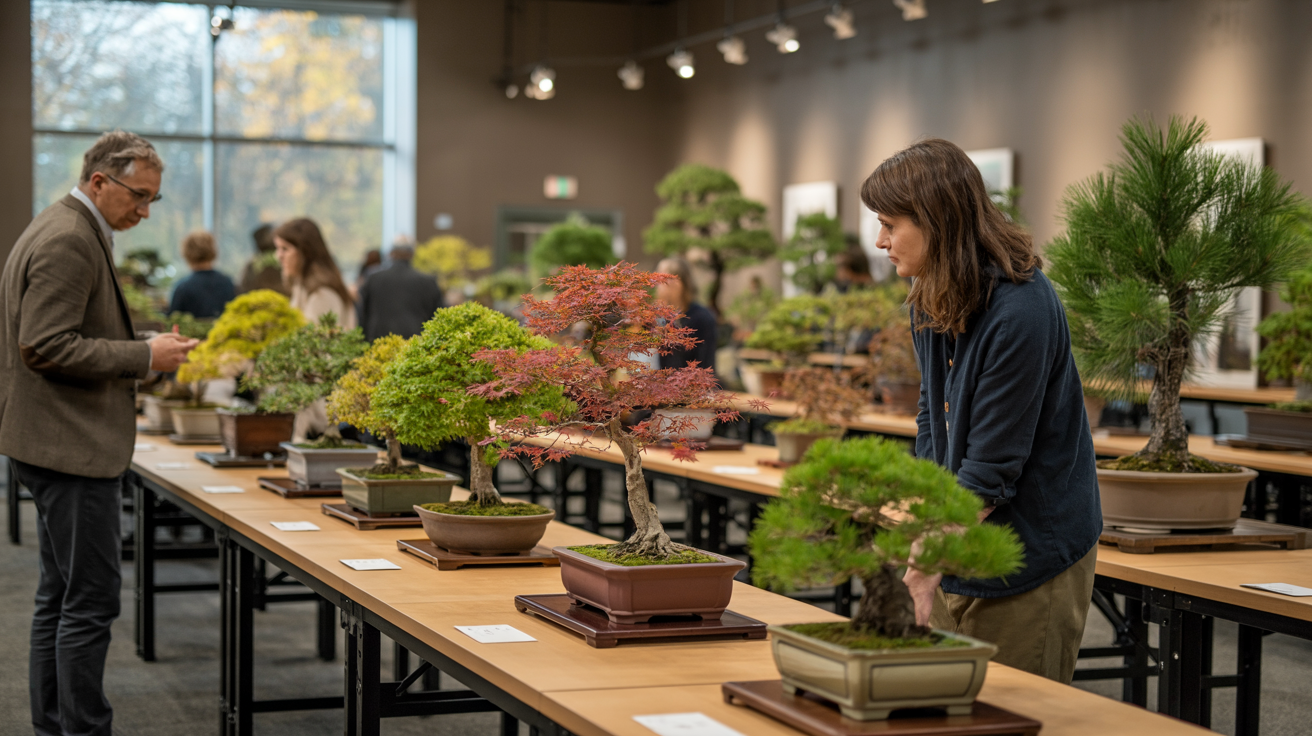
The value of regional workshops like those organized by societies in Davao and elsewhere is not merely educational—it is cultural. Bonsai practice varies dramatically by climate, available species, and local horticultural tradition. A grower in the Philippines working with native species like Kamuning or introduced tropicals faces entirely different challenges than someone in temperate zones working with Japanese maples or pines. Workshops that respect this context do not need to be simplified; they need to be specific.
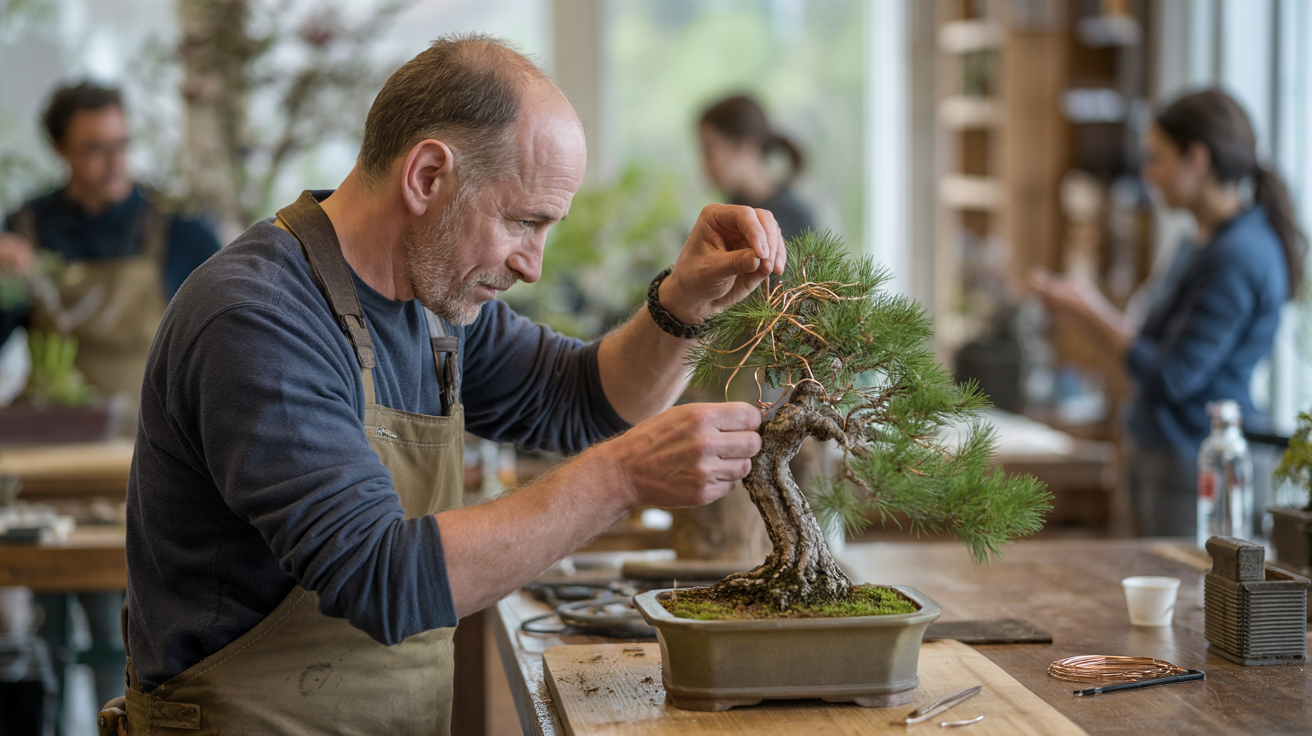
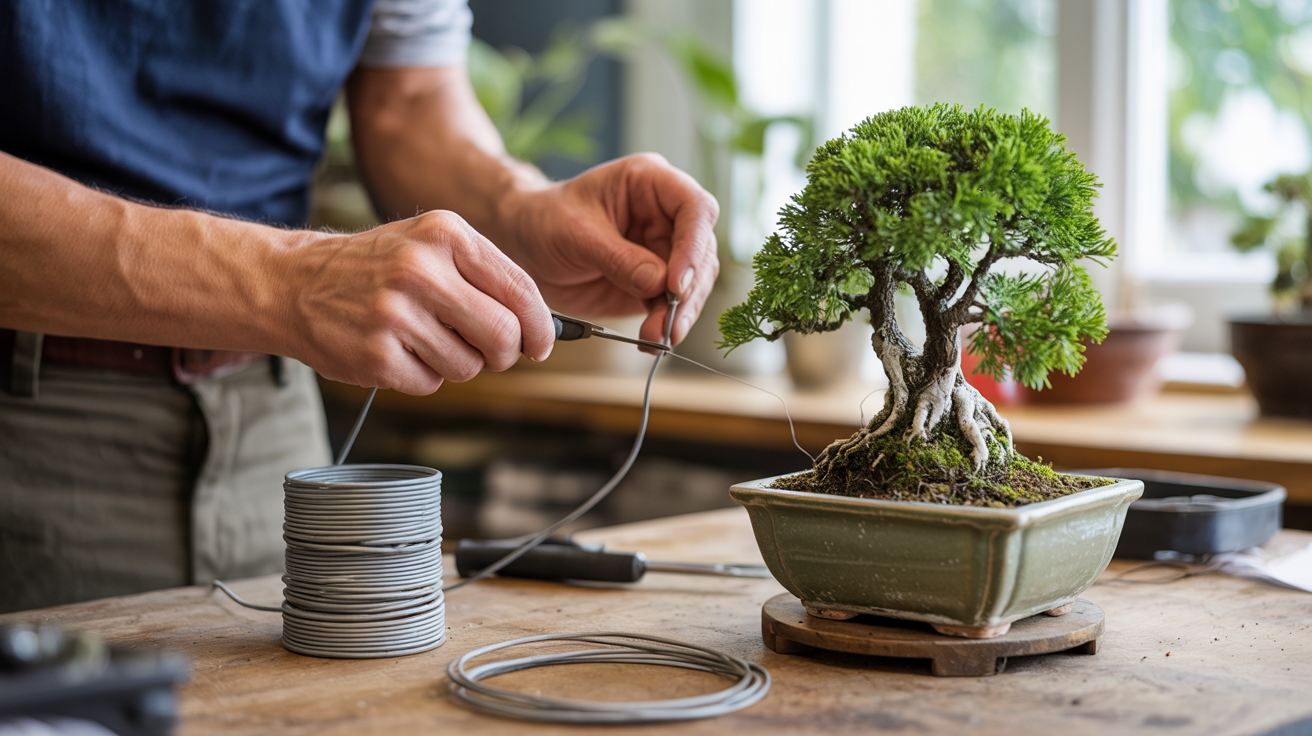
What such gatherings provide is hands-on correction of technique in real time. You can read a dozen articles about proper wiring angle, but until someone physically adjusts your hand position as you wrap 2mm aluminum around a Carmona branch at forty-five degrees, the knowledge remains theoretical. This immediacy is irreplaceable and applies regardless of experience level.
Our Take
Stop segregating bonsai knowledge by perceived difficulty. The fundamentals—understanding growth patterns, seasonal timing, species-specific needs—are what every practitioner requires. A workshop should teach these essentials with rigor and respect for the participant’s intelligence, not with condescension masked as accessibility. As we have explored elsewhere, bonsai without love is just horticulture, and that love develops through genuine understanding, not through being shielded from complexity.
Actionable Takeaway
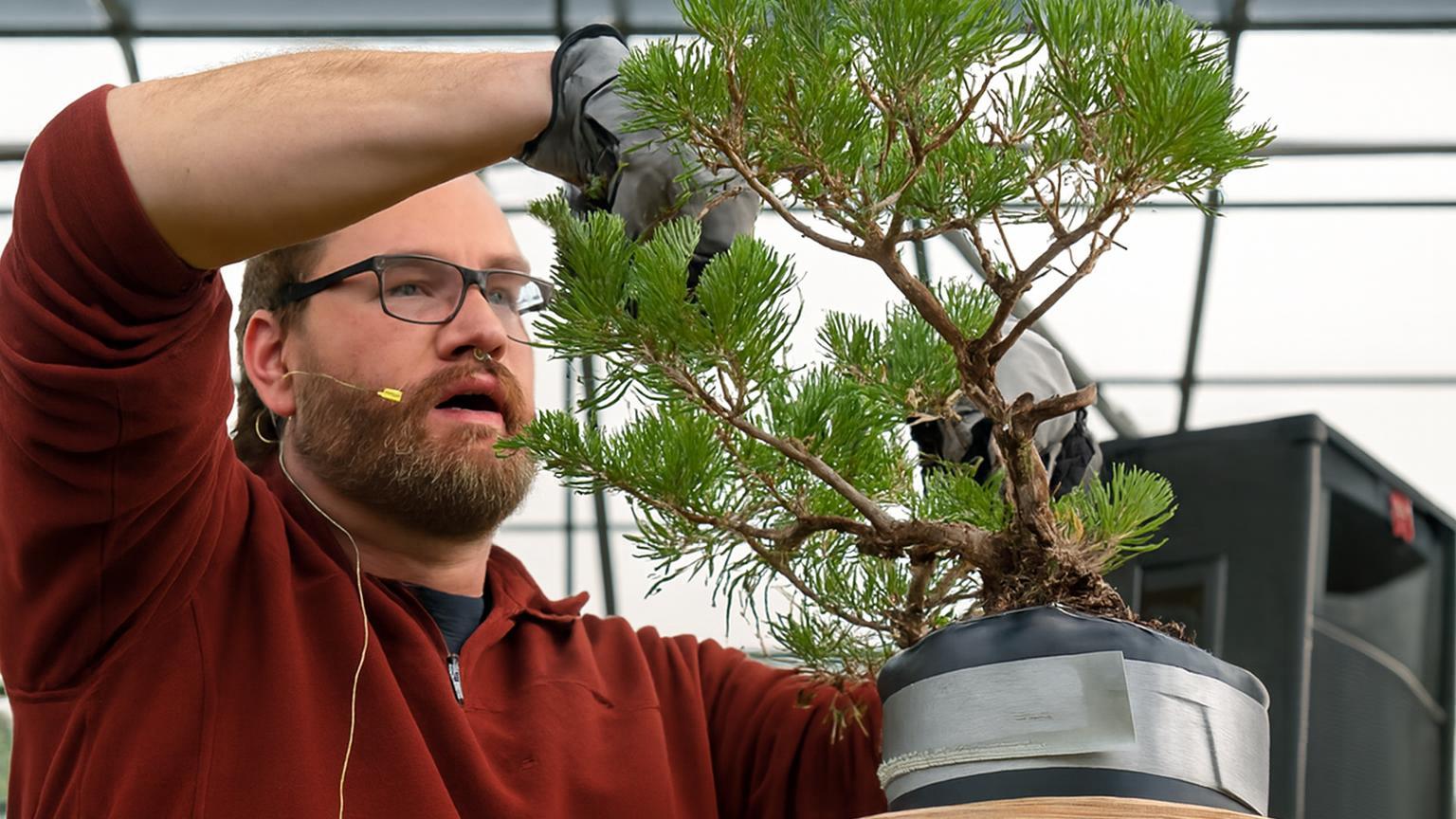
If you are organizing or attending a workshop, push for species-specific instruction. Before the session, identify which trees will be worked on and research their particular growth habits, optimal pruning windows, and root sensitivity. A workshop on “bonsai basics” teaches less than one focused on “spring maintenance for Ficus species” or “structural pruning for deciduous tropicals.” Specificity is not the enemy of accessibility—vagueness is.
This article was created with AI assistance by the Bonsai World editorial team.