
The Arabian Peninsula Is Telling Us Something About the Future of Regional Bonsai
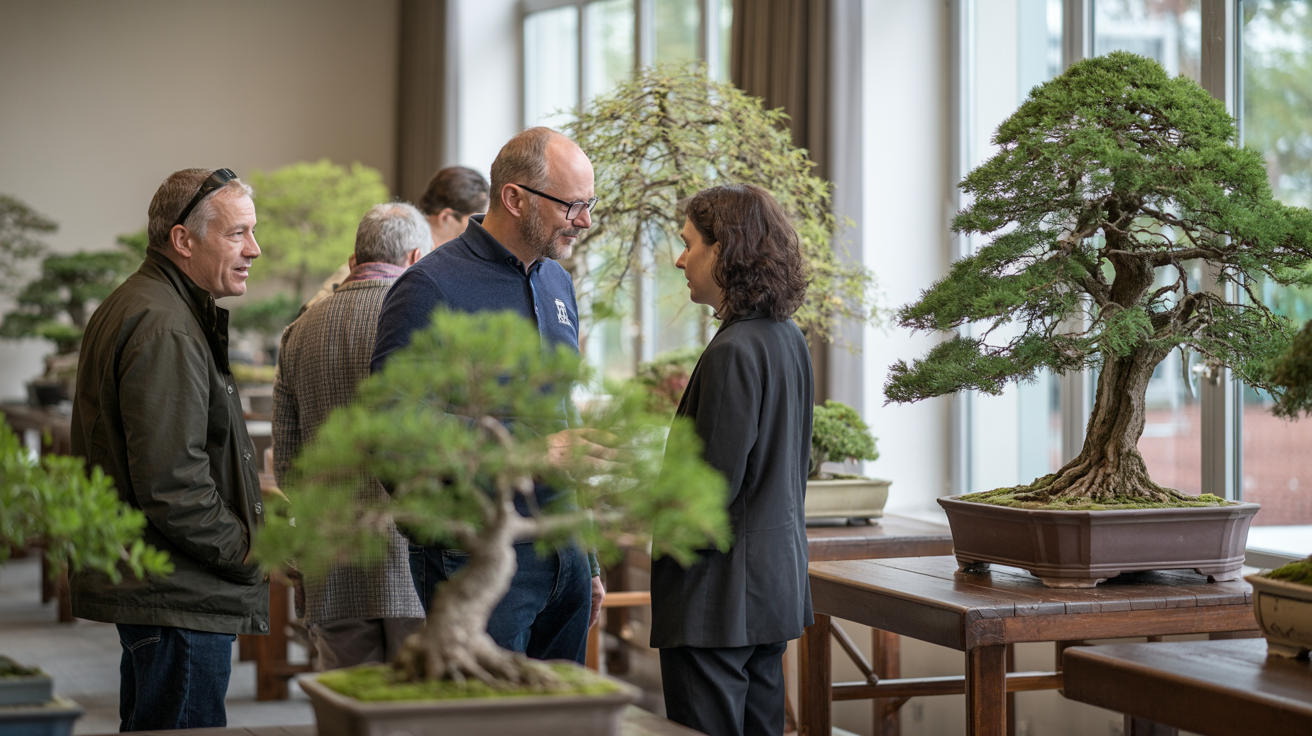
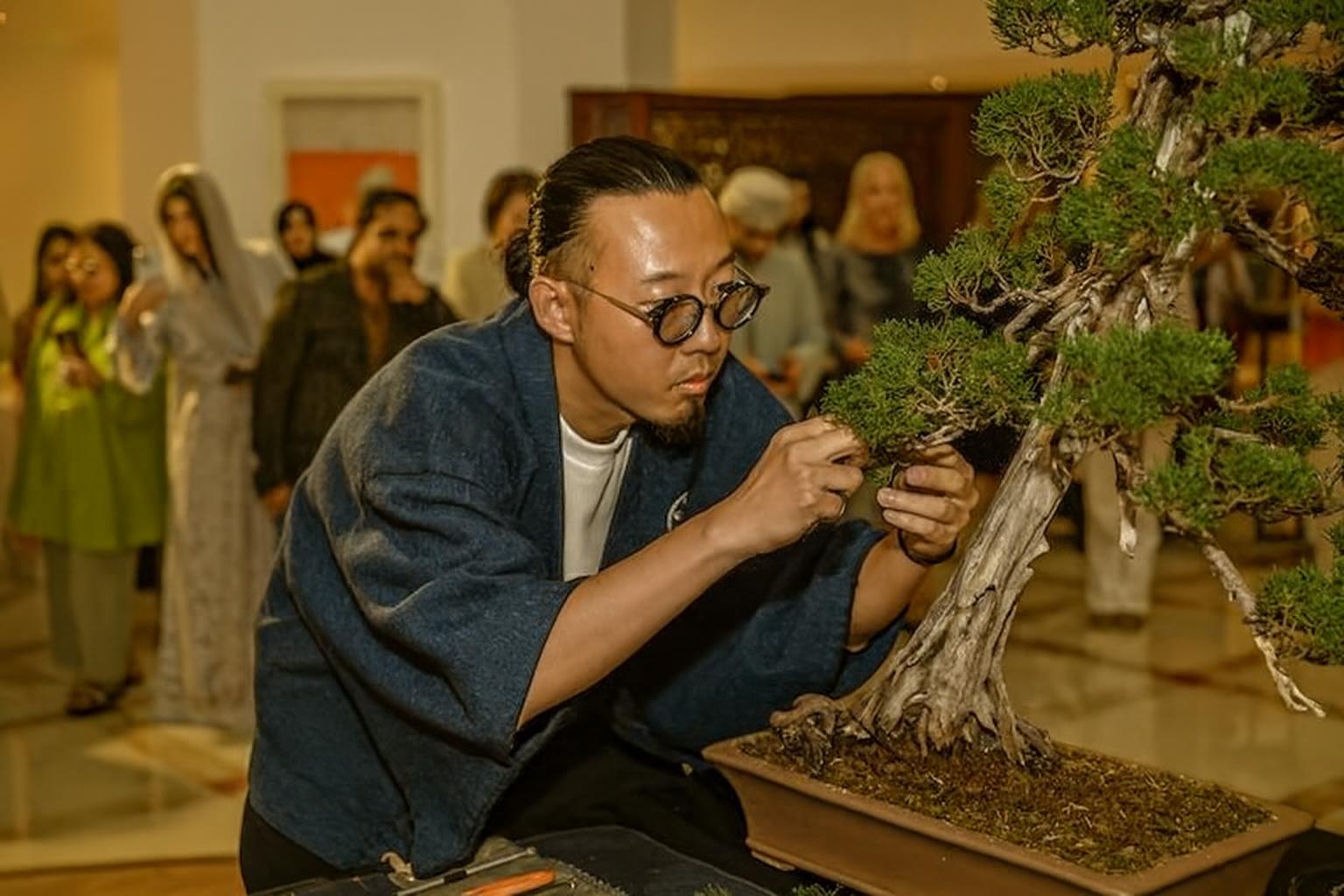
When a bonsai demonstration in Oman sparks genuine conversation about cultivating the country’s native flora in miniature form, the global bonsai community should pay close attention. Not because it is a curiosity from a distant corner of the world, but because it points to something we at Bonsai World have argued for years: the most exciting developments in this art form are not happening in Kyoto or at the major European shows. They are happening at the edges, where practitioners are asking hard questions about what bonsai means when it grows from local soil rather than inherited tradition.
The news out of Muscat, reported by Muscat Daily, describes how a bonsai art demonstration has begun opening doors for the use of Oman’s iconic native species in bonsai practice. That framing — “in-roads for iconic flora” — is doing a lot of work, and it deserves unpacking.
Why Native Species Change Everything
Most introductory bonsai guides make the same error: they treat species selection as a question of availability rather than ecological intelligence. A beginner in the Gulf is told to buy a Ficus microcarpa or a Juniperus procumbens because those are what the nursery stocks. What almost no guide addresses is that the trees native to a given region have already solved the hardest problems a bonsai artist faces: they know the soil pH, the seasonal drought cycle, the humidity swings, the local fungal community. In Oman’s case, species such as Ziziphus spina-christi, the wild sidr tree, or Acacia tortilis are profoundly adapted to arid limestone terrain and punishing summer heat that would devastate a nursery-sourced Chinese elm within two seasons.
Working with those species is not just culturally resonant — it is technically advantageous. In our view, any practitioner in a semi-arid or arid climate who is still defaulting to temperate-climate species is working against the tree rather than with it, and paying for that mistake in failed back-budding, root rot from inappropriate watering schedules, and stunted nebari development.
What Regional Demonstrations Actually Accomplish
There is a reason we have written before about why regional bonsai shows matter more than national exhibitions: local demonstrations create local vocabulary. When a practitioner in Muscat sees a sidr or a wild olive worked into a literati or moyogi form using techniques calibrated to that species’ growth cycle, they gain something no translated Japanese manual can offer — a reference point that belongs to their environment.
This is what makes the Oman demonstration significant beyond its geography. It is a proof-of-concept moment.
A Concrete Starting Point for Arid-Climate Native Bonsai
Establishing a native Omani or arid-region species from collected nursery stock — a practical outline
- Collect in late winter or very early spring, before the tree breaks dormancy but after the coldest nights have passed. For species like Acacia or Ziziphus in the Gulf, this window typically falls between late February and mid-March.
- Use a gritty, alkaline substrate — a mix of 60% pumice, 30% decomposed granite grit and 10% coarse sand reflects the calcareous soils these trees evolved in. Avoid peat entirely.
- Withhold fertiliser for the first full growing season. Natives adapted to nutrient-poor soils can be shocked by nitrogen-heavy feeds into producing soft, uncharacteristic growth that weakens the tree’s long-term structure.
- Prune only in early autumn, once the most intense heat has broken. Cutting during summer stresses the vascular tissue precisely when the tree has the least reserve energy.
Our Take
The Oman story is not a footnote. It is a signal that bonsai’s next creative frontier is regional specificity — practitioners who refuse the default species list and instead ask what their landscape already knows how to grow. We would argue that every national bonsai community should be funding exactly these kinds of local demonstrations, not as outreach, but as genuine research into what the art form can become when it stops being imported wholesale.
Actionable takeaway: If you grow bonsai in a climate that diverges significantly from temperate East Asia, identify one species native to your region today and source a nursery specimen of it before your next growing season begins. Treat the first two years as observation, not styling. The tree will tell you more than any manual.
Source: Muscat Daily
By Redazione Bonsai World
Article researched and written with AI assistance and reviewed by the Bonsai World editorial team.