
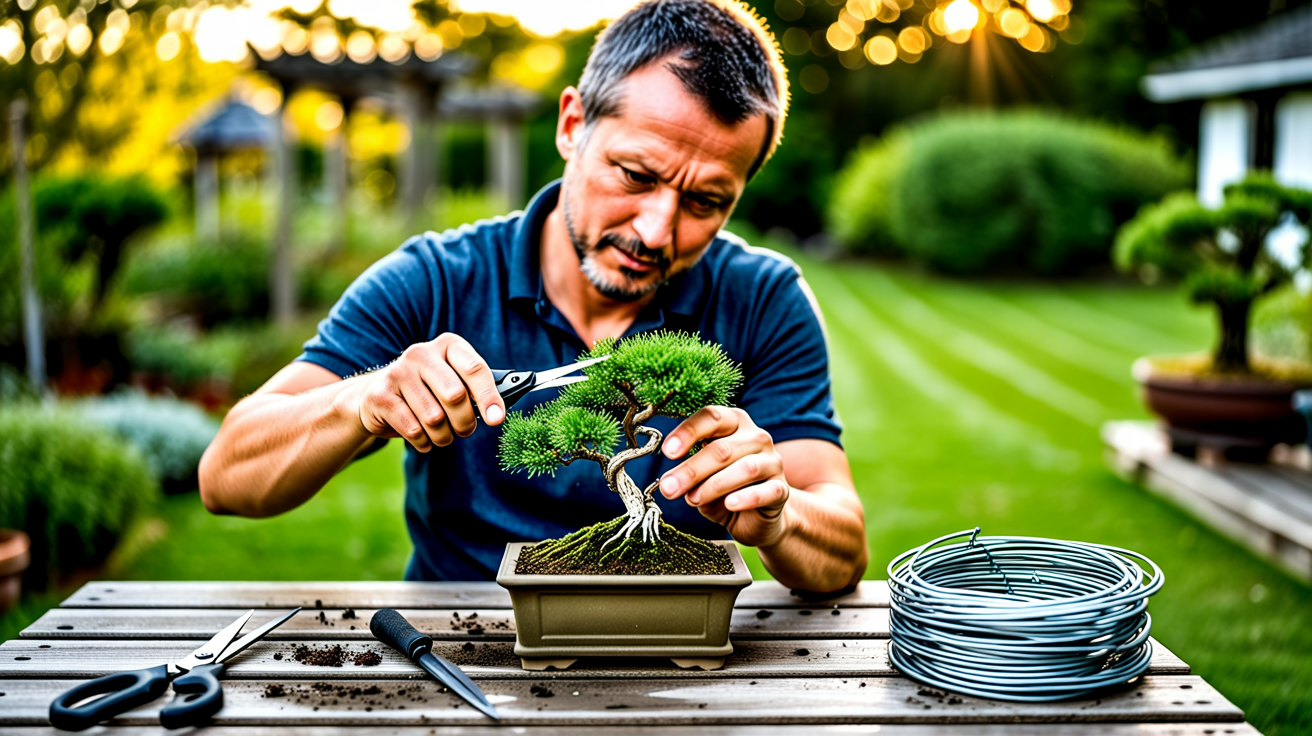
The World Wants Bonsai — Now Comes the Hard Part
Global enthusiasm for bonsai has never been louder. Social media feeds overflow with cascade junipers and windswept pines; auction prices for aged Pinus thunbergii have climbed steadily; workshops in Berlin, São Paulo and Toronto fill within hours of opening registration. But enthusiasm, however genuine, is not infrastructure. And infrastructure — the unglamorous backbone of any living art form — is precisely what the international bonsai community is only now beginning to build in earnest.
We at Bonsai World have watched this gap widen for years. The demand side of the equation is flourishing. The supply side — skilled teachers, quality nursery stock, coherent curricula for beginners, and frankly, an honest conversation about what it takes to keep a tree alive across decades — has not kept pace. That imbalance is the real story behind the wave of new initiatives currently being reported in Japanese horticultural media, where producers and educators are openly framing the next phase of bonsai’s global expansion as a challenge of transmission, not merely promotion.
What Most Beginner Guides Get Badly Wrong
In our view, the single most damaging misconception perpetuated by introductory bonsai content — online and in print — is the idea that species choice is primarily an aesthetic decision. It is not. It is a climate decision. A beginner in coastal Portugal selecting Acer palmatum faces a completely different set of problems than a grower in Osaka working with the same species. The Japanese maple needs genuine winter dormancy, with temperatures dropping reliably below 5 °C for six to eight weeks. Without it, stored carbohydrates are not properly metabolised, spring budding is weak, and the tree enters the growing season already compromised.
Guides that simply say “maples prefer cool conditions” without specifying dormancy requirements in concrete temperature ranges and weeks are not protecting new growers — they are setting them up for slow, invisible failure that only becomes obvious two or three years in, by which point the beginner has often quit.
A Concrete Technique: Timing the First Structural Pruning of Juniperus chinensis
For growers working with Chinese juniper, one of the most globally common training species, the window that most guides misidentify is structural pruning timing. The instinct is to prune in spring alongside repotting. We would argue strongly against doing both simultaneously on any juniper under five years of age in training.
- Repot in early spring — late February to mid-March in temperate Northern Hemisphere climates — before bud extension begins.
- Allow the tree a full growing season to recover root mass. Do not fertilise with high-nitrogen feed until new growth has hardened off in early summer.
- Perform first structural pruning in late summer, specifically August, when the tree is metabolically active but not pushing vigorous new extension. Wounds callous more reliably, and you can read the tree’s actual ramification clearly once spring energy has settled.
- Wire in September, after pruning wounds have begun to close, using anodised aluminium wire at a ratio of one-third the branch diameter.
Separating these two stressful interventions by one full season routinely produces noticeably stronger branching structure by year two. It is unglamorous advice, but it is the kind of practitioner knowledge that a genuinely expanding global community needs codified and shared.
Our Take
The growth of bonsai outside Japan is real and it is welcome. But growth without transmission infrastructure produces enthusiasts who burn out on dead trees. The next decade’s challenge is building serious educational pipelines — not just aesthetically beautiful Instagram content. As the global collector base grows, so too do the responsibilities of stewardship, which extend well beyond technique into security and continuity, a subject we examined in depth in our piece Your Bonsai Is a Target: What the Yamato Thefts Should Force Every Collector to Confront.
Actionable Takeaway
If you are currently growing Juniperus chinensis or any broadleaf deciduous species in training, write the words “no simultaneous stress” somewhere visible in your workspace. Repotting season and structural pruning season should not overlap. Schedule them on a calendar today, and commit to the gap.
By Redazione Bonsai World
Article researched and written with AI assistance and reviewed by the Bonsai World editorial team.