
Bonsai as Medicine: Why the Therapeutic Dimension of Our Art Deserves More Than a Footnote
We spend a great deal of time in these pages discussing nebari development, soil particle size, and the precise timing of back-budding on Juniperus chinensis. What we talk about far less — and what we would argue deserves a permanent seat at the table — is what bonsai actually does to the person growing it. A recent charitable sale of handcrafted therapeutic bonsai pieces by students in Taiwan, reported by 中華日報, has nudged us to finally say out loud what many growers quietly know: the act of shaping a small tree is genuinely restorative, and the horticultural therapy community has been ahead of the traditional bonsai world on this for years.
What Most Bonsai Guides Get Wrong About Beginner Practice
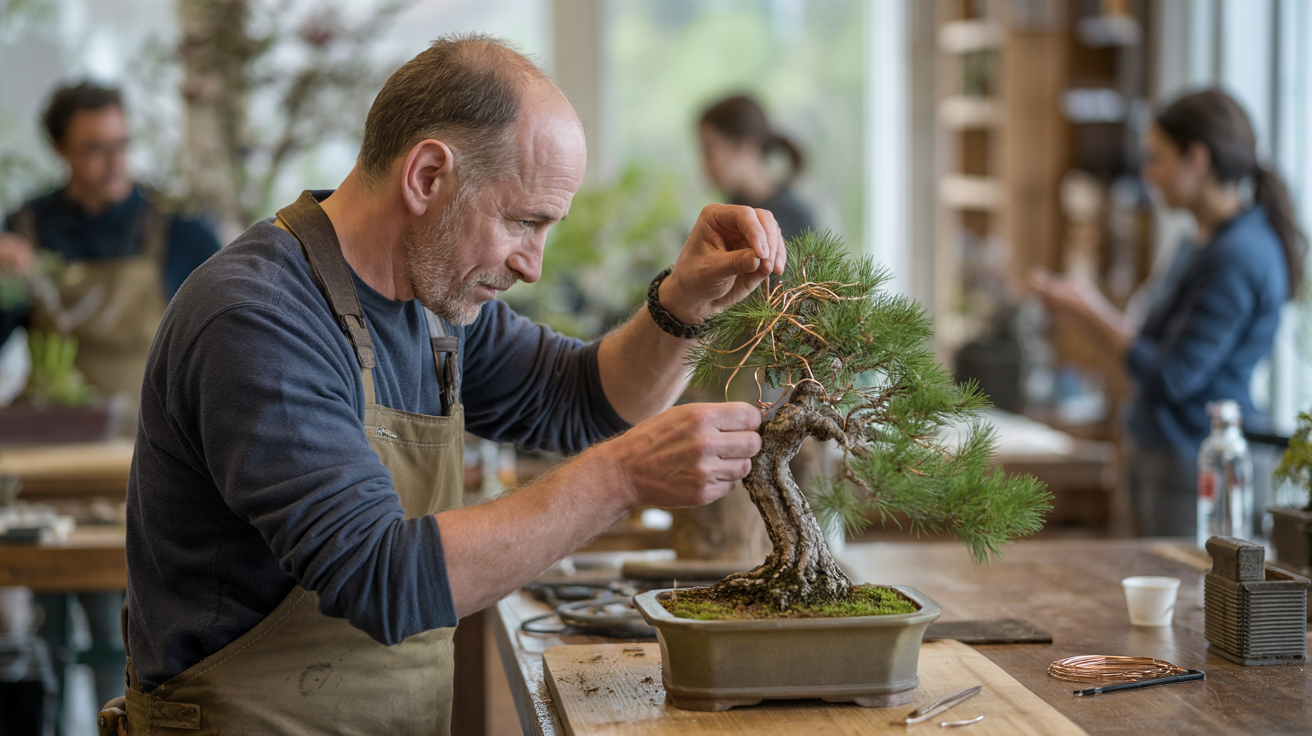
The standard introductory guide frames early bonsai work as a skill-acquisition problem. Buy a juniper, learn the clip-and-grow method, don’t overwater. What that framing misses entirely is the psychophysiological mechanism at work when someone spends forty minutes wiring a small Ficus retusa into its first formal upright silhouette. The focused, repetitive fine-motor engagement — bending wire at roughly 45-degree angles along each branch, working from the trunk outward and always keeping the wire anchored before bending — activates the same attentional pathways that meditation researchers associate with stress reduction. We are not being sentimental here. This is measurable, and horticultural therapy programmes in Japan, South Korea, and increasingly Taiwan have been measuring it.
The mistake most guides make is treating calmness as a side effect of bonsai rather than one of its core products. That inversion matters because it changes how we teach beginners, how we structure workshops, and — critically — how we design the physical spaces where people practice. On that last point, we’d point readers toward our earlier piece on Why Architects Designing Bonsai Shelters Should Make Every Grower Stop and Think, which touches on how environment shapes the experience of practice in ways growers rarely consider.
Our Take: Therapeutic Intent Is Not a Dilution of the Craft
Some purists bristle at the phrase “therapeutic bonsai,” as though pairing the art with wellness language somehow diminishes centuries of Japanese and Chinese horticultural tradition. We think that reaction gets the history exactly backwards. The contemplative dimension of penjing and bonsai was never incidental — it was structural. Scholars in the Song dynasty weren’t cultivating miniature landscapes purely as horticultural exercises. The stillness was the point.
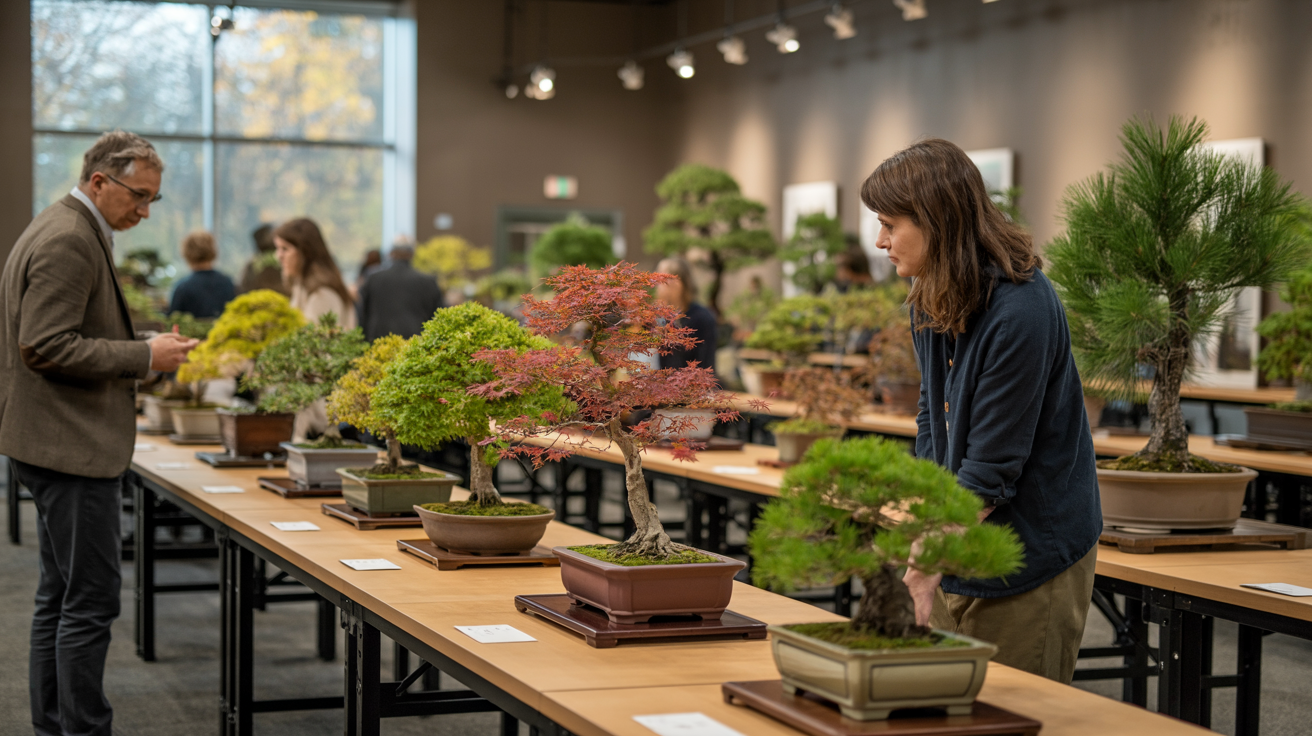
What the Taiwanese students’ charitable project does — whether its organizers frame it this way or not — is make that original intention legible to people who would never walk into a traditional bonsai club. That is not a threat to the art. It is, in our view, one of its most effective recruitment tools.
One Concrete Technique: The Slow-Wire Mindfulness Session
- Choose a single, small deciduous subject — Zelkova serrata works well in autumn after leaf drop, when branch structure is fully visible.
- Select only one branch to wire per session, deliberately. Do not rush to finish the tree.
- Cut a length of anodised aluminium wire at twice the length of the branch. Anchor it at the trunk, then coil at 45 degrees toward the tip without exceeding the wire’s gauge limit for that branch thickness.
- After wiring, sit with the tree for five minutes before moving on. Look at the new line. Adjust nothing. This pause is part of the technique.
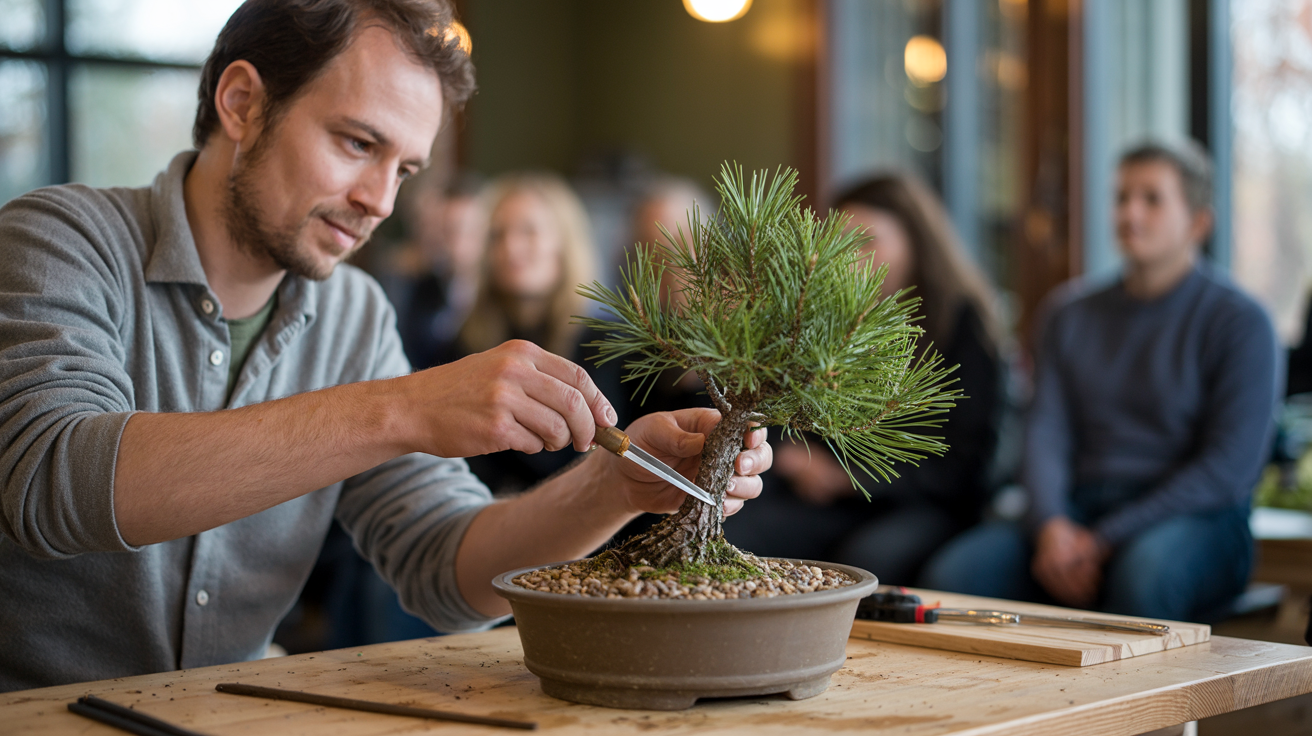
This single-branch approach runs counter to most workshop formats, which push students to wire an entire tree in one sitting. We’d argue the slower method produces better wire placement and — just as importantly — a calmer, more attentive grower.
Actionable Takeaway
Today, before your next session, set a timer for three minutes and simply observe your tree without tools in hand. Note one branch whose movement you haven’t consciously registered before. Then pick up the wire. Attention precedes technique — and therapeutic bonsai practice is really just that principle taken seriously.
By Redazione Bonsai World
Article researched and written with AI assistance and reviewed by the Bonsai World editorial team.