
Your Bonsai Is a Target: What the Yamato Thefts Should Force Every Collector to Confront
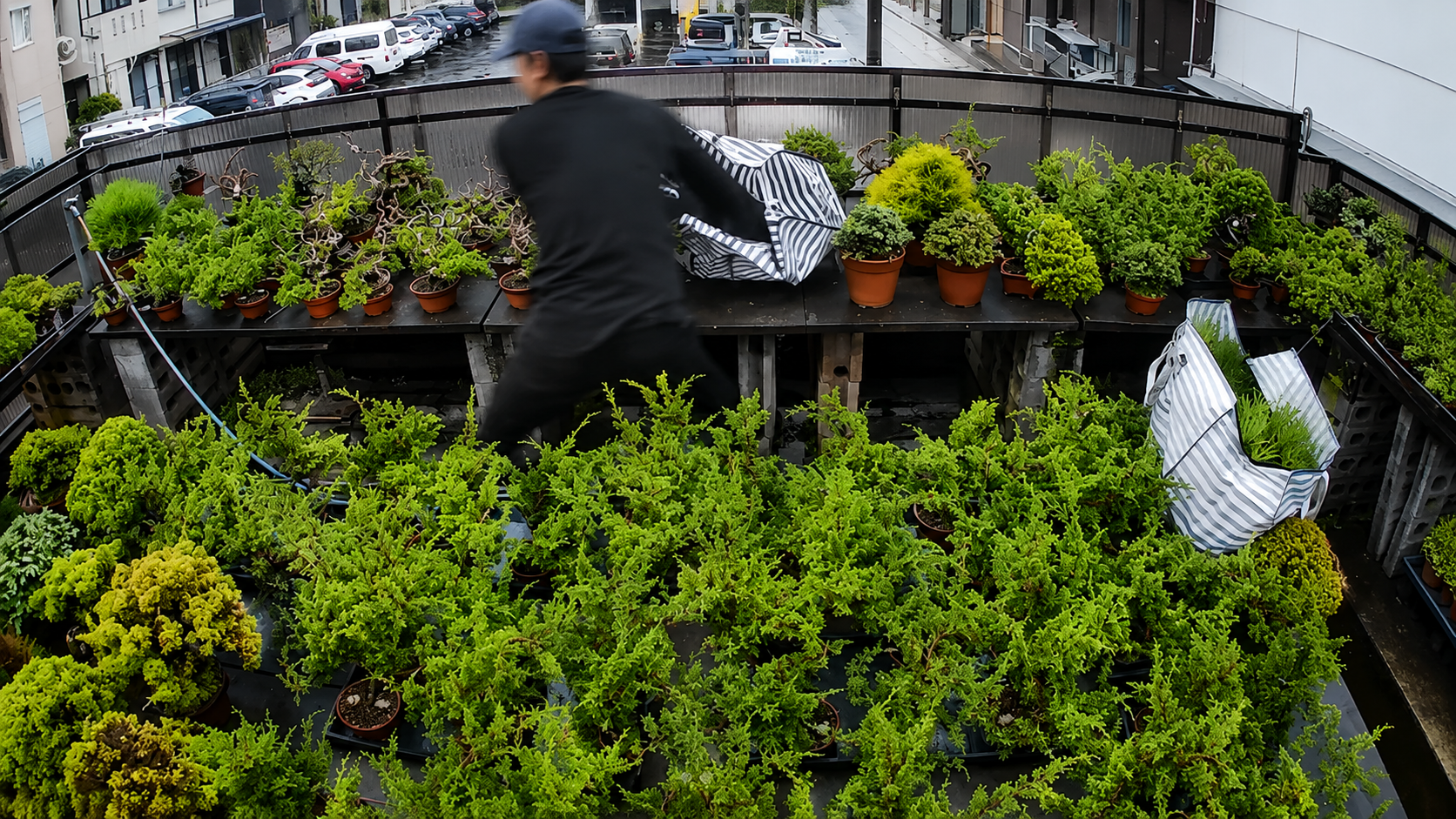
We have watched the bonsai community grow beautifully over the past decade — more practitioners, more international interest, more willingness to invest serious money in collected material and refined stock. That growth, however, carries a shadow most enthusiasts would rather not discuss: high-value bonsai are now explicitly on the radar of organised theft. A recent incident in Yamato City, Kanagawa Prefecture, in which premium bonsai were bagged and removed in under sixty seconds — reported by NTV News NNN and covered on Yahoo! News Japan — is not an isolated curiosity. It is a signal.
One minute. That is all it took. The specificity of that detail matters enormously and is precisely what most security conversations in our hobby skip over. We tend to imagine theft as a clumsy, opportunistic act. What the Yamato case illustrates is premeditation: someone who already knew which trees were worth taking, who came equipped to move them fast, and who understood that outdoor bonsai displays — even at reputable premises — offer almost no physical resistance. A five-needle pine (Pinus parviflora) aged thirty years and potted in a Tokoname ware container is simultaneously irreplaceable to its keeper and anonymous to a secondhand buyer who doesn’t ask questions.
What Most Security Guides Get Wrong
The standard advice circulating in bonsai forums is to photograph your trees for insurance purposes. That is necessary, yes, but it is almost entirely reactive. Photographs help you file a claim; they do not stop a theft that takes fifty-eight seconds from gate to getaway. The framing is wrong. We would argue the community needs to shift its thinking from documentation to deterrence, and deterrence has to be physical, visible and immediate.
The detail that most generic summaries miss here is the bagging method. Placing trees directly into pre-prepared bags suggests the perpetrators rehearsed the action or at minimum scouted the location beforehand. That means the vulnerability window begins long before the night of the theft — it begins the moment your display is visible from a public vantage point. A prominently displayed Juniperus chinensis or a flowering Prunus mume in early February bloom is, to the wrong eye, a walking price tag.
One Concrete Step: Anchor Before Display Season
This is something growers can act on immediately. Before the spring display season — when trees are at their most visually compelling and most likely to be shown outdoors — physically secure any pot valued above your personal loss threshold using a purpose-made stainless-steel cable and a masonry anchor point. The cable loops through the drainage hole and around the pot’s foot ring, then locks to a fixed structure. It will not stop a determined thief with cutting tools, but it will absolutely defeat a sixty-second smash-and-grab. Combined with a motion-activated floodlight positioned at ankle height — which illuminates without creating a convenient shadow for someone crouching — you significantly raise the effort cost of the crime.
We also think it is worth naming something the security conversation tends to overlook: the emotional dimension of losing a tree you have shaped over decades is genuinely distinct from losing a stolen bicycle. Our community has begun to articulate what trees mean to their keepers, and if you want to explore that dimension further, our own piece on Bonsai as Medicine: Why the Therapeutic Dimension of Our Art Deserves More Than a Footnote lays out why that bond is not sentimental excess but something worth protecting structurally.
Our Take
The Yamato theft is a wake-up call that should travel well beyond Kanagawa. Premium bonsai — particularly aged conifers, literati-style pines, and any tree in a signed antique container — now represent a theft category, not just a collector’s concern. The market has matured enough that stolen material can move. Our community’s security thinking has not kept pace, and that gap is the real story.
Actionable takeaway: Before you move a single tree outdoors this season, spend thirty minutes auditing your display from the street. If you can identify your three most valuable trees in under ten seconds from the pavement, so can someone else. Rearrange, screen, or secure accordingly — today, not after the loss.
By Redazione Bonsai World
Article researched and written with AI assistance and reviewed by the Bonsai World editorial team.