
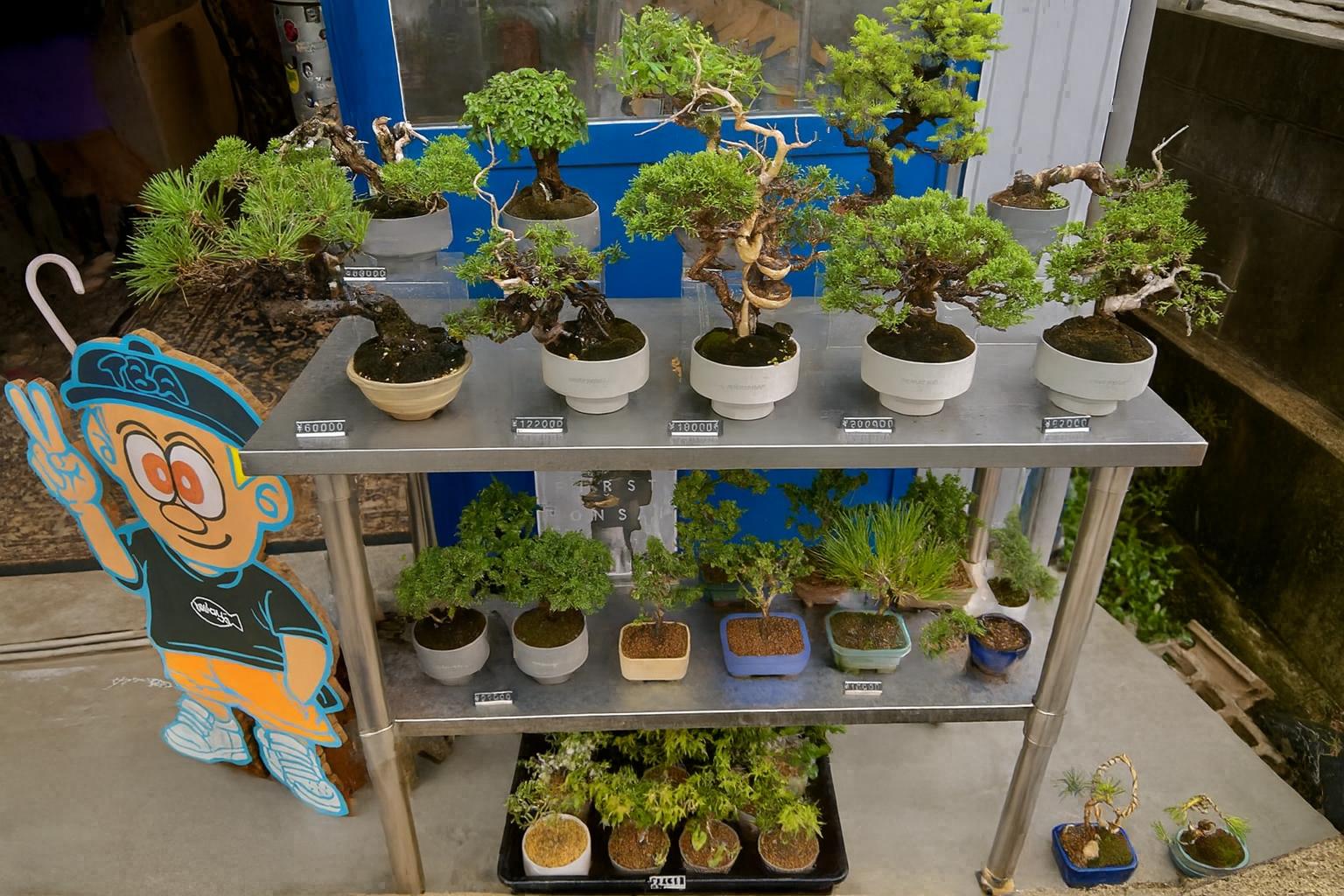
Why Bonsai Belongs in the Boutique: The Case for Curated Retail as a Gateway to the Craft
There is a quiet but significant shift happening in how people first encounter bonsai, and we think the bonsai community should be paying close attention. Select shops — the kind of carefully curated, design-forward boutiques that stock ceramics alongside skincare, art books alongside houseplants — are increasingly giving shelf space to living bonsai. A recent report from Saga, Japan, highlighted a select shop called todays stocking bonsai alongside its other curated goods, as covered by the Saga Keizai Shimbun. That detail — a boutique retailer, not a nursery, not a specialist garden centre — is the one worth sitting with.
What Most Guides Get Wrong About Entry-Level Bonsai
The conventional wisdom in bonsai education is that beginners should start with forgiving, fast-growing species: Chinese elm (Ulmus parvifolia), Japanese juniper (Juniperus procumbens), or Ficus retusa for indoor environments. This is sound advice, but it assumes the new grower has already made an intentional choice to learn bonsai. What the boutique retail model does differently is intercept a person before that intention exists. They came in for a candle or a linen shirt; they leave holding a Serissa foetida in a glazed pot.
The problem is that most of these impulse-acquired trees are species that punish inconsistent care. Serissa, for all its charm, drops leaves aggressively in response to changes in light or humidity — a near-guarantee of failure for someone who has no idea what they bought. If boutique retail is genuinely going to function as a gateway, the species selection on those shelves matters enormously. In our view, shops stocking bonsai have an ethical responsibility to prioritise Ficus retusa or Crassula ovata (jade) over more temperamental species, simply because the chance of a second purchase — and a converted hobbyist — depends on that first tree surviving past spring.
The Opportunity Hidden Inside the Lifestyle Market
We would argue that this trend is one of the most structurally important things happening in bonsai right now. The traditional pipeline — enthusiast club, specialty nursery, years of patient study — produces deeply knowledgeable growers but very few of them. The boutique pipeline is messier, produces more dead trees in the short term, and carries real risks of the craft being trivialised. But it also reaches people in their twenties and thirties who would never walk into a bonsai nursery, and some fraction of them will go deeper. For more on this tension between accessibility and depth, we’d point readers to our own analysis: The World Wants Bonsai — Now Comes the Hard Part.
One Concrete Technique: The First-Week Protocol for a Boutique-Bought Bonsai
If you or someone you know has just brought home a bonsai from a select shop, here is what to do in the first seven days — before touching soil, wire, or scissors:
- Day 1–2: Place the tree in its brightest available indoor position, but avoid direct afternoon sun through glass, which amplifies heat. Do not repot.
- Day 3: Water thoroughly until water drains from the pot base. Lift the pot — note the weight. This becomes your reference point for when to water next.
- Day 4–6: Observe only. Note which leaves look turgid versus limp at the same time each morning. Do not fertilise yet.
- Day 7: Check root drainage. If water sits in a decorative outer pot, remove it. Standing water is the single most common cause of root rot in first-time bonsai ownership.
Our Take
Boutique retail is not a threat to serious bonsai culture — it is an imperfect but real recruitment mechanism. The community’s energy should go not into dismissing it, but into ensuring the species on those shelves are survivable and the care cards attached to each tree are honest. One accurate humidity range printed on a label saves more trees than a thousand forum posts.
Actionable takeaway: If your local independent shop stocks bonsai, offer to write their care cards for free. Species-specific, season-aware, plain-language. It costs you an afternoon and it might make someone a bonsai grower for life.
By Redazione Bonsai World
Article researched and written with AI assistance and reviewed by the Bonsai World editorial team.