
From Paddy Fields to the Digital Marketplace: What Vietnamese Bonsai Farmers Can Teach Us About Selling the Craft
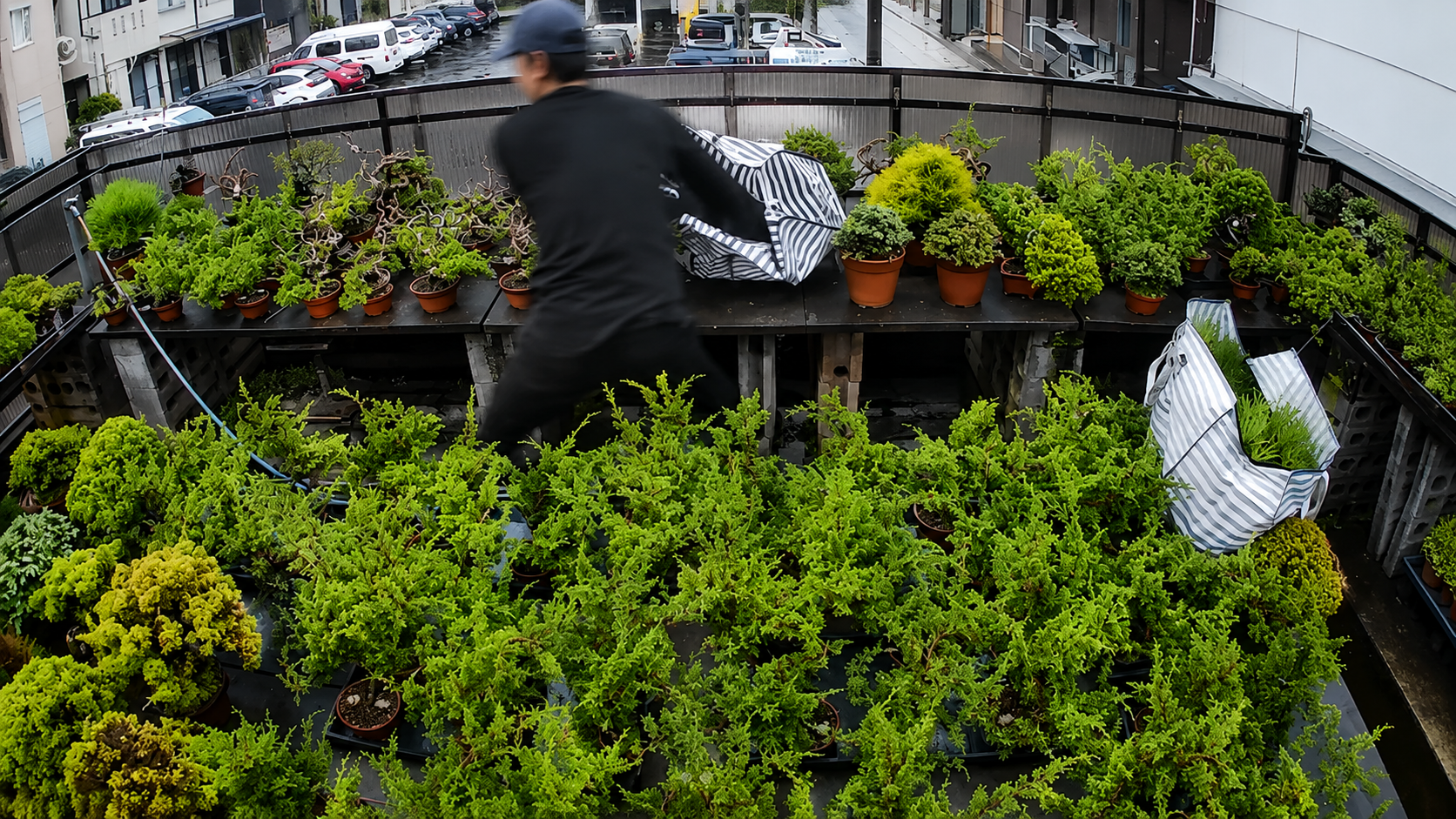
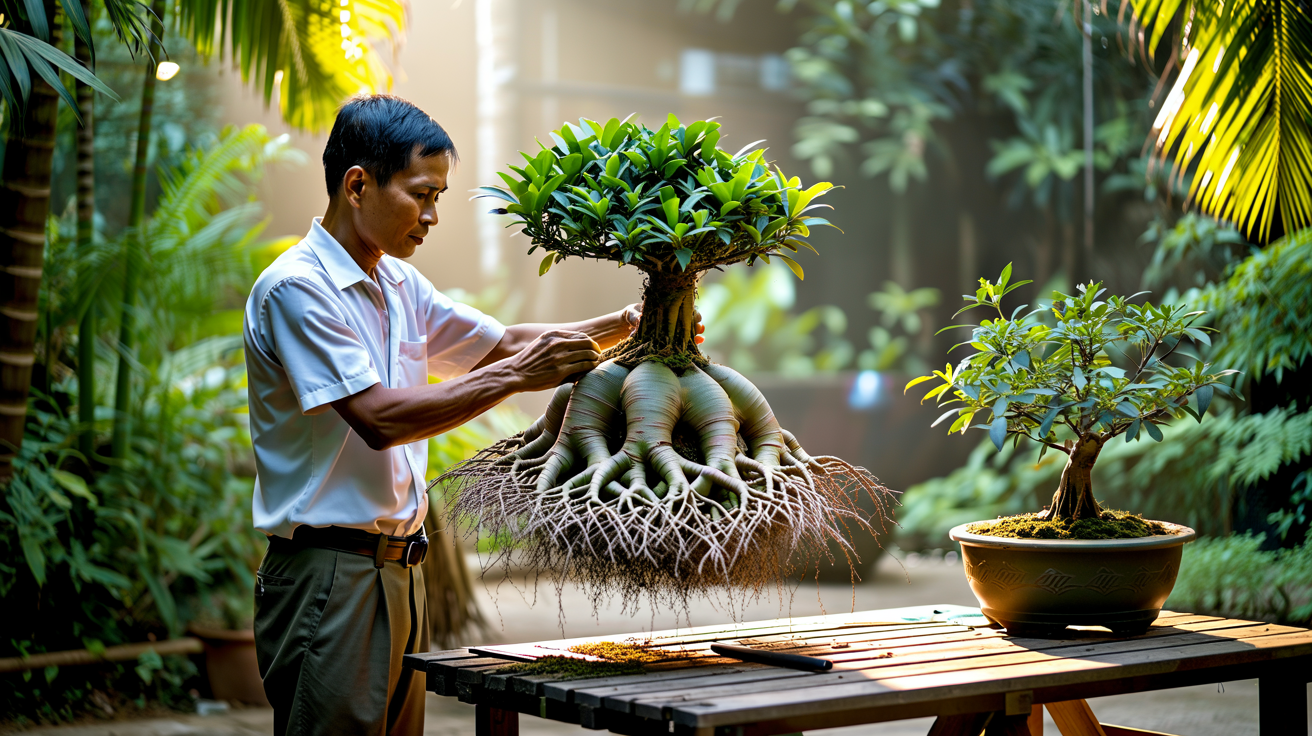
There is a particular kind of courage in staking your livelihood on a living art form. When a Vietnamese farmer reportedly abandoned conventional agriculture to focus entirely on bonsai — experimenting with unconventional styles and selling through online marketplaces, as reported by Vietnam.vn — the story spread quickly through enthusiast communities. The details of his specific style and final earnings are less important to us than the structural lesson buried inside the headline: the bonsai market is being quietly reshaped by growers who understand digital commerce as fluently as they understand nebari.
Why This Matters Far Beyond Vietnam
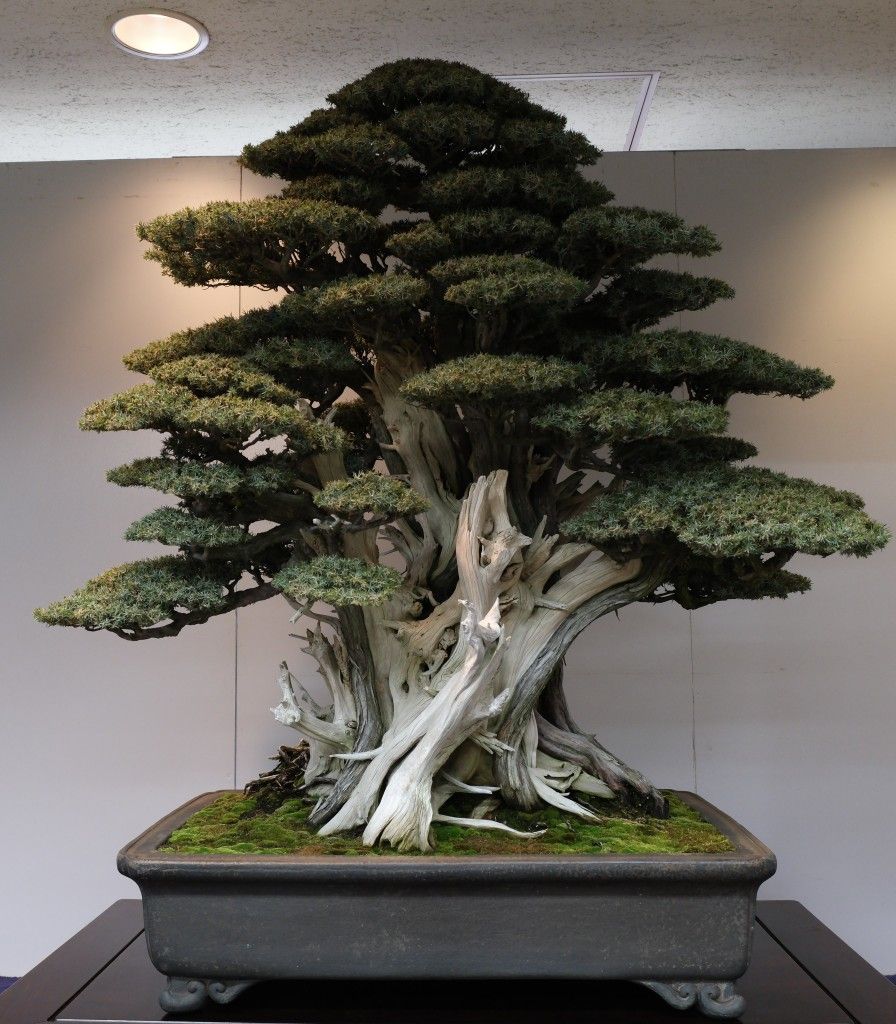
Southeast Asia — and Vietnam in particular — has developed a distinctly bold aesthetic tradition in bonsai. Where Japanese practitioners often prize restrained elegance in species like Juniperus chinensis and Pinus thunbergii, Vietnamese growers have long pushed toward dramatic trunk movement, exposed root systems and exaggerated deadwood in tropical species such as Ficus microcarpa, Wrightia religiosa and Carmona retusa. These are not beginner-friendly species for temperate-climate growers, but their visual impact online is undeniable — and that is precisely the point.
Online marketplaces reward visual drama over technical subtlety. A literati Pinus with decades of refinement reads as “a small tree in a pot” to an algorithm. A contorted Ficus with aerial roots cascading over a slab reads as spectacle. Vietnamese growers have, whether consciously or not, been cultivating for the scroll.
What Most Guides Get Wrong About Selling Bonsai Online
Most advice aimed at hobbyists who want to sell their work focuses on photography basics and shipping logistics. Both matter, but they miss the upstream problem: very few growers design trees with a secondary buyer’s climate in mind. This is a genuine blind spot. A Carmona retusa — the Fukien tea, widely grown in tropical Vietnam — shipped to a buyer in northern Europe or coastal Canada in October is almost certainly entering an unsuitable environment at the worst possible season. The seller profits once; the buyer loses a tree; the craft loses a convert.
Our view is that any grower serious about building an online bonsai business needs to publish explicit aftercare guidance tied to hardiness zones and seasonal timing, not as a disclaimer but as a selling point. Buyers who feel supported become repeat customers. Buyers who feel abandoned leave reviews.
A Concrete Step: Seasonal Listing Strategy
- Spring (March–May in the Northern Hemisphere): List tropical and subtropical species — Ficus, Carmona, Wrightia — when buyers have months of warmth ahead to acclimate trees before their first winter.
- Summer: Emphasise outdoor-hardy species — Juniperus, Acer palmatum, Ulmus parvifolia — which tolerate shipping stress better in warm, humid conditions.
- Autumn and winter: Restrict online sales to dormant temperate species only, and always include explicit cold-acclimation notes in product listings.
Timing your listings this way costs nothing and immediately separates your shop from the majority of online sellers who list year-round without qualification.
Our Take
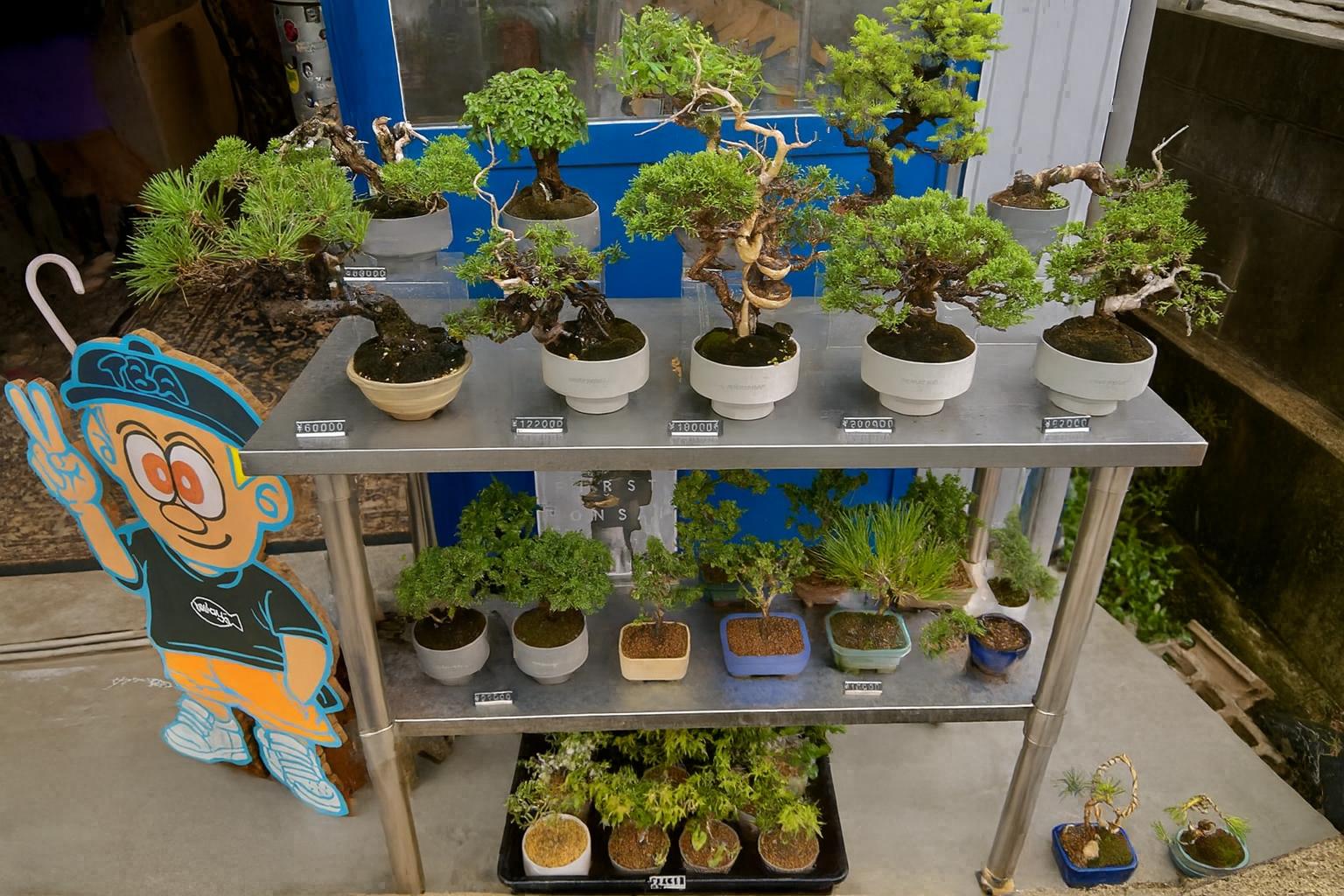
The Vietnamese farmer’s story is inspiring precisely because it refuses the assumption that bonsai is a hobby that cannot scale. We would argue the real innovation was not the style he chose but the willingness to treat the craft as a legitimate product category deserving of serious retail attention — an argument we have made at length in our piece on Why Bonsai Belongs in the Boutique: The Case for Curated Retail as a Gateway to the Craft.
The actionable takeaway is simple: audit your current or planned listings today and flag every tropical species listed for autumn or winter sale. Delay those listings until March. The tree will be healthier, the buyer more successful, and your reputation — which is your actual long-term inventory — will compound accordingly.
By Redazione Bonsai World
Article researched and written with AI assistance and reviewed by the Bonsai World editorial team.