
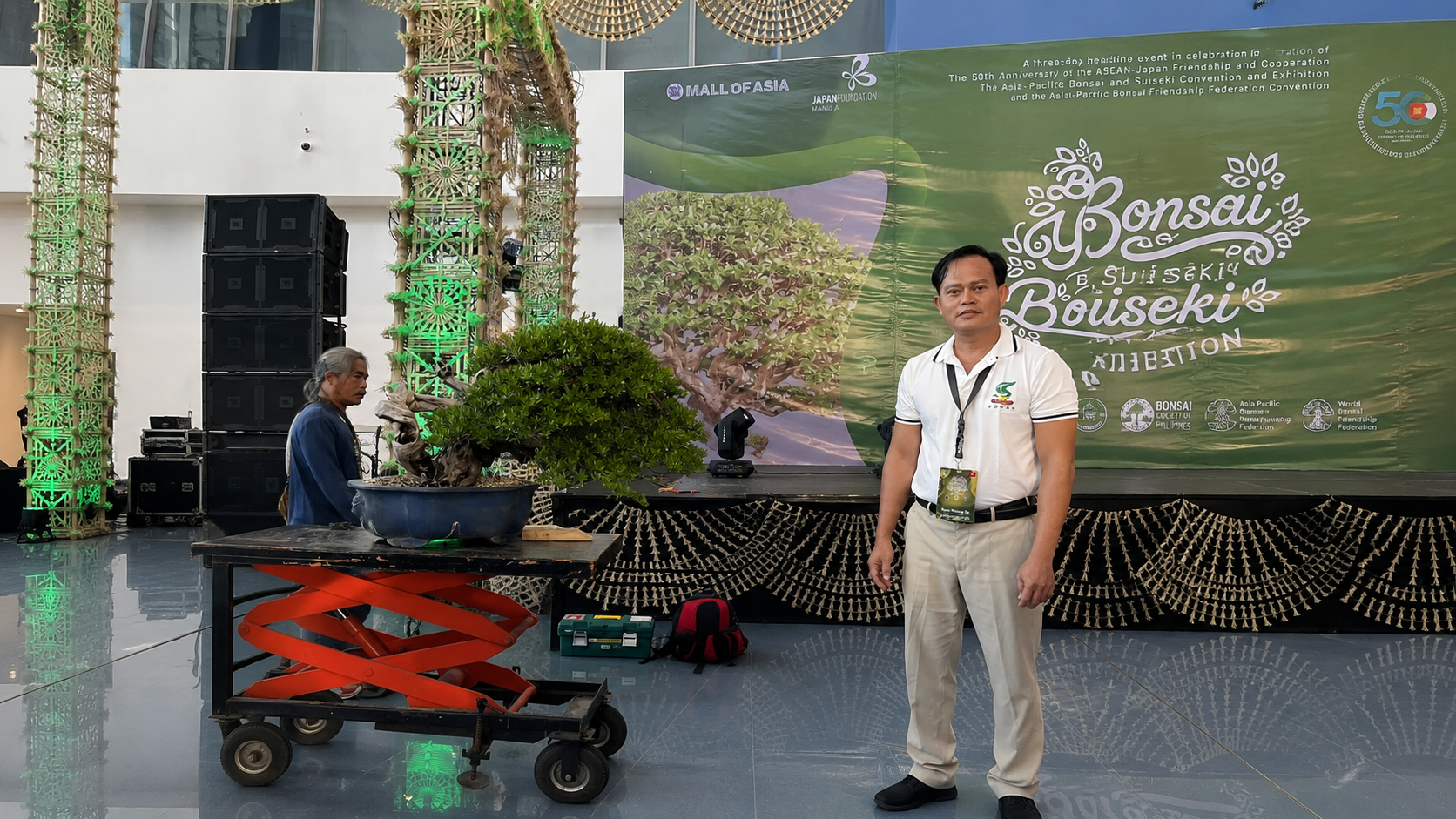
We have long admired the way certain bonsai practitioners manage to synthesize tradition with a distinct regional identity, and Do Xuan Phong stands as one of the most compelling examples of this synthesis emerging from Vietnam. While the global bonsai community has historically looked to Japan and China for technical and aesthetic guidance, practitioners like Phong remind us that mastery can evolve in contexts that honor both classical principles and the unique character of local species and cultural perspectives.
Phong is widely regarded as a leading figure in the Vietnamese bonsai scene, known particularly for his work with native and tropical species that thrive in Southeast Asia’s humid climate. What strikes us most about his approach is not simply technical proficiency—though that is evident—but rather the way he has championed a Vietnamese aesthetic within the broader framework of bonsai aesthetics. His trees often display a robust, naturalistic vigor that contrasts with the more restrained elegance typical of Japanese formal styles, yet they maintain the discipline and intentionality that define serious bonsai work.
A Distinctive Approach to Tropical Material
One of the most instructive aspects of Phong’s work is his deep familiarity with species that many Western and Japanese growers might overlook or struggle to cultivate. Ficus varieties, tamarind, and other tropicals present unique challenges in styling and care, often growing with a different rhythm than the pines and maples that dominate much of the published literature. Phong has demonstrated that these species, when understood on their own terms, can yield results every bit as refined and expressive as their temperate counterparts.
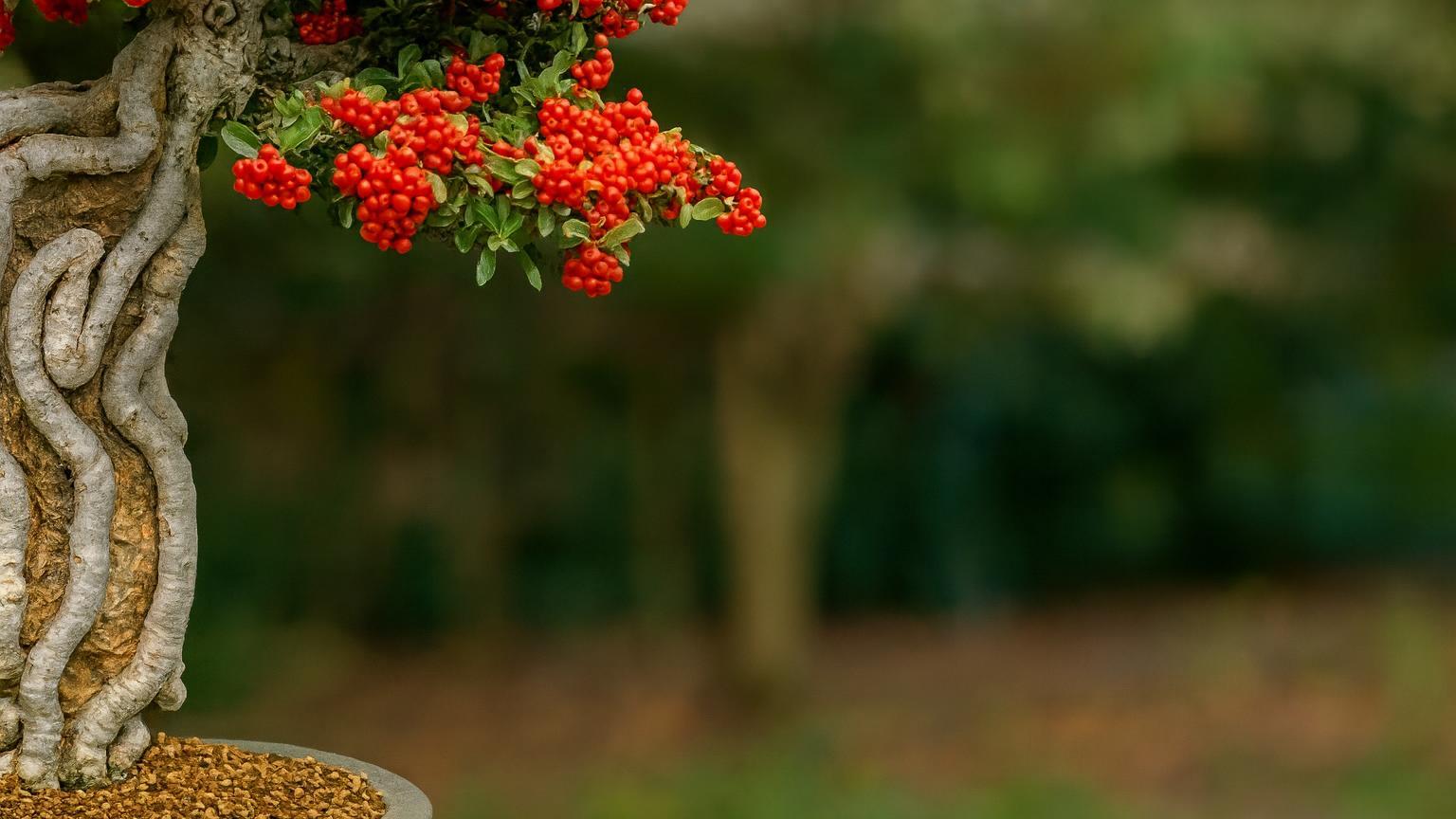
His styling often emphasizes movement and root structure, with an eye toward creating compositions that feel ancient and weathered. The exposed root systems in many of his pieces—muscular, gnarled, and deeply textured—speak to decades of patient development and a willingness to let the tree’s natural character guide the design process. In our view, this philosophy reflects a broader truth about bonsai: the best work emerges not from forcing a vision onto unwilling material, but from a sustained conversation between grower and tree.
Influence and Legacy
Phong’s influence extends beyond his individual creations. He is associated with efforts to elevate the profile of Vietnamese bonsai both domestically and internationally, contributing to a growing recognition that excellence in this art form is not confined to any single tradition or geography. His work has inspired a generation of Vietnamese enthusiasts to take their craft seriously, to invest in quality material, and to develop their own voices within the medium.
What makes his example particularly valuable for growers elsewhere is the reminder that local conditions and available species need not be obstacles. Instead, they can become the foundation of a distinctive approach. Rather than lamenting the absence of Japanese black pine or shimpaku juniper, Phong has mastered what grows well in his environment, proving that authenticity and regionalism can coexist with high standards.
Our Take
Do Xuan Phong exemplifies the kind of practitioner who expands the art form by honoring both its roots and his own context. His trees teach us that bonsai is not about replicating a fixed set of forms, but about cultivating a disciplined sensitivity to the material at hand. In a globalized bonsai world that can sometimes feel dominated by a narrow set of aesthetic references, his work is a welcome assertion of diversity and regional character.
Actionable Takeaway
Study the species native to your own region with the same rigor you might apply to classical material. Identify one locally abundant tree or shrub you have previously dismissed, research its growth habits thoroughly, and begin a long-term styling project that respects its unique characteristics. Mastery, as Phong’s work suggests, comes from depth of understanding, not exotic pedigree.
This article was created with AI assistance by the Bonsai World editorial team.