
When a Name Becomes a Warning: The Dark Side of “Bonsai” as a Cultural Metaphor
We don’t usually look to celebrity gossip for editorial inspiration at Bonsai World. But when the word “bonsai” surfaces in a news cycle tied to animal cruelty — specifically, the term 盆景貓 (“bonsai cat”) being used to describe the act of forcing a living animal into a rigid, confining container for aesthetics and social media clout — we feel compelled to say something plainly: this is a grotesque distortion of everything our practice stands for, and it demands a direct response from within the bonsai community.
The concept of so-called “bonsai animals” is not new on the internet, but its resurgence as a viral reference point is troubling. When a public figure’s actions are described using our craft’s vocabulary — however loosely — the association sticks. And in our view, the bonsai community has been far too quiet about correcting it.
What Bonsai Actually Is — and Why the Metaphor Fails
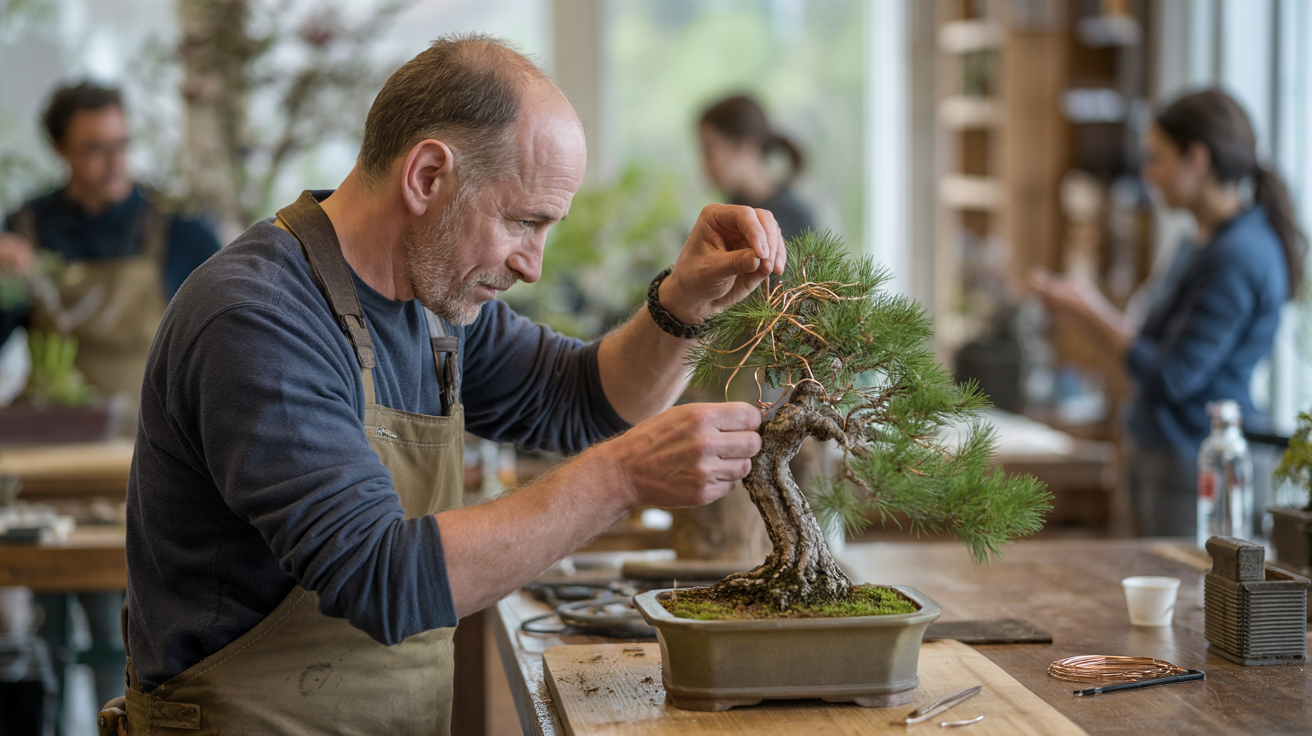
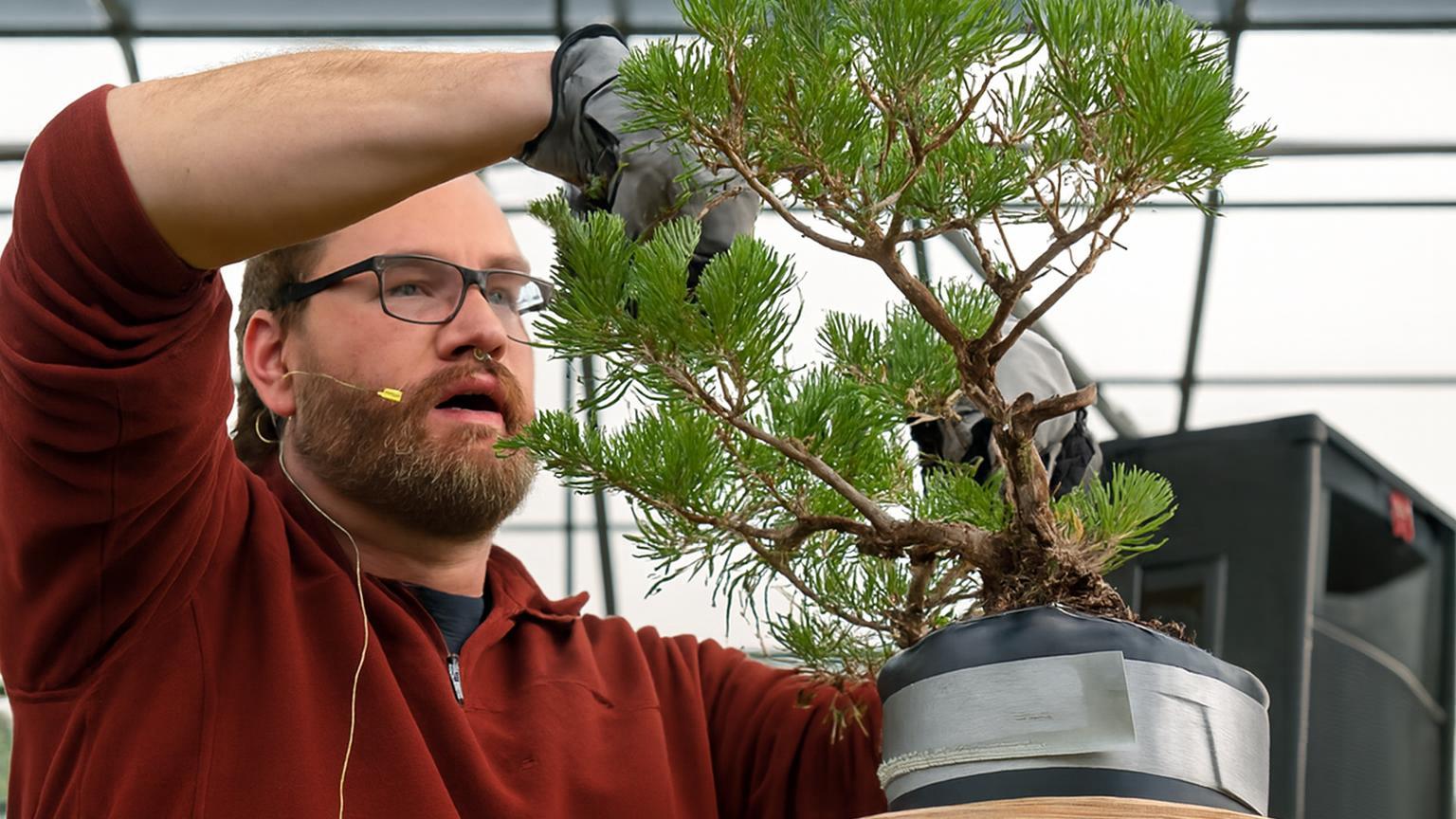
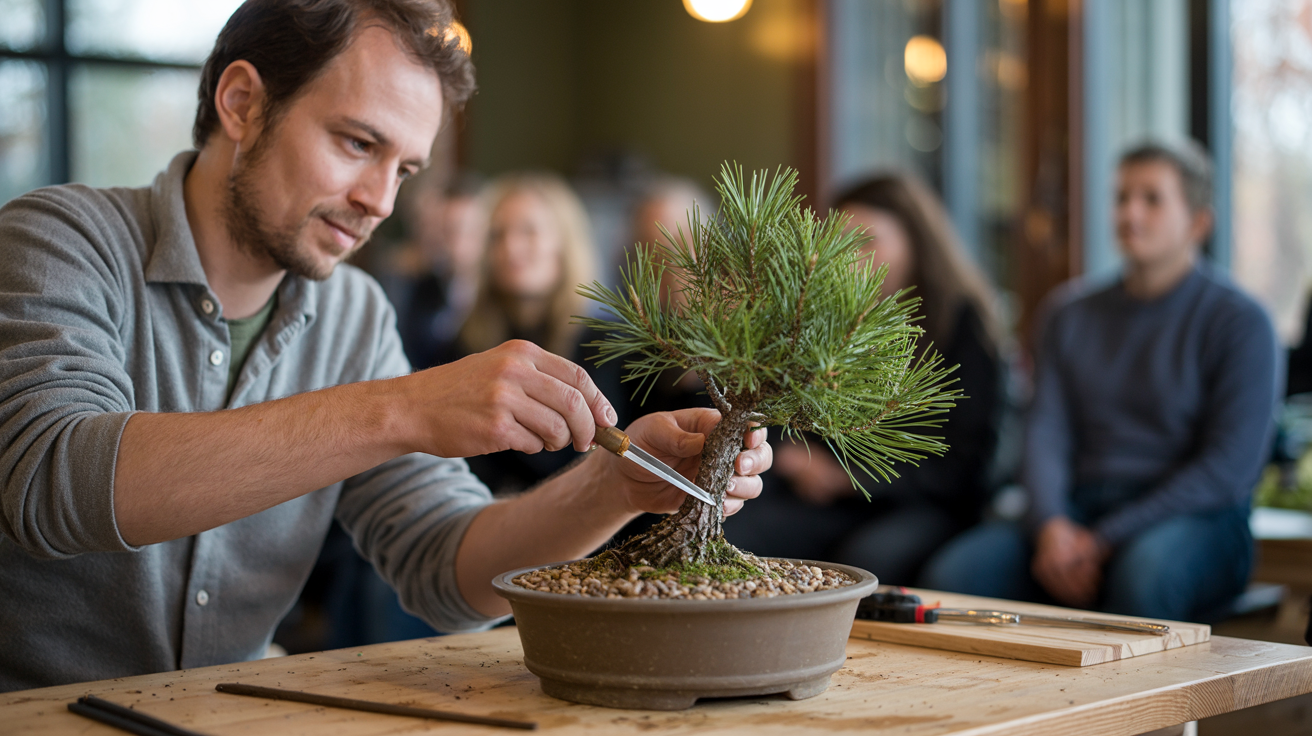
The core misunderstanding at play is that bonsai is about restriction. It isn’t. Anyone who has kept a Juniperus chinensis alive through three winters, or coaxed a Ficus retusa into a convincing aerial-root forest planting, knows that the art is about guiding a living system toward its own most expressive form. The tree is not squeezed into shape — it is listened to. We trim, wire, and repot in response to what the tree is already doing. A well-timed pinch of new growth on a Pinus thunbergii in early May, before the candles extend fully, isn’t suppression. It redirects energy already in motion.
This distinction matters enormously, and it’s one that our earlier piece on how architecture borrows from bonsai philosophy explored in depth — that the art is fundamentally a practice of attentive dialogue, not domination. Conflating bonsai with forced confinement isn’t just wrong; it inverts the entire ethic of the craft.
What Most Introductory Guides Get Wrong
Here is where we want to be concrete, because the misrepresentation has real consequences for newcomers. The vast majority of beginner bonsai guides describe the small pot as the defining feature of the art form. It is not. The container is a consequence of a design decision, not the cause of the tree’s form. Beginners who internalize “small pot = bonsai” sometimes keep young material in undersized containers far too early, stunting root development before the tree has the vascular capacity to respond well to styling. In our view, this is one of the most common and quietly damaging mistakes in hobbyist practice.
A Concrete Correction: Pot Sizing for Developing Stock
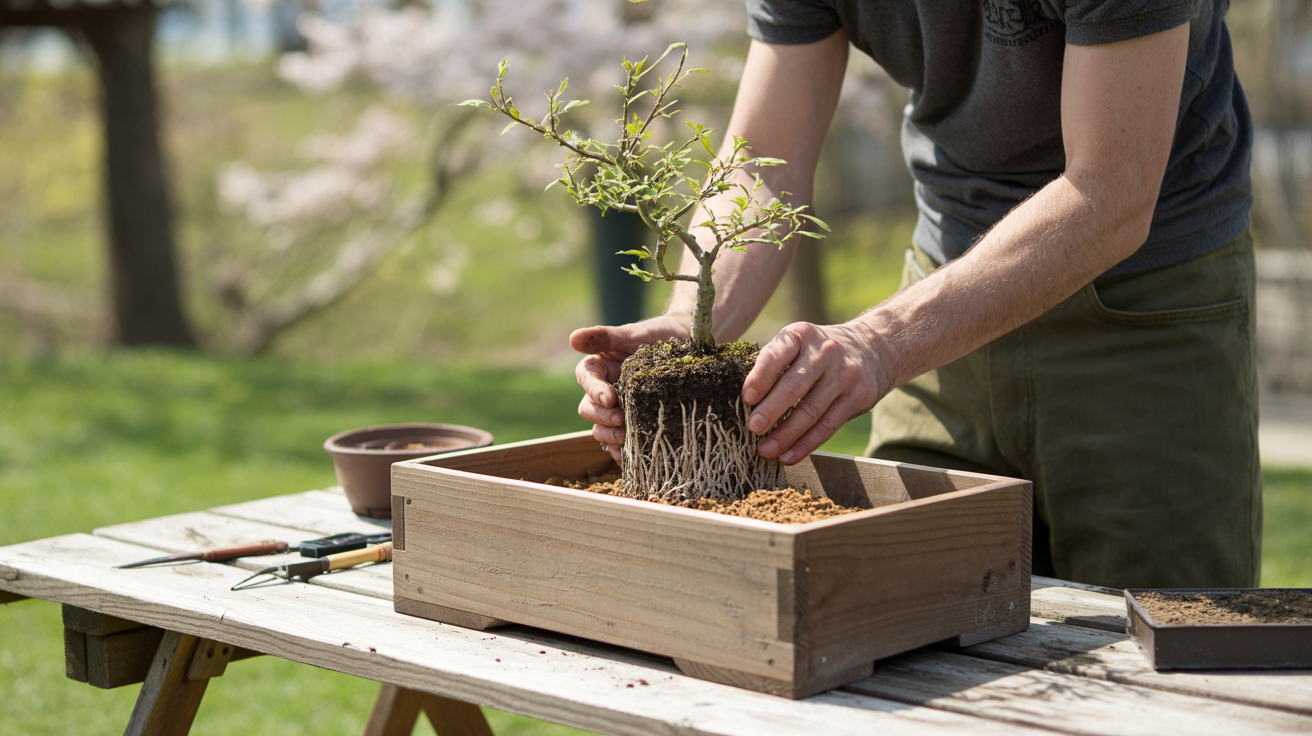
- For any tree still in active development — thickening a trunk, building branch ramification — grow it in a container roughly twice the volume of the rootball, not in a finished bonsai pot.
- Transition to a proper training pot only after the primary structure is established, typically after two to four growing seasons depending on species vigor.
- For fast-growing species like Zelkova serrata, consider open ground or deep wooden boxes during the development phase entirely. Trunk taper gained in the ground in three years can take fifteen in a small pot.
Our Take
The viral misuse of the word “bonsai” as reported in this coverage from SETN.com is a reminder that our community carries some responsibility for how the art is understood publicly. We cannot control every headline, but we can be far more vocal about what the practice actually requires: patience, observation, biological understanding, and genuine care for a living thing.
Actionable takeaway: If you have a young tree sitting in a cramped pot because it “looks like bonsai,” repot it today into a deeper training container with fresh akadama and pumice mix. Give the roots room to develop. The aesthetics will follow — but only if the tree is healthy enough to express them.
By Redazione Bonsai World
Article researched and written with AI assistance and reviewed by the Bonsai World editorial team.