
Why Your First Hundred Bonsai Matter More Than Your First Ten
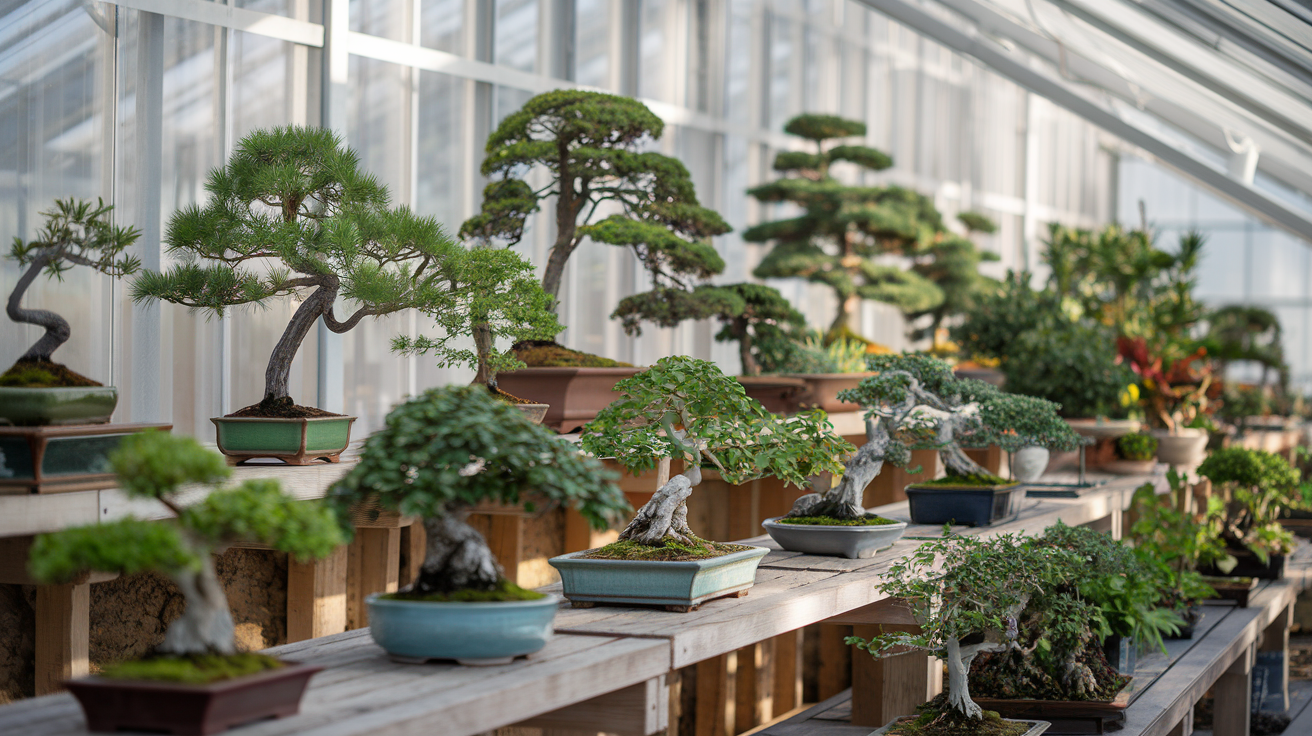
We’ve all heard the advice: start small, master one tree before moving to the next. It’s sensible counsel that has guided countless beginners through their early fumbles with juniper and ficus. But a recent story of an enthusiast who grew their collection to one hundred plants challenges that orthodoxy, and we think it’s time to acknowledge an uncomfortable truth: building a substantial collection quickly might actually accelerate your learning curve rather than hinder it.
Our take is clear: the conventional wisdom about limiting your collection in the early years gets the learning mechanism backwards. What we would argue is that deliberate diversity, not conservative minimalism, creates the conditions for mastery.
The Polyculture Advantage
Most bonsai cultivation guides emphasize depth over breadth, suggesting you purchase one Chinese elm or Japanese maple and spend years understanding its particular needs. The logic seems sound: why spread your attention thin when you could focus it laser-sharp on a single specimen? But this approach misses what we see as the fundamental pedagogy of horticultural expertise.
When you maintain only three or four trees, every mistake feels catastrophic. Overwater your prized trident maple and watch it decline? That’s not just a setback; it’s a third of your collection compromised. The psychological weight of each decision becomes paralyzing. You hesitate to experiment with aggressive pruning. You second-guess your repotting schedule. Fear, not knowledge, begins to guide your hand.
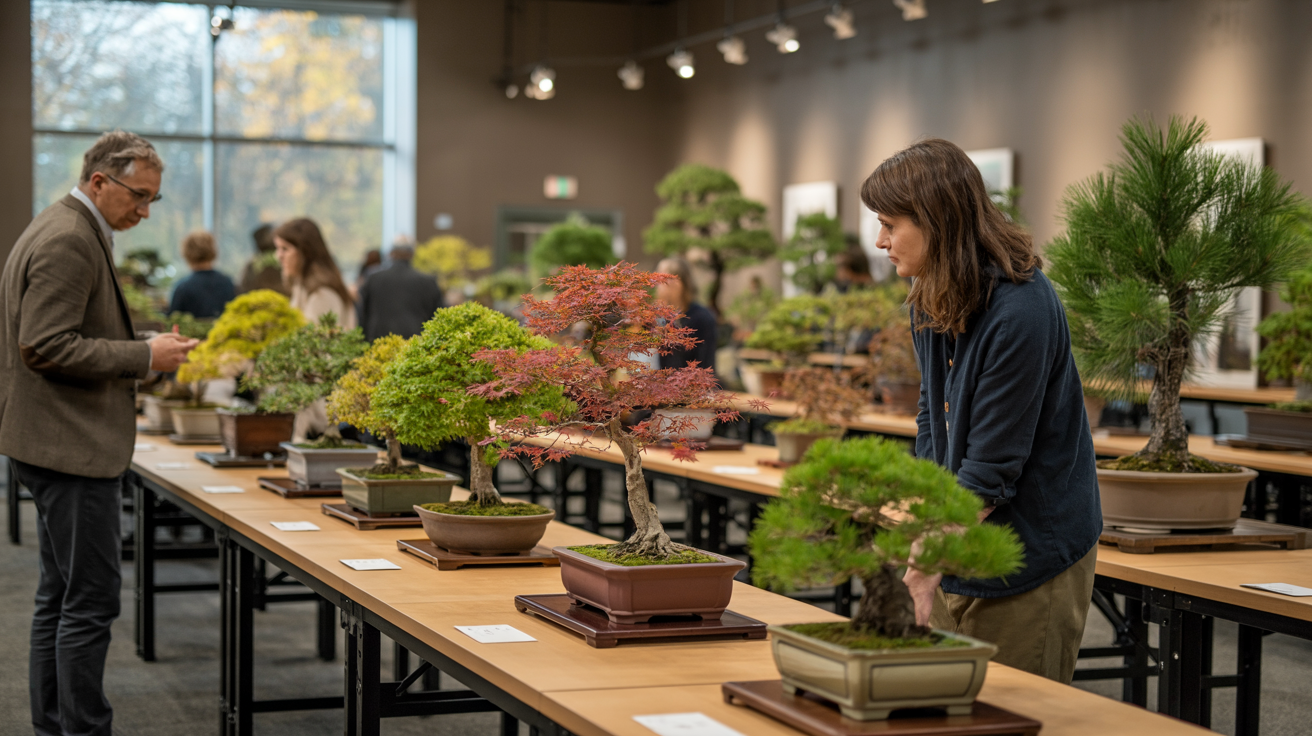
Compare this to managing thirty, fifty, or a hundred specimens across different species, ages, and styles. Suddenly you’re running what amounts to controlled experiments. Your five Juniperus chinensis in varying substrates teach you more about drainage in a single season than five years with one tree ever could. When your collected yamadori field maple responds differently to autumn fertilization than your nursery-stock Acer palmatum, you’re learning the distinction between establishment-phase care and maintenance-phase care through direct comparison, not abstract theory.
What the Guides Get Wrong About Timing
Here’s the specific detail most instruction manuals omit: your brain doesn’t learn bonsai skills linearly. You don’t master watering, then move to pruning, then advance to wiring. These competencies develop in parallel, and they reinforce each other across multiple specimens simultaneously. The callusing pattern you observe on a wound you made on a cotoneaster in March informs how you approach a similar cut on a boxwood in June, which changes how you see the healing on an azalea in September.
We’ve observed that growers who maintain larger collections develop pattern recognition faster. They begin to read subtle signals—the particular droop of an overwatered serissa versus an underwatered one, the specific bronze tint of root-bound stress versus nutrient deficiency—because they see more examples in compressed time.
A Practical Approach to Strategic Expansion
If you’re ready to scale up thoughtfully, here’s our recommended method:
- Acquire ten additional trees over six months, not all at once
- Choose five different species you haven’t worked with, ensuring variety in needle/leaf type and growth habit
- Select five trees in different development stages: two raw nursery stock, two in training, one near-finished
- Establish a weekly inspection routine where you photograph each tree from the same angle
- Maintain a simple spreadsheet noting only water frequency, major work performed, and one observed change per week
This structure prevents the chaos of impulsive accumulation while maximizing comparative learning. You’re not hoarding; you’re building a living curriculum.
The Real Risk Isn’t Quantity
In our view, the danger isn’t owning too many trees—it’s owning them passively. A hundred neglected bonsai teach nothing. But a hundred trees observed with intention, each contributing one data point to your expanding understanding of root development, branch ramification, and seasonal response? That’s not excess. That’s education at scale. The question isn’t whether your collection should grow, but whether your attention grows with it.
Actionable takeaway: This week, acquire three inexpensive nursery-stock plants of species you’ve never attempted before. Place them next to your existing trees and commit to identical care for one month, then document every difference you observe. You’ll be surprised how much three new teachers can reveal about the students you thought you already knew.
This article was created with AI assistance by the Bonsai World editorial team.