
Why Autumn Exhibitions Are the Most Underrated Learning Opportunity in Bonsai
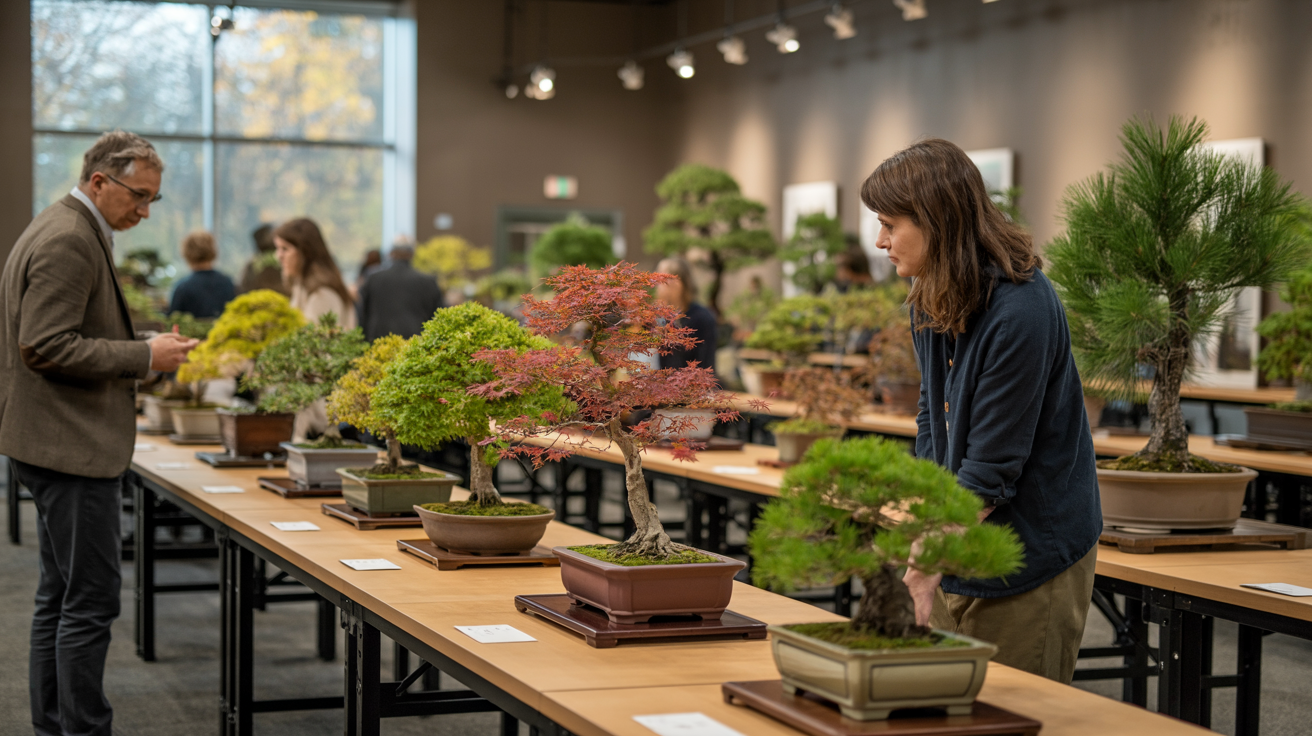
Every spring, the bonsai community rallies around repotting season as though it were a religious event. Show schedules fill with flowering maples and blooming cherries, and social feeds overflow with fresh nebari shots taken in March light. We get it — spring is dramatic. But we would argue that autumn exhibitions deserve far more serious attention from growers at every skill level, and the upcoming Fall Fruit and Foliage Bonsai Exhibition, scheduled for October 17th from 8:00 am to 5:00 pm, is a timely reminder of exactly that.
What Most Guides Get Wrong About Autumn Bonsai
The conventional advice you will find in most introductory bonsai guides treats autumn as a wind-down period — a time to reduce watering, stop fertilizing with high nitrogen, and essentially tuck your trees in for winter. That framing is not wrong, but it is dangerously incomplete. It causes growers to disengage at precisely the moment when some of the most instructive visual information becomes available on a tree.
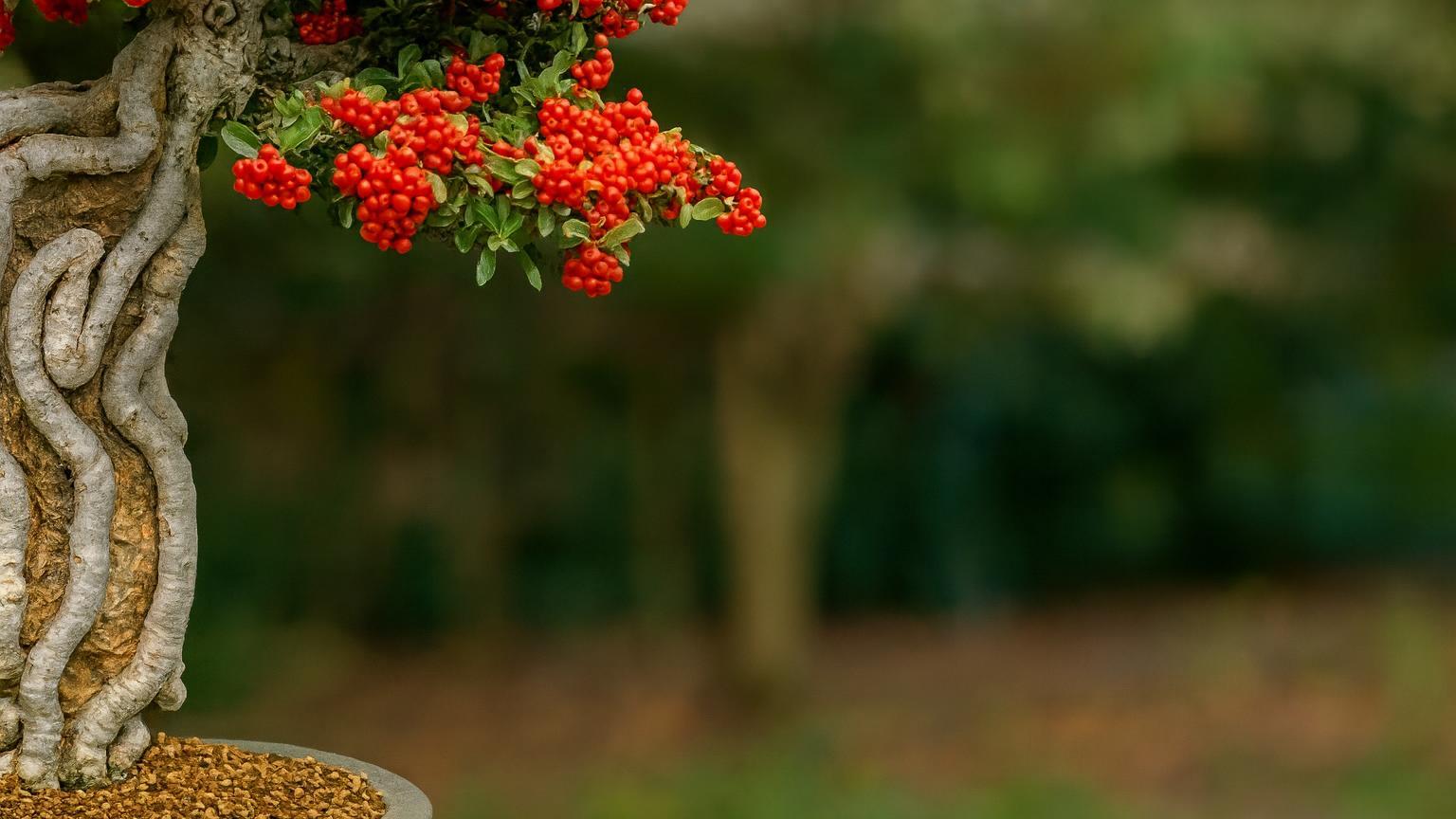
Fruit-bearing species in particular — think Malus halliana (Hall’s crabapple), Pyracantha angustifolia, and Diospyros rhombifolia (Japanese persimmon) — reveal their structural logic in October in ways they simply cannot in summer. With fruit load weighing branches and foliage beginning to thin, you can finally see how a branch selection made two or three years ago is paying off, or quietly failing. An exhibition that specifically centers fruit and foliage species in mid-October is offering visitors a diagnostic window that no spring show can replicate.
What to Actually Look for at a Fruit and Foliage Exhibition
Most visitors walk through a show admiring color and fruit clusters. We would encourage a different approach entirely: treat it as a structural audit. For each tree, ignore the fruit for a moment and study the ramification behind it. Are the secondary and tertiary branches evenly distributed, or is the fruit compensating visually for weak inner structure? On a well-developed Pyracantha, the berry clusters should punctuate the branch structure rather than disguise it.
Foliage species like Acer buergerianum (trident maple) and Zelkova serrata (Japanese gray-bark elm) in early autumn color are equally revealing. The moment backlit leaves begin to yellow, you can trace the vascular logic of a tree’s canopy in a way that green summer foliage obscures entirely. This is the time to photograph trees you admire and compare the silhouettes — not the color — against your own material at home.
One Technique Worth Applying Right Now
If you grow a fruiting species and want to prepare it properly for display or simply for a stronger 2027 season, consider a targeted post-harvest defoliation of any remaining summer growth on Malus or Pyracantha no later than the first week of October in USDA hardiness zones 5 through 7. Remove only leaves — never fruit spurs — using sharp, clean scissors. This exposes remaining fruit clusters fully to light, encourages the tree to harden off woody tissue before the first frost, and reduces fungal pressure from decaying leaf matter sitting against fruit. (On tool hygiene and why the quality of your cutting implements matters more than most guides admit, our related article The Tool in Your Hand Is Costing Your Bonsai More Than You Think covers the specifics in detail.)
Our Take
In our view, the fruit and foliage exhibition format is one of the most pedagogically honest formats in the bonsai calendar. It forces both exhibitors and viewers to engage with species whose beauty is entirely seasonal and structurally dependent — there is no flowering spectacle to carry a mediocre design. If you are within traveling distance of a show like this in October, prioritize it over any spring event on your calendar. You will come home with a sharper eye than any workshop will give you in an afternoon.
Actionable Takeaway
Before you attend — or even if you cannot — photograph your own fruiting and deciduous trees this week in full sun from your primary display angle. Compare that silhouette to what you see on exhibition trees. Structural decisions you have been postponing will suddenly become obvious.
By Redazione Bonsai World
Article researched and written with AI assistance and reviewed by the Bonsai World editorial team.