
Lodgepole Pine and the Art of Working With Wild Character
Why Pinus contorta deserves far more attention from bonsai artists than it currently gets
Club demonstrations have a reputation problem. Too often they are written off as beginner fare — pleasant afternoons with predictable outcomes and trees that never quite challenge an audience. We would argue that reputation is badly misplaced, and that a well-chosen demonstration species can reframe what an entire room thinks it knows about bonsai design. Lodgepole pine, Pinus contorta, is exactly the kind of subject that does that work.
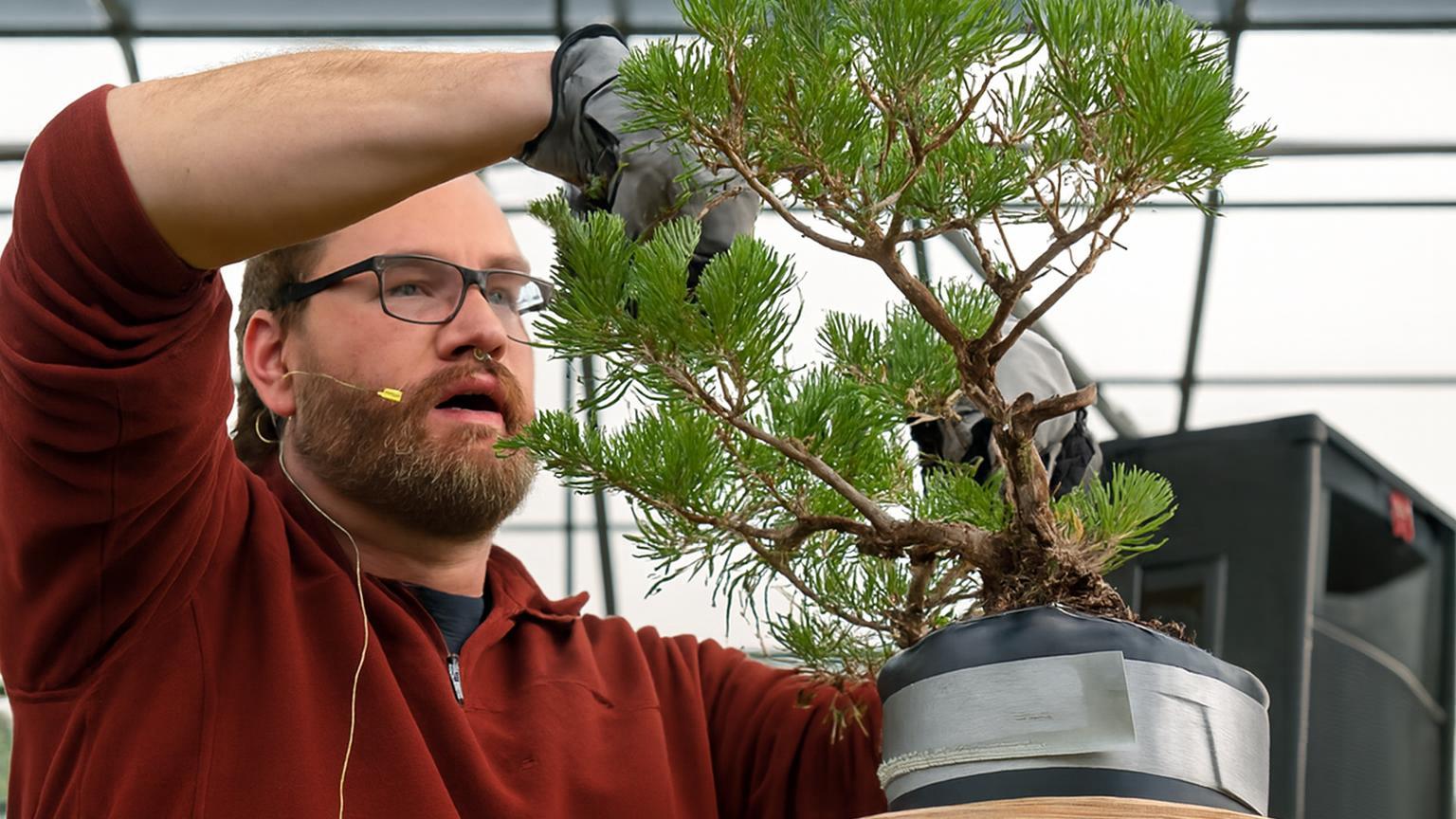
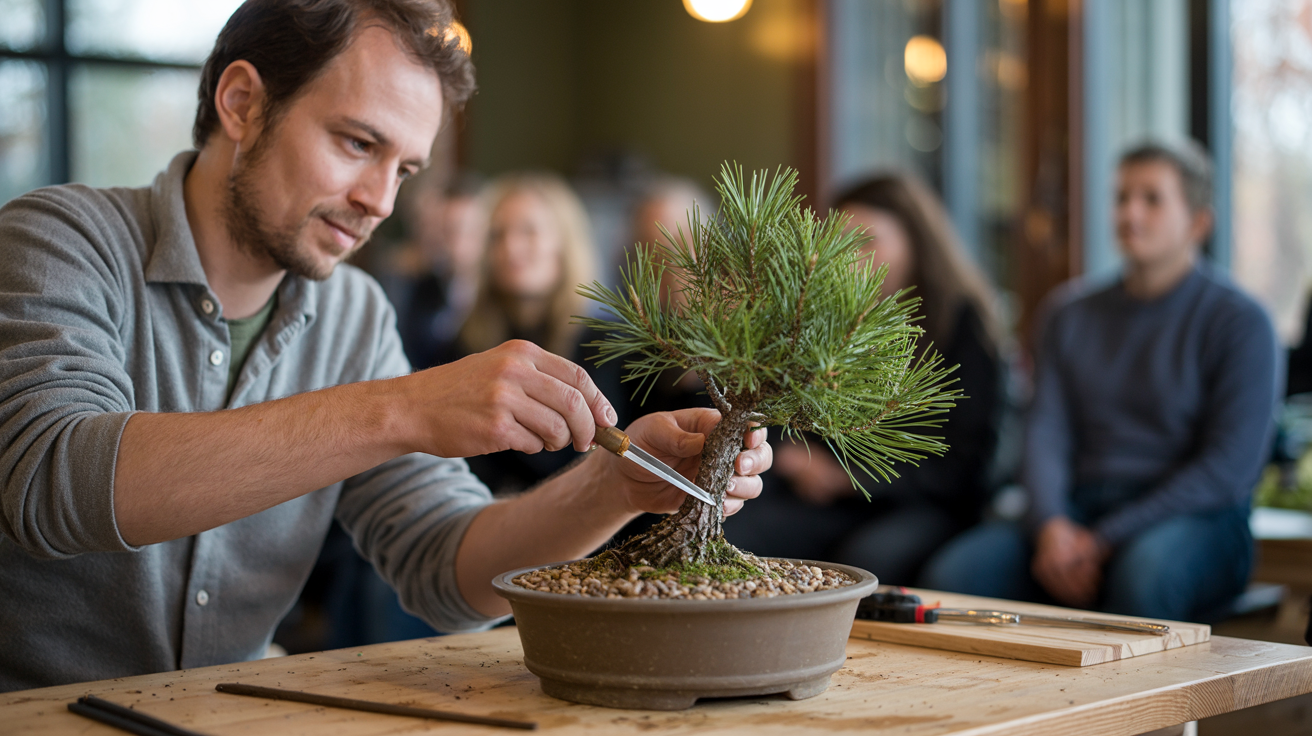
The news of a public styling demonstration focusing on Lodgepole pine, as reported by the Ledger Dispatch, is the kind of event that genuinely excites us here at Bonsai World — not because club demos are rare, but because this particular species is chronically underrepresented on the demonstration bench and is surrounded by several persistent misconceptions that hold growers back.
What Most Guides Get Wrong About Pinus contorta
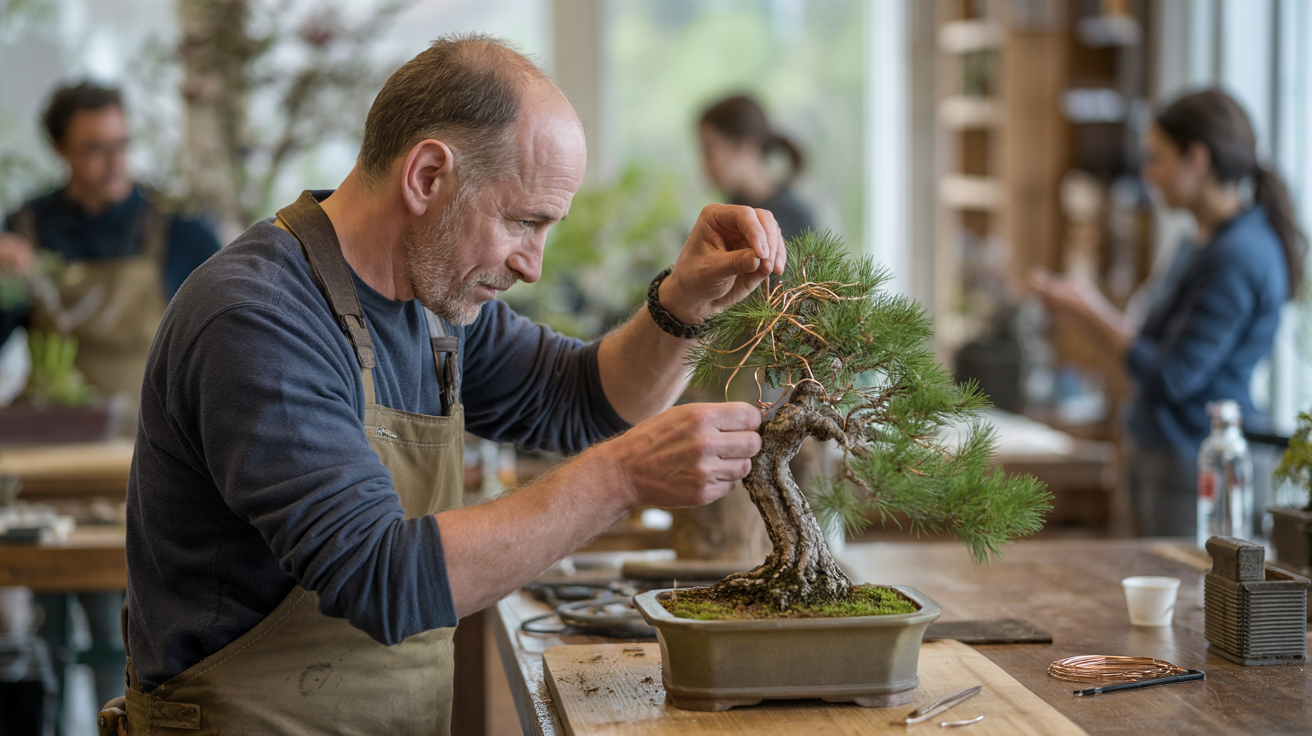
The majority of introductory pine bonsai guides lump all two-needle pines into the same care and styling framework. That is a mistake with Lodgepole. Unlike Japanese black pine (Pinus thunbergii), which responds reliably to the decandling technique in early summer and produces predictable back-budding, Pinus contorta is a naturally vigorous and often irregular grower. Its internodes can be long and its candles can extend fast, especially in younger stock. Attempting to apply a standard JBP decandling schedule to Lodgepole frequently results in weak back-budding and exhausted apical shoots.
In our view, the more productive framework for Pinus contorta is to treat it closer to the way experienced growers handle Pinus sylvestris — with selective candle pinching rather than full decandling, and with an emphasis on allowing the tree’s natural asymmetry and movement to guide the design rather than fighting it into symmetrical layered pads.
October Timing Is Not Accidental
Early autumn is a strategically intelligent moment to style a pine bonsai before a live audience. By October in most temperate North American climates, the year’s extension growth has fully hardened. The needles from the current season are set. This means a demonstrator can wire and position branches with genuine confidence that the silhouette being established will read accurately through winter dormancy and into the following spring flush. Styling in spring or early summer, by contrast, means working around soft growth and making decisions on a tree whose final candle extension is still unpredictable.
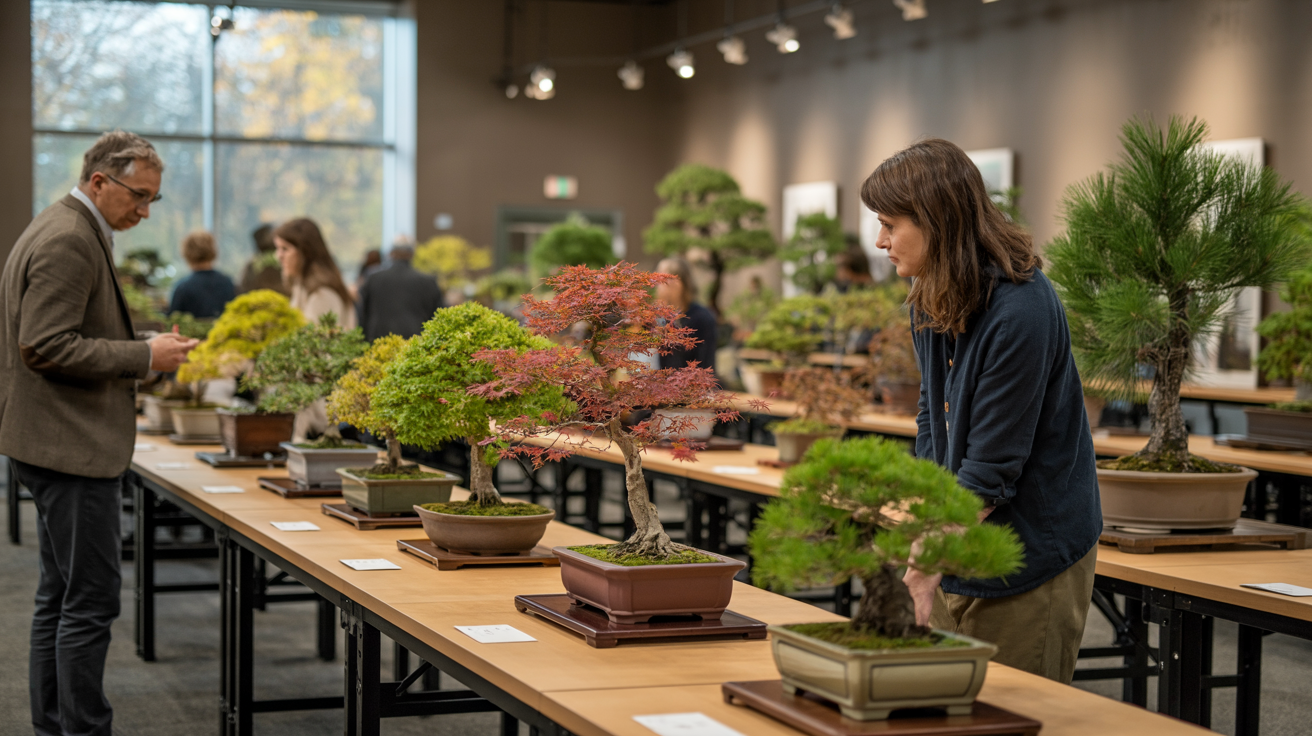
October demonstrations also let an audience see decisions about needle removal and jin work in a context where those choices are immediately legible — there is no new growth about to obscure the result. This connects directly to something we explored in depth in our piece on why autumn exhibitions are the most underrated learning opportunity in bonsai: the season strips trees back to their structural essentials, which is exactly when watching a skilled hand matters most.
One Concrete Technique: Staged Needle Reduction on Lodgepole
- In early October, remove all needles older than two years from interior and lower branches first. Lodgepole holds old needles tenaciously and interior light starvation is the primary cause of back-bud loss.
- Leave current-year and one-year-old needles intact on weaker outer shoots to avoid stressing them before winter.
- On strong apex shoots only, reduce current-year needle pairs by half their count to slow dominance without triggering die-back in cold months ahead.
- Do not wire newly cleared interior branches until the following spring; let the tree confirm which buds activate before committing wire to brittle autumn wood.
Our Take
Free public demonstrations built around species like Pinus contorta do something no book can fully replicate: they show a tree’s resistance in real time. The moment a demonstrator meets a branch that will not cooperate and adjusts the vision accordingly, that is the lesson. We think clubs that choose character-rich native species over safe crowd-pleasers are making the right call, and we hope more groups follow that lead into the season ahead.
Actionable takeaway: If you are growing a Lodgepole pine right now, spend twenty minutes this week identifying and removing needles older than two years from your lowest three branches. Do that one task before the first hard frost and you will go into spring with better interior light and a clearer picture of what structure is actually there.
By Redazione Bonsai World
Article researched and written with AI assistance and reviewed by the Bonsai World editorial team.