
Why Regional Bonsai Competitions Matter More Than Ever
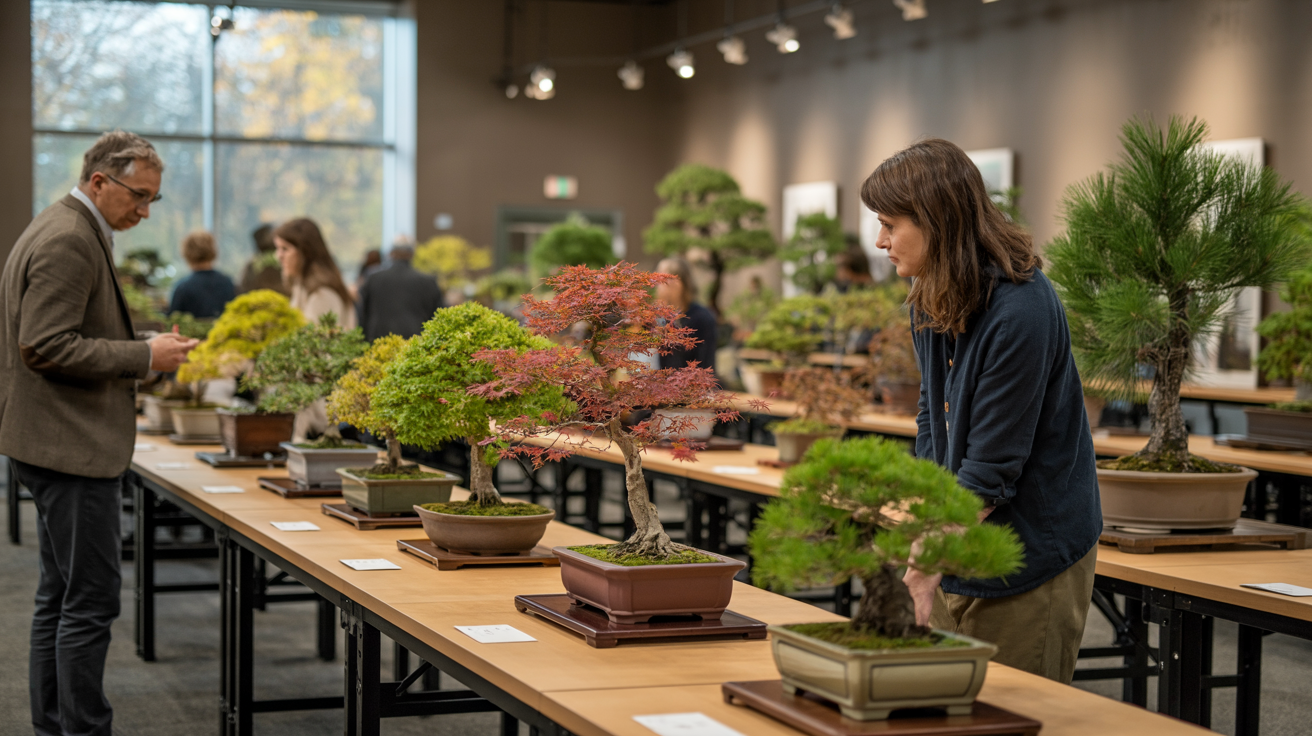
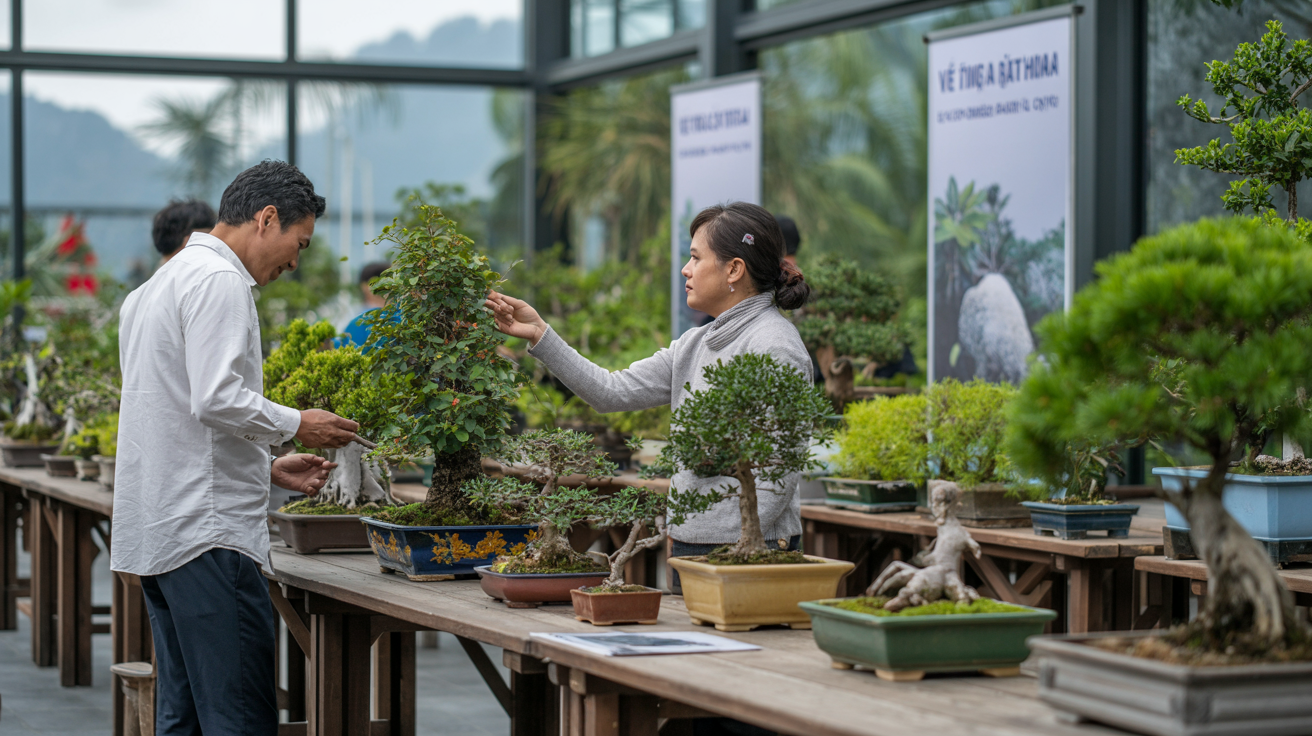
We’ve long held that bonsai competitions serve a purpose beyond trophies and ribbons—they act as living laboratories where techniques are tested, regional styles coalesce, and growers push themselves beyond the comfortable routine of backyard cultivation. The upcoming launch of Vietnam’s 2026 Bonsai and Suiseki competition for the southern region underscores a trend we find encouraging: the decentralization of bonsai culture away from a handful of traditional power centers and toward vibrant regional hubs that reflect local climates, native species, and distinct aesthetic philosophies.
Our Take: The Tropical Advantage Is Being Squandered
In our view, most Western bonsai guides remain stubbornly fixated on temperate-zone species—Japanese maples, junipers, pines—while glossing over the extraordinary potential of tropical and subtropical material. Vietnam’s southern region, with its year-round growing season and humidity levels that would make a ficus weep with joy, offers opportunities that growers in colder climates can only dream about. Yet we would argue that many Vietnamese practitioners are still mimicking Japanese classical forms rather than developing a distinctly Southeast Asian aesthetic that celebrates what their climate does best.
What matters here is not just that a competition is being launched, but where and when. December in southern Vietnam marks the transition into the dry season—relative humidity drops from the oppressive 85% of the monsoon months to a more manageable 70%, and daytime temperatures stabilize around 28-30°C. This is the optimal window for refinement work on tropical species that would be risky during the rains, when fungal infections spread like gossip.
The Technique Most Guides Get Wrong: Defoliation Timing in Tropical Species
Standard bonsai manuals often recommend complete defoliation in early summer for deciduous species to achieve ramification and smaller leaves. This advice, when blindly applied to tropical evergreens like Ficus microcarpa or Wrightia religiosa, leads to disaster. We’ve seen countless trees weakened or killed because growers follow temperate-zone calendars.
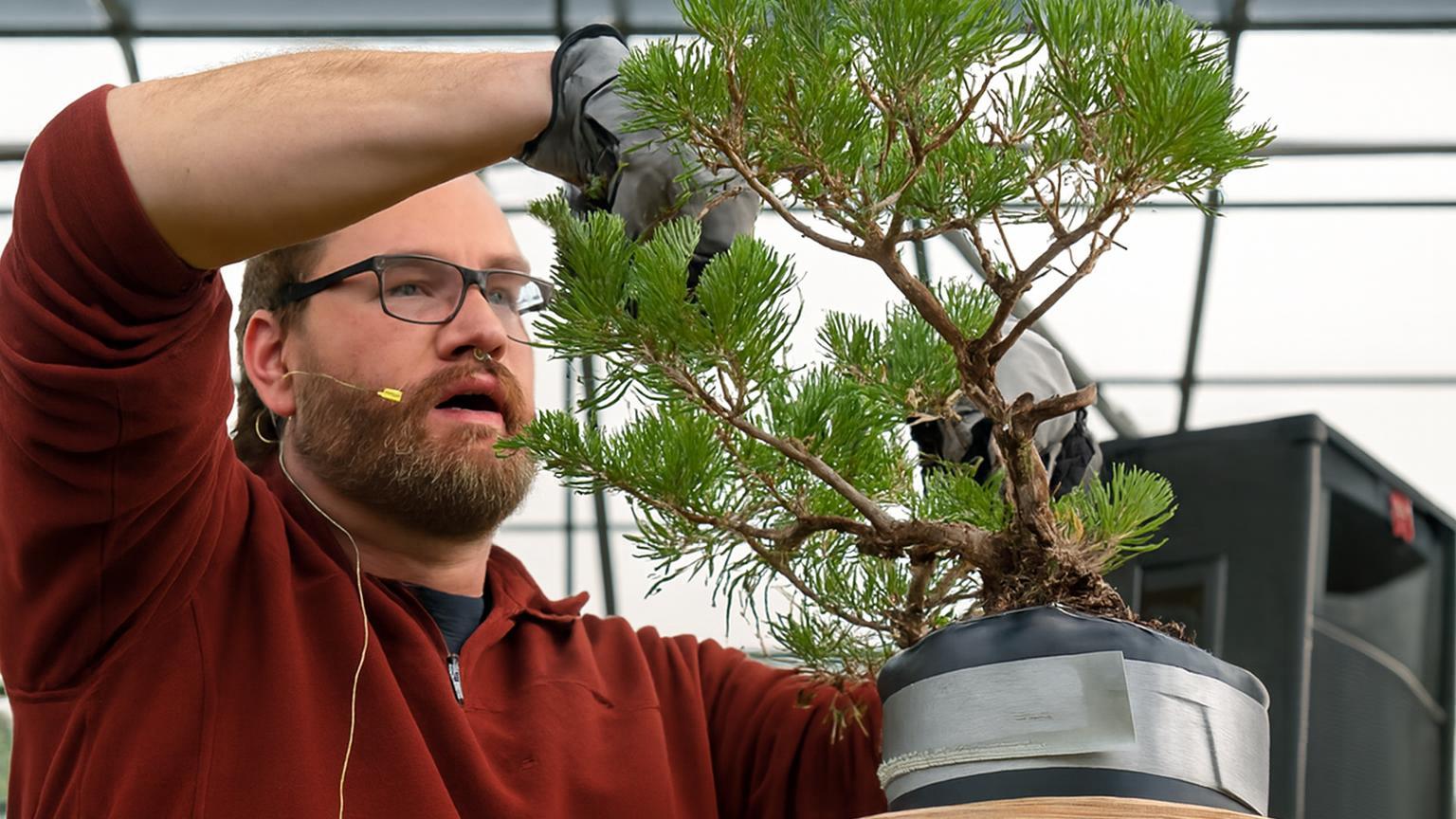
Here’s what works in tropical climates: partial defoliation during the dry season transition, removing only 40-60% of foliage, targeting the largest and oldest leaves while preserving younger growth. This approach exploits the tree’s natural growth flush that occurs when stress levels drop after monsoon season, without shocking the system entirely.
A Step-by-Step for Dry Season Preparation
For those preparing tropical material for exhibition or simply maximizing the dry season advantage:
- Three weeks before your target date, reduce watering frequency by approximately one-third to harden off growth
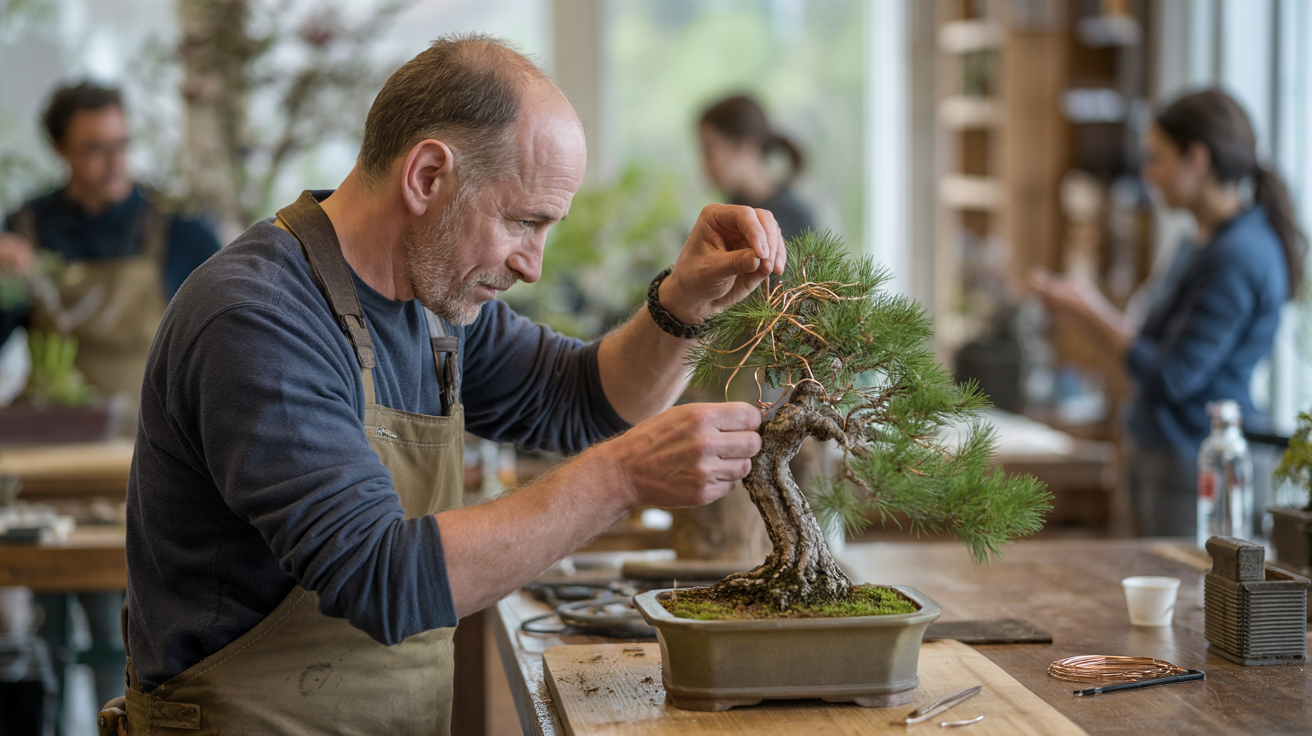
- Two weeks out, perform selective defoliation on broadleaf evergreens, working from the interior outward
- Immediately after defoliation, apply a balanced fertilizer at half strength to support the flush
- One week before presentation, perform final detail wiring on new growth when branches are still flexible
- Cease fertilization 48 hours before display to prevent salt buildup on soil surface
Why This Competition Signals a Broader Shift
Regional competitions force standardization of judging criteria, which in turn creates teachable frameworks. When Vietnamese growers must articulate why a Streblus asper styled with exposed surface roots reflects local aesthetic values, they’re building a vocabulary that can be shared, debated, and refined. This is how regional schools emerge—not through imitation, but through the rigorous process of defending choices before knowledgeable peers.
The inclusion of suiseki alongside bonsai is particularly significant. Viewing stones have never achieved the same commercial popularity as trees, yet their presence in competition settings elevates the entire practice, reminding us that bonsai exists within a broader aesthetic tradition of miniaturized nature.
Actionable Takeaway
If you cultivate tropical or subtropical species, stop following temperate-zone seasonal calendars. Instead, identify your local dry season onset and plan major styling work, defoliation, and root work for that window when growth is vigorous but disease pressure drops. Your trees will thank you with stronger recovery and more refined growth.
This article was created with AI assistance by the Bonsai World editorial team.