
Adenium as Bonsai: Why the Desert Rose Deserves Far More Respect Than It Gets
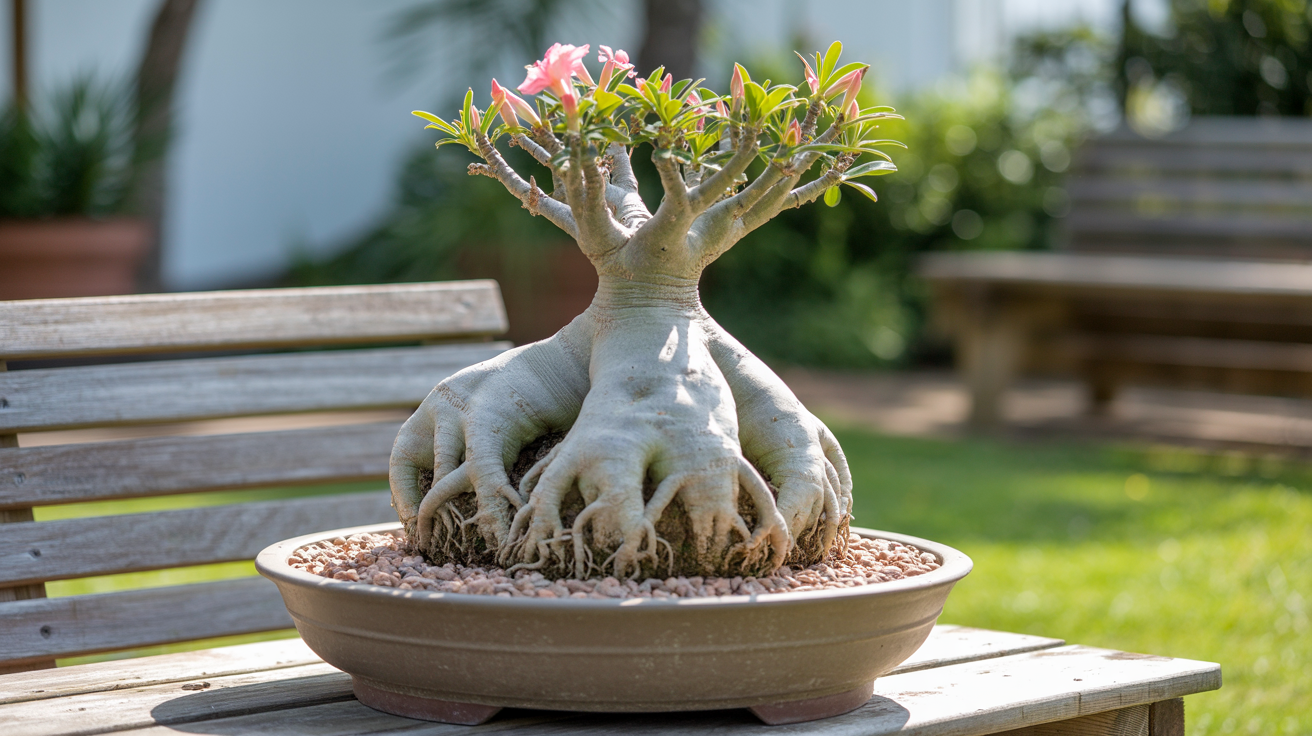
We will say it plainly: Adenium obesum and its cultivated variants remain one of the most misunderstood subjects in the broader bonsai conversation. While the community rightly celebrates junipers, maples, and figs, the adenium — and specifically the grafted hybrid cultivar known as Godji — is quietly producing some of the most visually dramatic caudex-and-root structures in tropical bonsai today. A recent short-form video circulating online (showcasing an Adenium Godji bonsai with a massive caudex and exposed root structure) has rekindled debate about whether this genus truly belongs at the serious bonsai table. In our view, the answer is an unambiguous yes — and most growers are holding themselves back by treating it as a novelty houseplant rather than a serious design subject.
What Most Guides Get Wrong About Adenium
The typical beginner article on adenium bonsai spends three paragraphs warning you about overwatering and then moves on. That caution is not wrong, but it misses the point entirely. The real design opportunity — and the real technical challenge — lies in nebari and caudex development, not in keeping the plant alive. Adenium obesum and its hybrids like Godji are succulent pachycauls, meaning their swollen base is not incidental; it is the primary aesthetic feature. Treating it as background scenery while chasing branch ramification is a fundamental misreading of the species.
What most guides also fail to mention is that Godji is a grafted cultivar, not a straight species. Its flower form and growth vigour differ meaningfully from standard A. obesum. Grafting is common in adenium cultivation precisely because desirable flower cultivars do not root true from seed. This means when you buy a “Godji bonsai” specimen, the lower caudex and roots belong to a rootstock plant, while the canopy comes from a named scion. Understanding this distinction matters enormously for design decisions, particularly when you are tempted to air-layer or propagate.
The Caudex Is the Tree: A Reframing
In traditional bonsai aesthetics, we read a tree from the nebari upward. With adenium, we would argue the logic inverts slightly: the caudex is the trunk, the nebari, and the focal point simultaneously. This is why surface-root training in adenium follows a different rhythm than in, say, a trident maple. Rather than encouraging lateral spread over years of ground-growing, adenium growers use a technique sometimes called the raised-pot method — progressively potting the plant higher in each repotting cycle, typically in late spring when soil temperatures are reliably above 18°C and the plant is entering active growth. Each cycle exposes more of the natural root buttress, which then thickens and hardens in air. Over three to five repotting seasons, this builds the dramatic above-soil root architecture you see on show-quality specimens.
A Simple Three-Step Approach for This Season
- Time your repot correctly. Wait until nighttime temperatures are consistently above 15°C — for most of Northern Europe this means May at the earliest, and for growers in temperate Asia, mid-April is often viable. Adenium roots are extremely sensitive to cold soil.
- Raise the planting position by one to two centimetres. Use a well-draining mix of approximately 60% pumice or perlite to 40% akadama. Do not bury the caudex base deeper than its previous soil line.
- Allow the newly exposed roots to callus for two weeks in bright, indirect light before resuming a normal watering schedule. This prevents rot at the newly exposed tissue.
Our Take
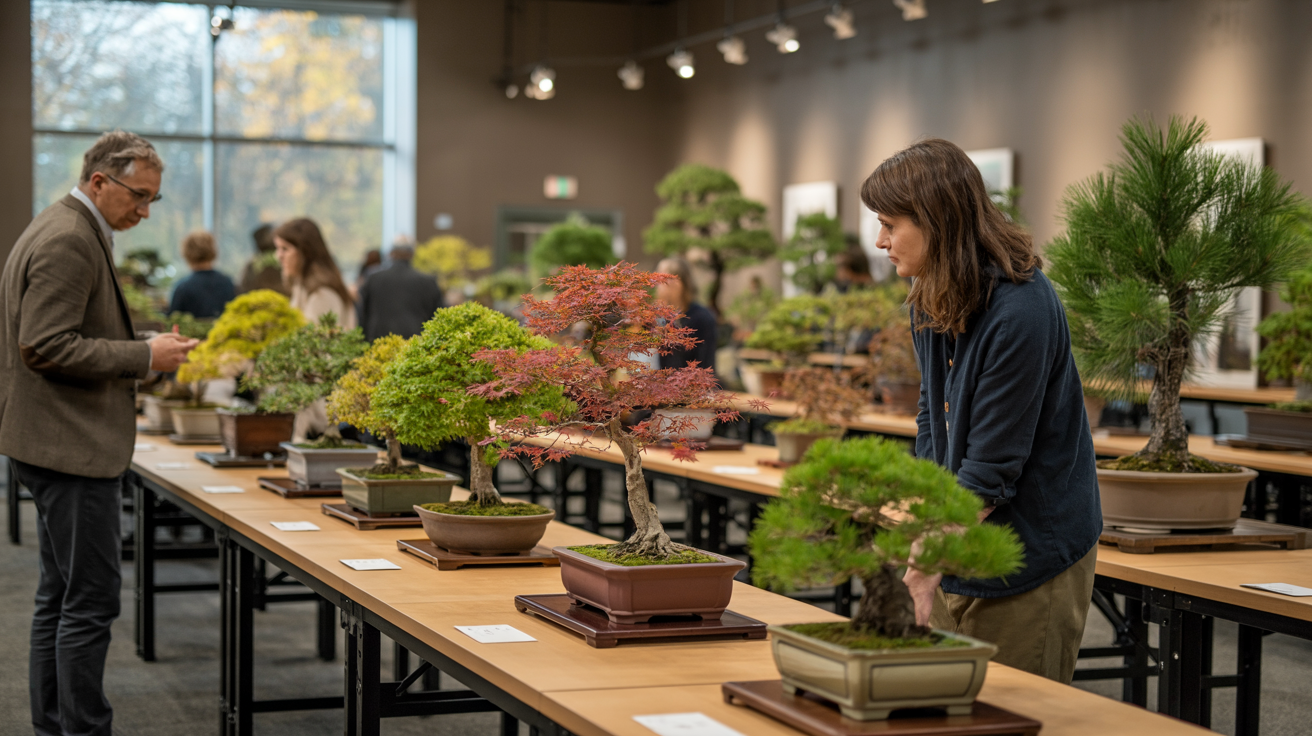
The adenium Godji specimen gaining attention online is a reminder that compelling bonsai aesthetics are not the exclusive property of temperate-zone species. The bonsai community benefits every time an unusual subject is taken seriously, worked with skill, and shown publicly. We have argued before that visibility at shows — even informal ones — is what legitimises new directions in the art; our piece on why local club shows are the most underrated force in British bonsai makes exactly that case. Adenium deserves a table at those shows, not a shelf in the greenhouse corner.
Actionable takeaway: If you grow an adenium and you have not yet attempted the raised-pot method, this coming repotting season is the moment. Choose a shallow, wide ceramic pot, raise your planting line, and commit to documenting the root exposure year by year. The caudex will reward your patience in ways that few other bonsai subjects can match.
By Redazione Bonsai World
Article researched and written with AI assistance and reviewed by the Bonsai World editorial team.