
Why Local Bonsai Societies Are the Most Underrated Resource in the Hobby
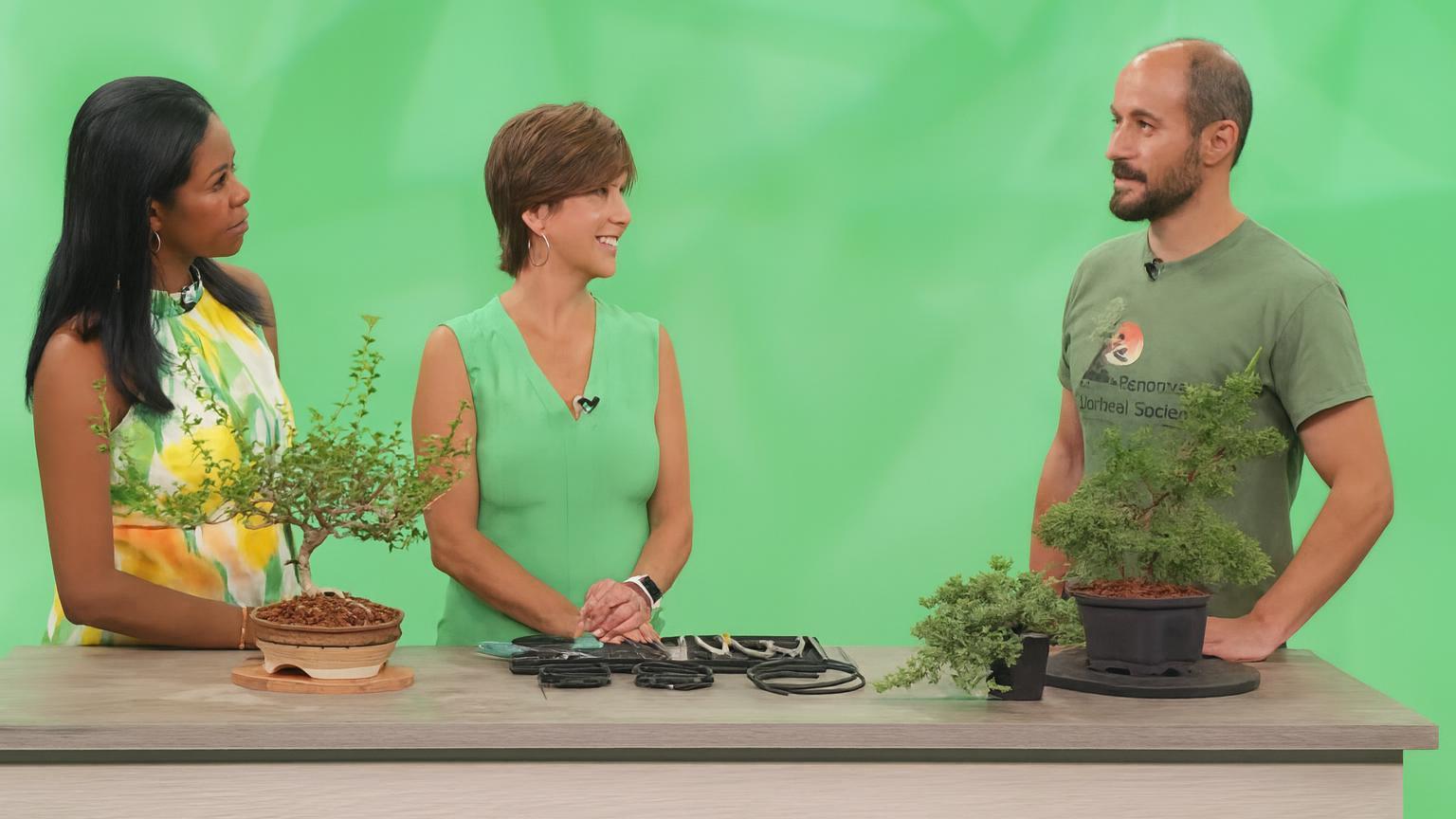
We rarely say this plainly enough, so here it is: if you are serious about developing your bonsai practice, joining a regional society will teach you more in a single afternoon than six months of YouTube tutorials. The upcoming auction hosted by the Suncoast Bonsai Society — scheduled for Saturday, August 15, 2026, from 9:00 AM to 3:00 PM at the Park View Room, Seminole City Park — is exactly the kind of event that deserves far more attention from the broader bonsai community than it typically receives. WFLA’s coverage of Jesse Belknap and the Suncoast Bonsai Society frames this as a feel-good local story, and it is. But we think it points to something structurally important that most hobbyists miss entirely.
What Most Guides Get Wrong About Learning Bonsai
The dominant advice for beginners is to start with a forgiving species — typically Ficus microcarpa or Juniperus procumbens — and work through a beginner book. That advice is not wrong, but it leaves out the single most accelerating factor in skill development: real-time feedback on a living tree from someone who has killed a few. Books cannot tell you that the Bald Cypress (Taxodium distichum) you picked up at a Florida nursery will backbud aggressively if you hard-prune in early spring but sulk dangerously if you do the same in late August. A society member in Seminole County who has grown that species outdoors for a decade can tell you exactly that, in a five-minute conversation, at an auction table.
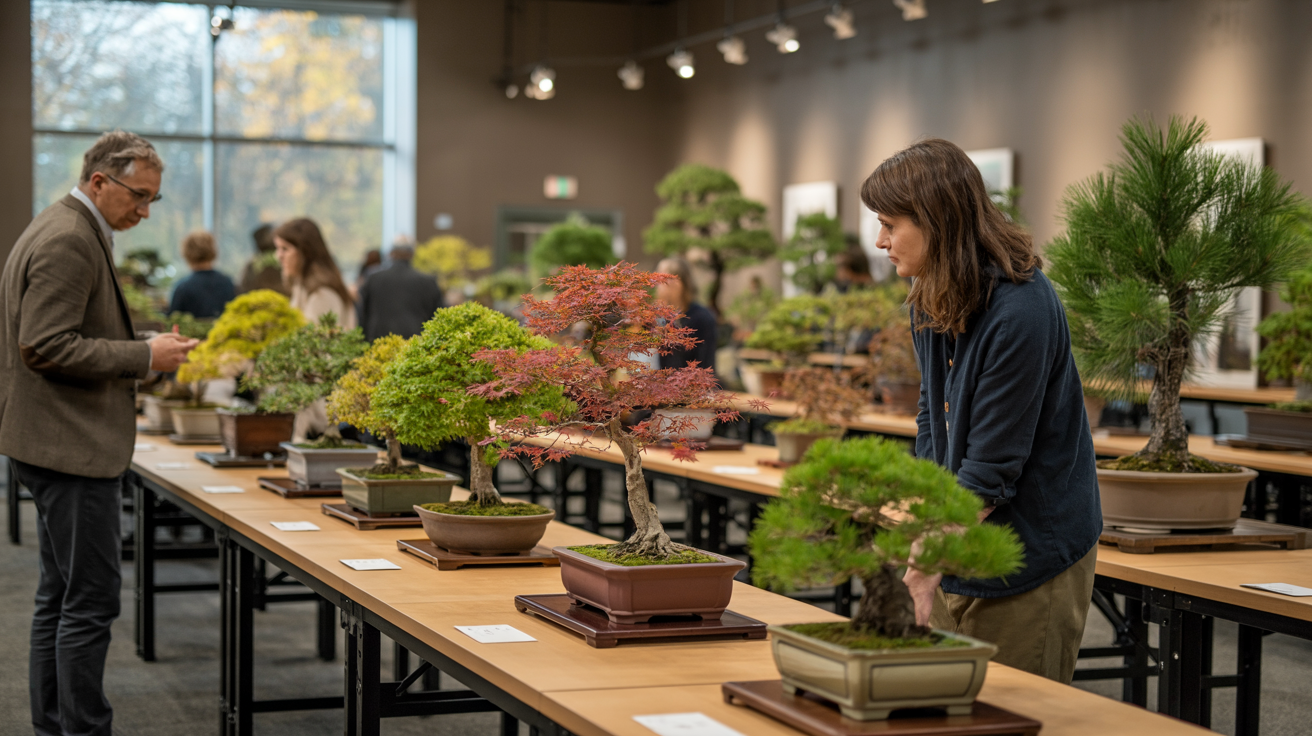
Auctions in particular are underestimated as learning environments. The trees on offer are not the polished, finished specimens of a formal exhibition. They are often mid-development material — trees with honest movement, visible wire scars, and nebari still being coaxed outward. Evaluating those trees forces you to read taper, apex structure, and root flare simultaneously, which is a skill no single tutorial isolates cleanly.
One Concrete Technique: Reading Pre-Styled Stock at an Auction
When you approach a tree at an event like this, we would argue the following sequence extracts the most information before you commit to a bid:
- Crouch to soil level. Look at the nebari from below the pot rim, not from standing height. Surface roots that look balanced from above often reveal a dominant one-sided flare only from this angle.
- Rotate the pot 90 degrees. Most trees have one primary front, but auction material sometimes has a superior secondary front that the presenter simply did not notice.
- Check internode length on the most recent flush. Short internodes on new growth in a subtropical species like Ficus suggest the tree was grown in controlled shade and will need a season of full sun reacclimation before hard styling.
- Ask the seller which season the last repot occurred. A tree repotted in summer in Florida’s humidity is a different risk profile than one repotted in February before the growth flush.
None of these steps appear in most beginner auction guides. They are the kind of situational knowledge that circulates inside societies and rarely makes it into print.
Our Take
Florida’s climate supports an unusually wide palette of bonsai species — from Taxodium distichum to subtropical figs to succulent-type trees. Societies operating in that region, like the Suncoast Bonsai Society, are developing regional horticultural knowledge that is genuinely specific and not interchangeable with advice written for temperate climates. That knowledge lives in the people at these events. Attending even once, with no intention to bid, is worth your Saturday morning.
If you are curious about pushing Florida-friendly species in unconventional directions, our feature on Adenium as Bonsai: Why the Desert Rose Deserves Far More Respect Than It Gets covers a genus that thrives in exactly this climate and rewards the kind of hands-on experimentation that society membership accelerates.
Actionable takeaway: Before August 15, 2026, look up one species you have never grown that is native or naturalized to the Florida Gulf Coast region. Arrive at the Seminole City Park auction with one specific question about that species written down. Leave with an answer from a human being who has grown it outdoors in that soil and that sun.
By Redazione Bonsai World
Article researched and written with AI assistance and reviewed by the Bonsai World editorial team.