
Why Regional Bonsai Shows Matter More Than National Exhibitions
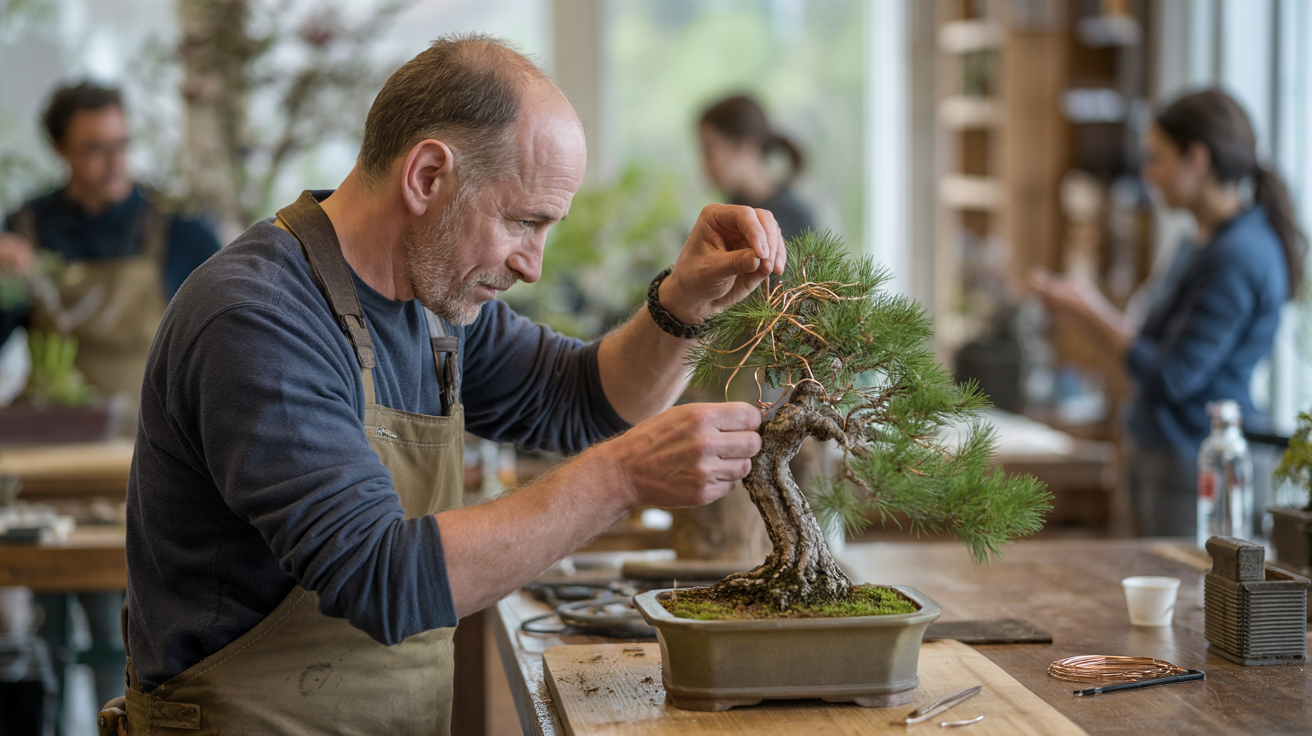
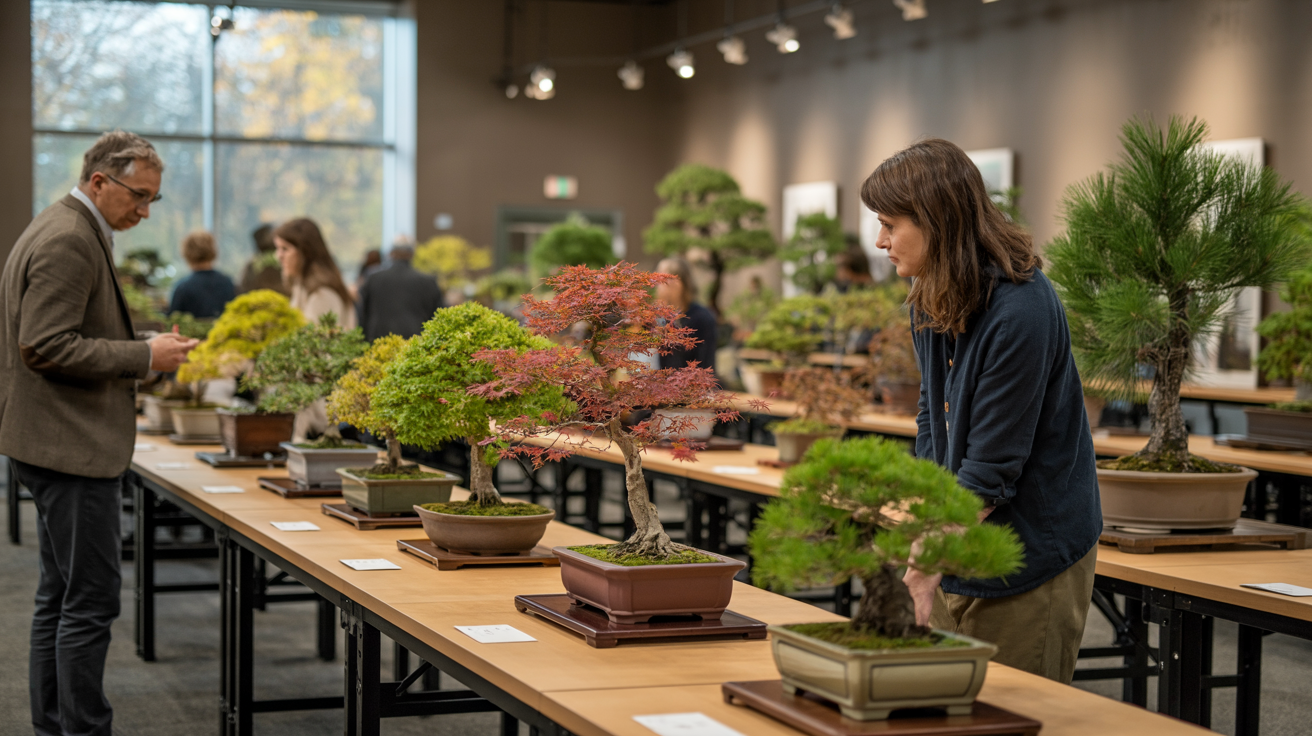
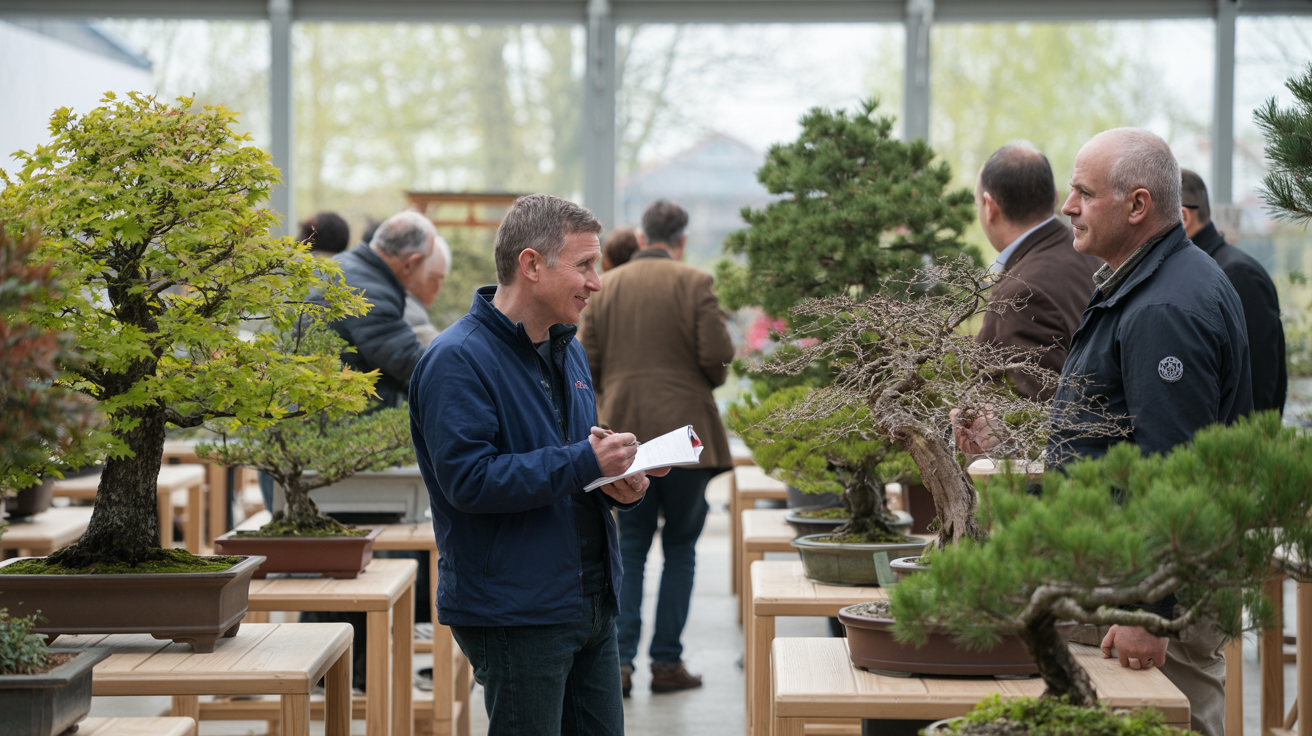
We’ve noticed a troubling trend in the bonsai world: enthusiasts flock to the big-name national exhibitions while overlooking the regional shows that actually shape our community. The Pittsburgh Bonsai Society’s 45th annual show reminds us that local exhibitions are where real learning happens, where beginners get their start, and where regional styling innovations emerge that never make it into the glossy magazines.
The Knowledge Gap No Book Can Fill
In our view, the most valuable aspect of regional shows is something most guides completely miss: climate-specific cultivation wisdom. A Pittsburgh grower working with Eastern White Pine faces fundamentally different challenges than a California enthusiast styling the same species. Winter hardiness, summer humidity, soil moisture retention—these variables demand local expertise that only a regional community can provide.
National shows showcase perfection. Regional shows teach you how to achieve it in your backyard. We would argue that attending three local shows will advance your skills more than visiting one prestigious national exhibition, simply because you can actually speak with the growers who deal with your exact growing conditions.
What Regional Shows Get Right About Deciduous Material
Here’s what most bonsai literature gets wrong about temperate deciduous species: the advice is either too general or skewed toward Japanese climate conditions. A 45-year-old society like Pittsburgh’s has accumulated nearly half a century of data on which maple cultivars survive zone 6 winters in ceramic pots, which American hornbeam collection sites produce the best nebari, and exactly when to defoliate in a region where summer arrives late and leaves early.
This granular, unsexy knowledge is what separates trees that thrive from trees that merely survive. You won’t find “wait until May 20th to repot trident maples in southwestern Pennsylvania” in any published guide, but you’ll hear it repeated like gospel at a Pittsburgh show—because it works.
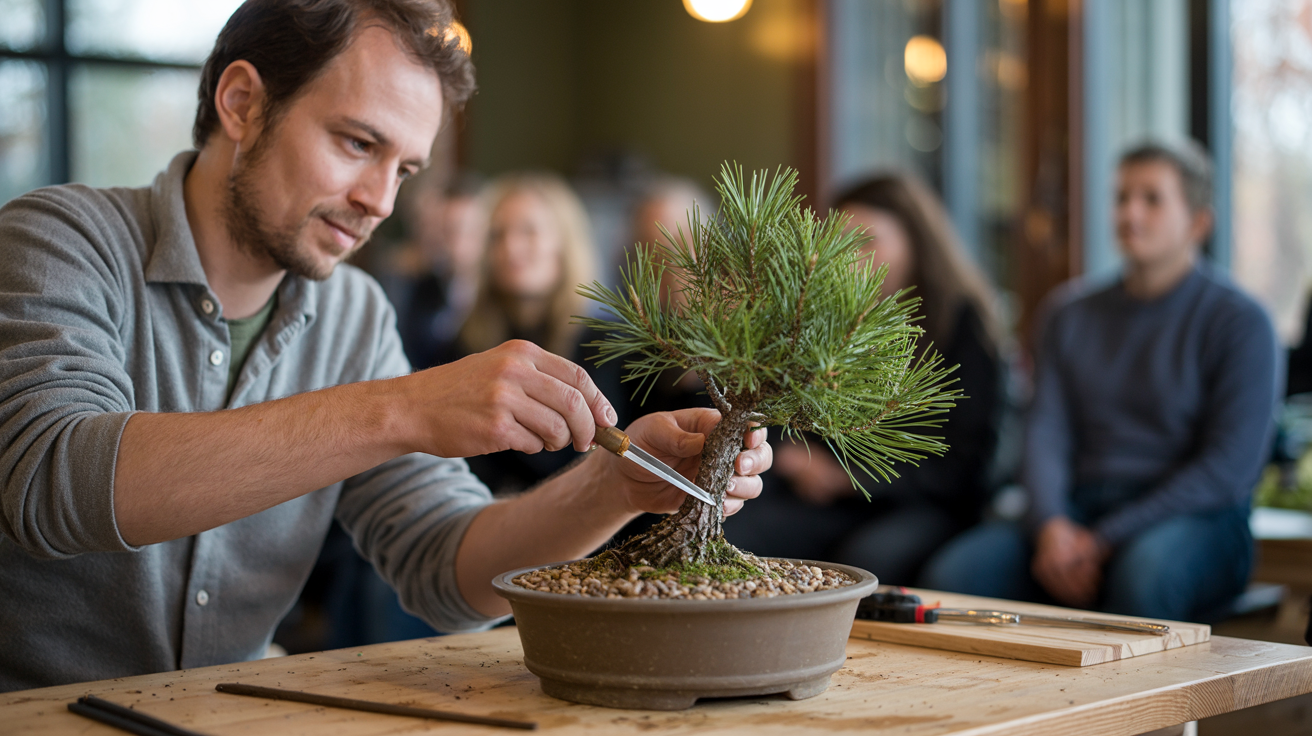
A Practical Technique: The Regional Show Workshop Method
We recommend this approach for maximizing learning at any regional exhibition:
- Identify three trees displayed in species you currently own or plan to acquire
- Photograph each tree from multiple angles, including close-ups of branch structure and nebari
- Find the owner or curator and ask one specific technical question about seasonal timing: when they repot, when they prune, when they apply fertilizer
- Record their answers with the month and week, not just the season
- Create a regional cultivation calendar based on these conversations, not generic advice
This method works because you’re gathering hyperlocal data points that account for your specific frost dates, humidity patterns, and day-length cycles. A grower in Pittsburgh dealing with lake-effect weather patterns has cracked codes that simply don’t apply in Denver or Miami.
Why Longevity Indicates Real Value
A society celebrating its 45th annual show signals something important: institutional knowledge transfer across generations. The member who joined in 1980 with a collected yamadori juniper has watched that tree evolve for four decades. They’ve seen which techniques produced lasting results and which trendy methods failed after ten years.
This temporal dimension—watching trees mature over decades within a consistent climate zone—is irreplaceable. We believe this is why regional societies often produce more accomplished hobbyists per capita than areas with larger but younger organizations.
Our Take
Regional bonsai shows are the backbone of American bonsai culture, not a minor league preparing enthusiasts for national exhibitions. They’re where climate-adapted techniques develop, where beginners find mentorship, and where the art form actually lives and breathes.
Actionable Takeaway: Before the growing season starts, identify your nearest regional bonsai society show and commit to attending. Bring a notebook, your climate zone information, and specific questions about timing for the species you grow. The regional expertise you gain will be worth more than any book published for a national audience.
This article was created with AI assistance by the Bonsai World editorial team.