
Why Diplomatic Bonsai Events Matter More Than You Think
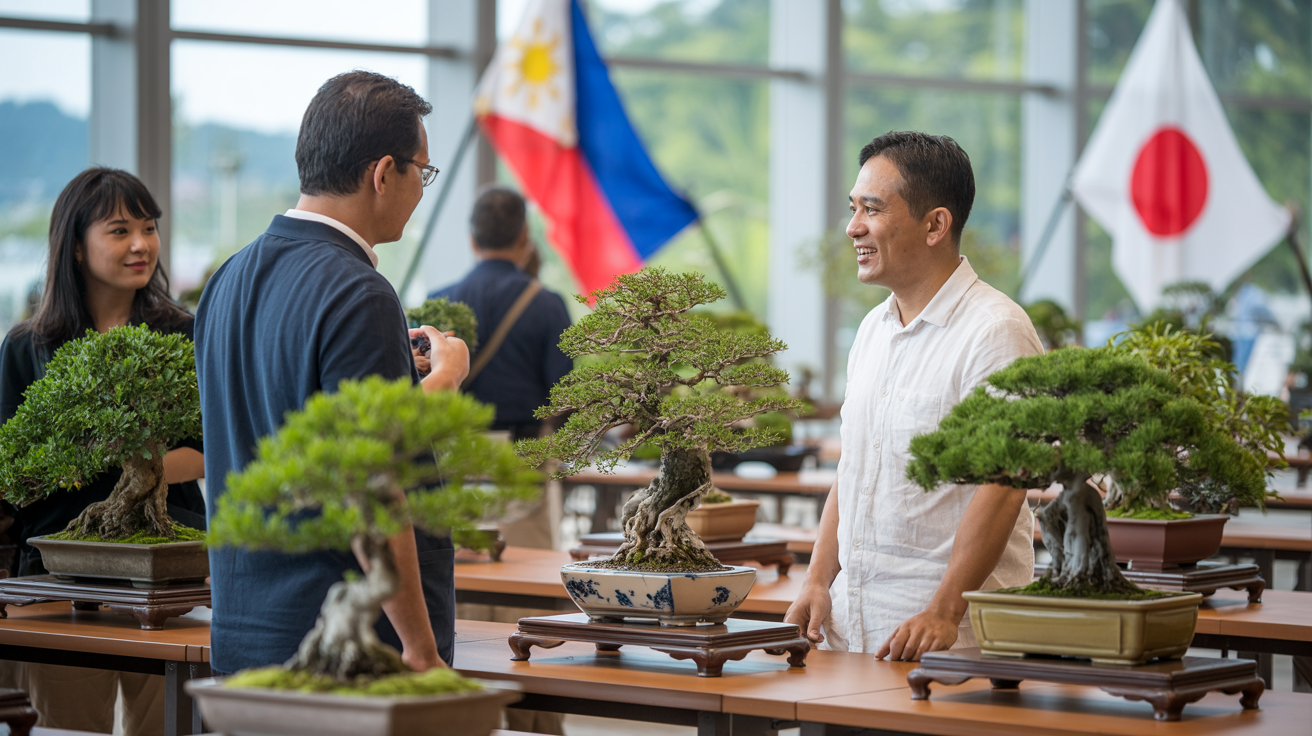
We’ve watched bonsai diplomacy unfold for decades, but the recent appearance of Japan’s envoy at the National Bonsai Show in the Philippines—reported this week—signals something we believe the Western bonsai community has fundamentally misunderstood about the art’s global evolution.
In our view, most growers fixate on Japanese techniques and aesthetics while ignoring the profound cultural exchange happening in Southeast Asia. The Philippines, Indonesia, Vietnam, and Thailand have developed distinct regional approaches that deserve equal standing with traditional Japanese methods. When a Japanese diplomat celebrates Filipino bonsai mastery, it’s not mere courtesy—it’s acknowledgment that the art has genuinely evolved beyond its origins.
What Most Guides Get Wrong About Tropical Adaptation
Here’s where we see the disconnect: conventional bonsai literature still treats tropical and subtropical climates as obstacles to overcome rather than advantages to exploit. Filipino growers have spent decades perfecting techniques for species like Wrightia religiosa, Ficus benjamina, and native Premna varieties that simply don’t appear in classic Japanese texts. The conventional wisdom says you need cold dormancy for refined ramification. We would argue that’s only true if you’re limiting yourself to temperate species.
Take Wrightia religiosa, commonly called water jasmine. This Southeast Asian native produces extraordinarily fine branching without any winter chill requirement. The technique Filipino masters have refined—and this is what standard guides miss entirely—involves strategic defoliation during the wet season, not the traditional spring timing. Between June and August, when monsoon rains provide consistent moisture, partial defoliation triggerseback-budding that would fail catastrophically in drier months.
A Concrete Technique: Monsoon-Season Defoliation
Here’s our recommended approach for tropical Ficus and Wrightia species during high-humidity periods:
- Select only the largest leaves on each branch, leaving smaller foliage intact
- Cut—don’t pull—at the petiole base with sterilized scissors
- Remove no more than forty percent of total leaf mass in a single session
- Increase watering frequency by roughly twenty percent for two weeks post-defoliation
- Expect new shoots to emerge within ten to fourteen days if ambient humidity remains above seventy percent
The critical detail: this only works when natural rainfall or high ambient moisture can support the tree’s increased transpiration needs during regrowth. Attempting this in air-conditioned indoor environments or during dry seasons will stress the tree beyond recovery.
Why Regional Exchange Elevates Everyone
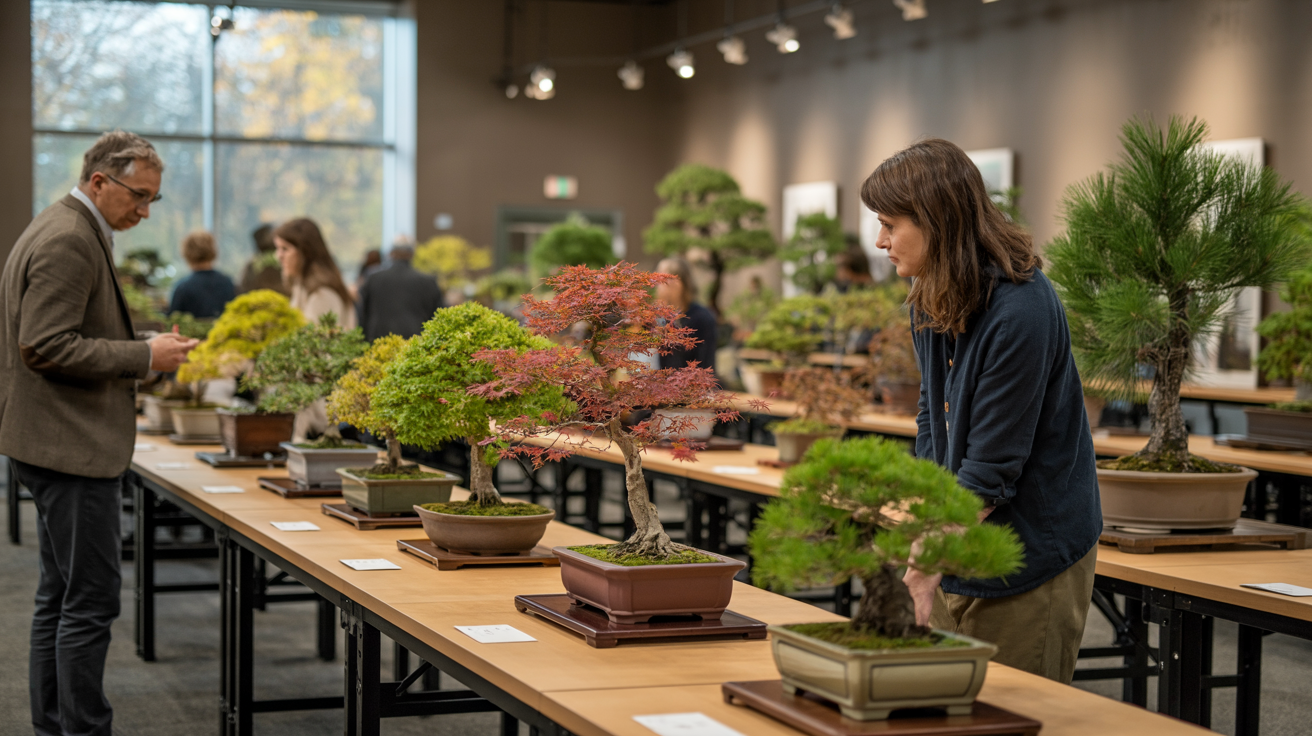
Diplomatic gestures like the envoy’s appearance matter because they validate knowledge-sharing between regions with different growing conditions. Japanese black pine techniques won’t help you manage a Samanea saman in Manila’s climate, just as Filipino methods for buttonwood won’t translate to Hokkaido winters. What we need—and what events like the Philippine National Show provide—is mutual respect for regionally adapted expertise.
The Philippines has become a testing ground for year-round development schedules that challenge the spring-summer-fall-winter framework most books still follow. We’ve seen Filipino growers achieve nebari development and trunk thickening at rates that would take twice as long in temperate zones, simply because they can work trees every month of the year with appropriate adjustments.
Our Take
Bonsai diplomacy isn’t just symbolic—it’s a recognition that the art’s future depends on integrating tropical and subtropical methods into mainstream practice. The Japanese envoy’s presence at a Philippine show acknowledges what we’ve been saying for years: there’s no single “correct” approach, only techniques suited to specific climates and species.
Actionable Takeaway: If you’re growing tropical species, stop forcing them into temperate-zone care schedules. Identify your region’s wet season and experiment with partial defoliation during peak humidity months. Document your results. The next breakthrough technique might come from your bench, not a centuries-old manual.
This article was created with AI assistance by the Bonsai World editorial team.