
In our view, few contemporary practitioners embody the living bridge between traditional Chinese penjing and the global bonsai movement quite like Zhao Qingquan. While his work is deeply rooted in classical Chinese aesthetics, what distinguishes Zhao is his ability to articulate—through his trees—a philosophy that speaks to growers across cultural boundaries. We’ve followed his career with sustained interest, not because he represents a radical departure from tradition, but because he demonstrates how profound mastery can make ancient principles feel urgent and relevant today.
A Distinctive Approach to Natural Expression
Zhao Qingquan is widely regarded as a leading figure in contemporary penjing, particularly known for his work with native Chinese species and his commitment to what might be called expressive naturalism. Unlike approaches that emphasize rigid formal structures, Zhao’s trees often display a kind of controlled wildness—branches that sweep and turn with apparent spontaneity, yet reveal, upon closer examination, meticulous structural planning. This is not the manicured perfection of some contemporary styles, nor is it the untamed chaos of collected yamadori left largely unrefined. Instead, we see in his work a third way: trees that look as though they’ve weathered decades on a mountainside, yet possess an unmistakable artistic intentionality.
What strikes us most about his styling is the attention to negative space and the rhythm of branch placement. Zhao appears to understand that what you remove is as important as what you leave behind. His compositions breathe. There’s room for the eye to travel, to rest, to discover secondary and tertiary points of interest. This is a lesson many Western growers, trained in denser Japanese aesthetics, can profitably absorb: that emptiness is not absence but presence of a different kind.
Influence and Philosophical Grounding
Zhao’s influence extends beyond his own trees. He is known for his teaching and his efforts to elevate the theoretical foundations of bonsai and penjing practice. In our assessment, this is where his true contribution lies. Many masters create stunning individual works; fewer succeed in articulating a transferable framework that helps others see differently. Zhao has worked to codify principles of proportion, balance, and seasonal expression in ways that honor lineage while remaining accessible to newer practitioners.
His philosophy, as we understand it from his demonstrated work, emphasizes harmony with the intrinsic character of the material. Rather than imposing a preconceived design onto every tree, Zhao seems to ask what each specimen wants to become, then guides it toward that expression. This requires patience, observational skill, and the confidence to let years pass between major interventions—a counterpoint to the instant-gratification pressures of our digital age.
Our Take: The Lesson of Restraint
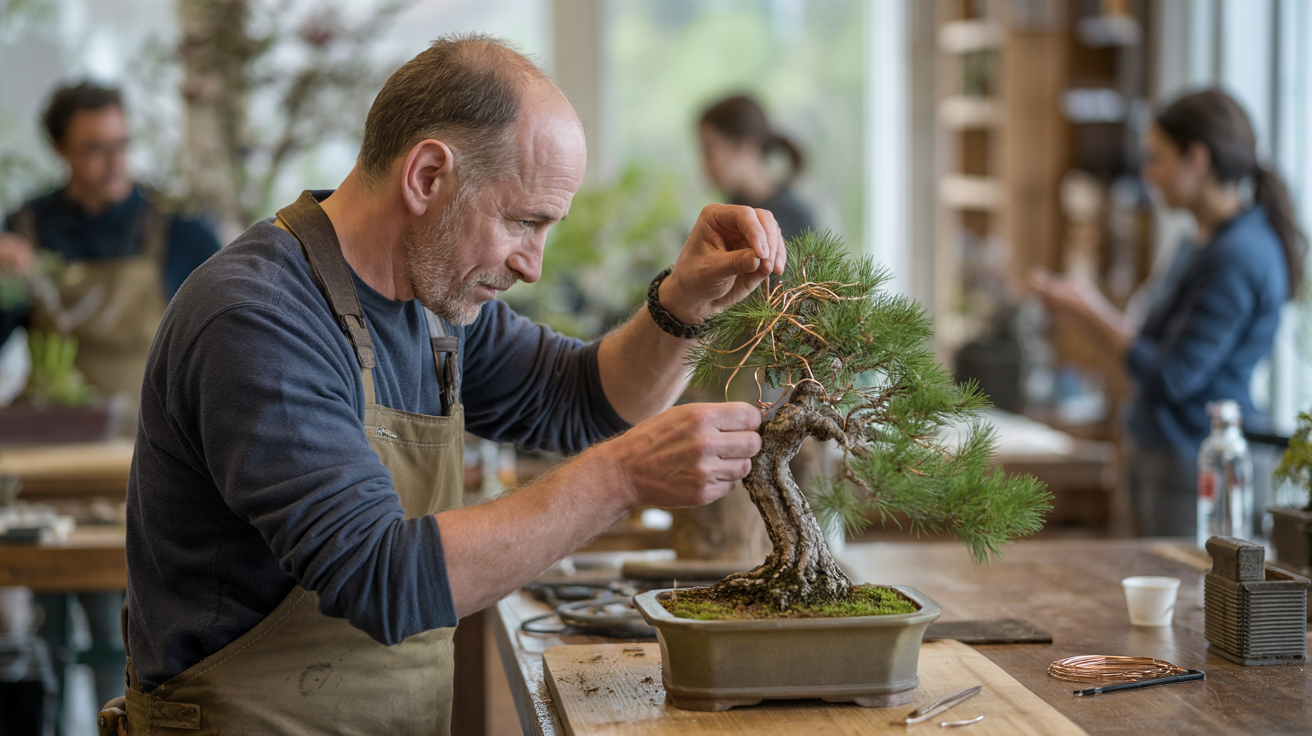
If we were to distill one actionable principle from Zhao Qingquan’s body of work, it would be this: learn to stop sooner than you think you should. Western growers, ourselves included, often fall into the trap of overwiring, overcorrecting, overpruning. We see a flaw and rush to fix it in a single session. Zhao’s trees suggest an alternative rhythm—one where you make a single decisive intervention, then wait an entire growing season to assess the result. This requires faith in the tree’s resilience and your own initial judgment.
Takeaway: The One-Move Rule
Here’s something you can implement immediately: before your next styling session, identify the single most important structural change your tree needs. Make only that change. Wire only what that change requires. Then step away for at least three months. This discipline forces you to prioritize, to think systematically rather than reactively, and to develop the patience that separates competent technicians from genuine artists. It’s a practice we believe Zhao’s work implicitly teaches, and one that has the power to transform not just your trees, but your entire relationship with the art form.
This article was created with AI assistance by the Bonsai World editorial team.