
Cultural Diplomacy and the Bonsai Renaissance: What the Philippine National Show Teaches Us About Cross-Border Collaboration
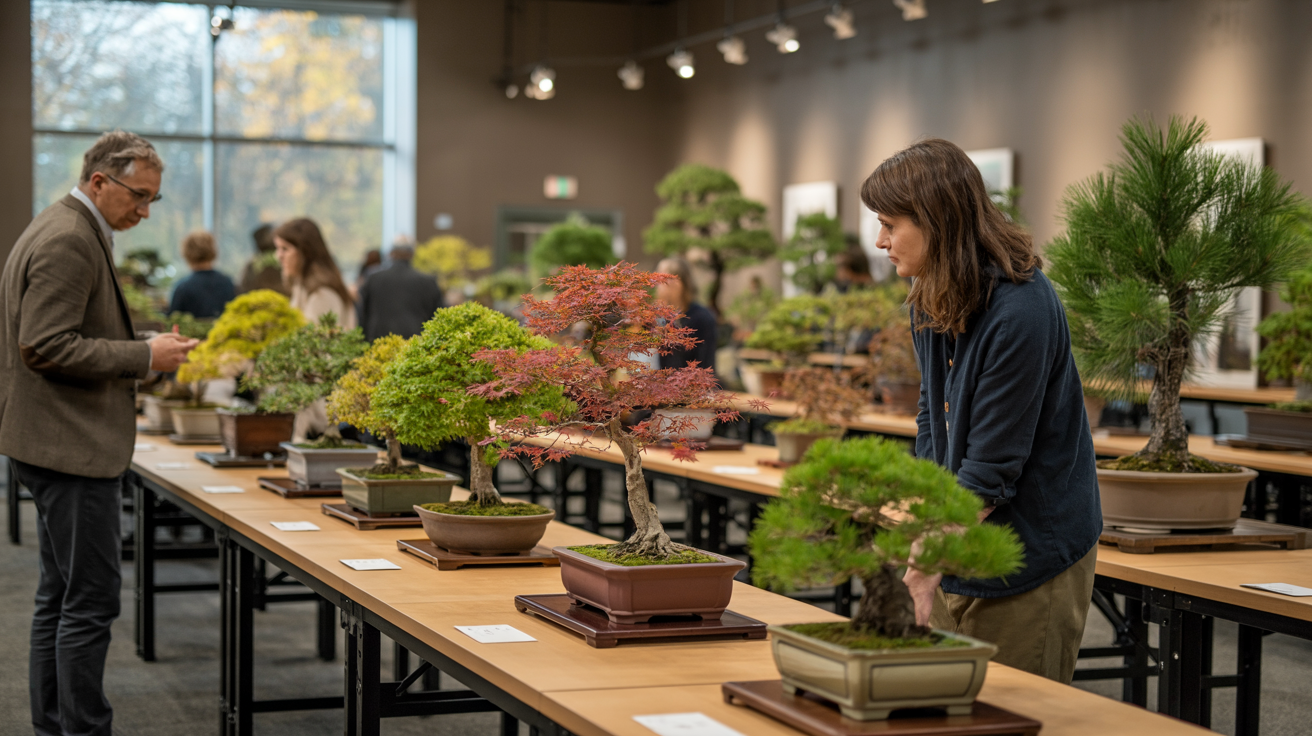
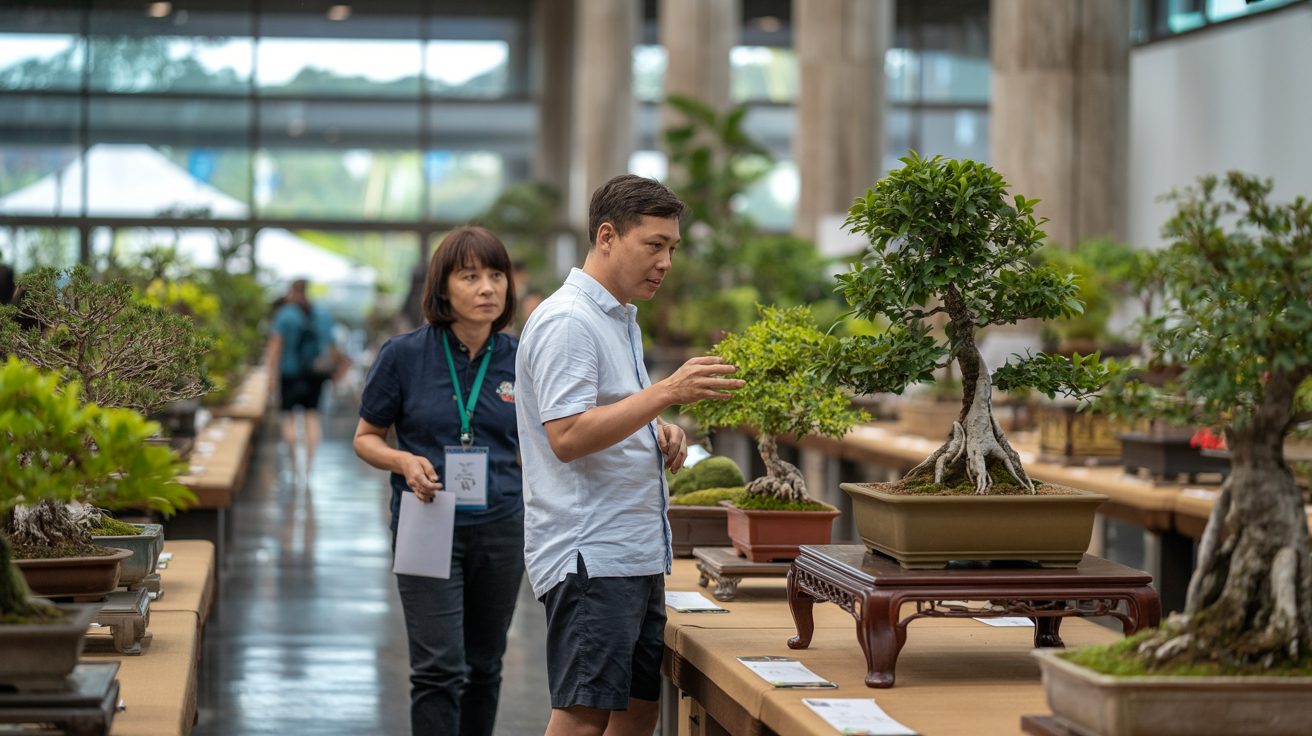
We have long believed that bonsai transcends borders, and recent events in the Philippines offer compelling evidence. When a Japanese diplomatic representative attended the National Bonsai Show, it was not merely ceremonial. In our view, this signals something far more significant: the maturation of Southeast Asian bonsai culture and the critical role international exchange plays in advancing technique.
Why Tropical Bonsai Deserves More Respect
Here is what most Western guides consistently get wrong: they treat bonsai as an exclusively temperate-climate art form, relegating tropical species to footnotes or dismissing them as inferior training material. We would argue this represents a profound misunderstanding. The Philippine bonsai community has spent decades developing sophisticated approaches to species that Japanese and European practitioners rarely encounter—Ficus microcarpa, Wrightia religiosa, and indigenous Philippine ebony among them.
The technical challenges of tropical bonsai are distinct but no less demanding. Without winter dormancy to reset growth patterns, practitioners must master continuous refinement techniques. Branch ramification in tropical figs, for instance, requires a completely different defoliation rhythm than deciduous maples. Where a Japanese maple might be defoliated once in early June in temperate zones, a healthy Ficus microcarpa in tropical conditions can sustain partial defoliation every six to eight weeks during active growth, encouraging finer branching while maintaining tree vigor.
The Collaboration Advantage
What excites us about high-level diplomatic attention to regional shows is the institutional support it generates for knowledge exchange. When embassies recognize bonsai as cultural infrastructure rather than hobby activity, resources follow. We have observed this pattern repeatedly: official recognition leads to sponsored workshops, visiting master exchanges, and crucially, the translation and distribution of advanced technical literature that would otherwise remain siloed by language barriers.
The Philippines sits at a geographic crossroads where Japanese refinement traditions meet tropical biodiversity and Spanish colonial ceramic heritage. This convergence produces innovation. Filipino practitioners have pioneered rapid lignification techniques for soft-wooded tropical species that would astonish traditionalists, using strategic dehydration cycles and targeted foliar feeding that accelerate bark maturation by years.
A Concrete Technique: The Tropical Defoliation Protocol
For readers working with tropical fig species—whether Ficus benjamina, F. microcarpa, or F. retusa—here is a step-by-step approach refined by Southeast Asian growers:
- Wait until nighttime temperatures stabilize above 20°C (68°F) for at least two consecutive weeks
- Ensure the tree has been fertilized regularly for the preceding month with balanced NPK
- Remove only 60-70% of foliage, focusing on larger, older leaves while preserving younger growth near branch tips
- Immediately reduce watering by approximately half for one week, then gradually return to normal
- Expect new flush within 10-14 days; resume fertilization when leaves harden off
- Repeat the cycle no more frequently than every six weeks
This partial approach maintains photosynthetic capacity while triggering the ramification response, a compromise that most European guides ignore because temperate deciduous species tolerate complete defoliation differently.
Our Take
The Philippine National Bonsai Show, and the diplomatic attention it attracted, demonstrates that bonsai’s future lies not in preserving a static Japanese orthodoxy but in embracing regional adaptation and cross-pollination of techniques. Tropical practitioners are developing methods that will prove increasingly relevant as climate patterns shift globally. We need their innovations documented, celebrated, and integrated into the broader knowledge base.
Actionable takeaway: If you grow tropical species, stop applying temperate-zone timing to your work. Track your local temperature patterns and schedule defoliation, repotting, and major pruning based on actual growth flushes, not calendar dates borrowed from Japanese manuals. Your trees will respond with vigor that rigid seasonal adherence never produces.
This article was created with AI assistance by the Bonsai World editorial team.