
Why Cultural Diplomacy Matters More Than We Think for Bonsai’s Future
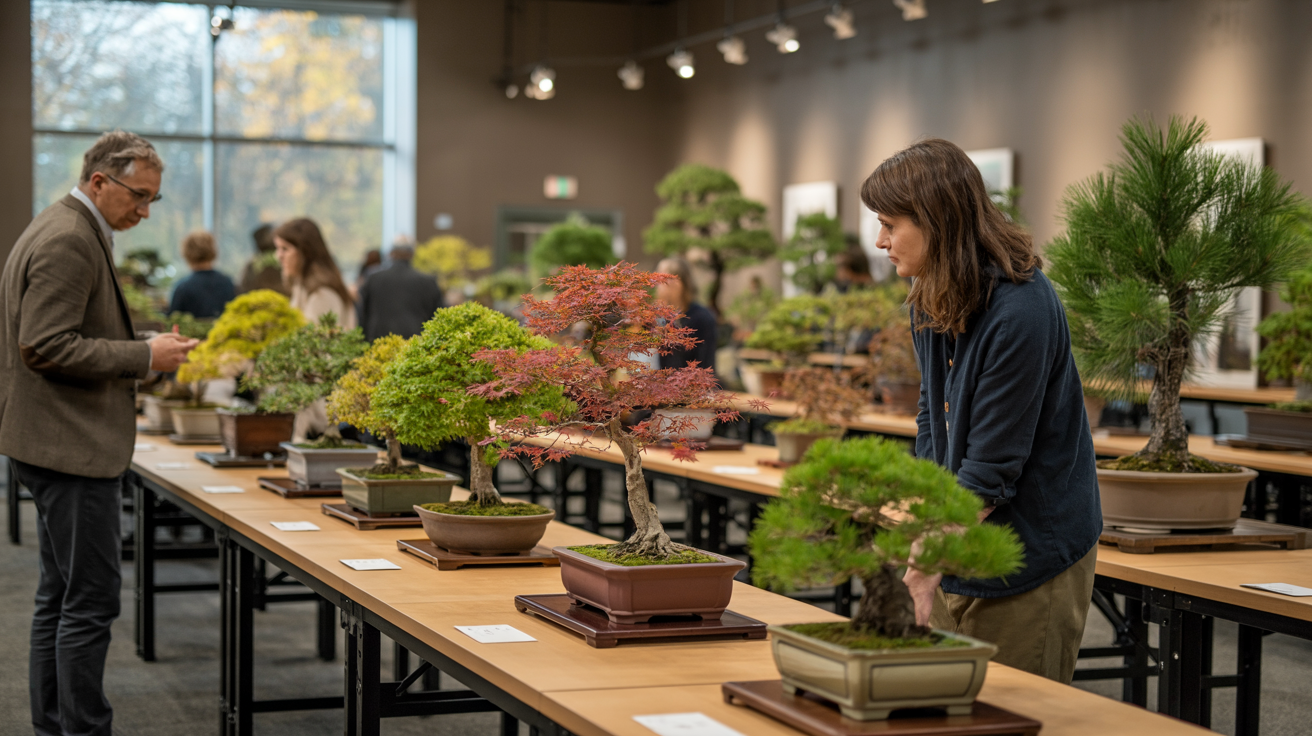
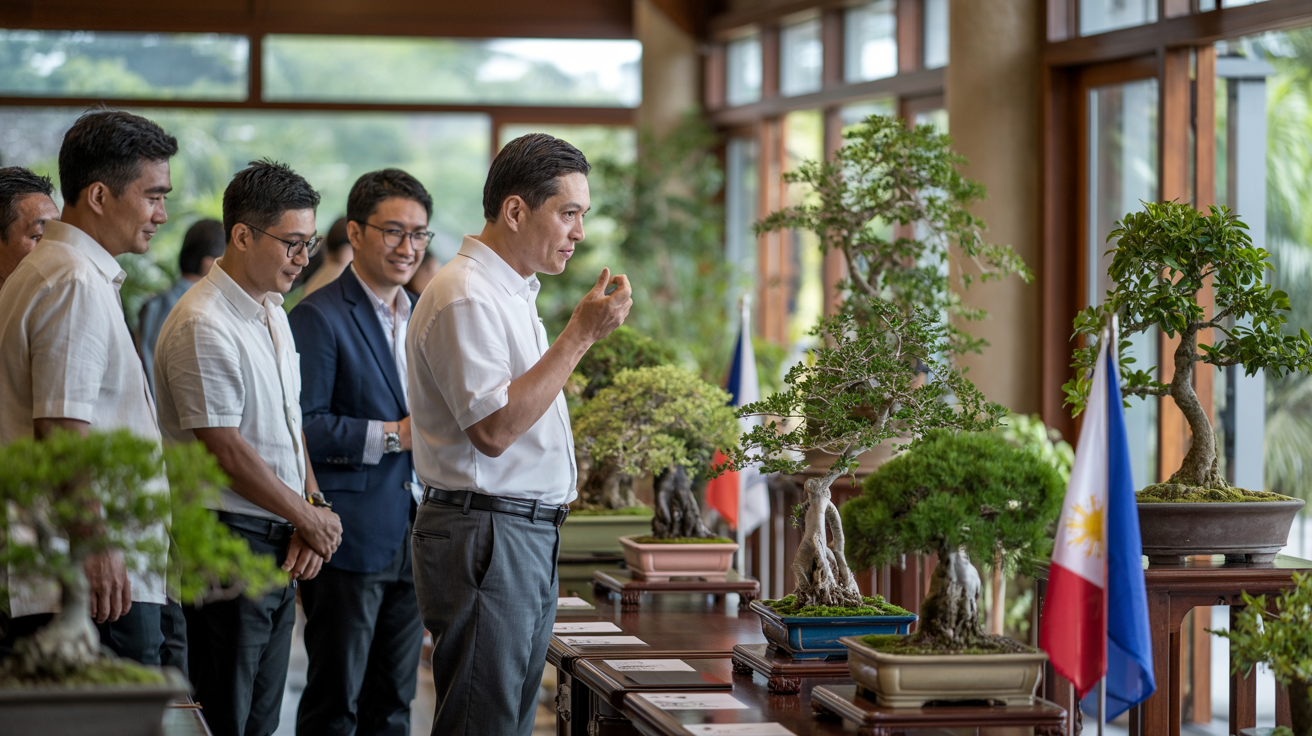
We’ve long held that the most critical challenge facing bonsai outside Japan isn’t technical knowledge or even access to quality material—it’s the erosion of cultural context. When a Japanese envoy attends a national bonsai exhibition in the Philippines, as recently happened, it signals something deeper than goodwill between nations. It validates what many practitioners in Southeast Asia already know: bonsai has evolved beyond its Japanese origins into a truly global art form, yet it still demands respect for its philosophical roots.
The Misunderstood Role of Cultural Exchange
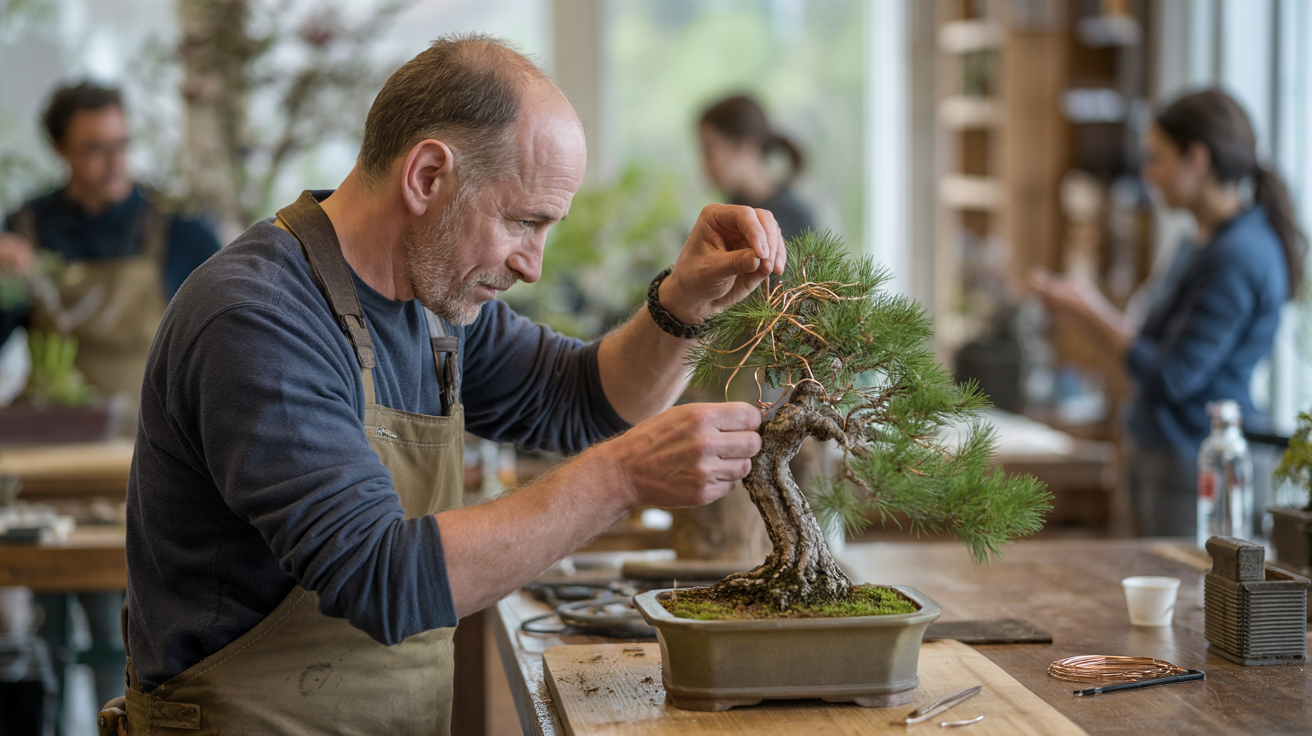
Most Western growers treat bonsai purely as horticulture with an aesthetic overlay. This is where we believe the majority of beginner guides go fundamentally wrong. They teach wiring before they teach patience. They explain root pruning before discussing the concept of wabi-sabi. The result? Trees that look technically competent but spiritually hollow.
In our view, events that bridge diplomatic and horticultural worlds serve a crucial educational function. They remind us that every cut, every wire placement, every repotting decision exists within a continuum of artistic and philosophical thought stretching back centuries. When governmental figures participate in bonsai exhibitions, they elevate the art form beyond hobby status and reinforce its legitimacy as cultural heritage worth preserving and transmitting accurately.
What Southeast Asian Growers Understand That Many Don’t
Filipino and broader Southeast Asian bonsai communities have developed techniques specifically adapted to tropical conditions that challenge conventional Japanese methods. This is innovation rooted in necessity, not disrespect. Working with species like Ficus retusa, Wrightia religiosa, and native Premna species requires different timing for major work.
Here’s a concrete technique we’d argue more growers should adopt from tropical practitioners: the two-phase defoliation approach for tropical fig species. Instead of complete defoliation in spring as recommended for temperate deciduous trees, remove only mature leaves while leaving young emerging growth intact. Wait three weeks, then remove the next generation. This staggers the energy demand and prevents the fatal shock that kills many tropical bonsai when growers blindly apply Japanese timing designed for Acer palmatum in April.
Specific Timing for Tropical Species
For Ficus species in tropical climates, perform major structural pruning during the dry season—typically February through April in the Philippines—when the tree naturally slows growth. Root work should follow at the onset of rains, usually May or early June, when vigorous growth resumes and recovery happens fastest. This contradicts the March repotting window recommended in most Japanese manuals, which assume temperate spring conditions.
Our Take: Diplomatic Events Create Educational Ripples
We would argue that high-profile cultural events do more for bonsai education than a dozen YouTube tutorials. They attract media attention that brings new enthusiasts to the art. They create institutional connections that facilitate knowledge exchange. Most importantly, they remind existing practitioners that bonsai exists at the intersection of horticulture, art, and cultural philosophy—not in any single domain alone.
The specific detail that matters here isn’t just that a diplomat attended a show. It’s that such attendance validates regional innovation while honoring traditional roots. It gives permission for Filipino growers working with Samanea saman or Adenanthera pavonina to develop new aesthetics without abandoning foundational principles.
Actionable Takeaway
Before you wire that branch or schedule your next repotting, ask yourself: am I applying this technique because it’s appropriate for my species and climate, or because a guide written for Japanese black pine told me to? Research how growers in your specific climate zone approach timing. Join regional bonsai societies that understand your conditions. Cultural exchange isn’t just about international relations—it’s about learning what works where you actually grow.
This article was created with AI assistance by the Bonsai World editorial team.