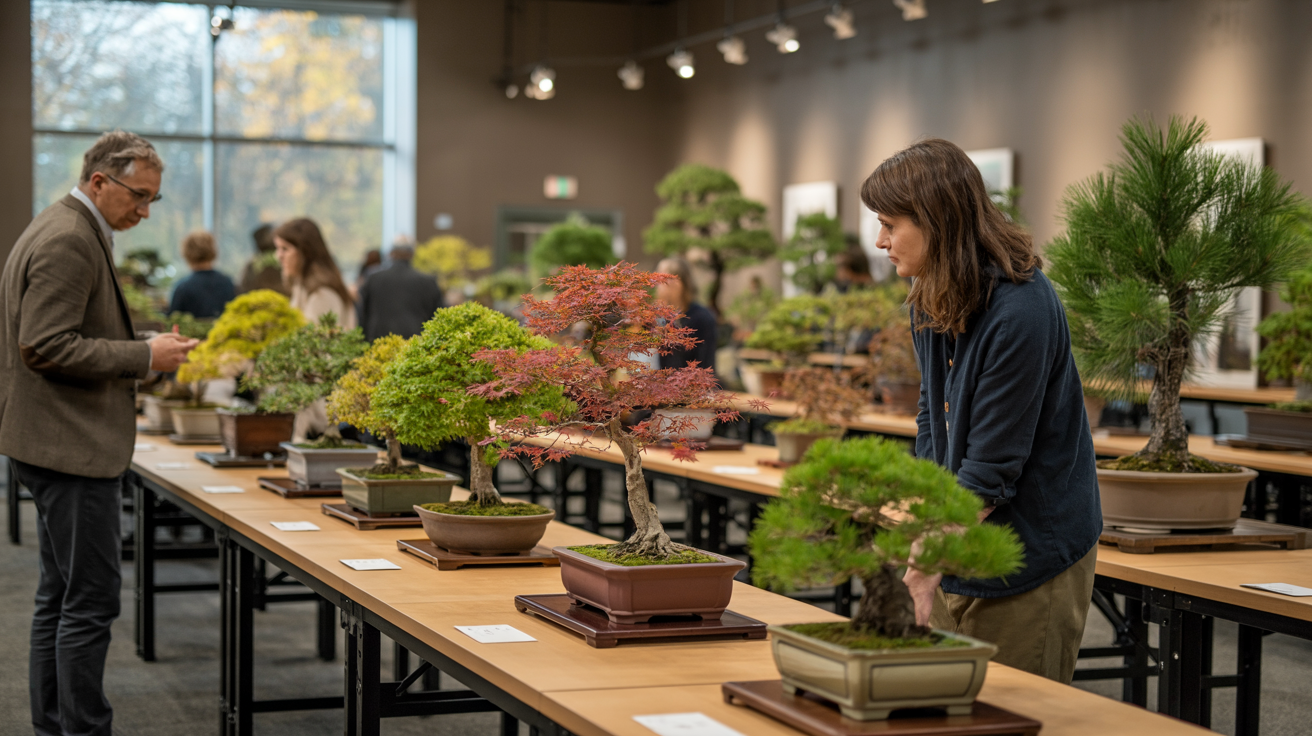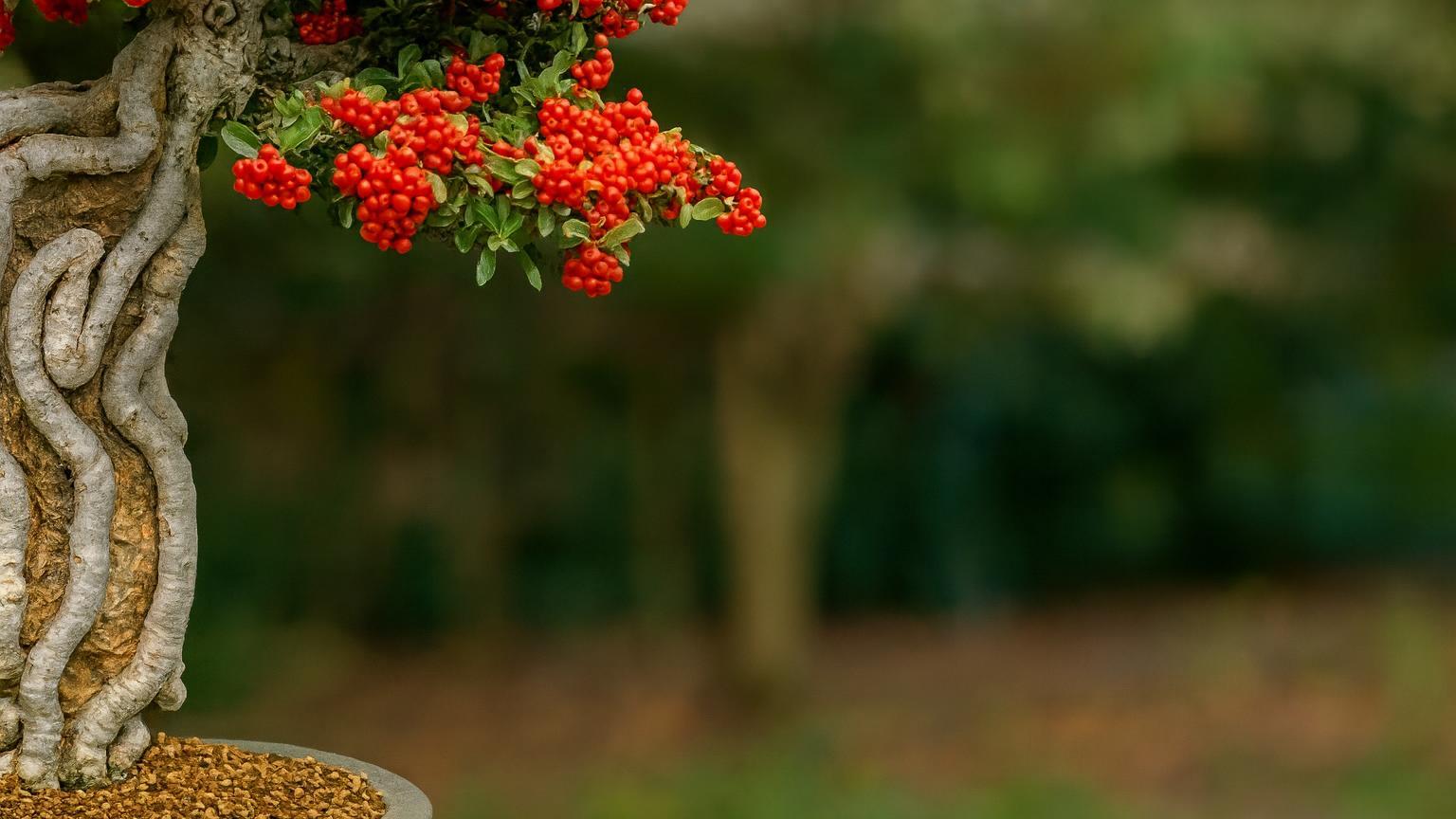

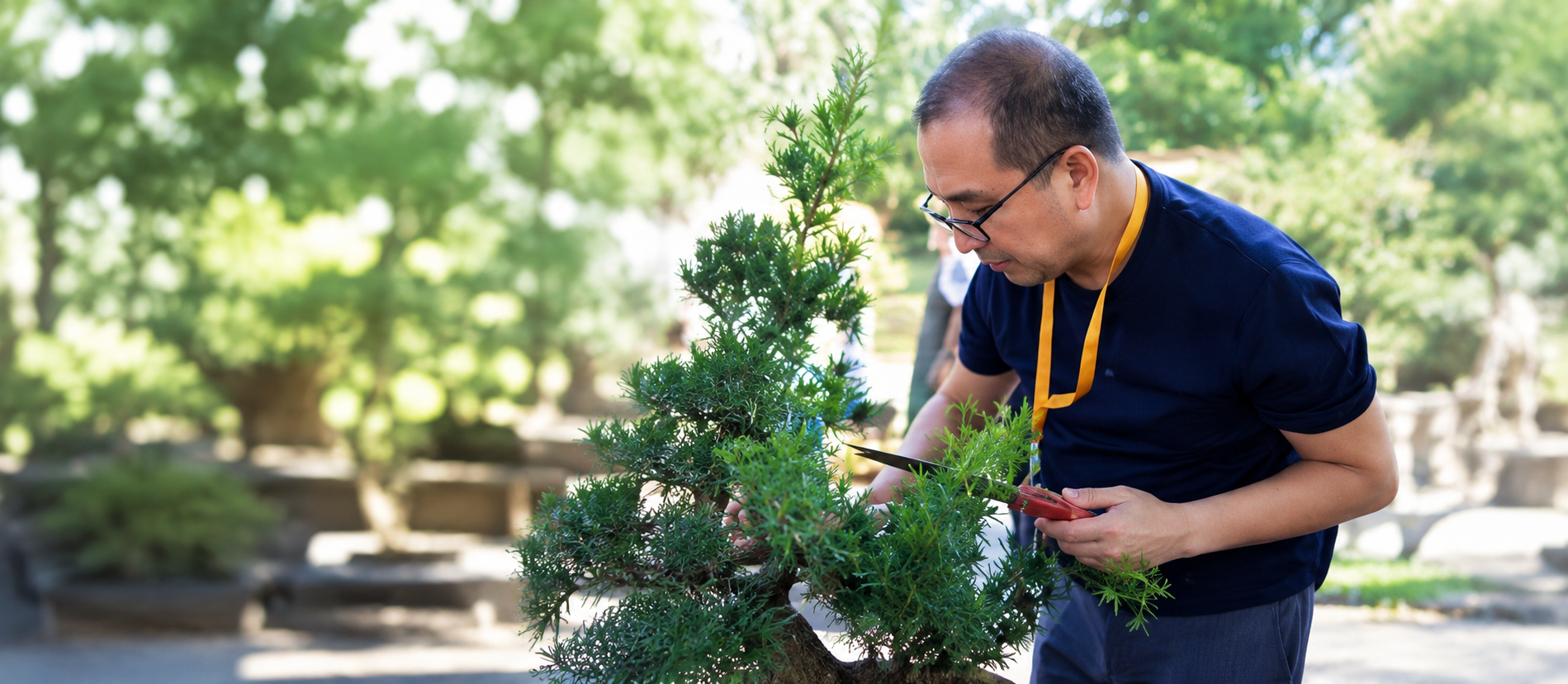
We first became aware of Michael Morden’s work through the increasingly visible presence of his trees in online bonsai communities and at exhibitions where his approach stood out for its emphasis on naturalism without sacrificing the structural discipline that defines great bonsai. What strikes us about Morden is not a single signature style, but rather his ability to read the inherent character of the material in front of him and amplify it with restraint—a quality that separates competent styling from genuine artistry.
A Distinctive Voice in Contemporary Bonsai
Morden is widely regarded as a practitioner who bridges classical technique with a more organic, less formulaic vision of what bonsai can be. His work demonstrates a clear understanding of traditional Japanese aesthetics, yet he does not appear bound by rigid adherence to convention. Instead, his trees often exhibit a kind of windswept vitality or rugged asymmetry that feels less curated and more discovered, as though the tree has been coaxed into revealing a form it always possessed.
This approach is particularly evident in his work with conifers, where he employs deadwood features—jin and shari—not as decorative flourishes but as integral elements that tell a story of survival and age. The result is bonsai that feel less like miniature ornaments and more like portraits of trees shaped by time and environment. In our view, this narrative quality is what makes his work resonate beyond the technical.
Influence and Philosophy
Morden’s influence can be felt in the growing number of enthusiasts who prioritize naturalism over perfection, who allow their trees to retain quirks and imperfections that speak to authenticity. He is known for encouraging growers to work with what the tree offers rather than imposing a preconceived design—a philosophy that requires both patience and humility. This is no small shift in a discipline where control and precision are often prized above all else.
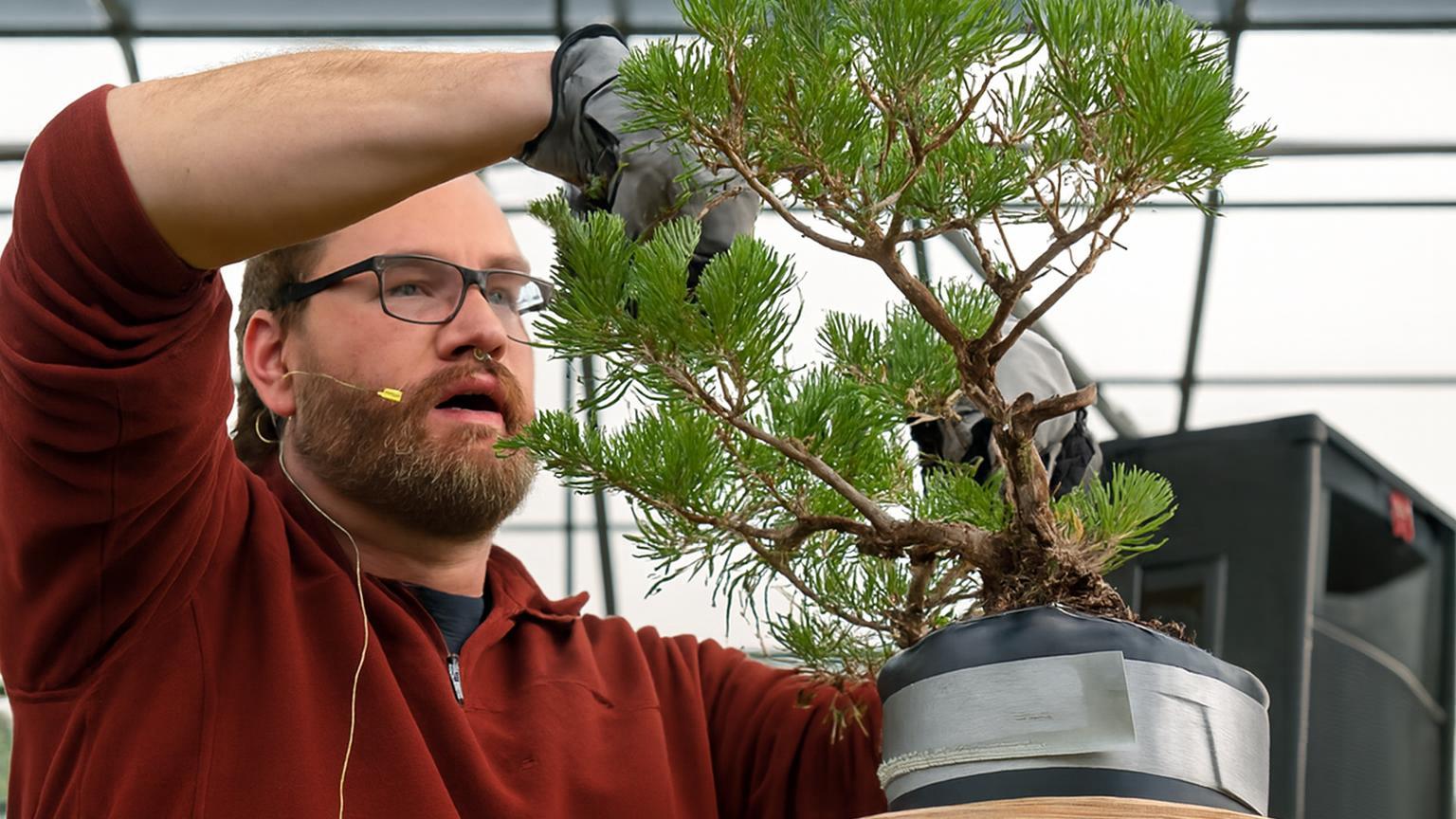
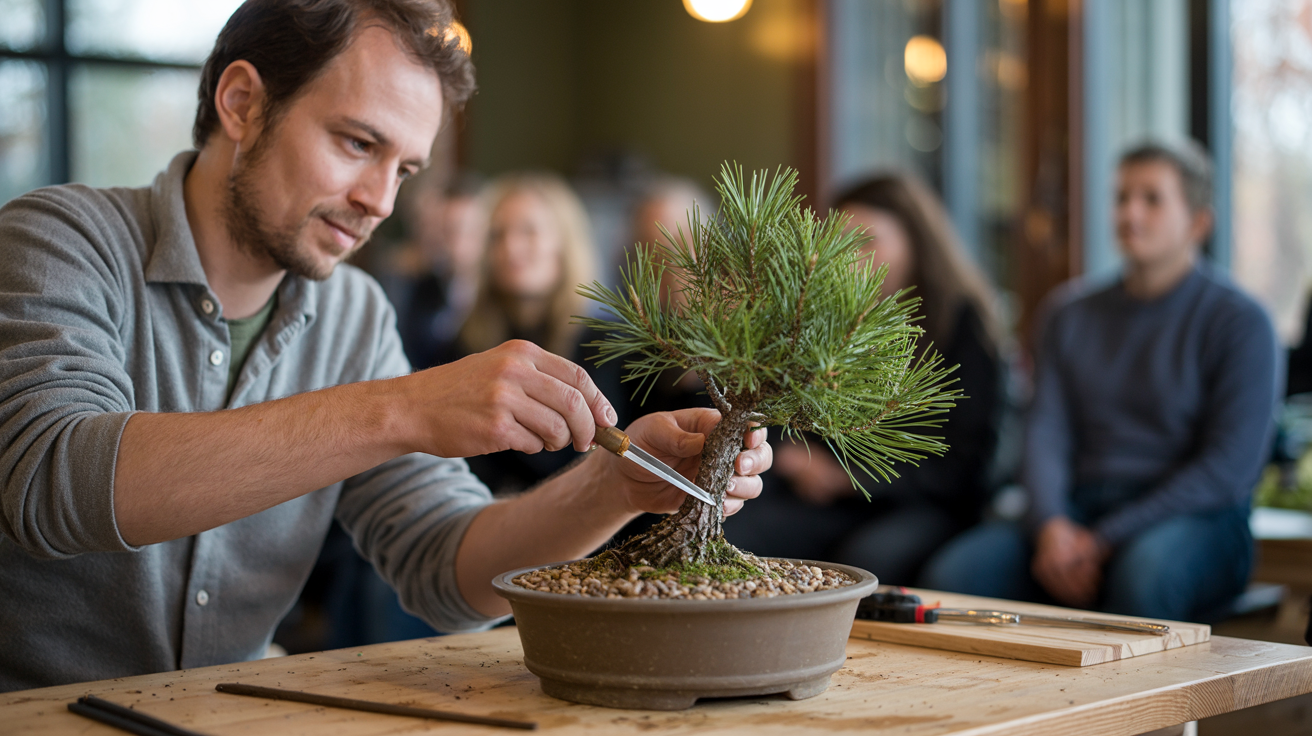
His teaching, whether through workshops or online platforms, consistently emphasizes observation. He encourages students to spend time simply looking at trees in nature, understanding how they grow, how they respond to wind and weather, and how age manifests in bark, branch structure, and foliage. This grounding in natural observation informs every styling decision and is, we believe, the foundation of his most compelling work.
What Growers Can Learn
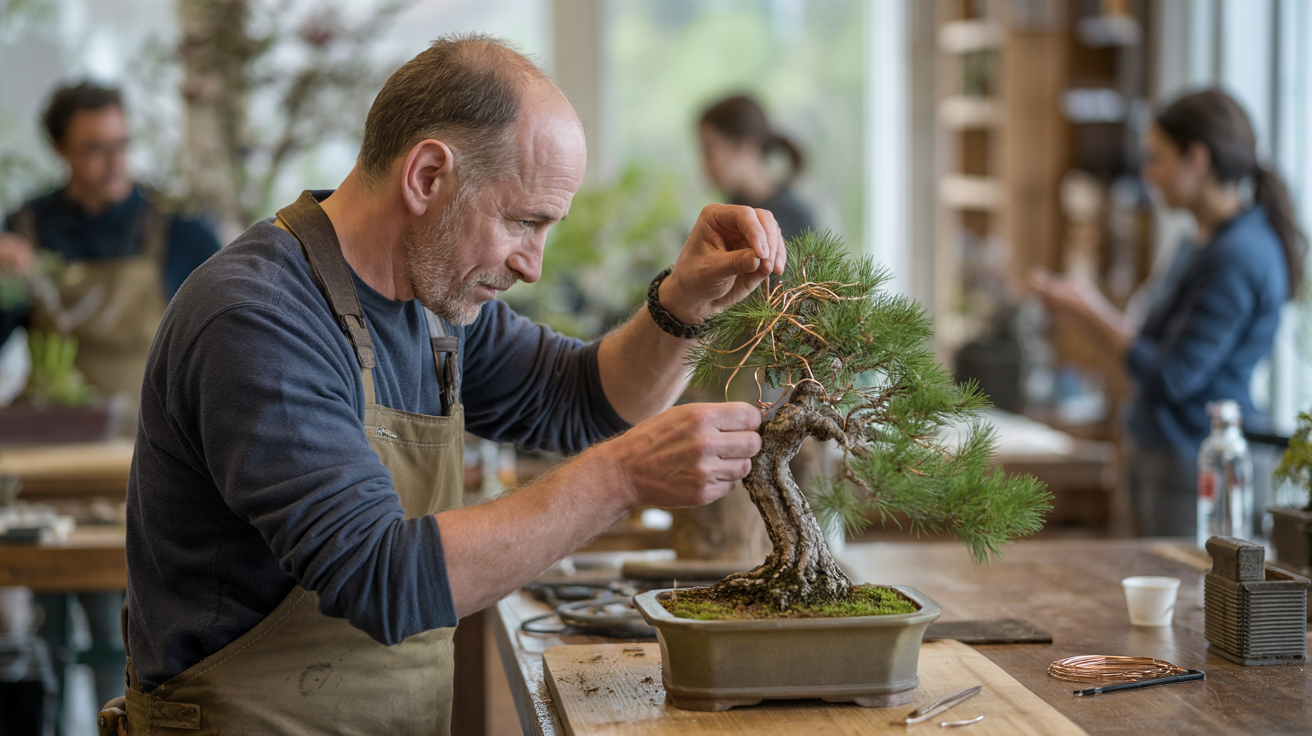
One concrete lesson from Morden’s approach is the importance of restraint in styling. It is tempting, especially for newer practitioners, to over-wire, over-prune, and over-style in an effort to achieve immediate results. Morden’s work demonstrates that sometimes the most powerful move is to do less—to remove only what is necessary, to wire only where guidance is essential, and to trust the tree’s own growth habits to contribute to the design. This restraint allows the tree to retain its vitality and natural movement, qualities that cannot be artificially imposed.
Another takeaway is his attention to deadwood. Rather than carving dramatic, sweeping features for visual impact alone, he integrates deadwood in ways that feel proportionate and weathered, as though shaped gradually by the elements. This requires understanding not just carving technique but also how to age and finish the wood so it harmonizes with living tissue.
Our Take
Michael Morden represents a maturing of contemporary bonsai practice—one that honors tradition while making space for individual interpretation and a deeper connection to the natural world. His trees do not shout for attention; they invite contemplation. In an art form that can sometimes skew toward technical showmanship, his work is a reminder that the best bonsai are those that feel alive, unpredictable, and true.
Actionable Takeaway
Before your next styling session, spend thirty minutes observing mature trees in a natural setting. Notice how branches emerge, how deadwood weathers, and where asymmetry creates balance. Bring that observation back to your bench and let it guide your hands toward restraint and authenticity.
This article was created with AI assistance by the Bonsai World editorial team.