
Why Beginners Don’t Need “Beginner” Bonsai: Lessons from Davao’s Workshop Model
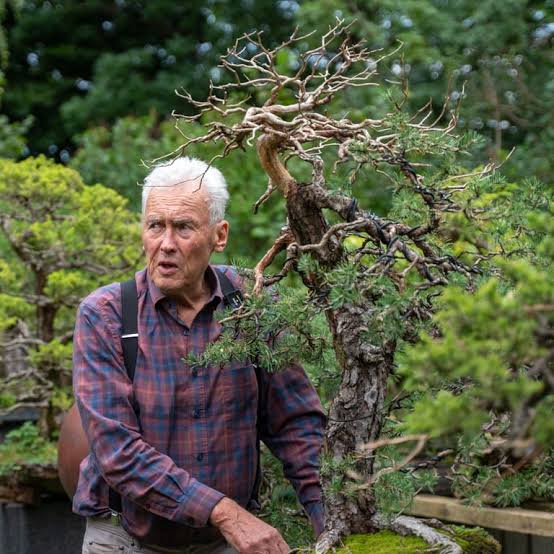
We’ve noticed a troubling trend in how bonsai gets taught to newcomers, and a recent workshop in Davao City offers a refreshing counterpoint. When bonsai artist Seishi Hirao—known as the “Bonsai Warrior”—traveled to the Philippines to lead a beginner-focused session as part of Japan-Philippines diplomatic anniversary celebrations, he didn’t start by handing out mass-produced junipers and demonstrating basic pinching. Our take: the prevailing “beginner bonsai” pedagogy is fundamentally backwards, and it’s keeping newcomers from developing real skill.
The Fatal Flaw of “Easy” Species
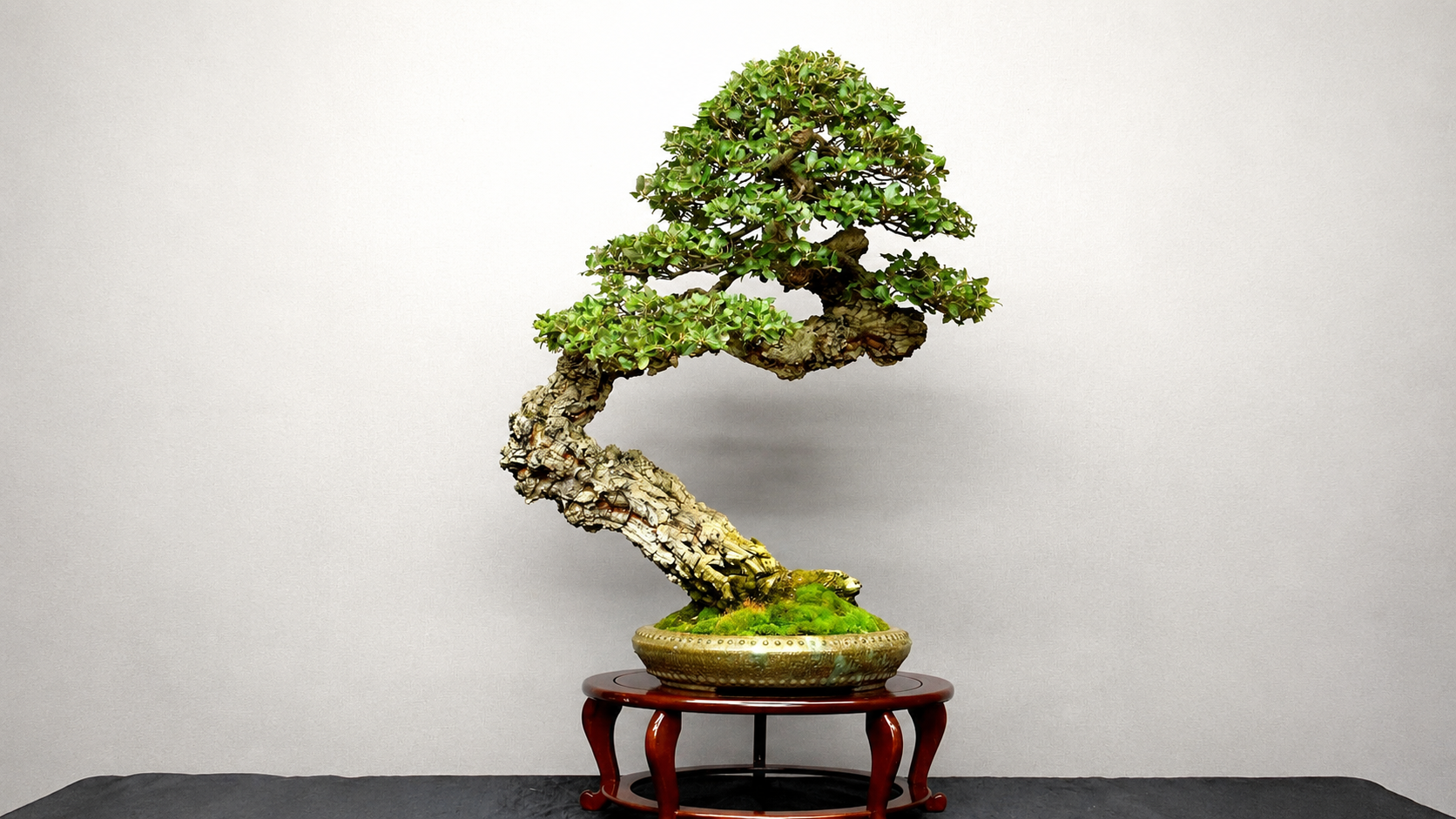
Most introductory workshops and guides make the same mistake: they prioritize forgiveness over learning. We’re told to start with Ficus or Chinese Elm because they’ll survive our errors. That’s precisely the problem. When your tree tolerates sloppy technique, you never learn proper technique. What we would argue instead is that beginners need clarity and demonstration more than they need indestructible material.
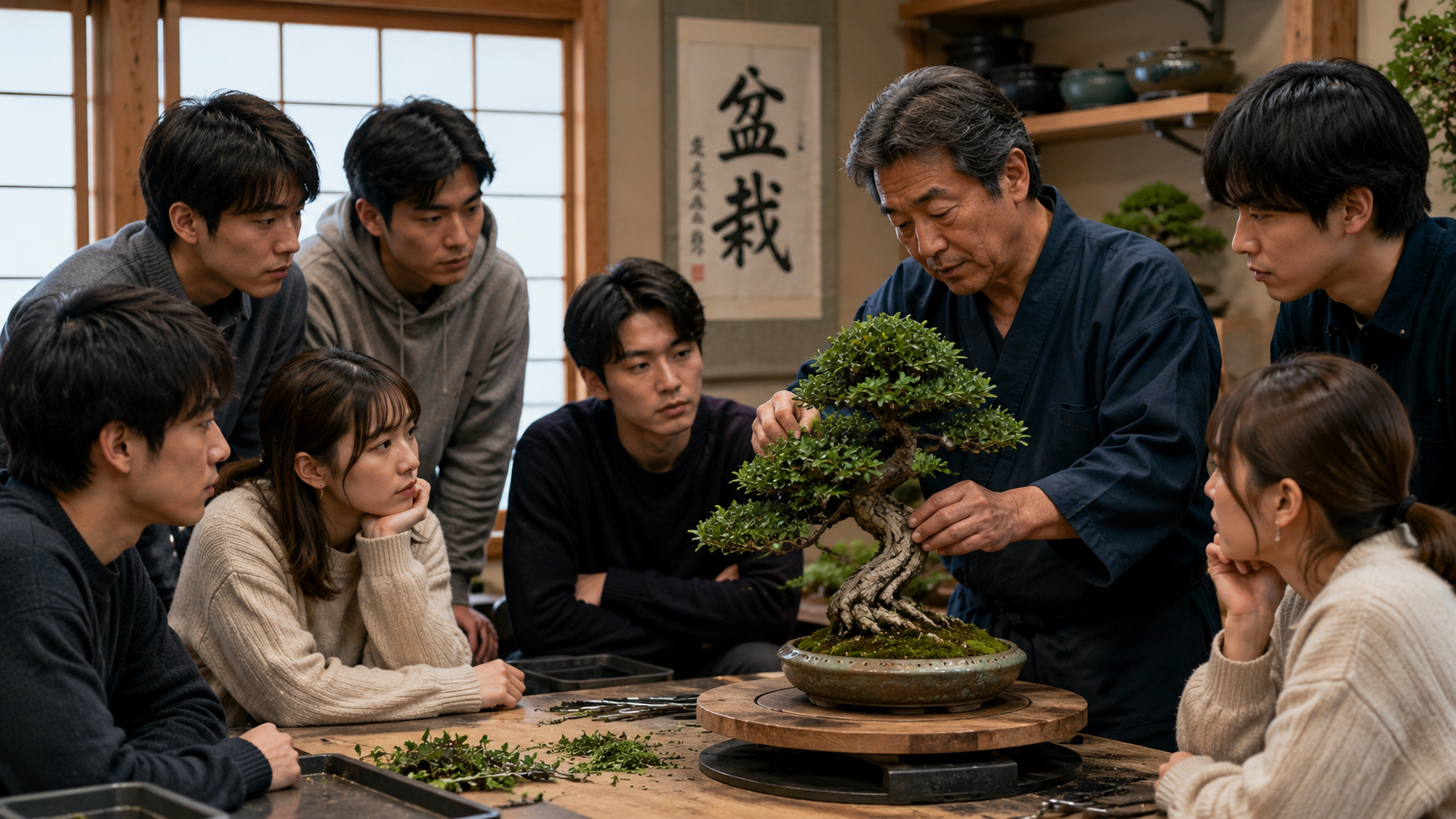
The Davao workshop model points toward something better. Rather than assembling a room full of novices with identical starter trees, the demonstration format allows newcomers to see skilled hands at work on quality material. They observe root work on established specimens, watch branch selection decisions unfold in real time, and witness the immediate visual consequences of each cut. This is how traditional apprenticeship actually functioned—not through dumbed-down exercises, but through observation and replication.
What Most Guides Get Wrong About Timing
Here’s a concrete example most beginner resources bungle: they tell you when to prune, but not why that timing matters. You’ll read “prune pines in autumn” without understanding that you’re trying to avoid excessive sap flow while still giving the tree time to callus before winter dormancy. In tropical climates like Davao, that advice becomes meaningless—there is no autumn dormancy to plan around.
This is where demonstration workshops excel. A skilled practitioner working with local species—whether that’s native Philippine tamarind, fire tree, or tropical figs—can show exactly how wound response differs in constant-growth conditions. They can demonstrate that in tropical environments, your pruning calendar needs to account for monsoon patterns and growth flushes rather than temperature-triggered dormancy.
A Technique Worth Learning Today
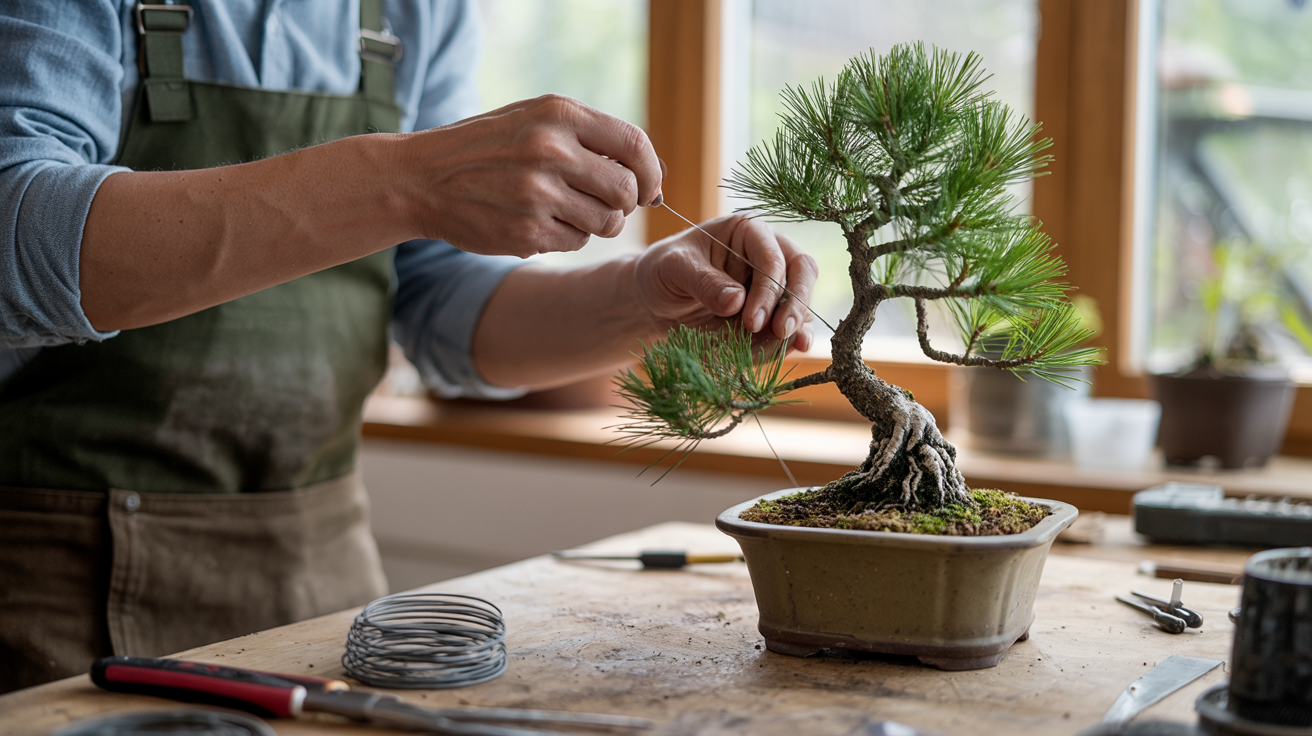
Let’s get specific about one foundational skill you can practice immediately: directional pruning for branch ramification. This works regardless of your climate or species.
When you cut a branch, the tree will push new growth from buds near that cut. On most species, the highest remaining bud will dominate. Therefore, before you make any cut, rotate the branch and identify which bud you want to become the new leader. That bud should point in the direction you want the branch to extend—typically outward and slightly upward for deciduous trees, more horizontal for conifers.
Make your cut at a slight angle, approximately 3-5mm above your chosen bud, sloping away from it so water doesn’t collect at the bud site. The angle matters more in humid climates where fungal infection risk is higher—relevant whether you’re working in Davao or Miami.
This single technique transforms random cutting into intentional design. You’re not just making the tree smaller; you’re directing exactly where the next growth appears.
Why Cross-Cultural Exchange Matters
In our view, the real value of events like the Davao workshop isn’t cultural diplomacy—it’s the practical exchange of regional expertise. Japanese practitioners working with tropical species must adapt techniques developed for temperate climates. Philippine growers gain access to refinement methods tested over centuries. Both sides learn something new.
That’s the model we’d like to see more widely adopted: fewer identical beginner workshops churning out indistinguishable mall bonsai, and more skilled demonstration with regionally appropriate material. Start by watching excellence, then practice on appropriate stock for your actual growing conditions.
Actionable takeaway: Before your next pruning session, spend five minutes identifying outward-facing buds on each branch you plan to cut. Mark them with tape if needed. Cut deliberately just above those buds. This simple practice builds the observation skills that separate casual trimming from actual bonsai technique.
This article was created with AI assistance by the Bonsai World editorial team.