
The Radical Joy of Satsuki: Why Growing Your Own Way Matters More Than Perfect Form
We’ve noticed a quiet revolution happening in bonsai clubs across the world, and a recent report from a satsuki azalea enthusiast group in Nagaokakyo, Kyoto crystallizes what we believe is the most important principle in bonsai cultivation: the freedom to shape trees according to your own vision. Their emphasis on “the joy of creating as you think it should be” challenges the rigid orthodoxy that has strangled too many beginners’ enthusiasm.
In our view, the bonsai community has spent far too long genuflecting before classical forms while dismissing the experimental impulse that actually keeps this art alive. We would argue that satsuki azaleas—Rhododendron indicum cultivars—offer the perfect species for growers ready to break free from paint-by-numbers styling.
Why Satsuki Azaleas Deserve Your Attention
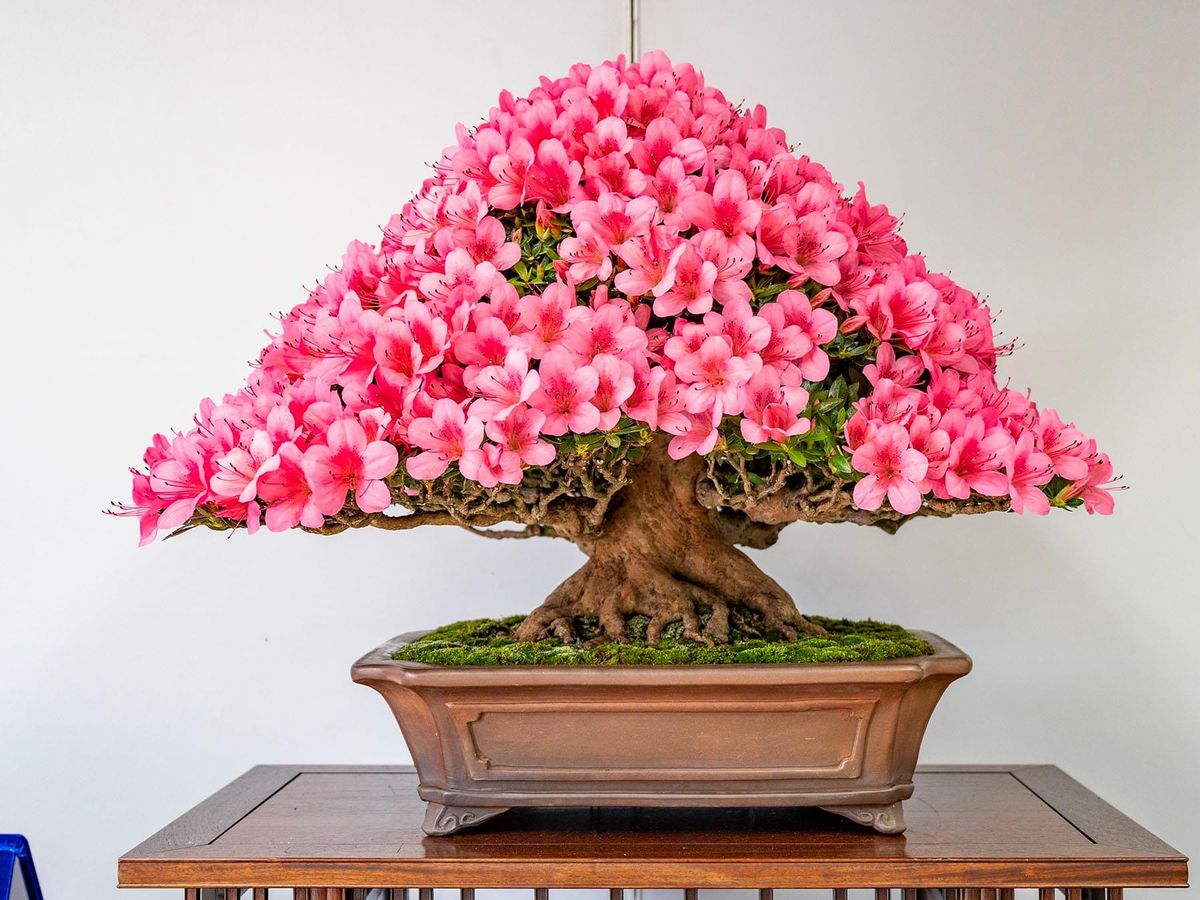
Most bonsai guides get satsuki fundamentally wrong by treating them as merely pretty flowering shrubs that bloom in late May and early June. What these guides miss is that satsuki possess an almost unmatched capacity for radical redesign. Their vigorous backbudding along old wood, combined with their tolerance for severe pruning, means you can completely reimagine a tree’s structure even after years of growth in one direction.
The species thrives on artistic rebellion. Unlike pines or junipers, which punish hasty decisions with years of recovery, satsuki forgive experiments. Chop a branch you regret? New shoots will emerge within weeks during the growing season. This resilience is precisely why groups of hobbyists gravitate toward them—they enable genuine creative exploration rather than fearful adherence to rules.
The Technique Most Growers Overlook
Here’s a concrete approach we recommend for developing your personal satsuki style: immediately after flowering finishes in June, select three to five flowers that exhibited your preferred color and form. Mark those branches with soft wire or biodegradable tape. In mid-July, when you perform your post-bloom structural pruning, use those marked branches as your framework—cut everything else back hard, leaving only short stubs with one or two leaf pairs.
This selective pruning accomplishes two critical goals. First, it channels the tree’s energy into the branches you’ve identified as aesthetically valuable, rather than wasting resources on growth you’ll eventually remove anyway. Second, it trains your eye to make definitive artistic choices based on observed reality—the actual flowers your tree produced—rather than abstract ideals from a textbook.
The following spring, pinch new shoots to two leaves once they’ve extended to four or five leaves, but leave your selected framework branches untouched until after they bloom again. This confirms whether your initial assessment was correct. By the third year, you’ll have established a canopy structure that reflects your genuine preferences, not someone else’s.
Our Take
The satsuki growers in Nagaokakyo have identified something profound: personal satisfaction in bonsai comes not from flawless execution of classical forms but from the iterative process of imposing your vision onto living material. We believe this approach—grounded in species selection that tolerates experimentation—offers the most honest path forward for the art form. Bonsai stagnates when we prioritize perfect replication over personal expression.
Classical forms exist for good reasons—they distill centuries of aesthetic refinement—but they should inform your decisions, not dictate them. Satsuki azaleas, with their forgiving nature and spectacular spring display, provide the ideal training ground for developing your own voice as an artist.
Actionable Takeaway
This week, examine your satsuki collection or visit a nursery to acquire one if you haven’t yet. Identify a single branch that doesn’t match conventional styling wisdom but appeals to you personally—perhaps it crosses the trunk line, or grows at an awkward angle, or displays unusually vibrant foliage. Instead of removing it as most guides would recommend, build your next year’s design around preserving and enhancing that feature. Document the result with photos and observe whether your instinct was justified. This single exercise will teach you more about personal style than a dozen workshops on classical forms.
This article was created with AI assistance by the Bonsai World editorial team.