
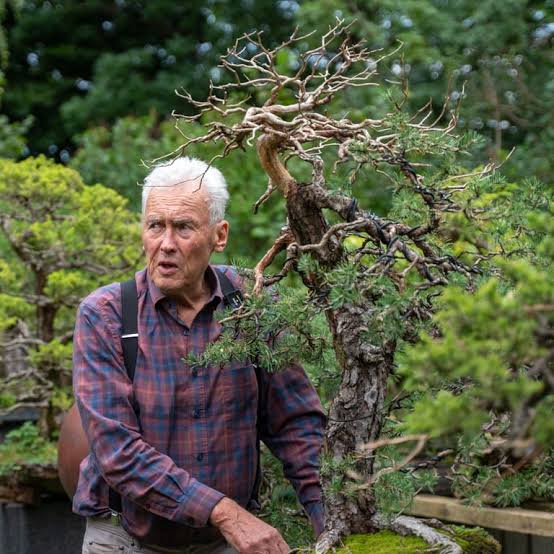
We have watched the landscape of Western bonsai evolve considerably over the past few decades, and few practitioners have stirred as much conversation—and occasional controversy—as Walter Pall. His work represents a decisive break from certain orthodoxies, and whether you admire his trees or find them challenging, there is no denying that Pall has reshaped how a generation of enthusiasts thinks about naturalism, collected material, and the very purpose of bonsai as an art form.
A Voice for Naturalism
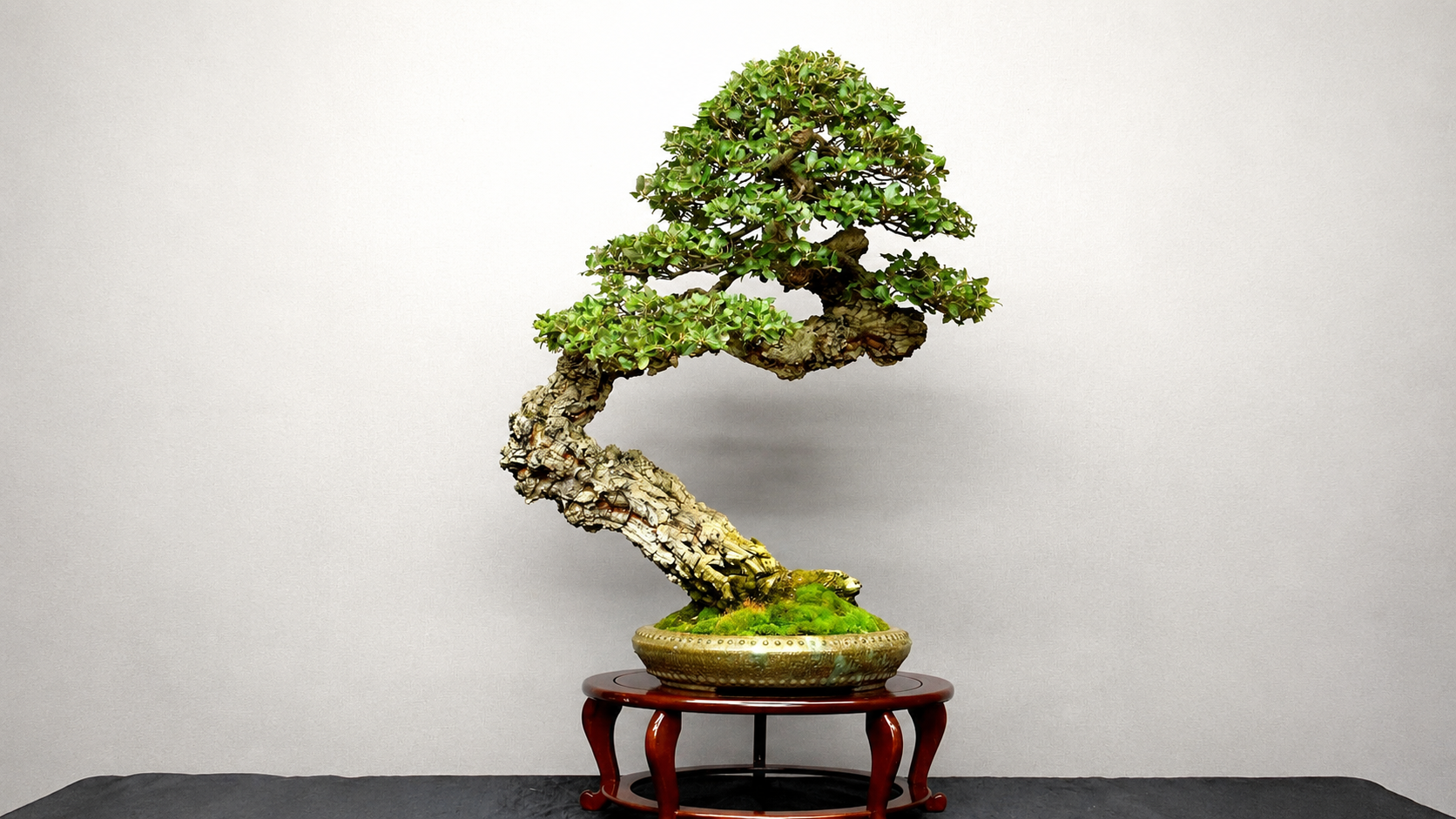
Pall is widely regarded as one of the most influential proponents of naturalistic styling in contemporary bonsai. Where classical approaches often emphasize refinement, symmetry, and adherence to codified forms, his aesthetic leans heavily into wildness, asymmetry, and the unpredictable drama of trees shaped by harsh alpine conditions. His material of choice—often collected from mountainous regions in Europe—carries the scars, hollows, and twisted grain that speak of survival rather than cultivation. In our view, this is where Pall’s contribution becomes most significant: he has championed the idea that bonsai need not imitate an idealized tree, but can instead capture a specific moment in nature’s unforgiving theater.
His trees tend to favor indigenous European species such as spruce, mugo pine, and hornbeam, and he works them with an eye toward their inherent character rather than imposing foreign design conventions. This is not to say his work lacks structure—far from it. But the structure emerges from the material itself, a philosophy that has resonated strongly with growers working outside the traditional East Asian framework.
Influence and the Democratic Impulse
What sets Pall apart from many masters is his accessibility. He has been prolific in sharing his methods, perspectives, and even his critiques through online forums, social media, and workshops. This openness has made his influence broad and direct, particularly among hobbyists who may never set foot in a formal apprenticeship. He has fostered a community that values experimentation and personal interpretation over rigid adherence to historical norms.
That said, his outspoken style and willingness to challenge established bonsai aesthetics have not been universally welcomed. Some traditionalists view his approach as too radical, too dismissive of the lineage and discipline that underpin classical forms. We see this tension as productive. Bonsai, like any living art, benefits from both preservation and provocation. Pall occupies the latter role with conviction.
What Growers Can Learn
There is a concrete and actionable lesson embedded in Pall’s body of work: learn to read your material before you design it. Too often, enthusiasts approach a tree with a preconceived style in mind, forcing the plant into a vision that may not suit its trunk line, root structure, or natural movement. Pall’s trees succeed because he allows the raw material to guide his decisions. He identifies the strengths—a dramatic curve, an exposed root, a section of deadwood—and amplifies them rather than concealing or correcting them.
This requires patience, observation, and a willingness to discard your first idea in favor of what the tree is telling you. It is a shift from imposition to collaboration, and it is a principle that applies whether you are styling a collected yamadori or a nursery juniper.
Our Take
Walter Pall matters because he represents the possibility of a Western bonsai identity that is neither imitative nor dismissive of tradition, but grounded in the landscapes and materials of Europe. His trees may not appeal to every eye, but they expand the definition of what bonsai can be. In doing so, he has given countless growers permission to trust their own vision and their own environment.
Actionable Takeaway
Before you wire your next tree, spend time simply looking at it from multiple angles. Identify one feature—a bend, a scar, a branch—that the tree already does well, and build your design around enhancing that feature rather than imposing a style from a textbook.
This article was created with AI assistance by the Bonsai World editorial team.