
Why Fall Bonsai Shows Matter More Than You Think — And What Most Growers Miss by Not Attending
Every autumn, bonsai clubs across the American Midwest quietly do something the broader horticultural world rarely notices: they open their doors to the public and display decades of living work. A fall bonsai show announcement from the City of Fort Wayne is exactly the kind of civic event that gets skimmed past in news feeds. We think that’s a mistake — not just for beginners curious about the art form, but for experienced growers who underestimate what a regional show can teach them that no YouTube tutorial ever will.
The Real Value of a Fall Show Is Timing, Not Trophy
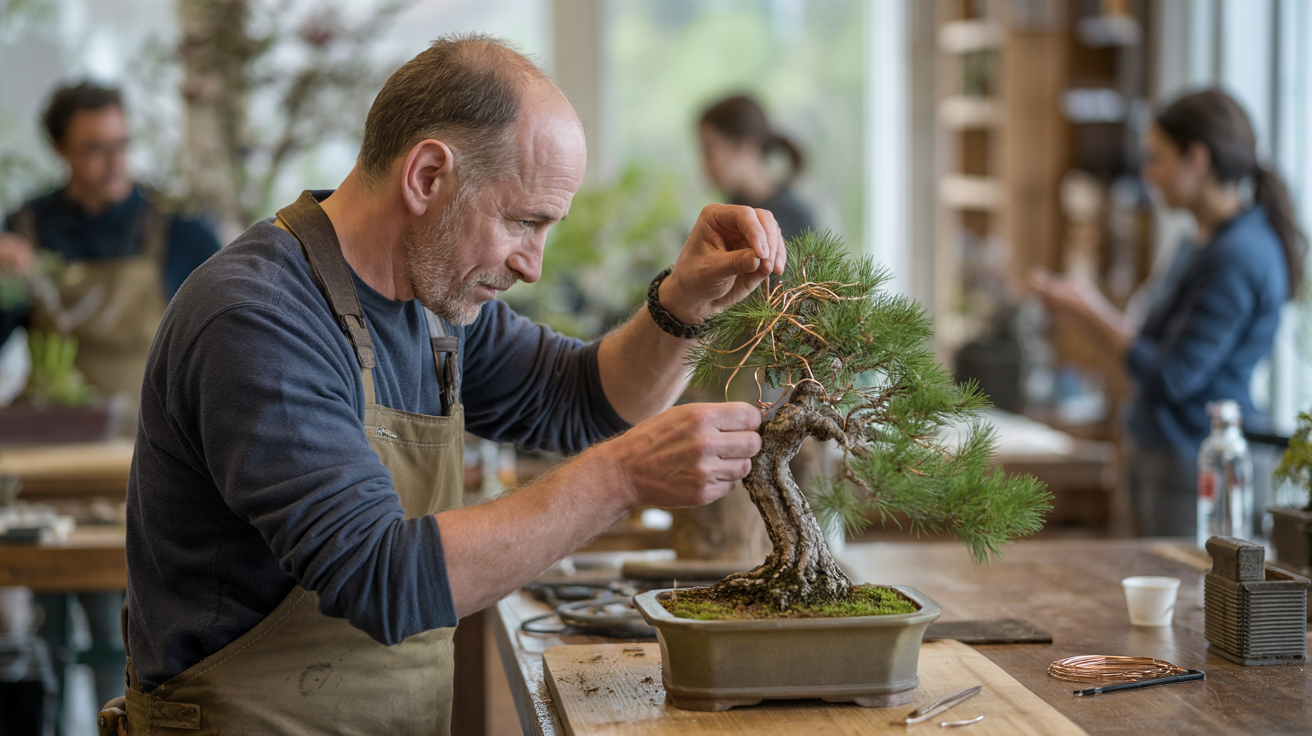
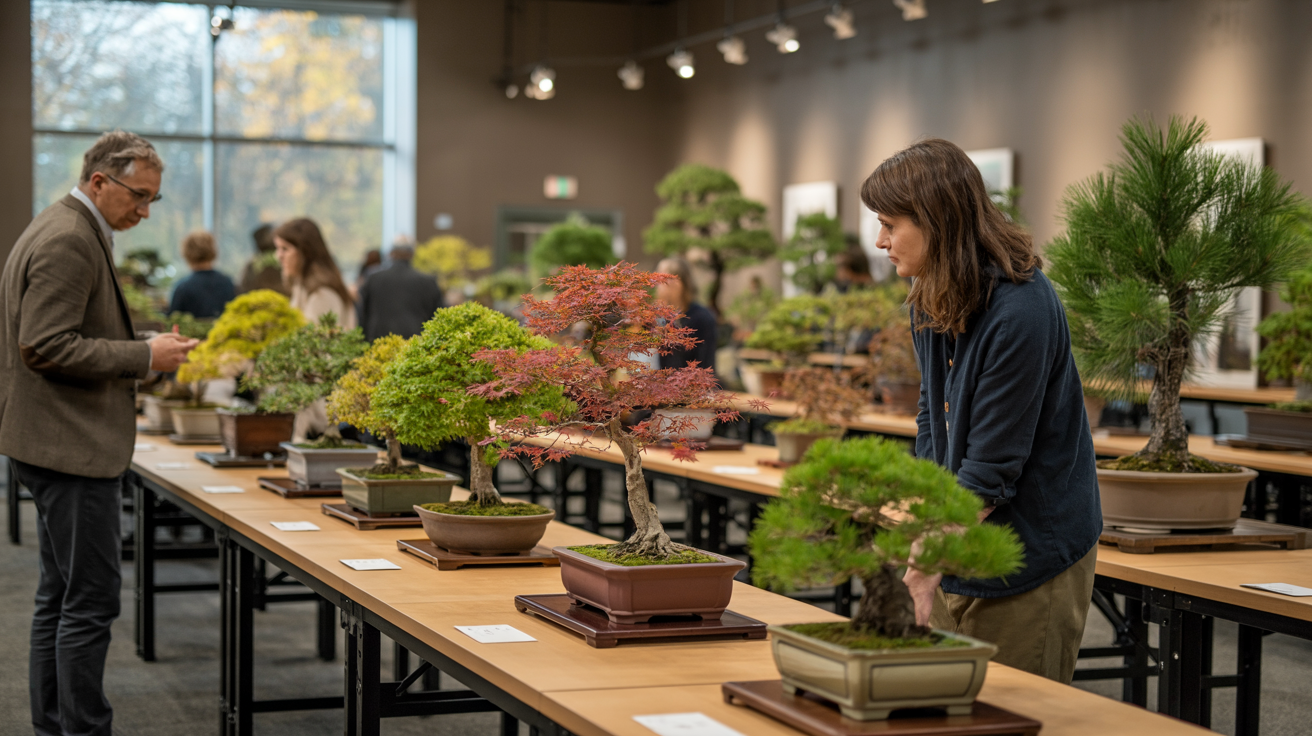
In our view, the educational gold of an autumn bonsai exhibition isn’t the ribbon-winning specimens displayed on pedestals. It’s the seasonal condition of every tree in the room. Fall is the window when deciduous species like Japanese maples (Acer palmatum) and trident maples (Acer buergerianum) begin their color transition, and when conifers such as Japanese black pine (Pinus thunbergii) show whether their summer decandling work paid off. At a live show in October or November, you can walk the line of displayed trees and read an entire growing season’s worth of decisions in the foliage, ramification, and nebari — things no photograph can communicate with the same fidelity.
Most guides tell you to visit shows “for inspiration.” That framing sells the experience short. What you should actually be doing is using the show floor as a diagnostic tool: look for back-budding density on deciduous species, check the taper and movement achieved through seasonal pruning, and study how the soil surface, moss work, and pot selection are calibrated to the tree’s current stage of development — not some idealized finished form.
What Most Guides Get Wrong About Fall Show Preparation
Here’s a point that almost never appears in beginner resources: the trees displayed at a fall show have usually undergone a specific preparation sequence in the six to eight weeks prior. For deciduous species, experienced exhibitors typically reduce watering gradually in late August to encourage earlier color without stressing the roots, and they stop any nitrogen feeding by the first week of September to prevent late-season soft growth that would look out of place under show lighting. Presentation moss — often Polytrichum species — is introduced to the soil surface two to three weeks before the show date to allow it to establish without looking freshly placed.
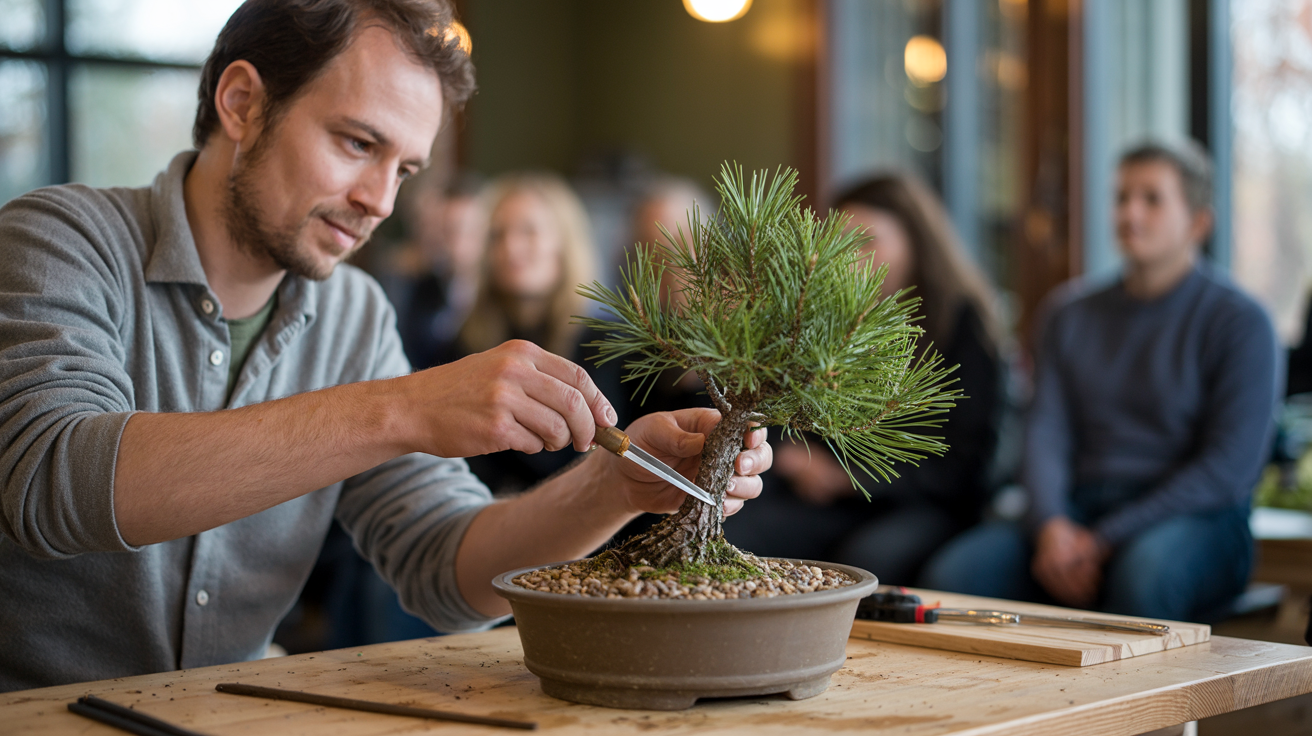
When you know this, walking through a show stops being passive admiration and becomes active reverse-engineering. Ask exhibitors directly: when did you last repot this tree? What soil mix are you using? Those conversations, held in front of the actual specimen, are irreplaceable.
A Concrete Pre-Show Prep Step You Can Apply Right Now
- Six weeks before any show or display date, identify which of your trees will be exhibited and pull them to a slightly shadier location to slow late-season growth.
- At four weeks out, cease all high-nitrogen liquid feeding. Switch to a low-nitrogen, phosphorus-forward fertilizer such as a 0-10-10 formulation to firm up remaining growth and encourage root density heading into dormancy.
- At two weeks out, clean the pot exterior, trim any surface roots that have crept over the rim, and introduce fresh accent moss — pressed gently but not packed — around the nebari.
- At one week out, do a final silhouette review: remove any crossing or downward-pointing shoots that disrupt the tree’s overall line when viewed from the front.
Our Take
Regional shows hosted by municipal parks departments and local clubs — exactly the kind happening in Fort Wayne — represent bonsai culture at its most accessible and most honest. There are no commercial pressures, no import prices, and no celebrity masters charging workshop fees. There are just growers and their trees in a room together, which is where the real learning happens. If you’ve been treating club involvement as optional, we’d strongly encourage you to reconsider — our related piece on The Club Membership Most Bonsai Guides Tell You to Skip — And Why That’s a Mistake makes the case in detail.
Actionable takeaway: If a fall show is within driving distance this season, go with a notebook rather than just a camera. Write down the species, the approximate age if the exhibitor knows it, and one specific structural decision you can see in the tree’s form. Three shows’ worth of those notes will teach you more about species-specific pacing than a year of reading.
By Redazione Bonsai World
Article researched and written with AI assistance and reviewed by the Bonsai World editorial team.