Skip to content
📅
  • Facebook
  • Instagram
Bonsai World

Bonsai World

Bonsai News from Around the World

Tamaki. The Hidden History Behind Japan’s Bonsai Fertilizer.

Bonsai World Avatar
Bonsai World
16 November 2026
Tamaki. The Hidden History Behind Japan’s Bonsai Fertilizer.

In 1934, in Japan, a bonsai nursery opened under Saichi Suzuki. Its name was Daiju-en. Decades later, the nursery would help shape the development of an unusual fertilizer, made not from a laboratory formula, but from the leftovers of an oil press.

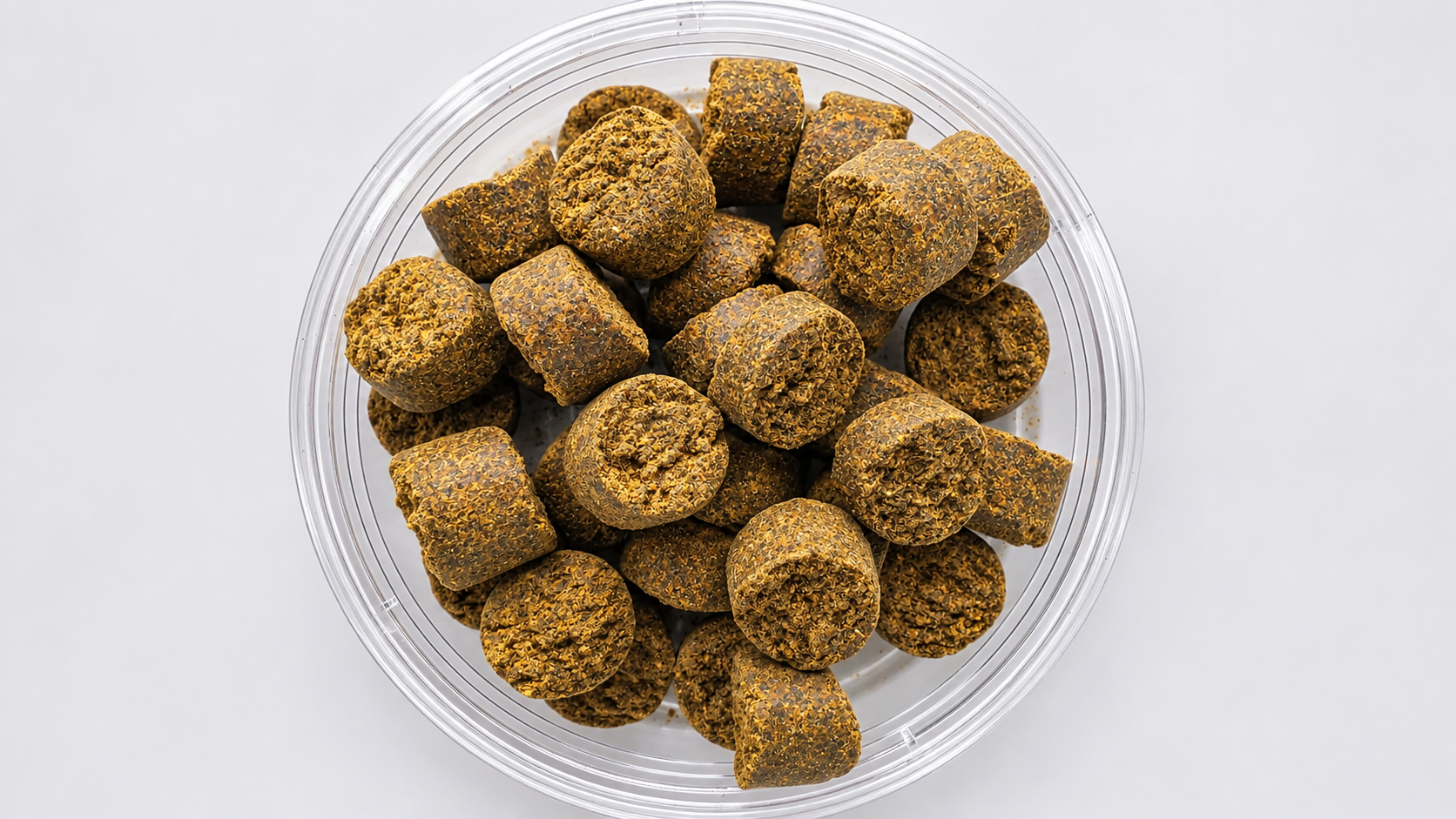
The material was rapeseed meal, the residue left after oil was extracted from rapeseeds. Kazuo Ohta, a former president of Ohta Oil, saw a use for it. He began shaping the leftover meal into small balls, turning an industrial byproduct into food for bonsai.

The idea had a problem. If the balls broke down too quickly, the fertilizer could burn the roots. A bonsai tree grows in a small container, where the balance between nourishment and damage leaves little room for error.

Ohta experimented with the size and hardness of each ball. He also exchanged ideas with Daiju-en, a nursery whose founder, Saichi Suzuki, had helped reshape Japanese bonsai practice. That collaboration continued for more than fifty years.

The result was tamahi, a traditional Japanese organic fertilizer. Its ingredients included rapeseed oil cake and bone meal. Instead of releasing everything at once, it supplied nutrients gradually as the material decomposed.

The method suited a plant grown for balance and restraint. Bonsai artists shape branches, roots, and foliage over years. Fertilizer is part of that work, not simply a way to make a tree grow faster. Ohta’s company says the traditional fertilizer remains in production today.

The nursery behind the story also had its own legacy. Daiju-en opened in 1934 and became associated with important developments in bonsai, including a technique for shortening the needles of black pine. Its methods passed from one generation to the next.

But the name Tamaki introduces a complication. A bonsai publication describes Tamaki as a solid organic fertilizer used by the grower Otohata, with a formulation listed as five parts nitrogen, four phosphorus, and one potassium. That establishes how the product is used and labelled. It does not prove that the Tamaki brand and Ohta’s tamahi have the same origin.
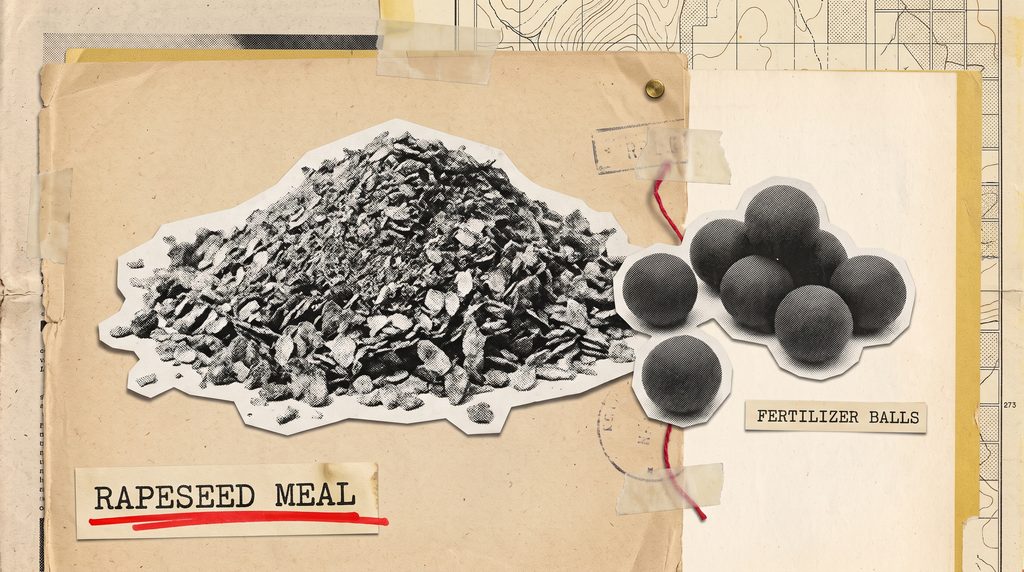
The manufacturer’s account does not give a precise year for Ohta’s first experiments. It instead records the practical problem that guided them: the fertilizer had to hold its shape long enough to release nutrients without dissolving too quickly. The story is therefore one of gradual refinement, rather than a single dramatic invention.

The distinction matters. Tamahi has a documented story: leftover rapeseed meal, careful experiments in hardness, and a long exchange with a bonsai nursery. The precise launch date and complete history of the specific Tamaki product remain unclear in the available sources.

A tiny fertilizer ball can carry decades of horticultural practice. But the history behind the name Tamaki is still incomplete.
Featured Articles

  • Tamaki. The Hidden History Behind Japan’s Bonsai Fertilizer.

    Tamaki. The Hidden History Behind Japan’s Bonsai Fertilizer.

    16 November 2026
  • Lodgepole Pine and the Case for Native Conifers in Bonsai

    Lodgepole Pine and the Case for Native Conifers in Bonsai

    28 September 2026
  • Why Fall Bonsai Shows Matter More Than You Think — And What Most Growers Miss by Not Attending

    Why Fall Bonsai Shows Matter More Than You Think — And What Most Growers Miss by Not Attending

    27 September 2026
  • The Club Membership Most Bonsai Guides Tell You to Skip — And Why That’s a Mistake

    The Club Membership Most Bonsai Guides Tell You to Skip — And Why That’s a Mistake

    24 September 2026
  • Lodgepole Pine and the Art of Working With Wild Character

    Lodgepole Pine and the Art of Working With Wild Character

    23 September 2026

Search

BONSAI WORLD GUIDE

AREAS

  • Asia (13)
  • Australia (1)
  • Europe (12)
  • Japan (18)
  • No categoria (16)
  • North America (41)
  • South America (2)

Archives

  • November 2026 (1)
  • September 2026 (12)
  • August 2026 (13)
  • July 2026 (19)
  • June 2026 (58)

Tags

Bonsai Bonsai Master

About Us

BONSAI WORLD

Bonsai World is the official website dedicated to the world of Bonsai, featuring articles, news, insights, and international content focused on bonsai culture, cultivation techniques, events, and the leading figures in the industry.

Bonsai World represents a global point of reference for enthusiasts, professionals, and collectors, promoting the spread of the art of bonsai through information, culture, and international events.

Furthermore, Bonsai World is the creator and organizer of the prestigious BONSAI WORLD GUIDE an international guide that celebrates artistic excellence in the world of bonsai and includes important recognitions and awards dedicated to the top Bonsai Masters from around the globe.

Today, bonsai culture involves international communities, federations, specialized schools, and world-renowned events, contributing to the worldwide diffusion of this ancient art form, which originated in Eastern tradition and has developed on a global scale.

AREAS

  • Asia (13)
  • Australia (1)
  • Europe (12)
  • Japan (18)
  • No categoria (16)
  • North America (41)
  • South America (2)

Become a Bonsai World Member

LEGAL LINK

Privacy Policy

Cookie Policy

Terms of Service

CONTACT

info@bonsaiworld.org


    Copyright © 2026 All rights reserved.
    The content of www.bonsaiworld.org is the property of Kali Web Conversion SRL, VAT No. RO40667390, and any reproduction, even partial, is prohibited.
    All content on this Website is protected by intellectual and/or industrial property laws.

    Website created by www.fattivedere.org

    Scroll to Top