
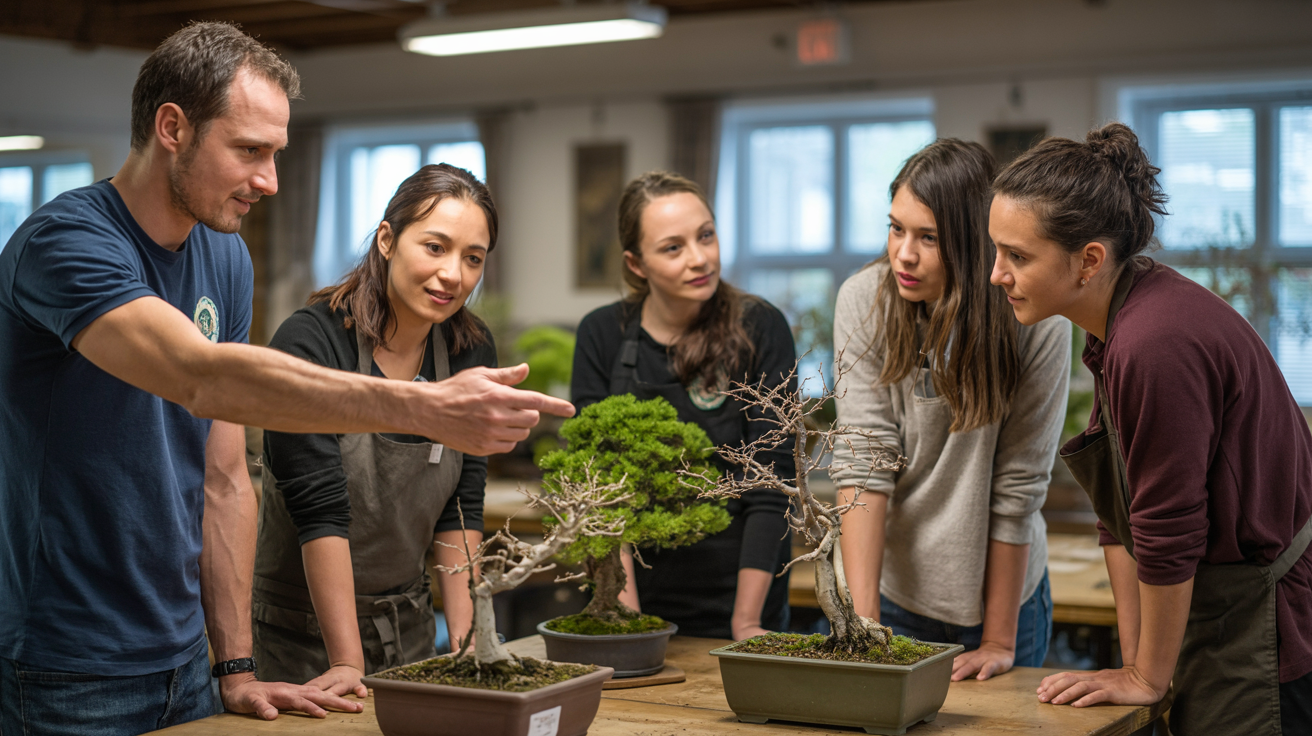
Why Beginner Workshops Are the Secret Weapon for Bonsai’s Future
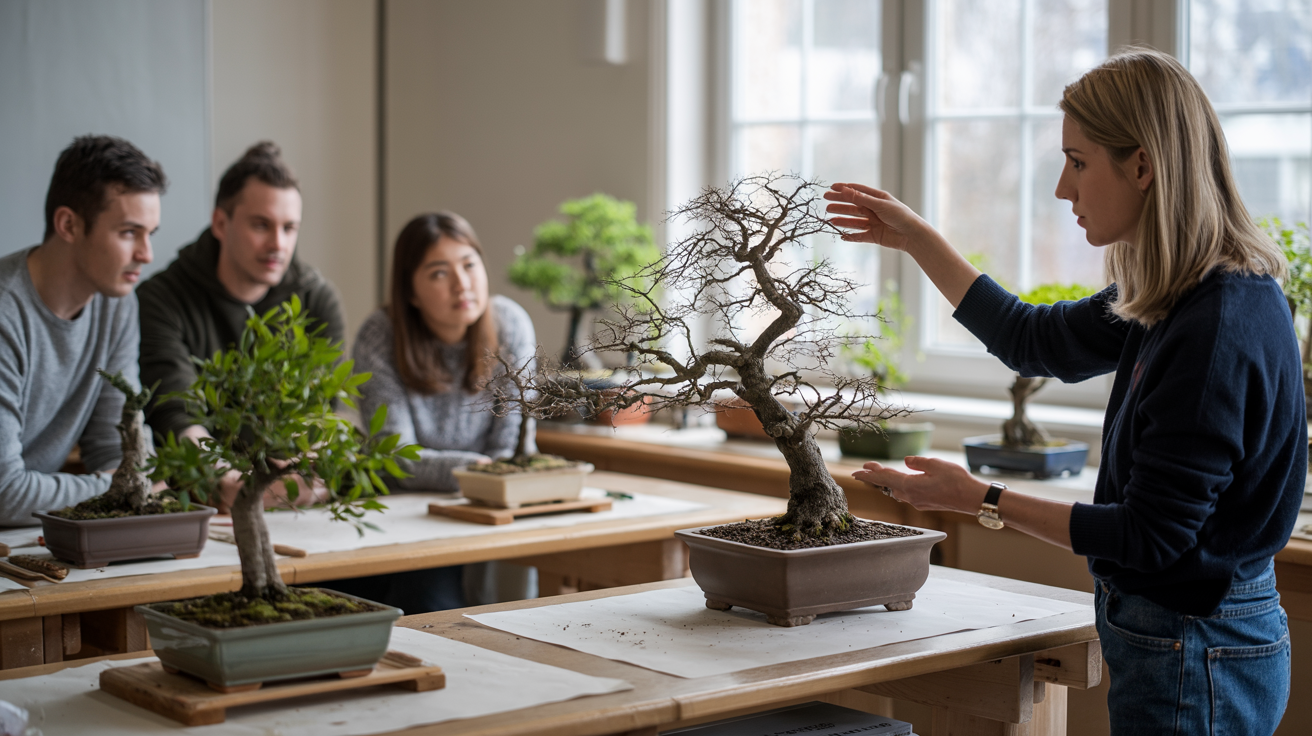
We’ve said it before and we’ll say it again: the health of our art form doesn’t depend on celebrity demonstrations at international conventions or viral videos of ancient masterpieces. It depends on local workshops where nervous beginners pick up their first shears and wire their first branch under the patient eye of an experienced grower. The recent beginner-friendly bonsai workshop in Davao under Mr. Pascual Yamas represents exactly the kind of grassroots effort that matters most, and we believe every regional society should be running similar programs monthly.
What Most Beginner Guides Get Wrong
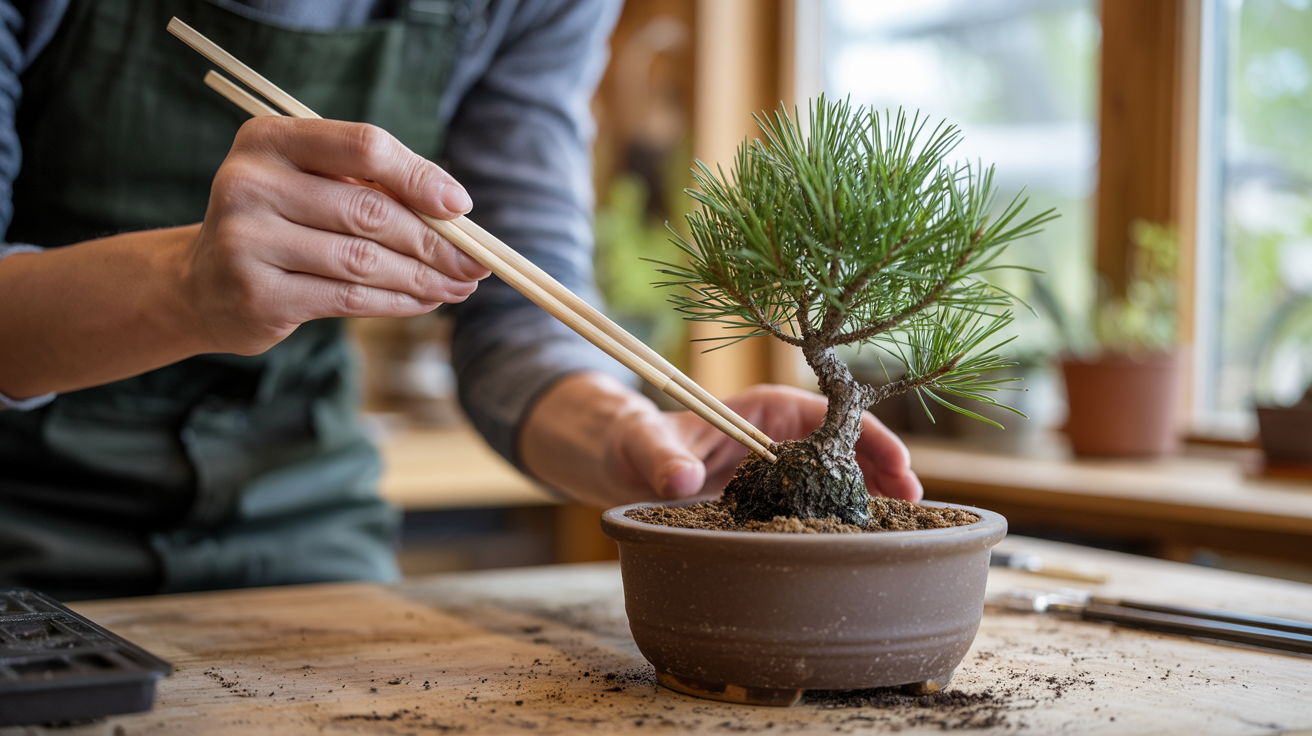
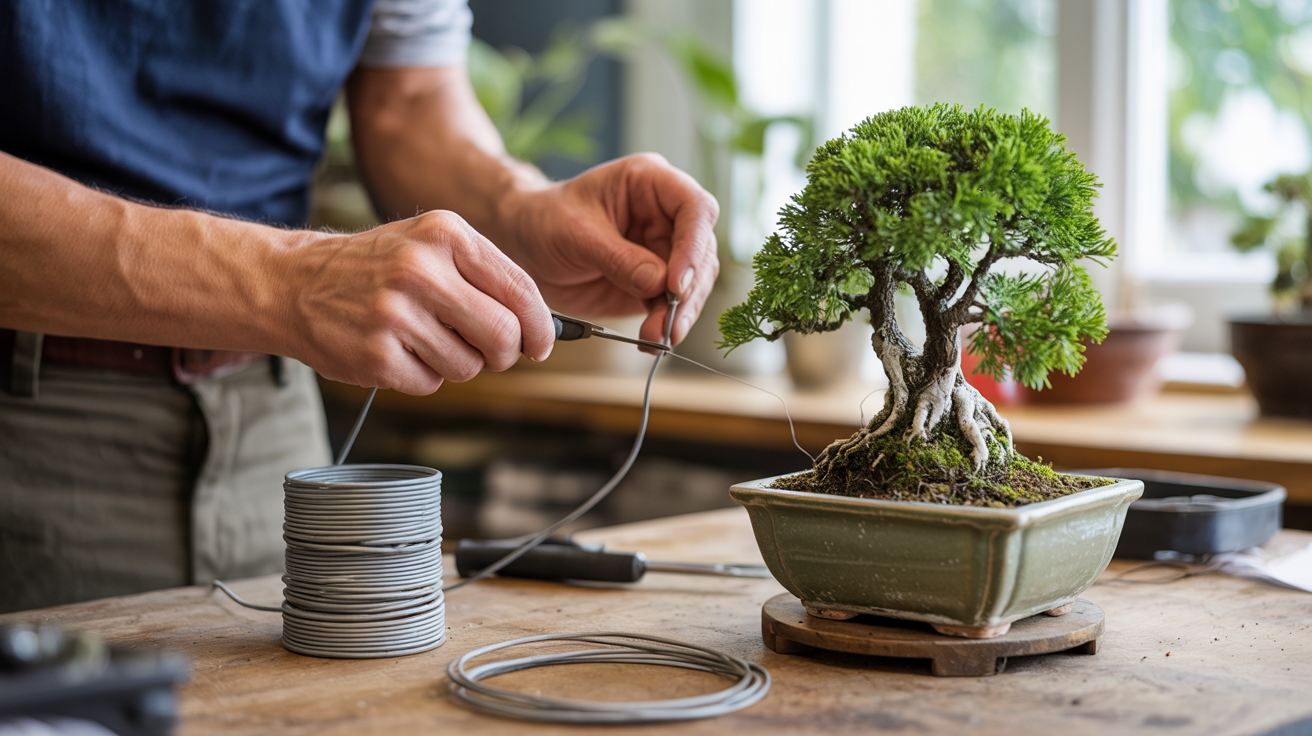
Here’s the uncomfortable truth: most beginner bonsai guides focus obsessively on tools, pots, and soil recipes before addressing the fundamental skill that separates successful students from dropouts. That skill is learning to see the tree’s structure. We’ve watched countless newcomers spend hundreds on quality wire and Japanese shears, then abandon the hobby within six months because nobody taught them how to identify the front of a tree, locate the primary branches, or envision a design before making the first cut.
Workshops led by experienced practitioners like those at the Davao Bonsai Society succeed precisely because they invert this approach. Participants work with inexpensive material—often local species that cost less than a restaurant meal—and spend most of their time simply looking. They walk around their starter tree. They photograph it from multiple angles. They discuss with their instructor why this branch stays and that one goes. Only then do they pick up tools.
The Technique They Should Be Teaching First
In our view, every beginner workshop should start with what we call the “quarter-turn exercise.” Here’s how it works:
- Place your pre-bonsai material on a turntable or lazy Susan at eye level
- Photograph the tree from the front, then rotate exactly 90 degrees
- Repeat until you have four distinct views
- Print or display all four images side by side
- Identify which angle shows the best trunk movement, the most interesting root spread, and the most balanced branch distribution
- That angle becomes your working front—everything else flows from this decision
This takes twenty minutes and costs nothing, yet it prevents the single most common beginner mistake: styling a tree from the wrong angle and discovering the error only after irreversible cuts. We would argue this simple exercise matters more than any discussion of akadama versus pumice.
Why Regional Workshops Trump Online Tutorials
The digital age has given us unprecedented access to bonsai knowledge. You can watch masters work on YouTube, join international forums, and download care sheets for a hundred species. So why do physical workshops still matter? Because bonsai is a tactile art that requires calibrated judgment—how much resistance should you feel when bending a branch? How firmly should you rake roots? What does “slightly dry” soil actually feel like?
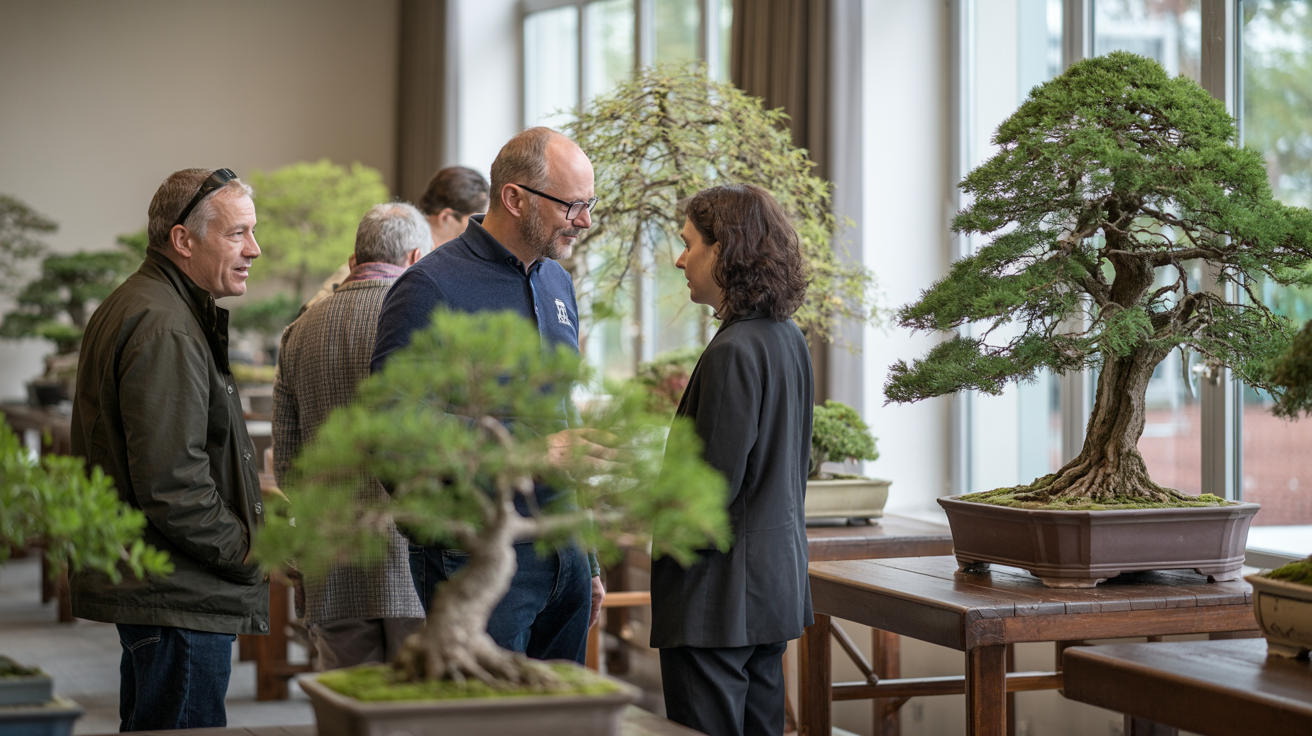
These questions have no digital answers. They require you to work material while someone experienced watches your hands and corrects your pressure, your angle, your hesitation. Regional workshops provide this feedback loop in real time, and they do something equally important: they build local communities. The friendships formed at these sessions become your future styling consultations, your emergency watering backup when you travel, your trading partners for cuttings and seeds.
As we’ve written before, regional engagement creates more sustained growth for the art form than distant spectacles, and workshops are where that engagement begins.
Our Take
Beginner workshops represent bonsai’s most important infrastructure—more vital than museum exhibitions or competition circuits. Every established practitioner should commit to teaching at least one introductory session annually. If your local club isn’t running monthly beginner programs, volunteer to organize one. Use whatever grows readily in your region, keep costs under twenty dollars per participant, and spend more time on observation than execution. The next generation of serious growers is waiting for someone to hand them that first tree and show them how to really see it.
Actionable Takeaway
Before your next styling session on any tree, commit to the quarter-turn exercise described above. Even experienced growers benefit from this forced perspective shift—you’ll often discover a superior front you’d previously overlooked, especially on collected material with complex movement.
This article was created with AI assistance by the Bonsai World editorial team.