
Celebrating Bonsai Artistry in the Heart of the Blue Ridge Mountains
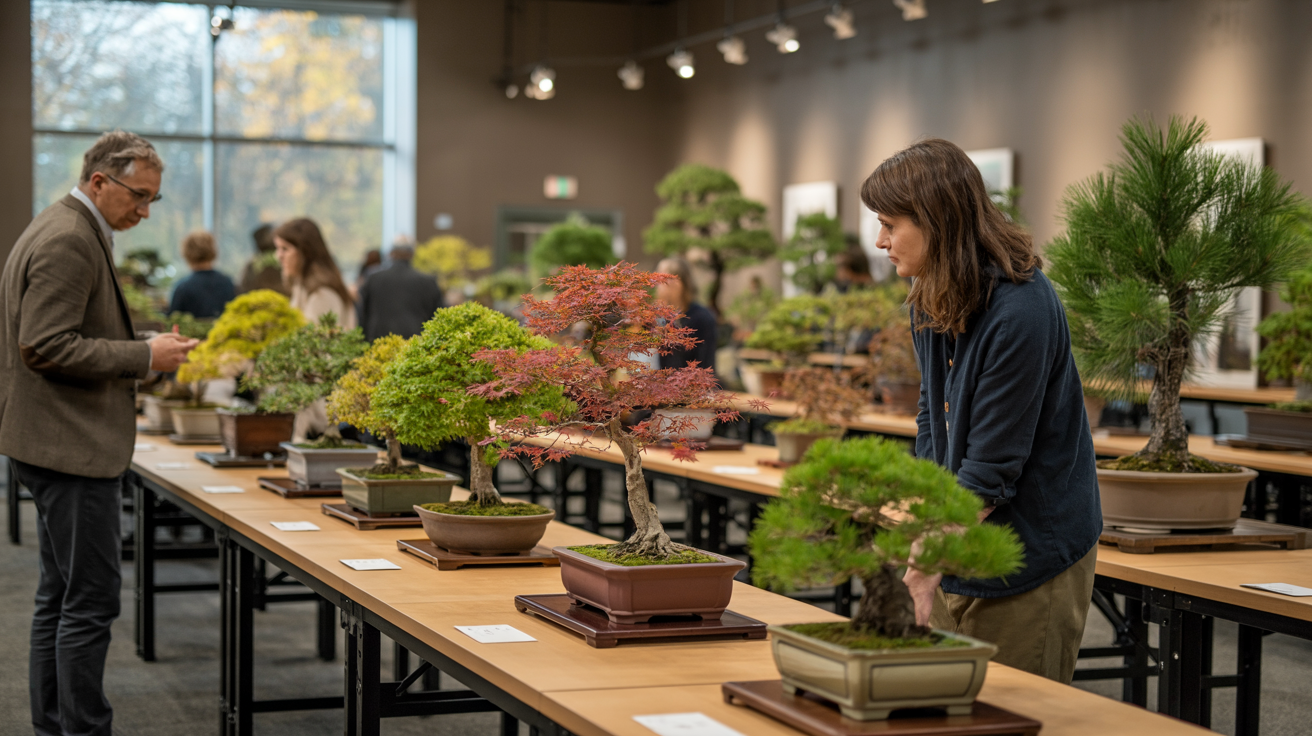
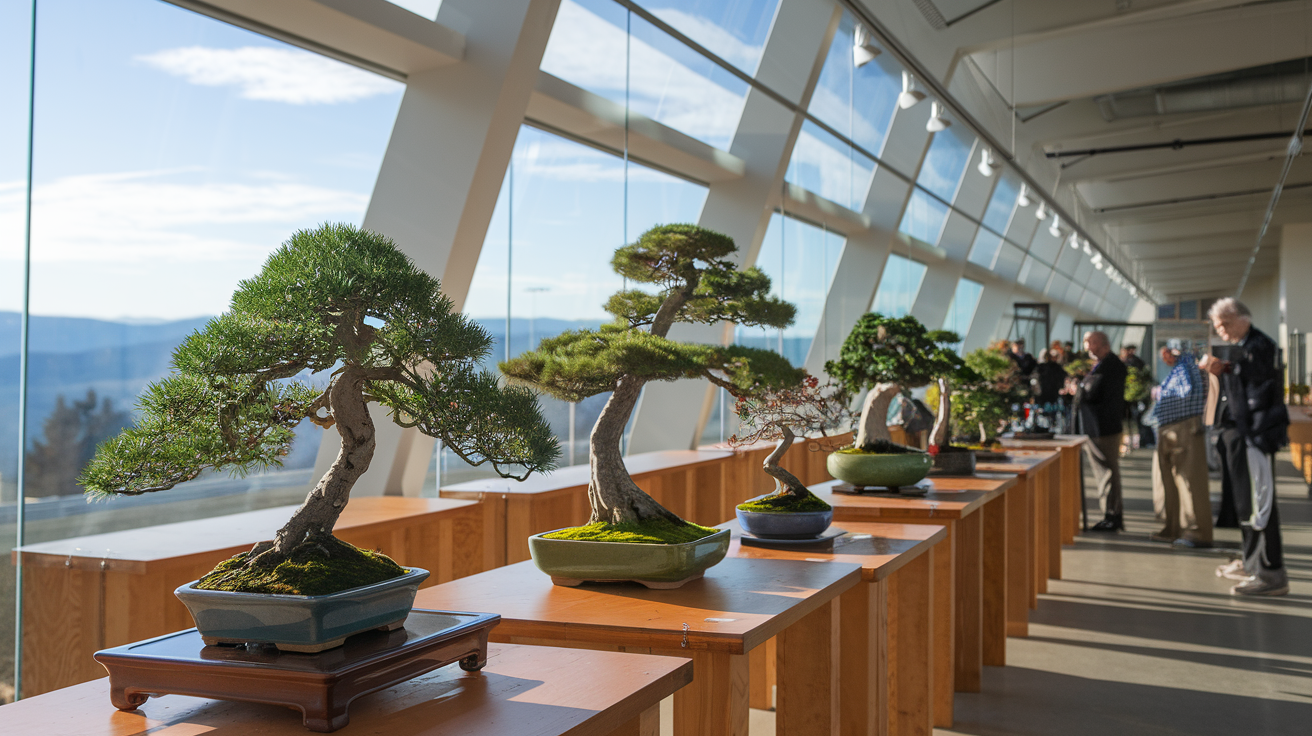
The North Carolina Arboretum recently opened its doors to a spectacular celebration of miniature tree artistry with the ‘Bonsai in the Blue Ridge’ exhibit. This remarkable showcase brings together dozens of meticulously crafted bonsai displays, offering visitors a rare opportunity to immerse themselves in the ancient art form while surrounded by the natural beauty of the Blue Ridge Mountains.
For bonsai enthusiasts and curious visitors alike, this exhibit represents more than just a collection of small trees in pots. It embodies centuries of horticultural tradition, artistic expression, and philosophical contemplation. Each specimen on display tells a story of patience, dedication, and the profound relationship between humans and nature.
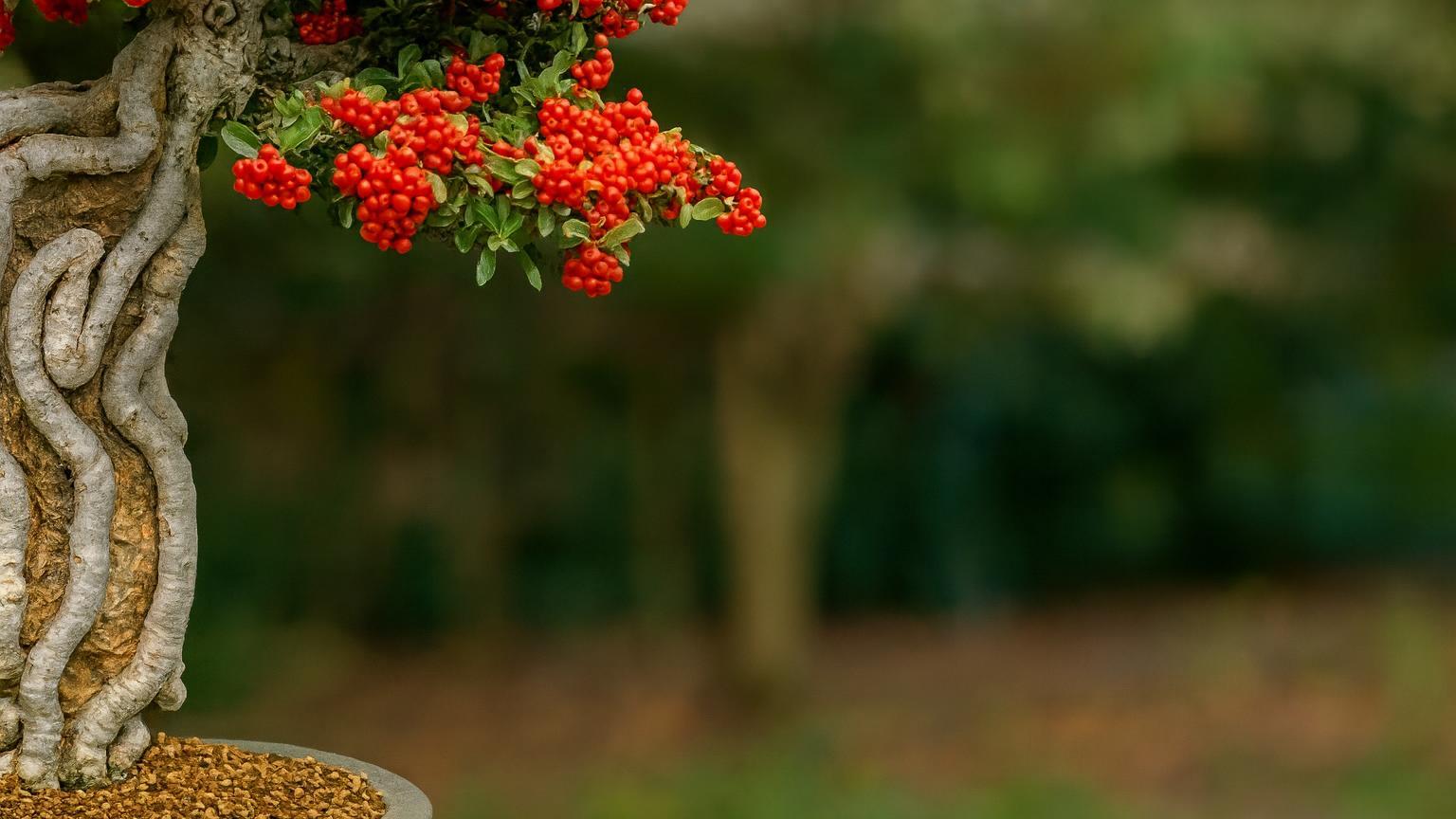
The exhibit features a diverse array of bonsai styles and species, showcasing the versatility of this living art form. From formal upright styles that demonstrate classical elegance to dramatic cascade formations that evoke windswept mountain landscapes, each display reflects the unique vision of its creator. Visitors can observe native North American species alongside traditional Asian varieties, highlighting how bonsai culture has been embraced and adapted across different regions and climates.
What makes this exhibit particularly significant is its location within the North Carolina Arboretum. The mountainous terrain of the Blue Ridge region provides an ideal backdrop for understanding bonsai philosophy. The practice of bonsai has always been about capturing the essence of nature in miniature form, and surrounded by towering peaks and ancient forests, visitors can better appreciate how bonsai artists distill the grandeur of full-sized trees into contemplative, manageable compositions.
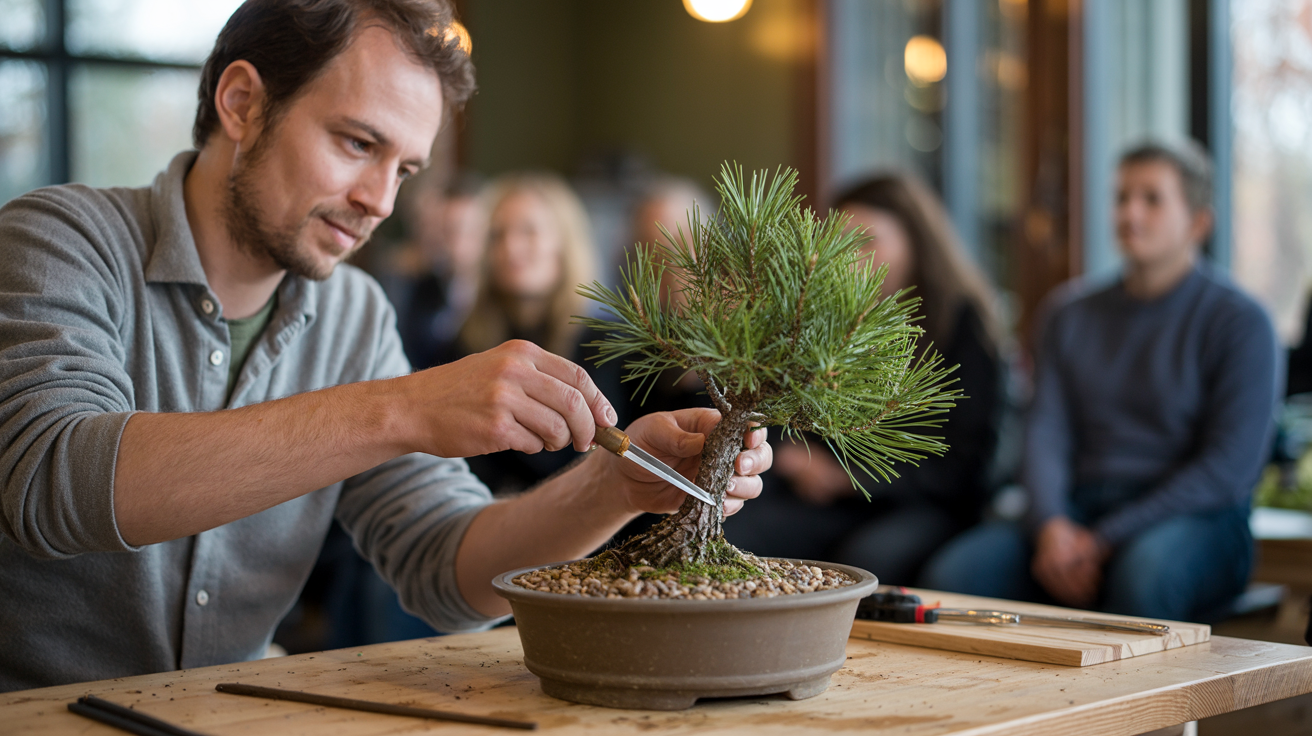
For those new to bonsai cultivation, exhibits like these offer invaluable learning opportunities. Observing mature, well-maintained specimens provides insight into proper styling techniques, seasonal care requirements, and the long-term vision necessary for successful bonsai development. Many displays include information about the specific care needs of different species, helping aspiring enthusiasts understand the commitment required to maintain these living artworks.
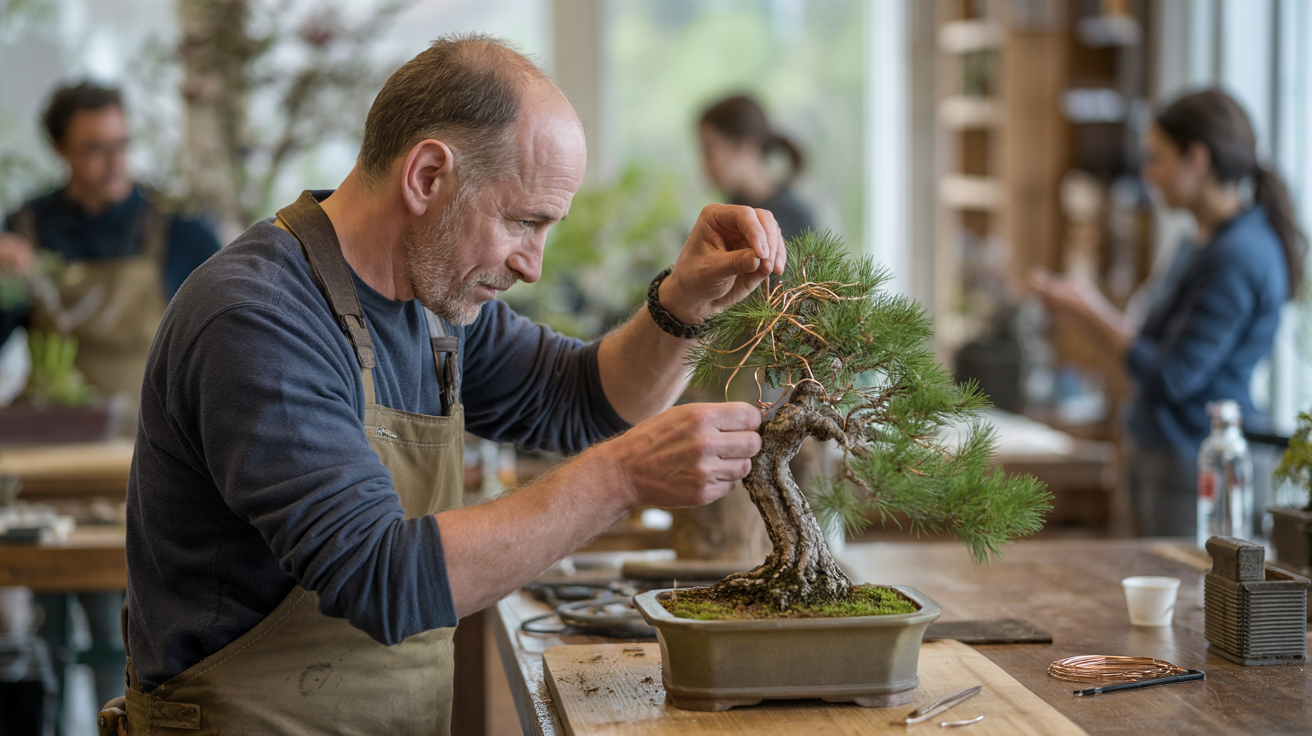
The exhibit also serves as a reminder of bonsai’s meditative aspects. In our fast-paced modern world, the slow, deliberate practice of bonsai cultivation offers a respite from constant digital stimulation. Each pruning decision, each wire placement, and each watering session becomes an act of mindfulness, connecting the practitioner to natural rhythms and seasonal changes.
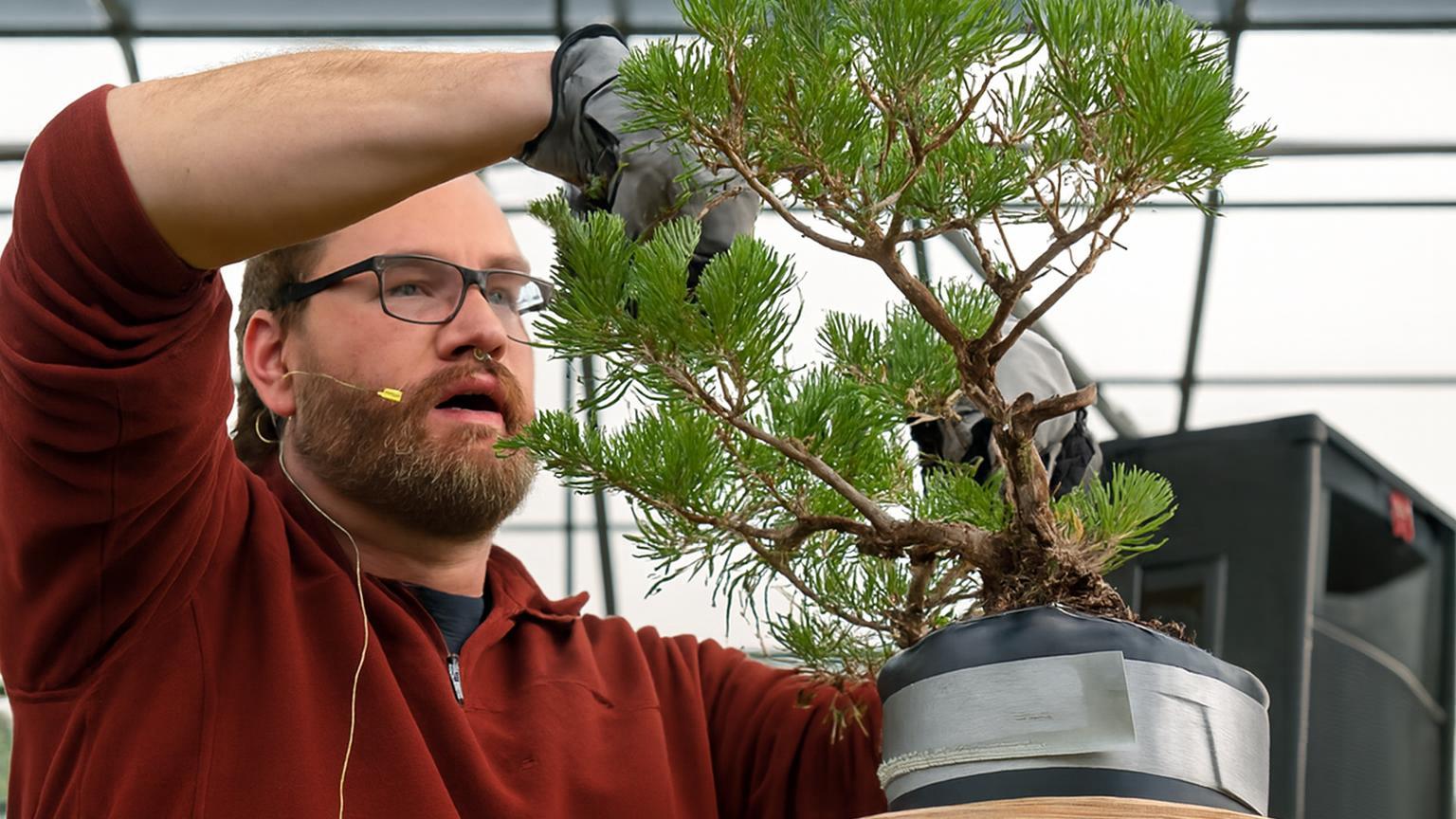
Community engagement is another vital element of such exhibitions. Bonsai clubs and societies play crucial roles in preserving and sharing knowledge about this art form. Events like ‘Bonsai in the Blue Ridge’ bring together experienced practitioners and newcomers, fostering connections and encouraging the continued growth of bonsai culture in North America.
Whether you’re a seasoned bonsai artist or simply curious about this fascinating practice, exhibitions like this one at the North Carolina Arboretum provide inspiration and education. They remind us that with patience, dedication, and respect for natural processes, we can create living sculptures that bridge the gap between human creativity and the enduring beauty of the natural world.