
Ficus Religiosa and the Art of Working With a Difficult Genius
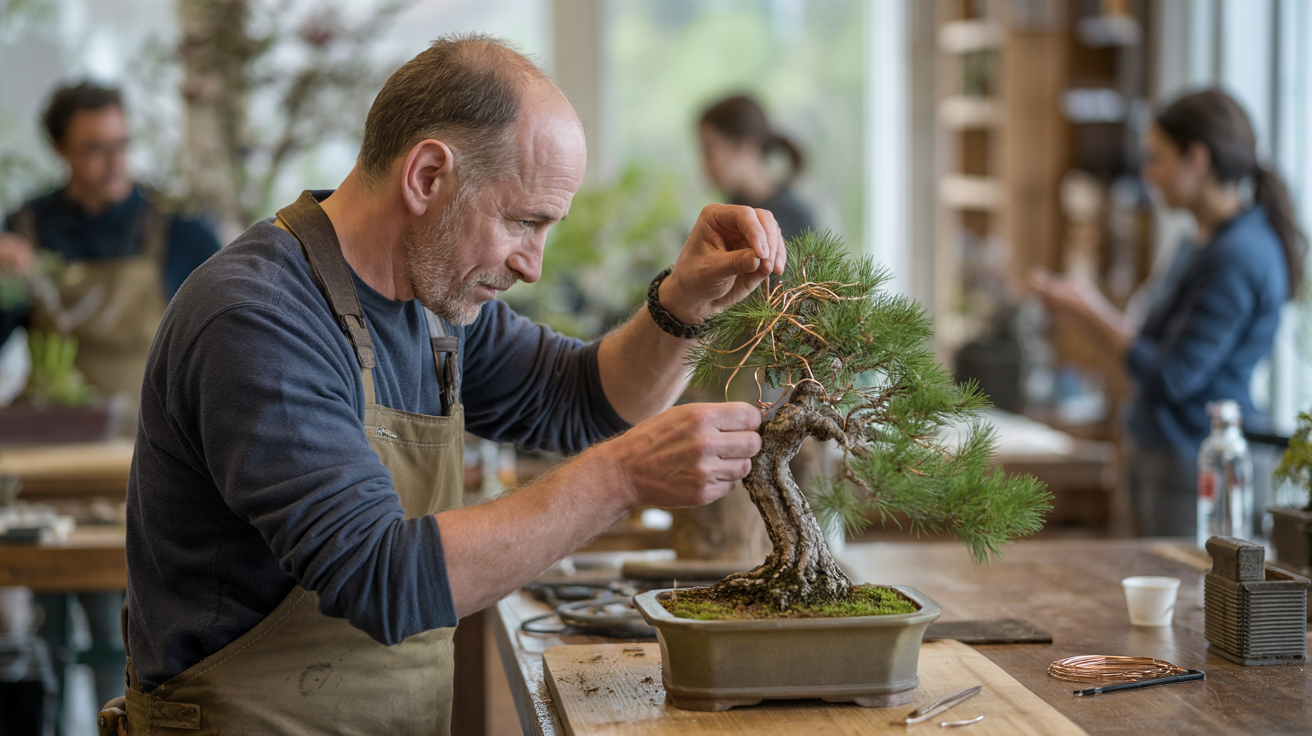
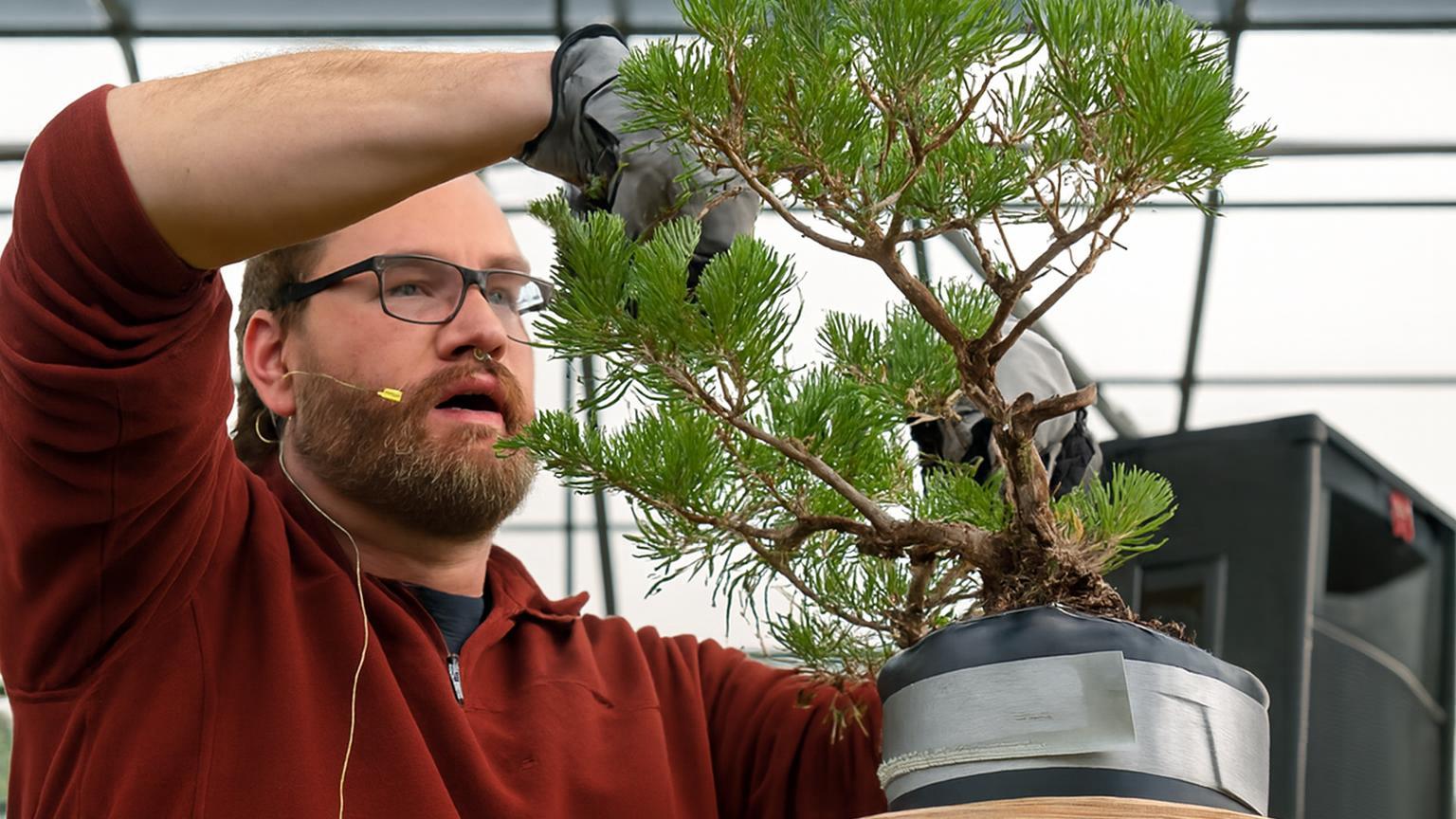
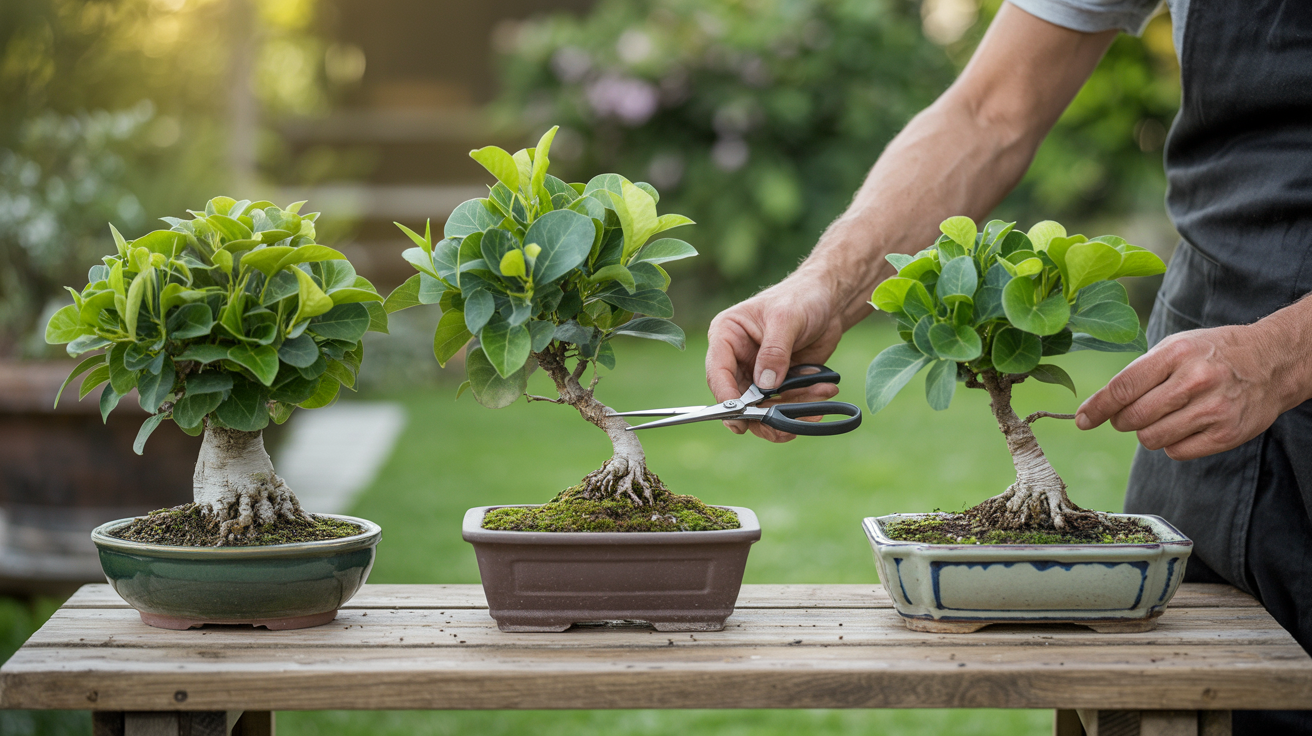
There is a particular kind of bonsai practitioner who gravitates toward Ficus religiosa — the sacred fig, the Bodhi tree — precisely because it refuses to be easily managed. We at Bonsai World have enormous respect for that instinct. Working with three specimens simultaneously, as explored in The Bonsai Zone’s August 2021 series, is not just ambition — it is a masterclass in understanding how one species can demand three completely different approaches depending on individual tree vigor, root development stage, and the specific training goal in front of you.
Here is what most beginner and intermediate guides consistently get wrong about Ficus religiosa: they treat it as interchangeable with Ficus microcarpa or Ficus benjamina in terms of vigor management. It is not. The sacred fig produces dramatically long internodes during active growth flushes — sometimes extending several centimeters between nodes in a single summer week — which means that if you are timing your pinching to a fixed calendar date rather than watching the tree’s own rhythm, you will routinely miss the window. The result is a leggy branch structure that no amount of back-budding can quickly rescue.
Why Comparing Your Three Trees Is Essential
Working multiple specimens of the same species side by side — as any serious practitioner who has done it will confirm — reveals something no single-tree approach can teach: the range of normal. One of your three Ficus religiosa trees might flush new growth aggressively in late spring while another, grown under nominally identical conditions, barely moves until midsummer. That gap tells you something specific about root-to-canopy ratios, soil compaction, and pot size that a textbook cannot replicate. In our view, this comparative method is one of the most underused diagnostic tools in the hobbyist’s toolkit.
A Concrete Technique: The Staged Internode Pinch
For Ficus religiosa specifically, we would argue that the standard “pinch to two leaves” rule needs a meaningful refinement. Here is a short sequence that accounts for the species’ aggressive extension habit:
- Allow the new shoot to extend to four to six leaves during the main summer growth flush — do not pinch prematurely at two leaves, as the tree benefits from temporary free growth to build vascular strength in young branches.
- Once the shoot tip shows the characteristic drooping heart-shaped leaf becoming turgid and fully expanded, pinch back to two leaves with clean scissors, not fingernails, to avoid bruising the soft tissue.
- Wait for the secondary flush — typically seven to fourteen days in warm conditions above 22°C — and observe whether the remaining two leaves are producing a single bud or a pair. A pair signals good energy; a single bud suggests the branch needs another free-growth cycle before the next cut.
- Repeat this observation-first cycle rather than defaulting to a scheduled interval. The tree’s feedback is more reliable than any monthly reminder.
This staged approach produces tighter ramification than blanket pinching, and it avoids the chronic energy debt that leaves Ficus religiosa specimens looking exhausted through autumn. The tension between cutting and letting grow is something we explored more broadly in our related piece on The Bonsai Paradox: Why Controlled Restraint Produces Explosive Growth — worth reading alongside any session with this species.
Our Take
The sacred fig is not a beginner tree dressed in forgiving foliage. It rewards growers who observe before they cut, who resist the urge to impose structure too early, and who are willing to run multiple specimens simultaneously to understand what the species is actually doing versus what a single outlier tree might be telling them. Treating all three of your trees identically is the mistake. Noticing exactly where they diverge is the education.
Actionable takeaway: This week, if you are working with any Ficus religiosa, mark the date on each extending shoot rather than the calendar. Pin a small label to the pot when you spot the first new leaf unfurling. In fourteen days, measure the internode length actually produced. That single data point, repeated across a season, will transform how you time every future cut on this species.
By Redazione Bonsai World
Article researched and written with AI assistance and reviewed by the Bonsai World editorial team.