
From Ash to Bonsai: What the Ayalon Canada Park Olive Rescue Teaches Us About Working With Fire-Damaged Trees
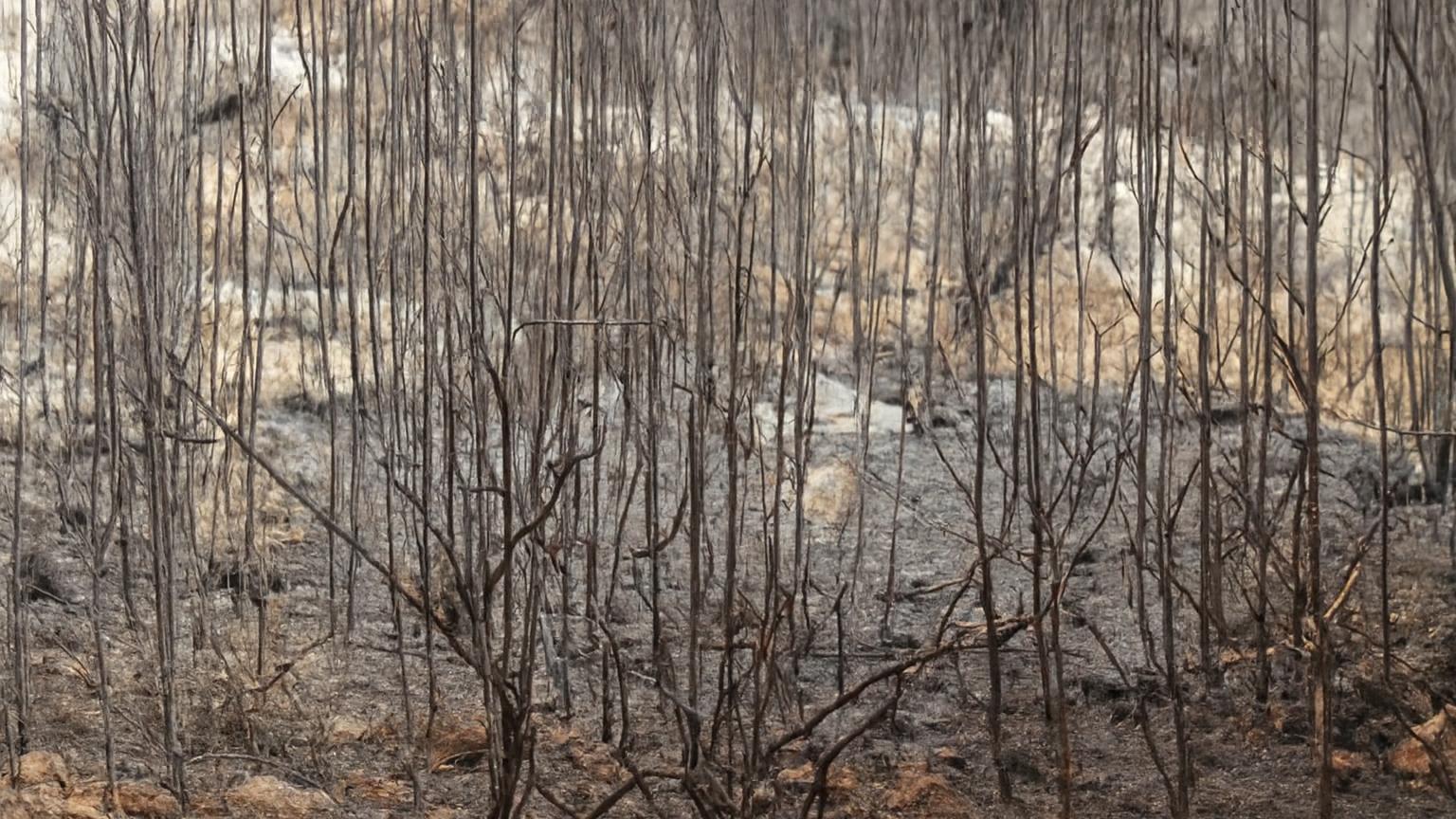
We at Bonsai World rarely find ourselves moved by rehabilitation stories — the genre too often tips into sentiment at the expense of technique. But the ongoing project to save ancient Olea europaea stumps from the Ayalon Canada Park wildfires, carried out by KKL-JNF and bonsai artist Shai Cohen of the Jerusalem Botanical Gardens in Givat Ram, deserves serious attention from anyone who grows trees. Not because it is poignant, though it is, but because the methodology these practitioners are using cuts directly against some of the most persistent bad advice in our hobby.
The Root Collar Is the Whole Story
Most hobbyist guides tell you to assess fire or frost damage by scratching bark and looking for green cambium. That is fine for young nursery stock. It is nearly useless for a centuries-old olive whose above-ground mass has been carbonized. What KKL-JNF’s team actually did — and this is the detail most coverage glosses over — was assess the viability of the root collar itself, the swollen tissue junction where trunk meets root system. Finding life there, even in stumps that looked completely lost, was the entire basis for proceeding. We would argue this is the single most undervalued diagnostic skill in bonsai collecting and post-trauma tree work.
Why Pumice Is Not Just a Substrate Choice Here
The rehabilitation protocol being used at KKL-JNF’s Eshtaol Nursery places the stumps in pure pumice at 70% ambient humidity inside a climate-controlled greenhouse. Many growers reach for pumice out of habit or because it drains well, but that misses the specific logic at play in this case: pumice simultaneously holds enough moisture to support nascent callus tissue and allows sufficient oxygen exchange to suppress the anaerobic conditions that cause rot in a rootless stump. At 70% humidity, transpiration pressure on the stump is reduced without eliminating it entirely, which is important because some tension in the vascular tissue appears to drive callus initiation. The team also stripped most of the foliage from the stumps early on — not as cosmetic pruning, but to prevent the tissue from desiccating before any new absorptive roots could form.
A Practical Protocol for Growers Dealing With Severely Damaged Olive Material
- Assess the root collar first: if the tissue is green and slightly moist when cut, the tree is a candidate for rehabilitation regardless of how the trunk looks above it.
- Remove all charred or necrotic bark cleanly with a sharp knife, cutting back to live tissue to prevent fungal entry points.
- Pot the stump in pure pumice — not a pumice blend — in a container only marginally larger than the root collar mass.
- Maintain ambient humidity between 65% and 75% using a humidity tent or greenhouse enclosure; avoid misting directly onto cut surfaces.
- Strip foliage to roughly 20% of its original volume, retaining only what is needed to keep some photosynthetic activity going.
- Do not fertilize until new root tips are visible and the tree has pushed at least two cycles of new growth.
- Resist bonsai shaping entirely during this phase — the Eshtaol team will only begin aesthetic work once rooting is confirmed complete.
Our Take
The broader lesson here is one we find ourselves returning to constantly: the bonsai hobby has a tendency to conflate styling with horticulture, and nowhere does that confusion cost more than when working with stressed or damaged material. Olea europaea is famously resilient — its cambium can remain viable long after surface tissue is gone, and ancient specimens have root systems that dwarf anything visible above the soil — but that resilience only converts into survival if the grower steps back from the aesthetic impulse entirely during the recovery phase. Rotem Attias, the nursery manager leading this project, put it precisely: the greenhouse conditions make it possible to develop a new root system and transform trees once considered lost into trees with a unique character and story. That sequencing — root system first, character second — is the whole lesson.
The same principle of respecting a tree’s physiological priorities before imposing design applies across difficult species. If you are working with any tree that has suffered significant root or vascular trauma, we recommend reading our piece on Ficus Religiosa and the Art of Working With a Difficult Genius, which explores how delaying intervention — even when the design potential is obvious — consistently produces better long-term results.
The rehabilitated Ayalon olive stumps will eventually go on public display at the Jerusalem Botanical Gardens and at Eshtaol Nursery. We think that is exactly right. These trees will carry a legible history of fire, survival, and human patience in their deadwood and new growth simultaneously — which is, in the end, what the best bonsai do.
Actionable takeaway: If you have any collected or damaged olive material sitting in a regular potting mix right now, consider transitioning it to pure pumice before the next growing season. The oxygen-to-moisture ratio pumice provides in a rootless or weakly-rooted stump situation is genuinely difficult to replicate with blended media, and it is one of those small material changes that produces measurable results.
Source: The Jerusalem Post — Ancient olive trees damaged in wildfires given new life, rehabilitated into bonsai trees.
By Redazione Bonsai World
Article researched and written with AI assistance and reviewed by the Bonsai World editorial team.