

The Bonsai Paradox: Why Controlled Restraint Produces Explosive Growth
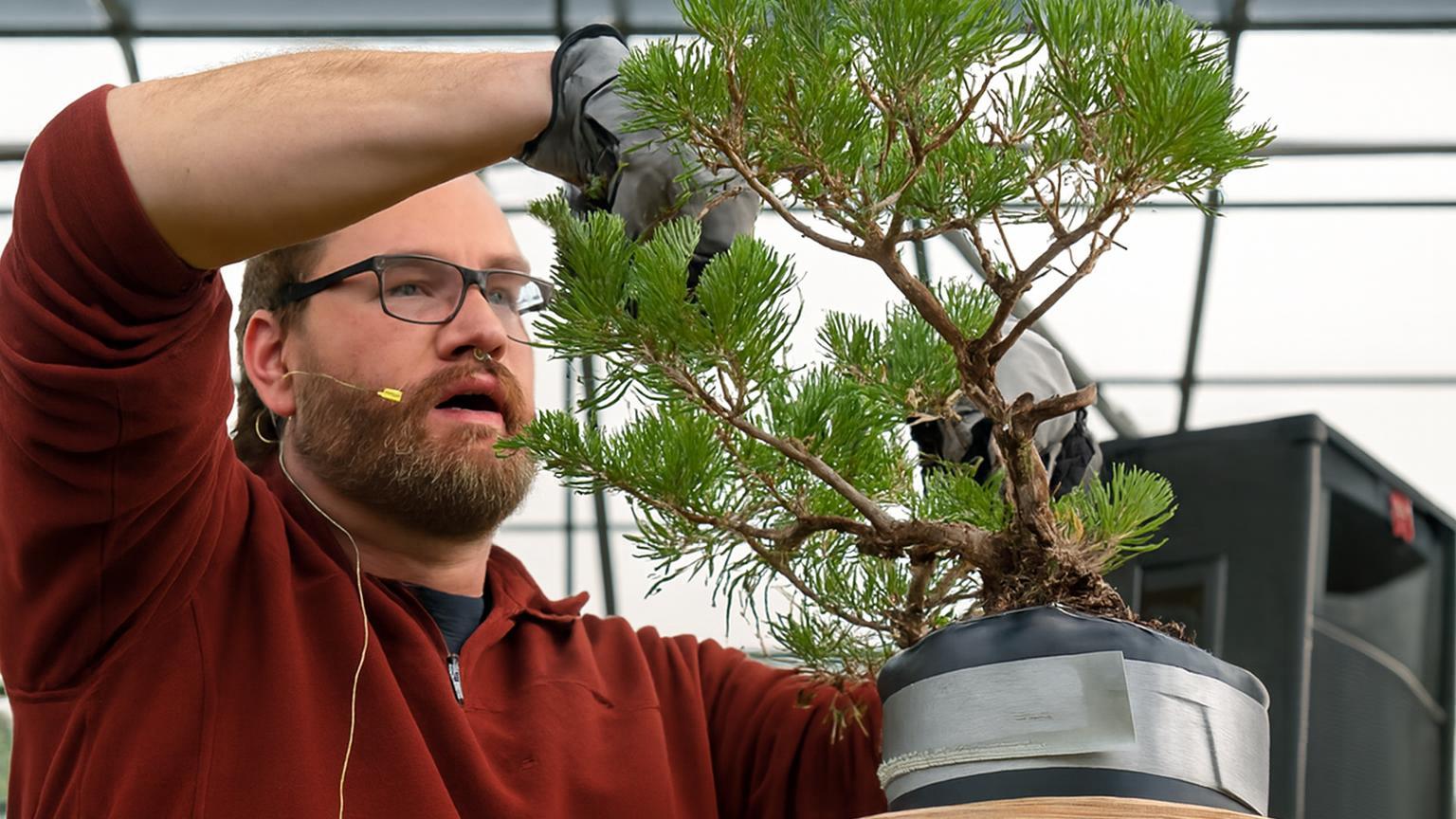
We spend a lot of time at Bonsai World talking about techniques — wiring angles, soil ratios, repotting windows. But a phrase that crossed our desks recently stopped us cold: a college football coach describing his player’s development by saying, “He grew a little bit, a little bit, I cut it and he shot up.” That quote, from FSU safeties coach Evan Cooper about defensive back Ashlynd Barker — as reported by Tomahawk Nation — is, in our view, the most precise description of how bonsai development actually works that we have ever read from someone who has probably never touched a bonsai pot in his life.
It also exposes something most beginner guides get completely wrong.
What Most Guides Miss About the Cut-Back Cycle
Pick up almost any introductory bonsai manual and you will find pruning described primarily as a reduction tool — a way to keep the tree small, to enforce the silhouette, to maintain the design. That framing is not wrong, but it is dangerously incomplete. In our view, it causes beginners to prune timidly and at the wrong moments, producing trees that stagnate rather than develop.
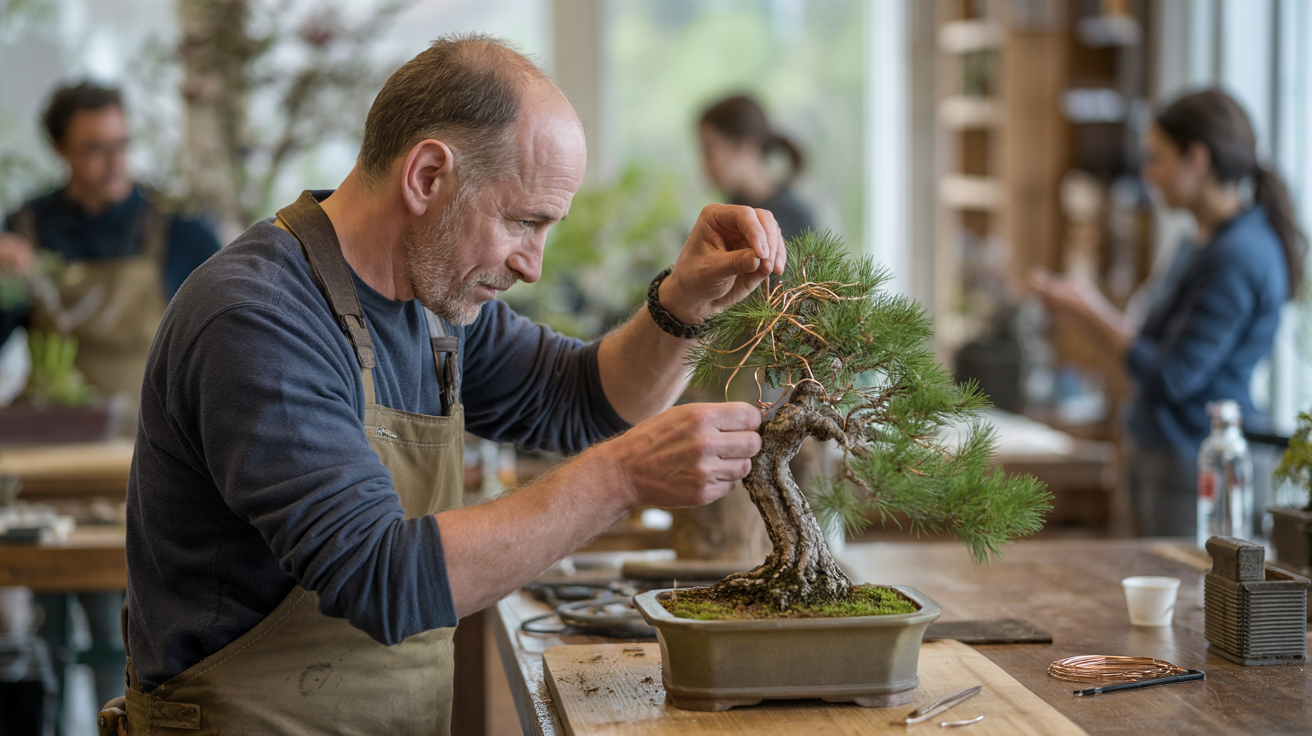
The reality, which Cooper’s coaching instinct captured perfectly, is that a well-timed, decisive cut is a growth trigger. When you remove a dominant apical or lateral shoot on a Ficus microcarpa or a Buxus sempervirens in active summer growth, you are not just subtracting mass — you are redirecting the tree’s auxin flow and forcing energy into previously suppressed buds lower on the branch. Those buds, starved of light and hormonal priority, suddenly fire. The result, if your timing is right, is a burst of ramification that no amount of patient waiting would have produced on its own.
This is the paradox most guides bury in a footnote: restraint creates the conditions for explosion.
The Concrete Technique: Summer Cut-Back on Broadleaf Species
Here is a specific sequence we would recommend for broadleaf deciduous and semi-tropical species — particularly Ulmus parvifolia (Chinese elm) and Ficus retusa — during the northern hemisphere summer window of late June through mid-July, before growth energy begins to taper:
- Wait for extension, not just length. Cut back only after the current flush has produced at least four to six internodes and the new leaves have fully hardened. Cutting soft growth invites dieback.
- Cut to two leaves, not two inches. The cut point matters more than the length removed. Leave two mature leaves on each shoot to sustain photosynthesis and encourage the back-budding response.
- Follow immediately with a dilute nitrogen feed. A half-strength liquid feed within 48 hours of the cut-back supports the energy demand of new bud break without pushing coarse, oversized growth.
- Give it ten to fourteen days of patience. The temptation to cut again when you see the first tiny buds break is real. Resist it. Let one full new flush extend before assessing what the tree has given you.
The detail a generic summary would skip entirely: the sequence only works if the tree is in a free-draining, akadama-dominant substrate. A tree sitting in heavy organic mix will not redirect energy cleanly — it will push one or two dominant shoots rather than distributing growth across suppressed back-buds. Substrate and timing are inseparable here.
Our Take
The bonsai community sometimes romanticises patience as a passive virtue — as if great trees happen to people who simply wait long enough. What Cooper’s coaching metaphor reminds us is that patience and decisive action are not opposites in bonsai; they are a sequence. You observe, you build, you cut at exactly the right moment, and then you step back and let the tree respond. The growers who understand that rhythm consistently produce the most dynamic, convincing nebari and ramification. Those who only ever “maintain” produce trees that look permanently frozen.
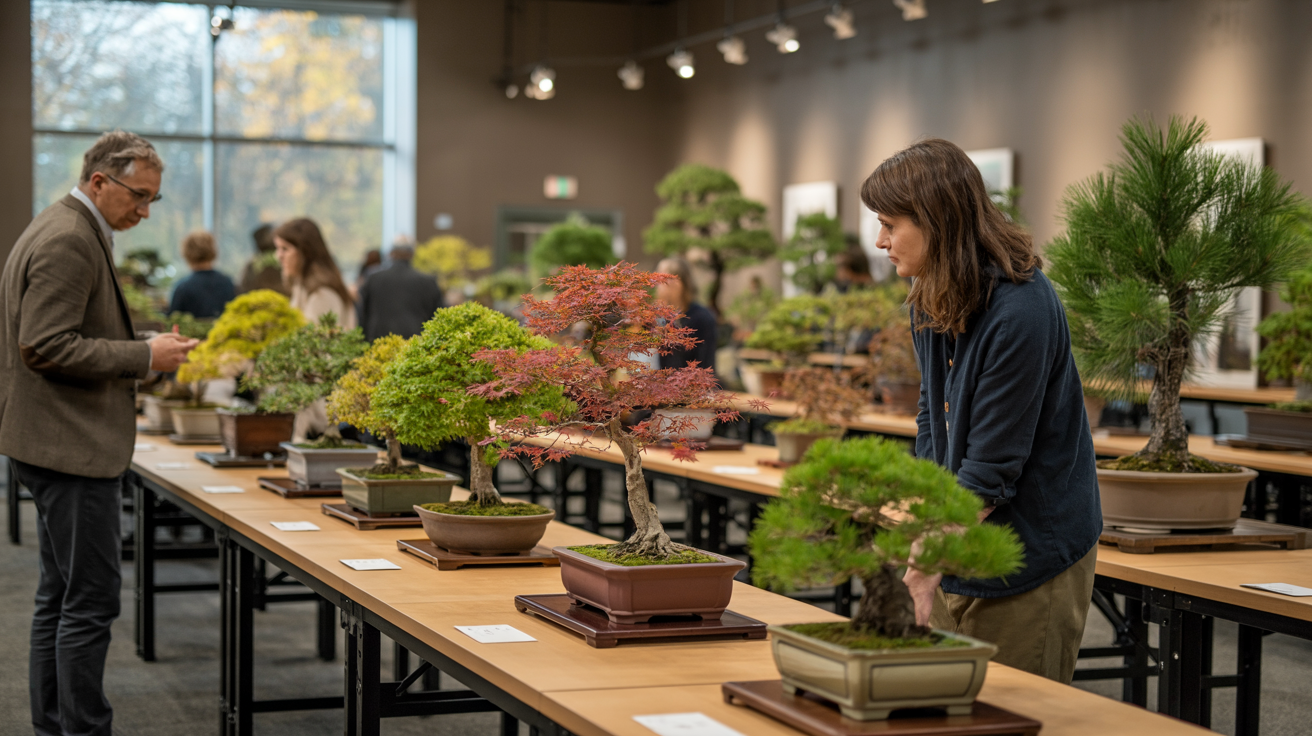
We would also argue that the social dimension of growth — accountability, being willing to say what is going wrong — maps onto bonsai club culture in ways worth taking seriously. Our piece on Why Community Shows Like Bonsai in the Park Matter More Than You Think explores how shared standards within a grower community push individual trees and skills forward in exactly the same way a tough-but-honest coach pushes an athlete.
Actionable Takeaway
If you have a Chinese elm or Ficus microcarpa that has pushed a strong summer flush and the new leaves are now fully hardened, do not wait for autumn. Identify your three strongest extending shoots today, cut each back to two leaves, feed with half-strength liquid fertiliser tomorrow morning, and mark your calendar for fourteen days from now. What the tree shows you in that window will tell you more about its vigour and development potential than a full season of passive observation ever could.
— The Editorial Desk, Bonsai World
By Redazione Bonsai World
Article researched and written with AI assistance and reviewed by the Bonsai World editorial team.