
Why Community Shows Like Bonsai in the Park Matter More Than You Think
We at Bonsai World spend a lot of time writing about technique — deadwood carving, root-over-rock composition, the precise timing of repotting a trident maple (Acer buergerianum) in early spring before the buds break. But every so often, a story crosses our desk that reminds us technique is only half the picture. The other half is community, and community is something the bonsai world in North America has historically been terrible at building in public.
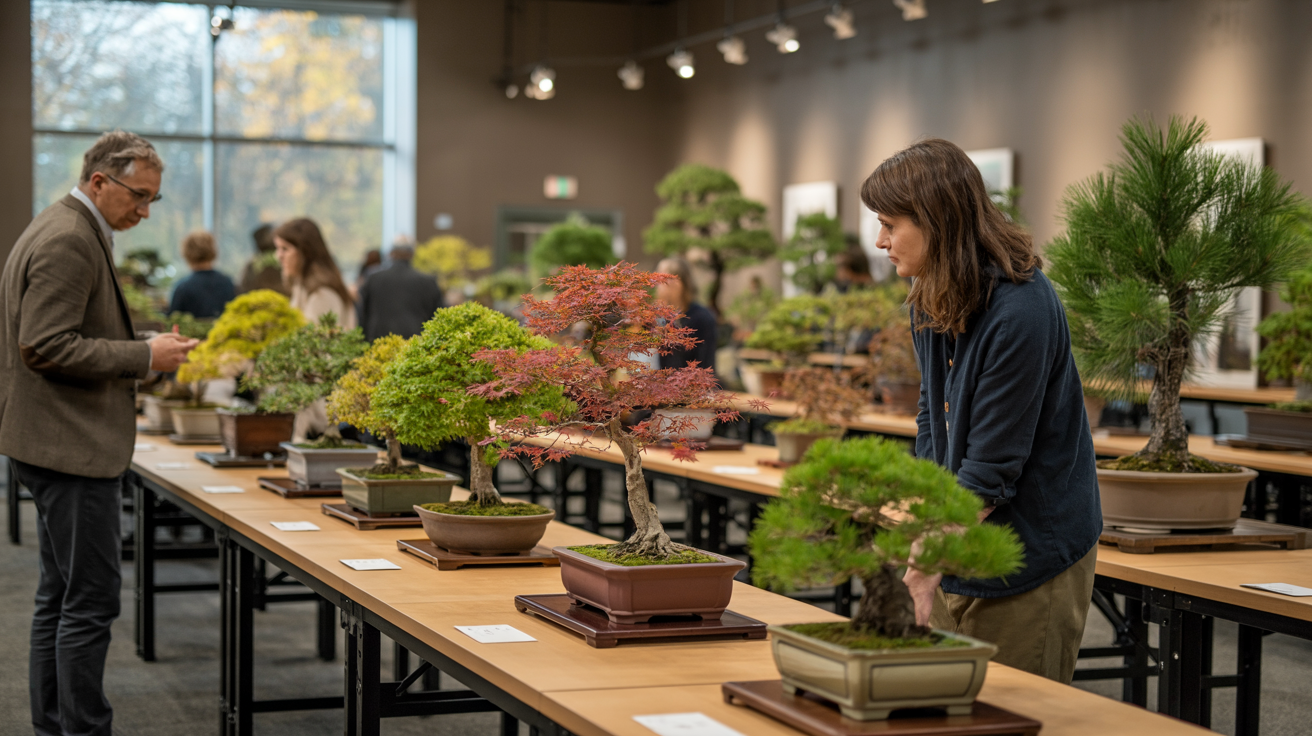
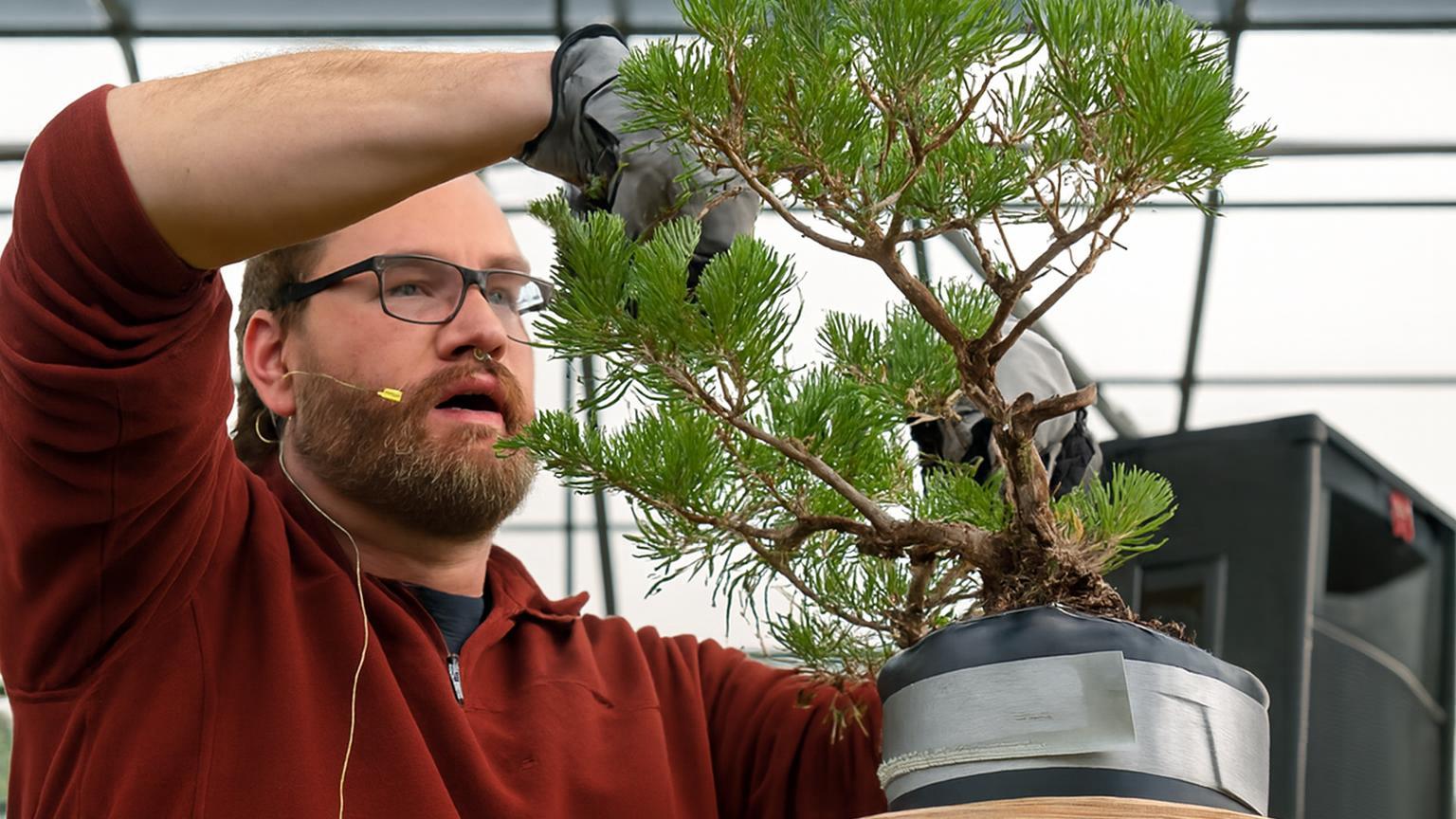
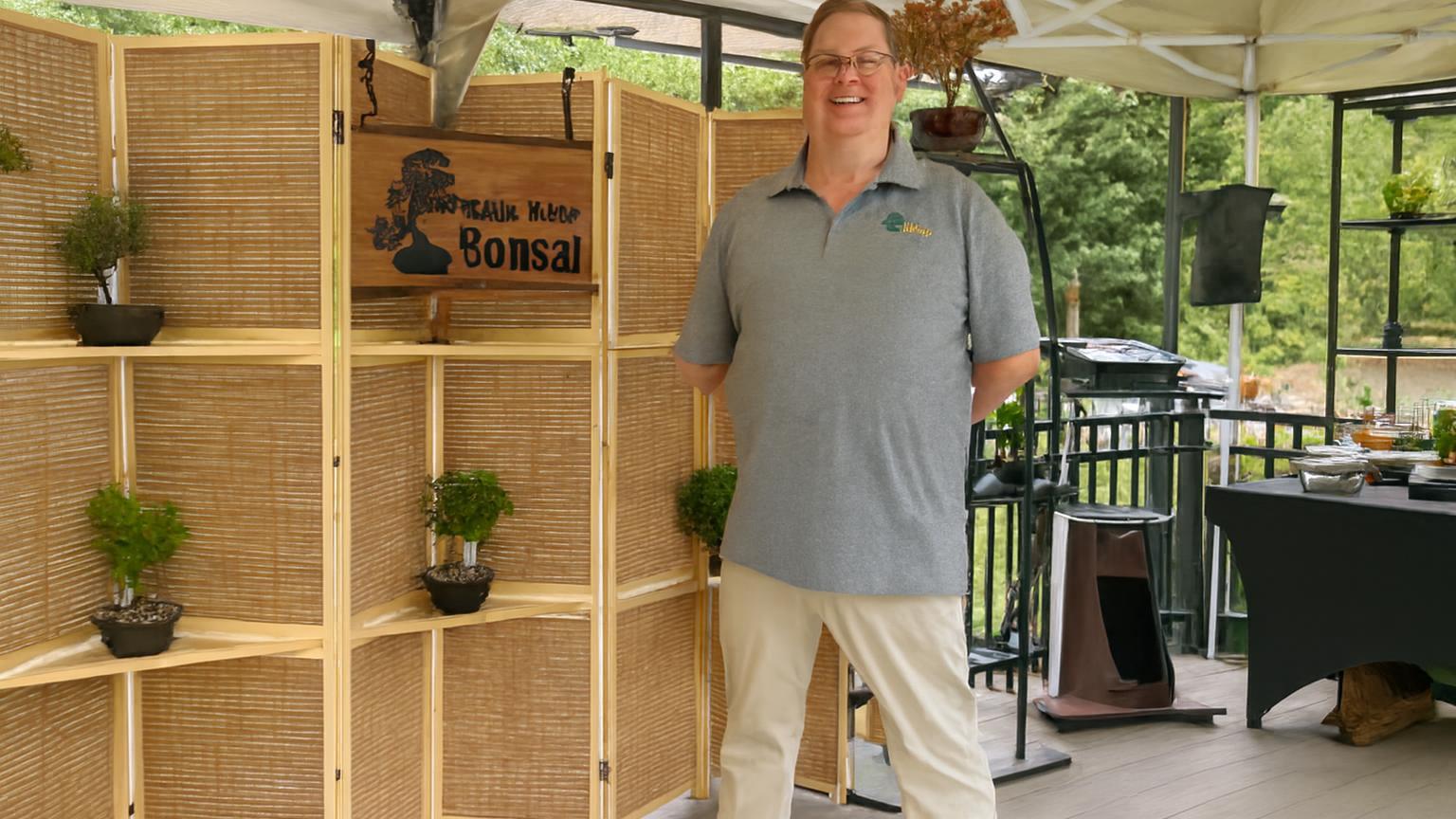
That is why we think what Daniel White and Black River Bonsai are doing in Avon, Ohio deserves more than a passing mention. The second annual Bonsai in the Park, held August 1 at Miller Nature Preserve in Avon, brought together the Cleveland Bonsai Club and the Sandusky Bonsai Club alongside vendors and live demonstrations, including an Asian watercolor session that most bonsai events would never think to include. That programming choice alone signals something: White understands that the visual culture surrounding bonsai is as important as the horticultural practice itself.
The Beginner Problem Most Clubs Get Wrong
Here is what we would argue most established bonsai clubs get wrong about outreach: they front-load complexity. A newcomer walks into a show, sees a 40-year-old Japanese black pine (Pinus thunbergii) styled in a formal upright with meticulously wired secondary branches, and quietly concludes this hobby is not for them. The tree is spectacular precisely because of its age and the hours invested in it — but it communicates barrier, not invitation.
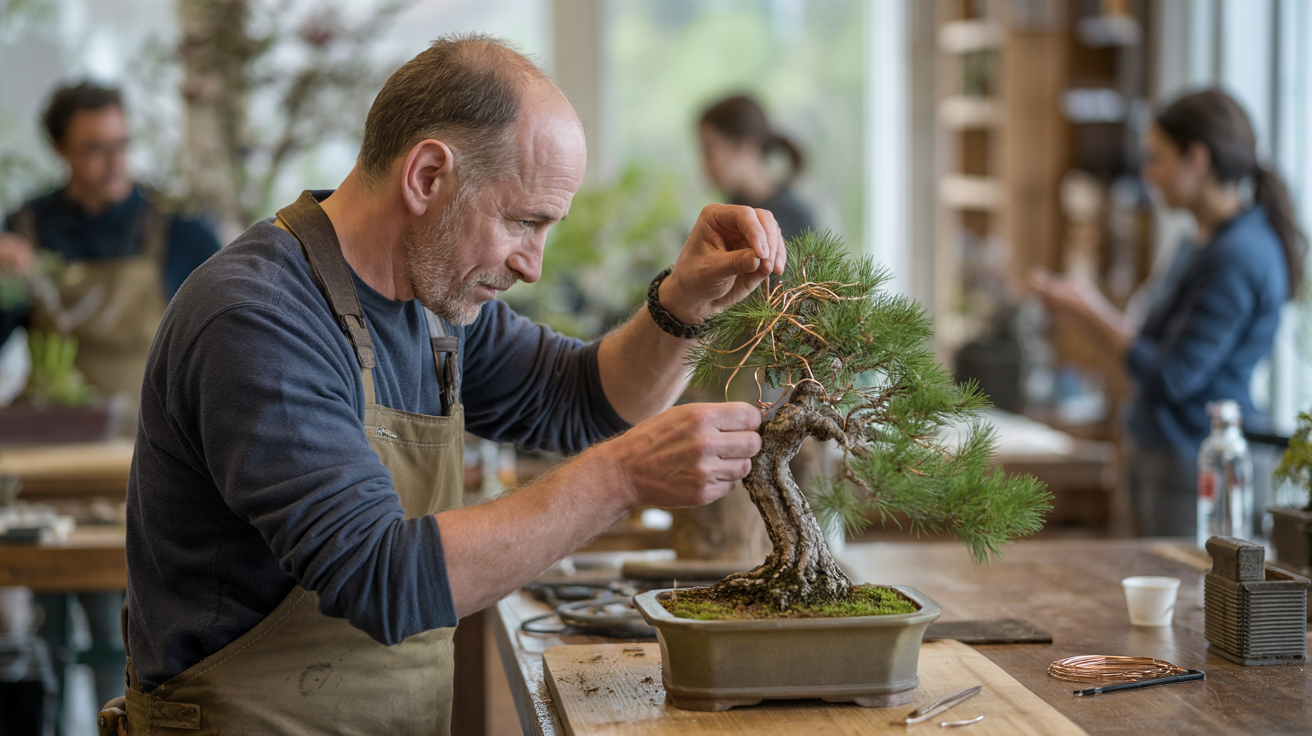
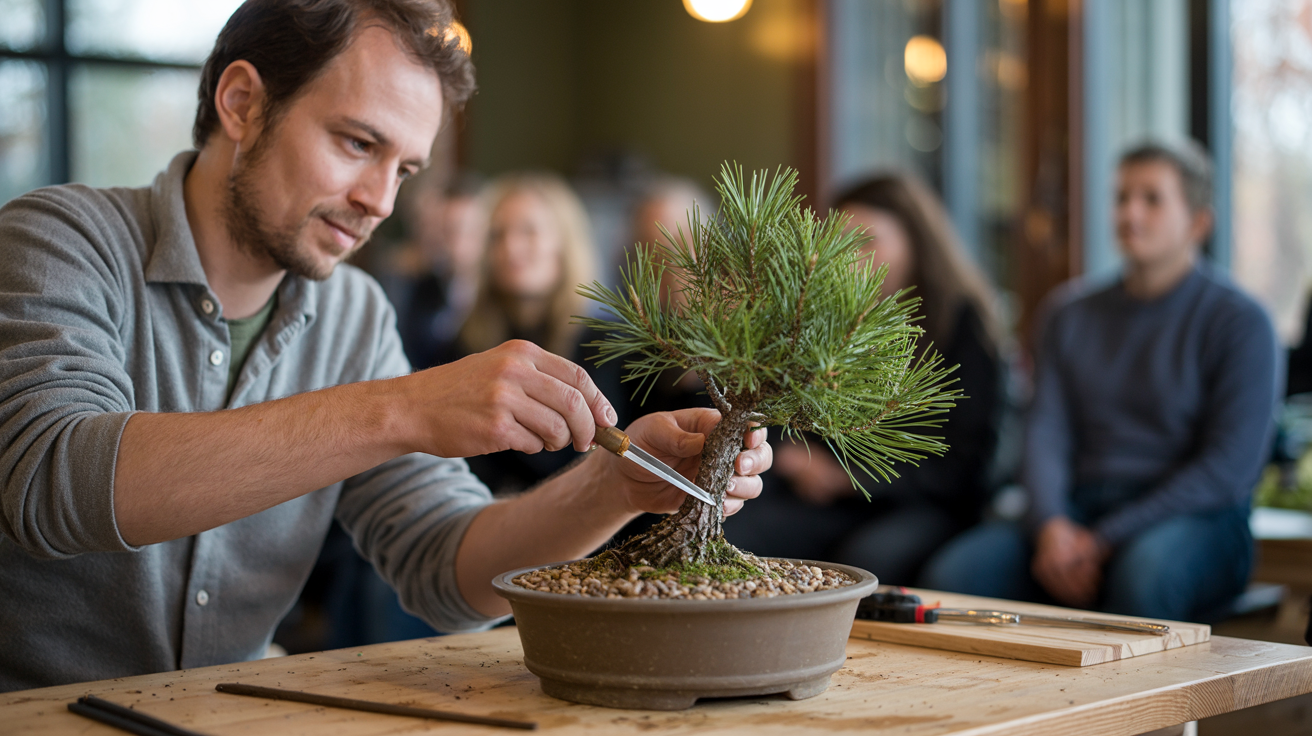
White’s approach flips that script deliberately. His beginner workshops move through history, species selection, styles, wiring technique, soil composition and pot choice before participants actually build a tree they take home. That sequence matters. Soil and pot selection are almost always covered last in beginner guides, if at all — treated as an afterthought behind aesthetics. In practice, getting a beginner into the right free-draining soil (typically an inorganic mix of akadama, pumice and fine lava rock in roughly equal parts) from day one prevents the slow-rot failure that kills most first trees and most people’s enthusiasm along with them.
One Concrete Technique Worth Taking From This Event’s Format
The winter silhouette shows that originally prompted Avon’s Miller Nature Preserve to invite White to create the summer event are, in our view, an underused format. Displaying deciduous trees — Acer palmatum, Zelkova serrata, Ulmus parvifolia — in full dormancy, stripped of foliage, forces viewers to read branch structure honestly. If you want to audit the quality of your own deciduous bonsai’s ramification, do it in January when no leaf cover flatters a weak branch arrangement. Photograph the silhouette against a white background. Problems that are invisible in summer become immediately obvious, and corrections made in late winter before bud swell — selective pruning to two or three buds per shoot — set the tree’s structure for the entire growing season.
For anyone attending a show and considering their first purchase, we also recommend reading our own piece on mechanical shaping tools: Stop Fighting Your Tree: Why a Trunk Bender Is One of the Most Underrated Tools in Your Bonsai Kit. The point connects directly to what beginners encounter when buying a nursery-stock tree at events like this one — movement in the trunk is almost always the first thing they want to create, and wire alone often cannot do the job without stressing young bark.
Our Take
White has spent nearly 30 years in horticulture and currently manages IT at Willoway Nurseries in Avon — a combination that sounds unusual until you realize that making complex systems accessible to non-specialists is exactly what both jobs require. The detail most summaries of this event will miss entirely is that Bonsai in the Park did not grow from a club’s formal strategic plan. It grew from a winter silhouette show that simply went well. That is how durable bonsai communities actually form: incrementally, locally, and around shared physical space.
Actionable Takeaway
If you live within driving distance of a nature preserve, park conservancy or botanical garden, contact their programming department this week. Pitch a single dormant-season silhouette display first — low setup cost, high visual impact, no watering logistics. Get one show on the calendar before you propose anything larger. That is exactly how Avon’s event started, and it now draws clubs from across Ohio.
By Redazione Bonsai World
Article researched and written with AI assistance and reviewed by the Bonsai World editorial team.