
Bonsai: More Than Just a Miniature Tree
For those unfamiliar with the art form, bonsai might appear to be simply a small tree growing in a decorative pot. However, anyone who has delved into this ancient practice knows that bonsai represents something far more profound than its physical appearance suggests. It embodies centuries of cultural tradition, philosophical thinking, and a unique approach to understanding our relationship with nature.
At its core, bonsai is a living art form that originated in China over a thousand years ago before being refined and elevated by Japanese masters. The word itself translates to “planted in a container,” but this literal definition barely scratches the surface of what bonsai truly represents. Each tree tells a story, capturing the essence of nature’s grandeur in miniature form while requiring dedication, patience, and careful attention from its caretaker.
The philosophy behind bonsai extends far beyond horticultural techniques. It teaches us about impermanence, as practitioners must accept that their trees are constantly changing and evolving. This practice encourages mindfulness, requiring enthusiasts to observe their trees regularly, responding to their needs while guiding their growth with gentle intervention. The relationship between artist and tree becomes a meditation on patience, as developing a mature bonsai can take decades or even generations.
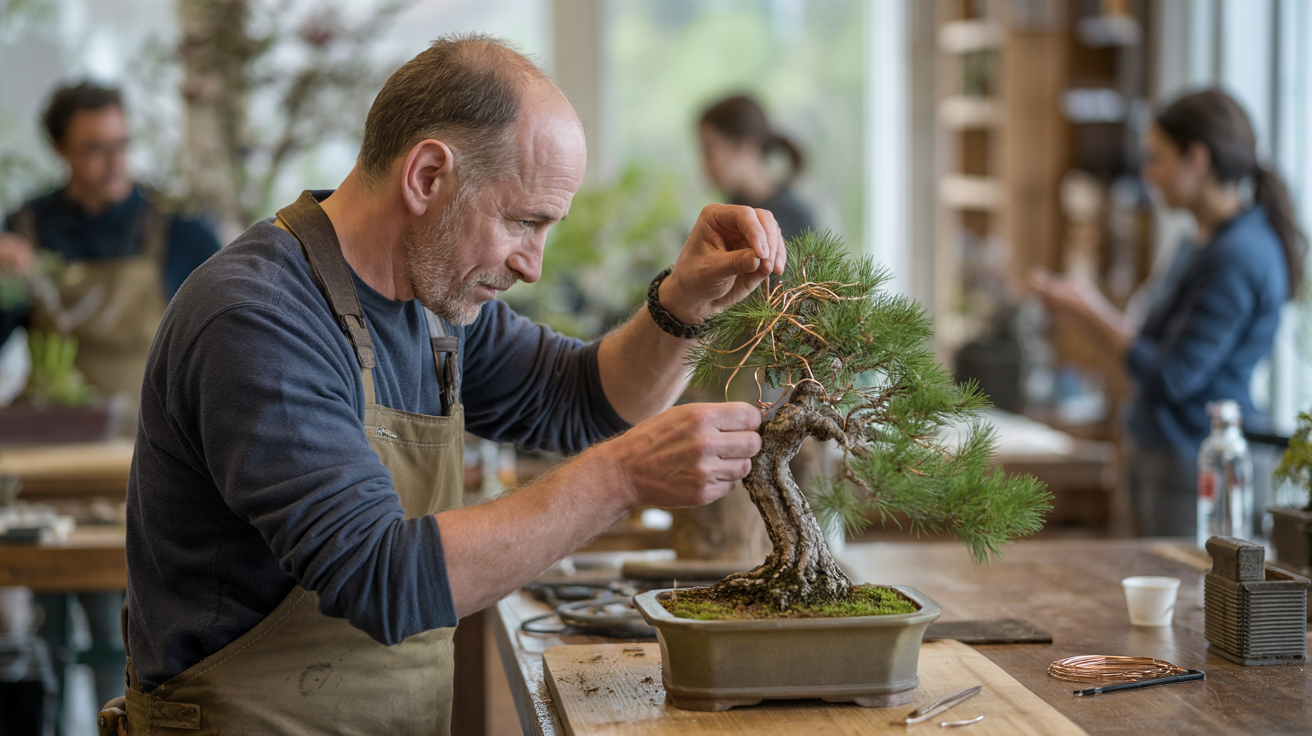
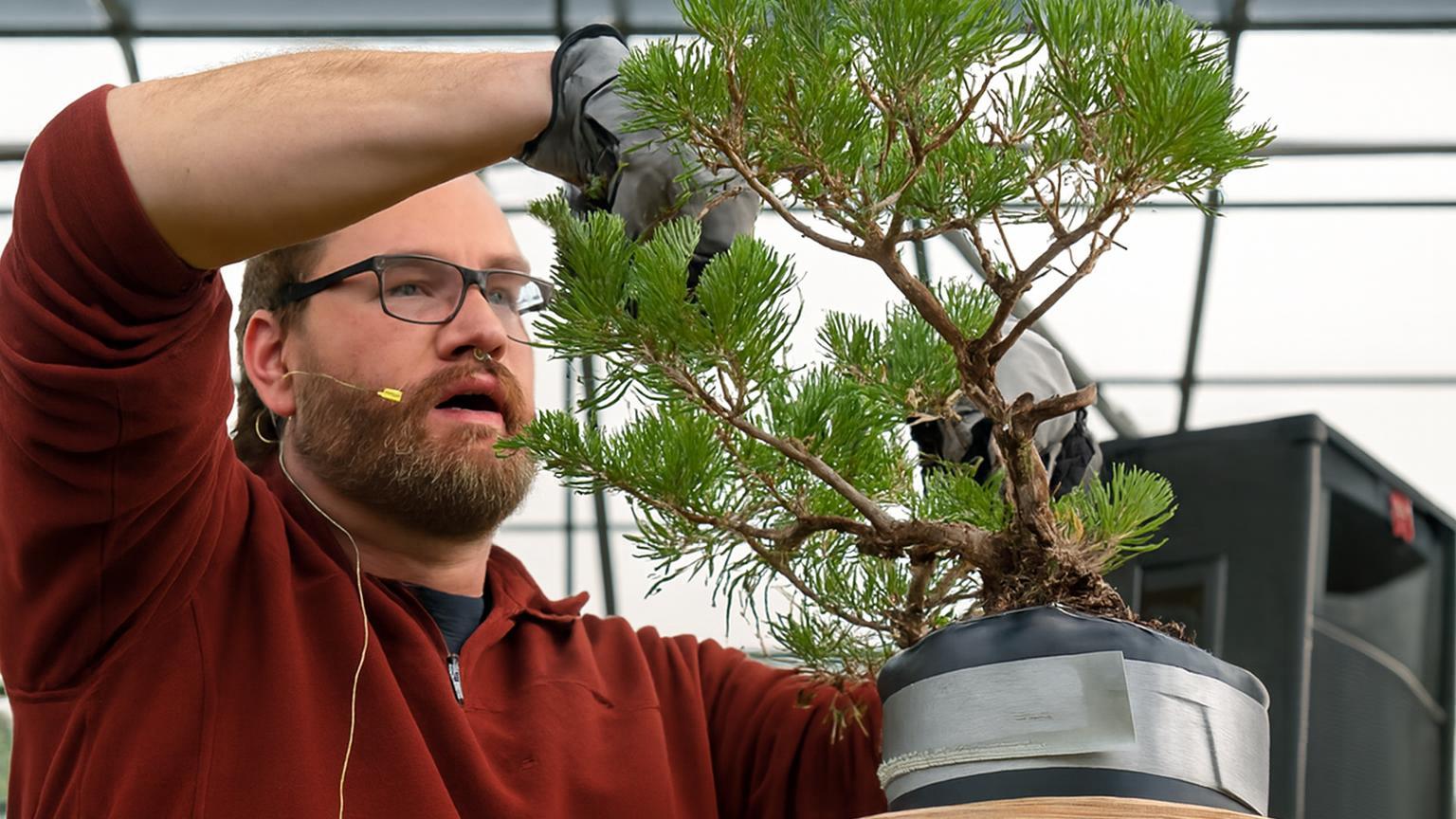
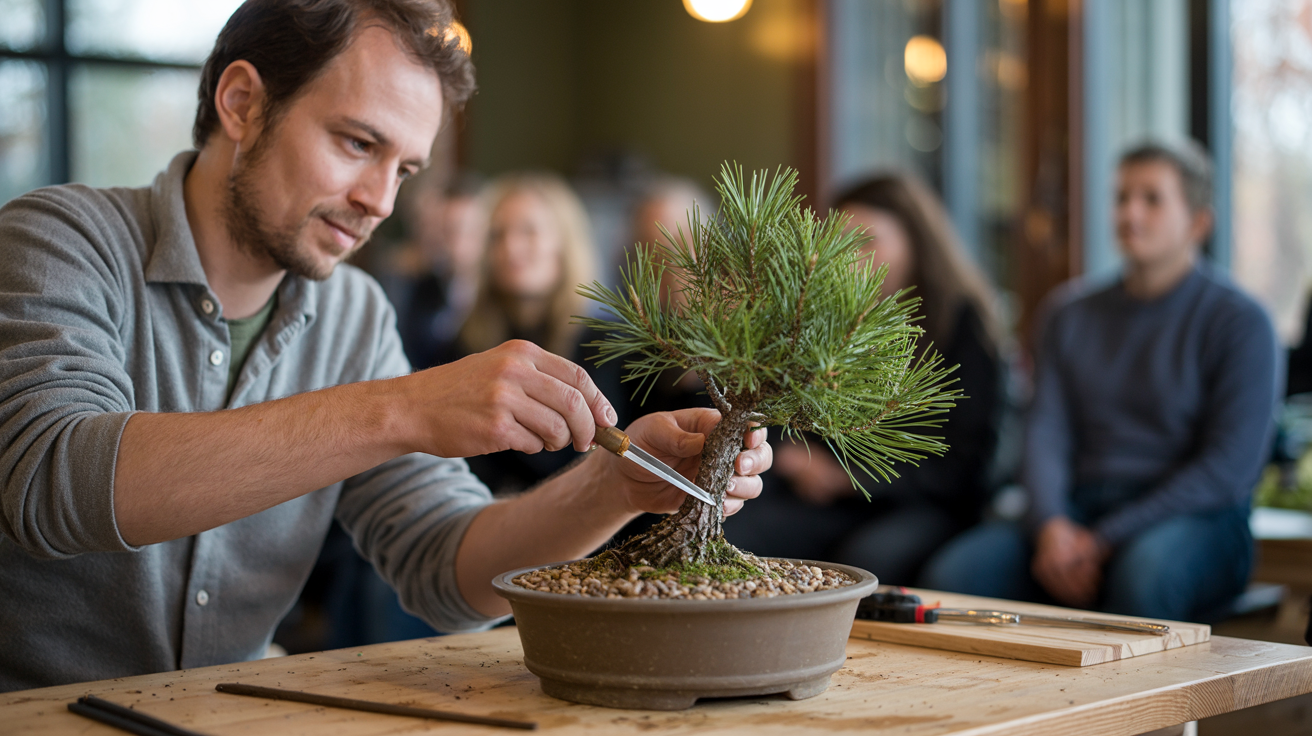
Caring for a bonsai tree demands knowledge of various disciplines. Practitioners must understand horticulture to keep their trees healthy, possess artistic vision to guide their styling decisions, and develop technical skills in pruning, wiring, and repotting. Each species requires specific care considerations, from watering schedules to soil composition, sunlight requirements to seasonal protection. This complexity makes bonsai care both challenging and deeply rewarding.
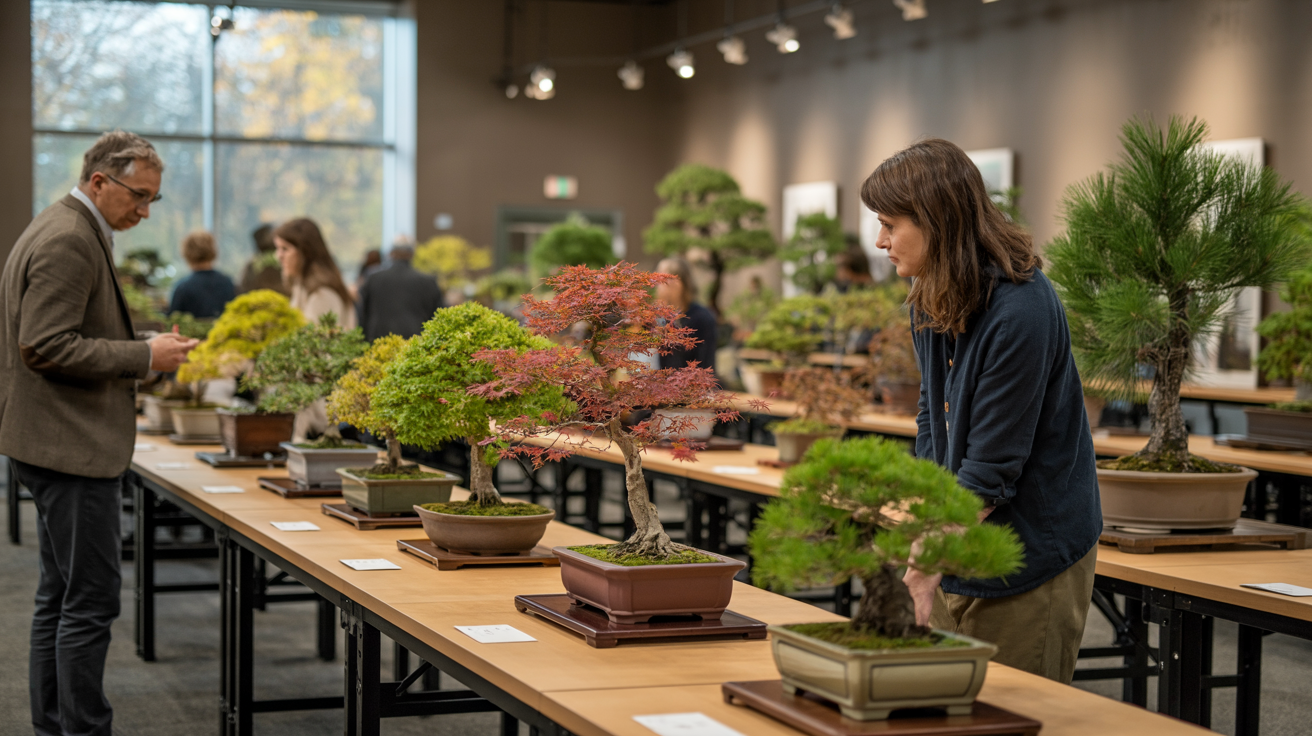
Beyond the practical aspects, bonsai connects us to a global community of enthusiasts who share techniques, experiences, and their passion for these living sculptures. Clubs and exhibitions worldwide provide opportunities for practitioners to learn from one another, appreciating trees that range from young saplings just beginning their journey to ancient specimens that have been carefully maintained for centuries.
The cultural significance of bonsai cannot be overstated. In Japanese culture, these trees often symbolize harmony, balance, and the connection between humanity and nature. They serve as reminders that great beauty can exist in small spaces and that nurturing life requires commitment and respect. Many practitioners find that working with bonsai becomes a form of meditation, offering respite from the stresses of modern life.
For those considering entering the world of bonsai, remember that you are not merely acquiring a decorative plant. You are embracing a living tradition that spans centuries, joining a community of dedicated artists, and embarking on a journey of continuous learning and growth. Your bonsai tree will be more than just a tree—it will become a teacher, a companion, and a reflection of your own patience and dedication to the art.