
Why Cross-Cultural Bonsai Training Is Holding Your Trees Back
We’ve watched the conversation around “global” bonsai approaches unfold with a mix of excitement and concern. The recent coverage from Seattle magazine highlights how blending traditions from Japan, China, and the West has become fashionable in contemporary bonsai circles. But in our view, this celebration of fusion glosses over a fundamental problem: most enthusiasts are mixing techniques without understanding the philosophical bedrock beneath them, and their trees are suffering for it.
The Problem With Aesthetic Pick-and-Mix
Here’s what most guides get wrong: they present bonsai as a buffet of styling options where you can cherry-pick a Jin from Japanese tradition, add Chinese penjing rock work, and finish with Western naturalism. The reality is that these traditions emerged from entirely different relationships with nature and time. Japanese bonsai emphasizes restraint and the beauty of negative space. Chinese penjing often tells dramatic landscape stories. Western approaches prioritize horticultural health and species-appropriate realism. When you graft these together without intention, you don’t get innovation—you get visual confusion and, more critically, cultivation mistakes that weaken your tree.
We would argue that the rush to be “globally minded” has created a generation of practitioners who wire like the Japanese, water like the Americans, and fertilize like the Chinese, often within the same growing season. The result? Stunted growth, burned foliage, and structural weakness. A Japanese black pine trained for compact needle development doesn’t respond well to aggressive Chinese feeding schedules designed for fast landscape effects. Similarly, applying Japanese refinement techniques to a tropical species being grown in a Western greenhouse with year-round warmth produces leggy, unbalanced growth.
Choose Your Foundation, Then Adapt
Our take is simple: pick one tradition as your foundation, understand its core principles deeply, and only then borrow selectively from others. This isn’t about rejecting cross-pollination—it’s about doing it intelligently. If you’re working with native North American species like Rocky Mountain juniper or ponderosa pine, start with Western naturalistic principles that honor how these trees actually grow in nature. If you’re drawn to formal upright Chinese elms, study the aesthetic frameworks of both traditions to understand why the trunk lines differ.
A Concrete Technique: The Foundation-First Wiring Method
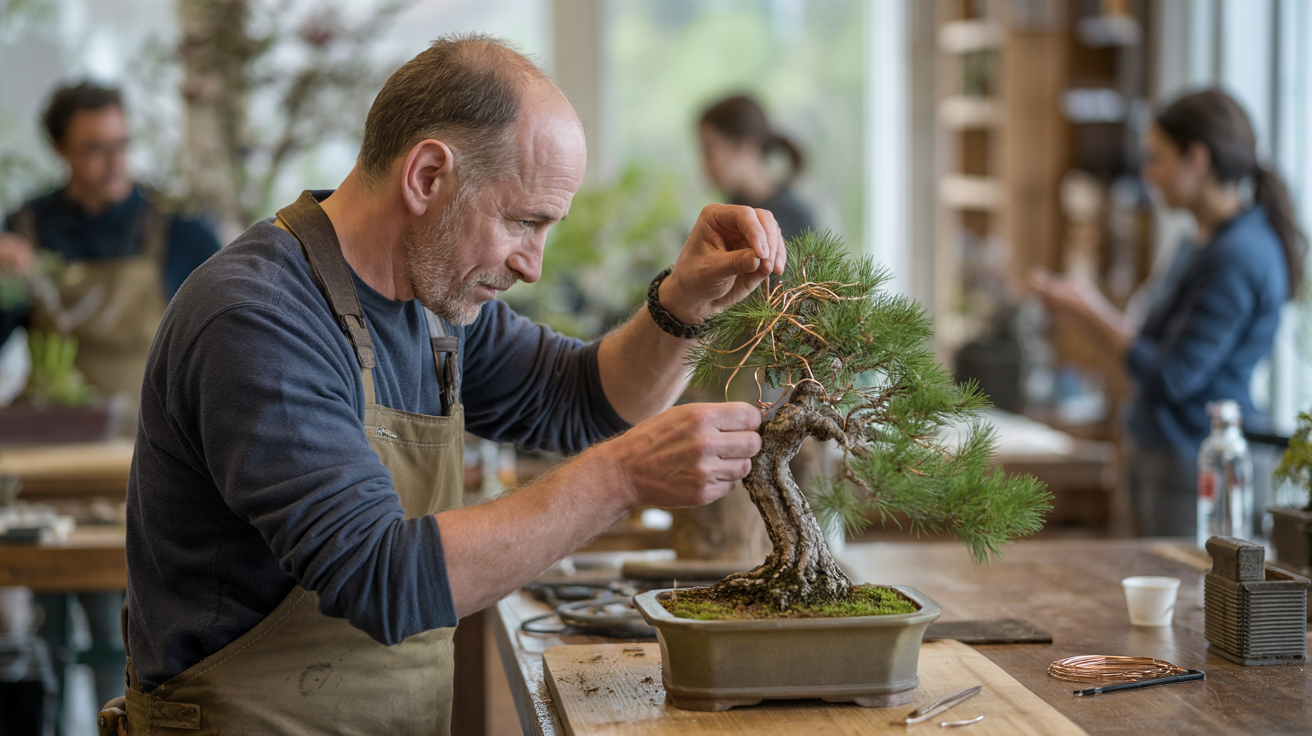
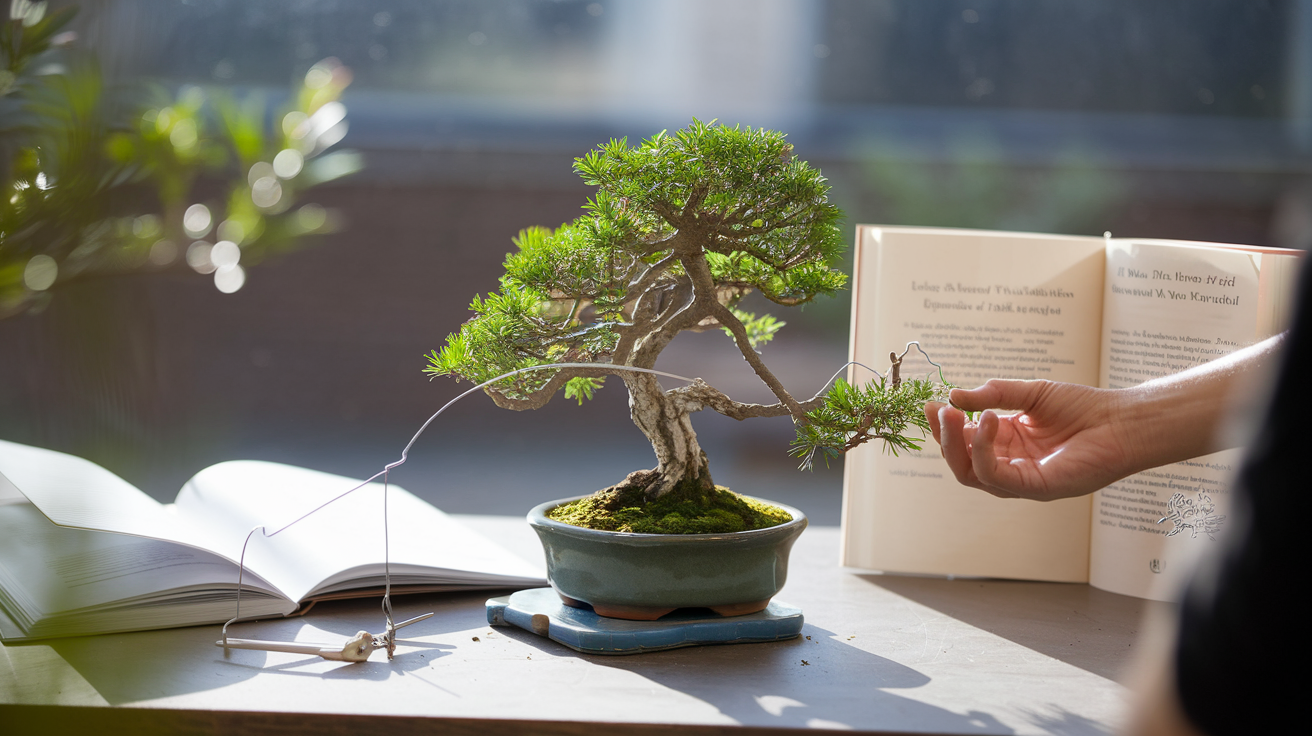
Here’s how to apply this thinking practically. Before you wire any branch, ask yourself which tradition’s growth pattern you’re trying to achieve. For Japanese-style refinement on a Shimpaku juniper, wire in late autumn when growth has hardened, using thin aluminum wire at a 45-degree angle, spacing coils one wire-width apart, and removing it within six months before it bites. For Chinese penjing drama on the same species, you might wire earlier in spring with slightly heavier copper, allowing more exaggerated movement and leaving wire longer to set dramatic bends. The species is identical, but the timing, material, and removal schedule differ based on your aesthetic goal. Mixing these approaches—say, using autumn timing with copper wire and penjing angles—creates mechanical stress the tree wasn’t prepared for.
Why This Matters Now
As our community grows more connected, the temptation to sample everything intensifies. But trees don’t care about our cosmopolitan aspirations. They respond to consistent, coherent care rooted in understanding. The most successful “global” practitioners we know didn’t start by blending—they mastered one approach first, then experimented with intention over decades, not seasons.
Actionable Takeaway
Today, audit your current trees. For each one, write down which tradition’s principles are guiding your care schedule, wiring approach, and aesthetic goals. If you can’t answer clearly, or if you’re mixing incompatible techniques, choose one foundation for that tree and commit to it for the next full growing season. Your tree will repay the clarity with vigor.
Source: Seattle magazine
This article was created with AI assistance by the Bonsai World editorial team.