
Why Patience Is the Wrong Goal: What Bonsai Really Teaches Us About Time
We’ve all heard it: bonsai teaches patience. It’s the first thing beginners are told, the opening line of nearly every introductory class, and the heart of countless feel-good stories about the art. A recent piece from The Naples Press reinforces this narrative, highlighting how bonsai practice cultivates patience. But here at Bonsai World, we would argue this well-worn cliché misses the point entirely—and worse, it sets up beginners for frustration and failure.
The patience narrative suggests that bonsai is about waiting. It implies that success comes from sitting back, doing little, and letting time work its magic. In our view, this is not only wrong but actively harmful to developing practitioners. What bonsai cultivation actually teaches is not patience but active observation, decisive intervention, and respect for biological rhythms. There’s a crucial difference.
The Observation Imperative
Consider the difference between these two approaches: A patient practitioner waters their Japanese maple on a schedule—every other day, rain or shine. An observant practitioner checks the soil moisture with their finger each morning, notes the weather forecast, considers the season, and adjusts accordingly. The first is passive. The second is engaged with the living reality of the tree.
Most guides get this wrong by emphasizing waiting over watching. They tell you to wait three years before repotting a collected yamadori, but they don’t teach you to watch for the signs that tell you when the tree is actually ready: vigorous spring growth, roots circling the pot edge, or water draining too quickly through depleted substrate. These indicators matter far more than any calendar.
The Intervention Paradox
Here’s what we’ve learned over years of working with hundreds of trees: bonsai rewards those who act decisively at the right moment, not those who wait patiently for the perfect time. When your Chinese elm shows robust growth in early June, that’s your window for aggressive pruning—not next month, not when you feel more patient. The tree’s biology doesn’t care about your virtue.
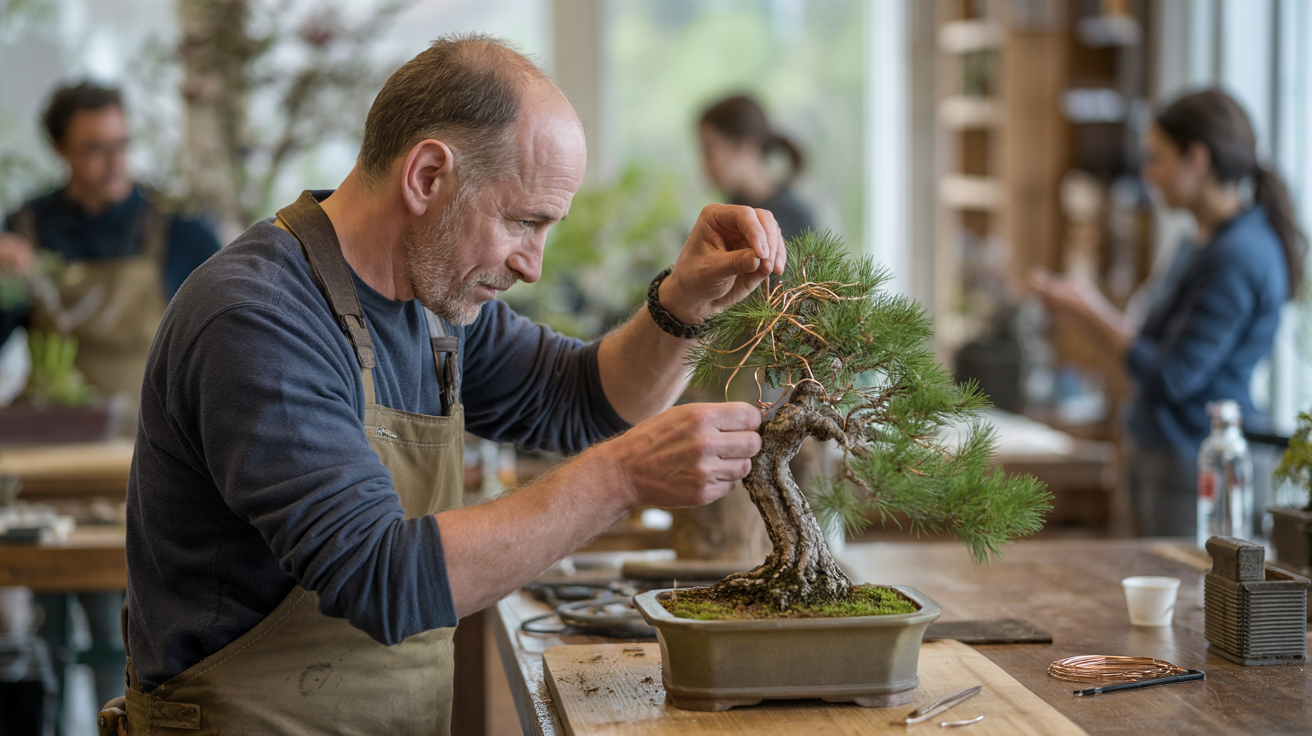
This is particularly critical with species timing. Ficus can be wired almost year-round in warm climates, but try wiring a deciduous azalea in July and you’ll tear the brittle bark. A patient person might wait until they feel ready. An observant practitioner wires azaleas in late autumn through early spring when the wood is flexible and the tree is dormant. The tree’s schedule matters, not yours.
Our Take: Active Time Versus Passive Time
What bonsai really teaches is the difference between active and passive time. You cannot rush a trunk to thicken—that takes years of photosynthesis, growth cycles, and vascular development. But within that biological constraint, your interventions matter enormously. Choosing where to prune, when to repot, how to position branches—these decisions compound over time. Make them well, and a tree develops character in five years. Make them poorly, and ten years yields little.
One Concrete Technique: The Weekly Walk-Through
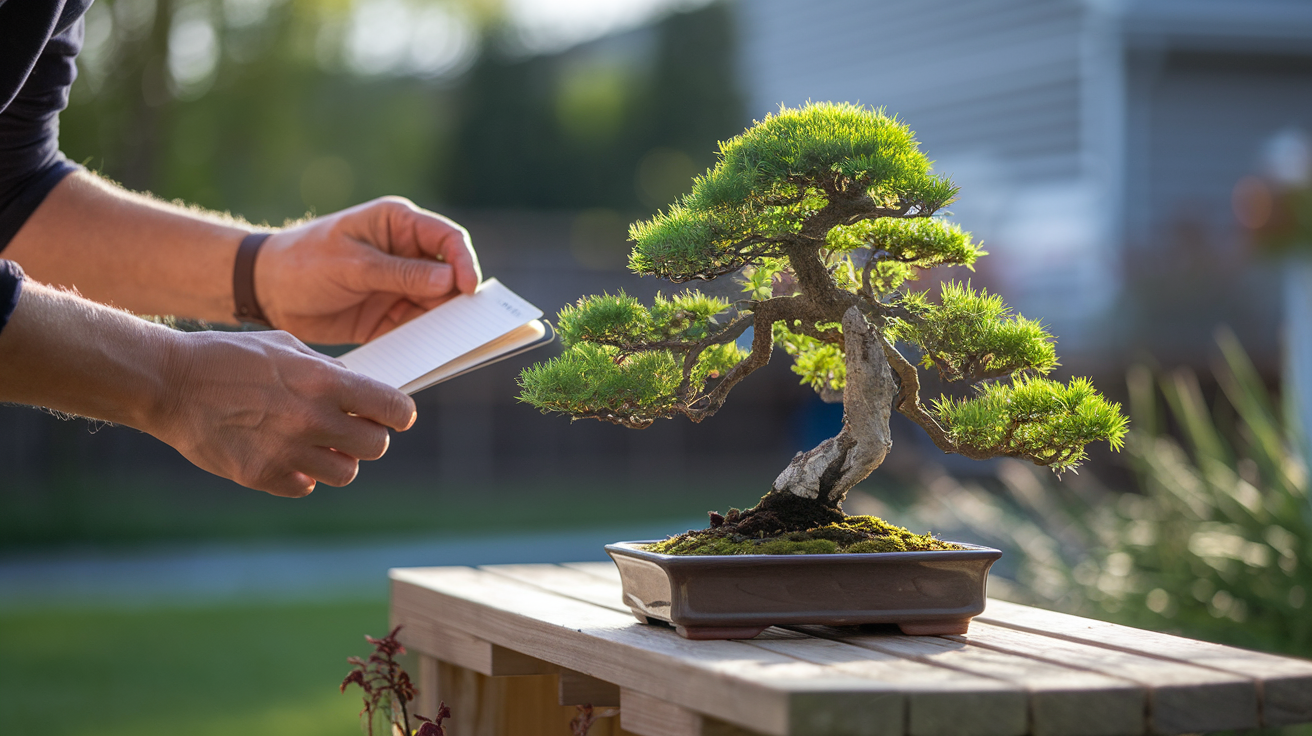
Here’s something you can implement immediately: establish a weekly detailed observation routine. Every Sunday morning, walk through your entire collection with a notebook. For each tree, record three specific observations: new growth direction, soil moisture level, and one aesthetic evaluation (proportion, branch placement, or health concern). This takes fifteen minutes for a dozen trees.
The goal isn’t to act on everything you notice. It’s to build a mental database of each tree’s normal rhythms so you recognize immediately when something changes. That’s when decisive action matters—when you spot the first scale insects on your juniper, when you notice back-budding on your pine, when you see roots emerging from drainage holes.
The Takeaway
Stop waiting patiently. Start observing actively. Your trees will thank you for it.
Actionable takeaway: This week, institute the Sunday observation walk-through. Note three specific details per tree. In one month, review your notes and you’ll see patterns you’ve been missing.
This article was created with AI assistance by the Bonsai World editorial team.