
Why Teaching Patience Through Bonsai Misses the Point
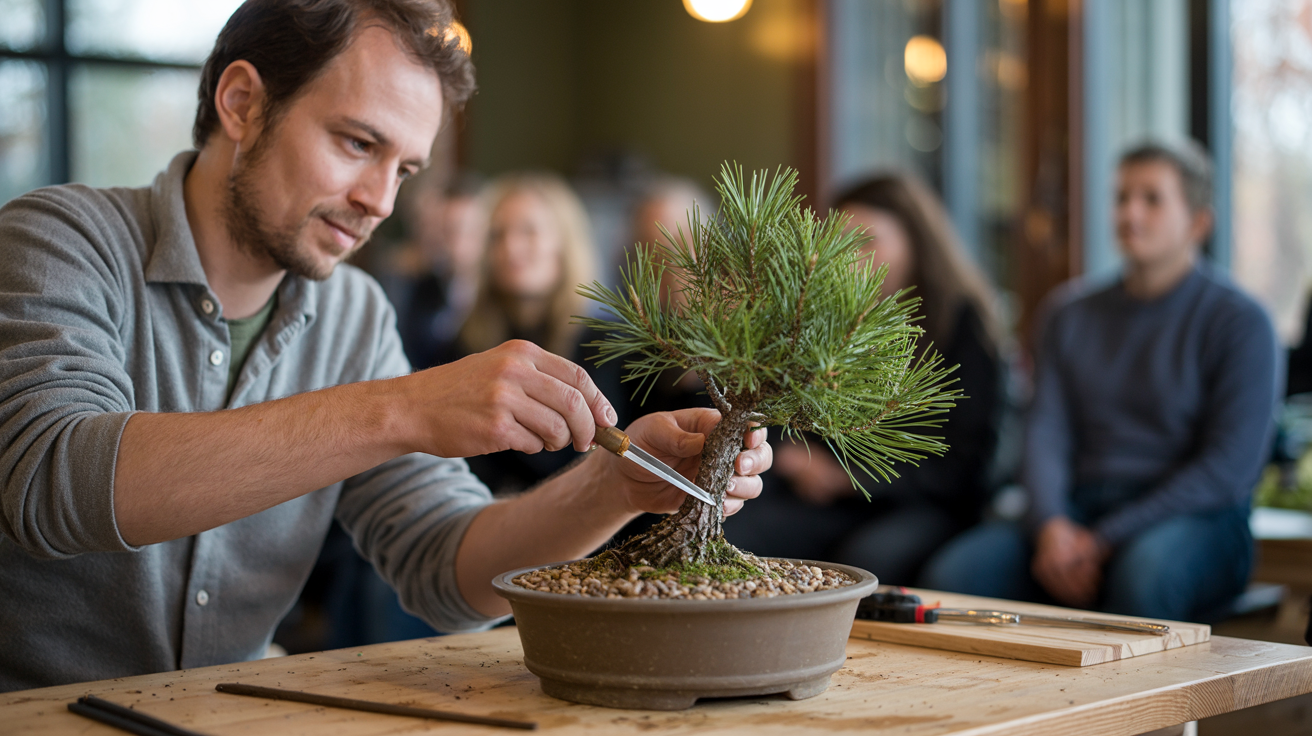
We’ve all heard it before: bonsai teaches patience. It’s become the default narrative whenever someone tries to explain the art to outsiders, and a recent feature about Riajuu Bonsai’s teaching approach in Naples reinforces this well-worn trope. But in our view, framing bonsai primarily as a lesson in patience does both the art and aspiring practitioners a disservice. The real insight bonsai offers isn’t about waiting—it’s about learning to recognize and respond to the right moment for action.
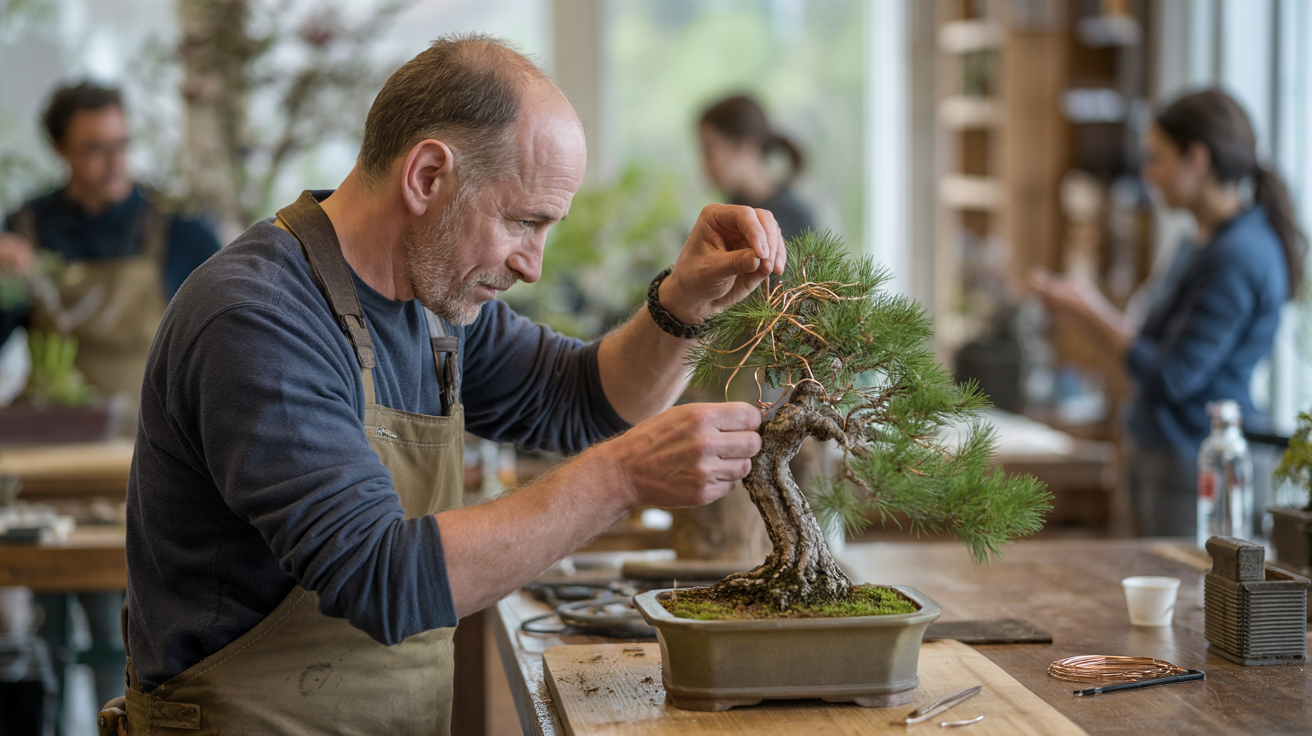
We would argue that the patience narrative actually steers beginners wrong. It suggests that bonsai is about passive observation, about sitting back and letting time do the work. In reality, successful bonsai cultivation and care demands constant active observation and timely intervention. Miss the two-week window in early spring when your Japanese maple is pushing strong growth, and you’ve lost your best opportunity for structural pruning that year. Wait too long to wire a young branch on a Chinese elm, and it lignifies beyond the point where you can easily set its position.
What Most Guides Get Wrong
The standard advice tells beginners to “be patient” and “let the tree grow.” What it should say is: learn to read your tree’s signals and act decisively when those signals appear. There’s a massive difference. A Ficus retusa pushing vigorous growth in July isn’t asking you to wait patiently—it’s telling you this is the moment to establish taper through aggressive cutback, because it has the energy reserves to recover and the growing season ahead to heal wounds before dormancy.
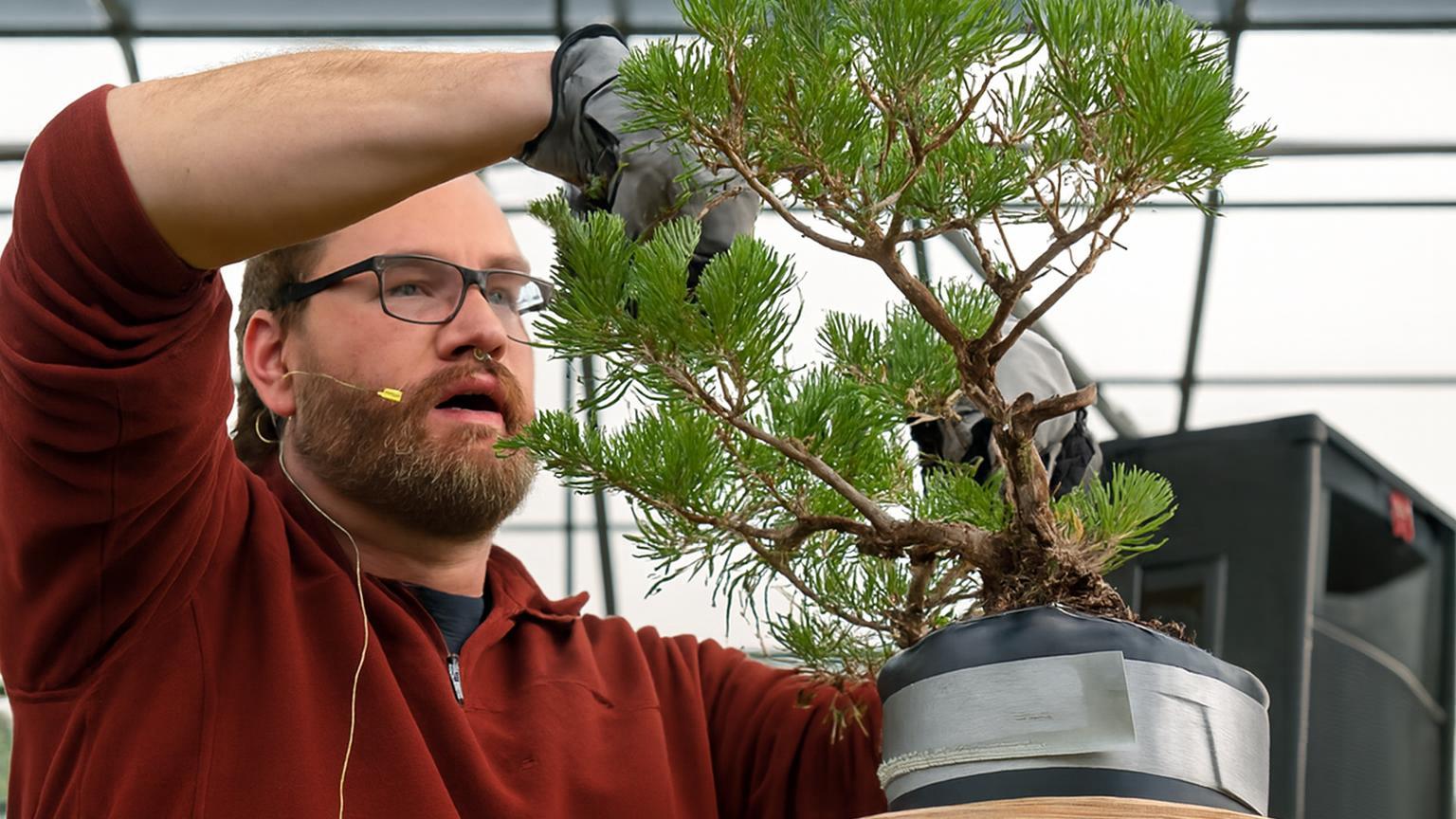
The patience myth also obscures one of bonsai’s most important technical realities: timing determines technique success more than skill level does. A mediocre practitioner who wires a juniper in November will get better results than an expert who wires the same species in April, simply because the tree isn’t moving resources rapidly through the cambium layer in late autumn, reducing the risk of wire scarring as branches thicken.
A Concrete Technique: The Two-Day Window Test
Here’s a practical approach we recommend for developing timing awareness rather than passive patience. Pick one tree in your collection—ideally a fast-growing species like privet, Chinese elm, or tropical fig. For the next growing season, check it every two days without fail. Not weekly, not when you remember, but strictly every forty-eight hours.
Record three observations each time: internode length on the newest growth, color of emerging leaves compared to mature foliage, and relative hardness of the newest stems when you gently flex them. Within a month, you’ll start seeing patterns. You’ll notice that your tree doesn’t grow steadily—it pulses. There are explosive two-week periods followed by consolidation phases. Those explosive periods are your action windows for major work.
Once you’ve tracked these patterns through a full season, you’ll have earned something far more valuable than patience: timing intuition. You’ll know that your specific tree, in your specific climate and growing conditions, follows a rhythm you can predict and leverage.
Our Take
Bonsai doesn’t teach patience—it teaches you to stop projecting your timeline onto a living organism and instead sync your actions with the tree’s biological calendar. That’s not semantics; it’s the difference between passive waiting and active partnership. The trees that thrive under human care aren’t the ones whose owners patiently leave them alone. They’re the ones whose practitioners learned to recognize the fleeting moments when intervention creates transformation rather than trauma.
Actionable takeaway: This week, identify the newest shoot on your most vigorous bonsai. Mark it with a small piece of tape where it meets older wood. Check it in exactly two days and measure how much it’s extended. Repeat for two weeks. You’ve just started building your timing database—the real skill bonsai demands.
Source: The Naples Press
This article was created with AI assistance by the Bonsai World editorial team.