
Why Patience Is Not Enough: What Bonsai Practice Really Teaches Us
We’ve all heard it before: bonsai teaches patience. It’s the platitude that greets every beginner, the wisdom repeated in every introductory workshop, and the headline of countless articles—including a recent piece from Naples about a local bonsai teaching practice. But here’s what we would argue: patience alone is a passive virtue, and bonsai demands something far more active and challenging. The art teaches decisiveness under uncertainty, and that’s a lesson most introductory guides completely miss.
Our Take: The Patience Myth Gets It Backwards
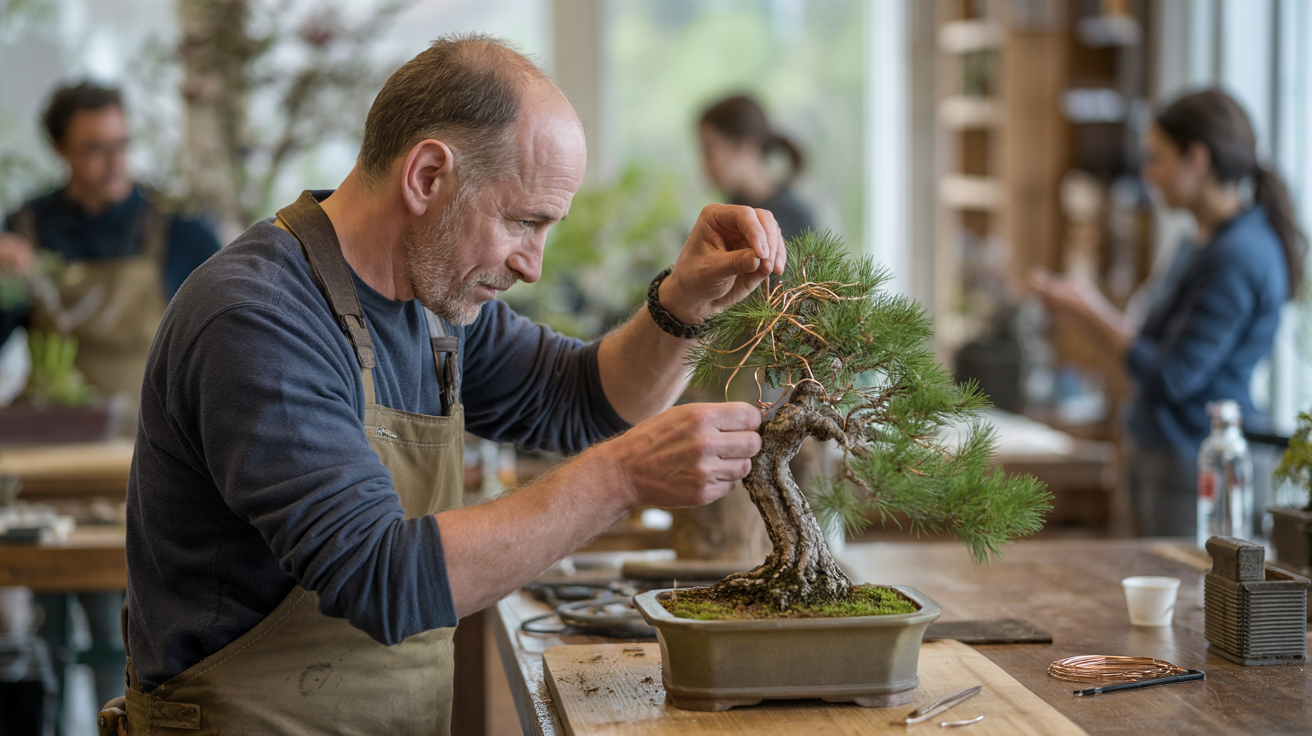
In our view, framing bonsai as an exercise in patience actually does beginners a disservice. Yes, you must wait for growth. Yes, healing takes time. But the defining moments in bonsai cultivation are not about waiting—they’re about making irreversible decisions with incomplete information. When you wire a primary branch on a five-year-old Japanese maple in late spring, you’re committing to a direction that will define the tree’s structure for decades. When you decide whether to cut back that thick trunk on a collected juniper, you’re choosing between competing visions of the future, neither of which you can fully predict.
What bonsai actually teaches is comfort with consequential decision-making when you can’t possibly know all the outcomes. Most horticultural guides walk you through the mechanics—how to wire, when to repot, which substrate to use—but they skip over the psychological challenge of making the cut. This is why so many enthusiasts stall out after a few years: they’ve learned patience, but they haven’t learned conviction.
The Real Skill: Decisive Action Within Natural Constraints
Consider the difference between a beginner and an intermediate practitioner working on a Ficus retusa in early June. The beginner waits, observing growth, hesitant to intervene. They’ve been told to be patient, so they are. The intermediate grower assesses the vigorous flush of new growth, notes which shoots are strengthening desired branches and which are thickening unwanted areas, and acts. They prune back the competing leaders to two leaves, knowing this will redirect energy. They wire the extending branch at a twenty-degree angle, committing to a direction. They do this not because they have complete certainty, but because they’ve learned to make informed decisions within the tree’s growth window.
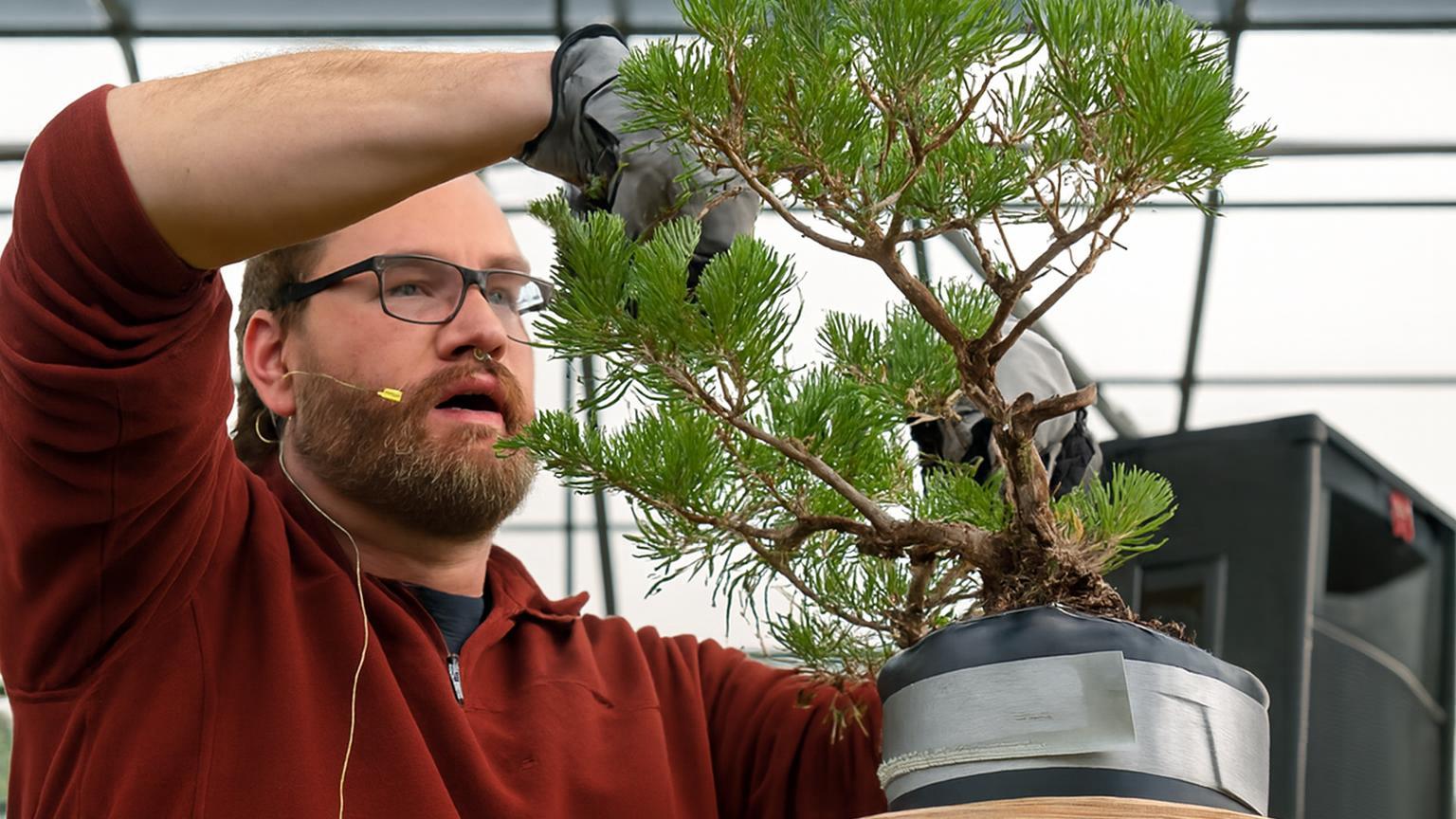
The window itself imposes urgency. Wire a deciduous tree in midsummer when growth has hardened, and you risk scarring. Wait too long to prune a pine’s candles, and you’ve missed the chance to control next year’s needle length. Bonsai teaches you to act when the tree is ready, not when you feel ready.
A Concrete Exercise in Decisive Pruning
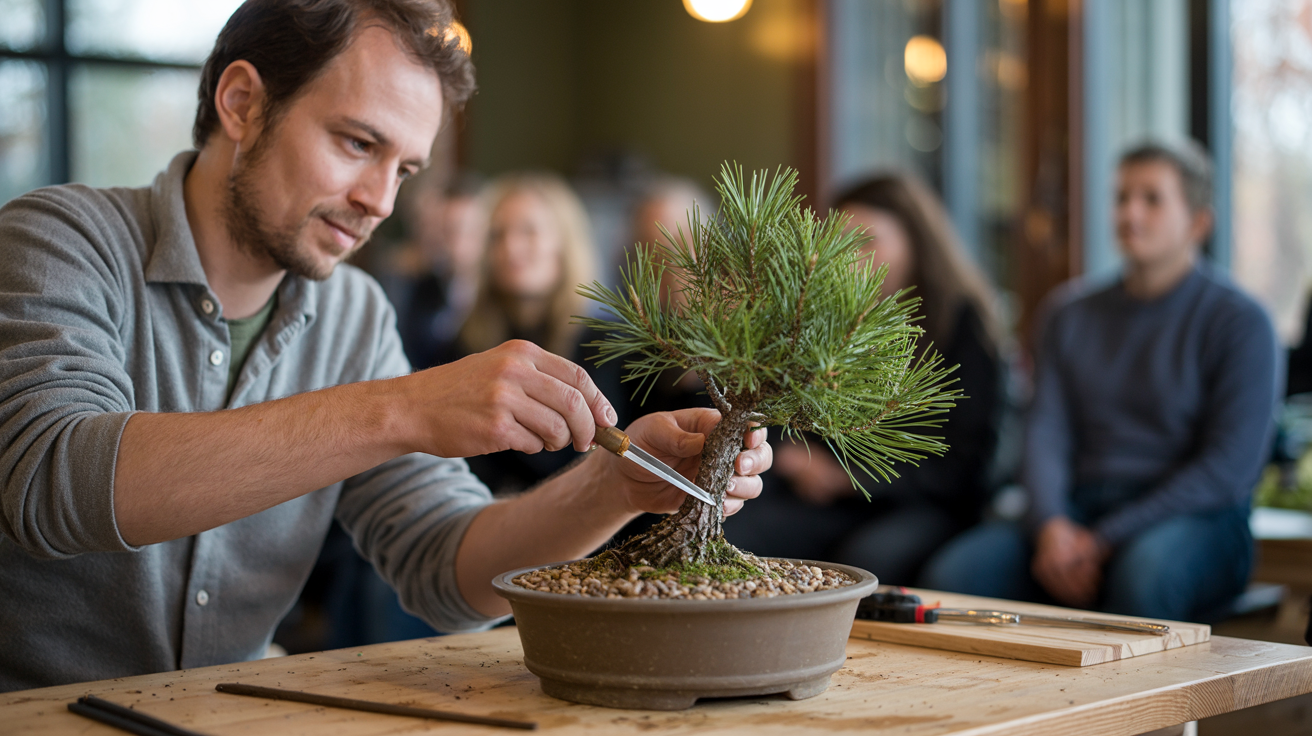
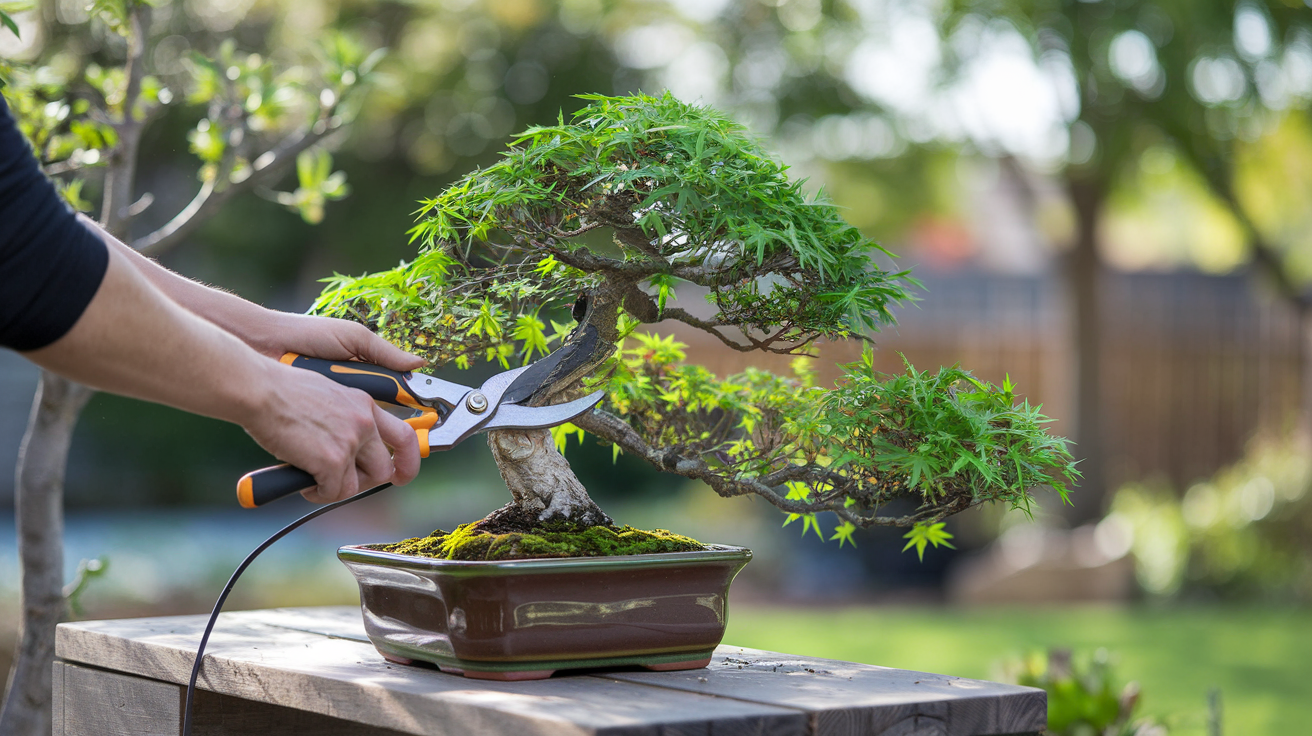
Here’s a technique we recommend for building this decisiveness: the “three-minute structural assessment.” Choose a tree that needs work. Set a timer for three minutes. In that time, identify the single most important structural decision facing the tree—not three decisions, not five, just one. Is it removing a competing apex? Establishing the primary branch line? Deciding which of two trunks becomes the dominant leader? When the timer ends, execute that decision immediately. Make the cut, place the wire, or remove the branch.
This forces you past analysis paralysis. You’ll make mistakes—we certainly have—but you’ll develop the muscle of commitment. The tree will respond, you’ll learn from that response, and the next decision will be better informed.
Why This Matters Now
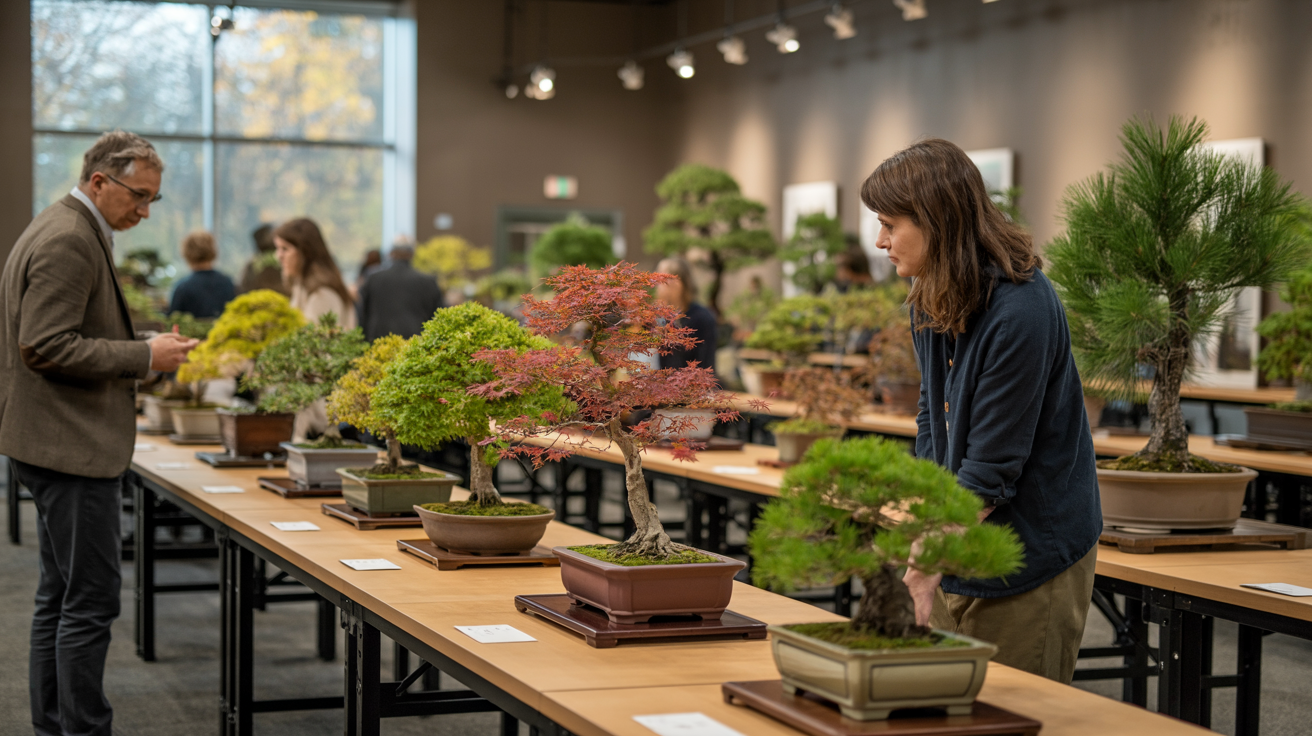
The bonsai community has grown substantially in recent years, bringing in practitioners who value mindfulness and meditative practice. These are genuine benefits of the art. But if we only emphasize the contemplative aspects, we risk creating a generation of growers who observe beautifully but never shape boldly. The trees that move us—the ones that win exhibitions, that capture essential tree-ness in miniature—come from artists who learned when to wait and when to act with conviction.
Patience is part of bonsai. But so is courage, timing, and the willingness to commit to an uncertain future. That’s the lesson worth teaching.
Actionable takeaway: This week, identify one structural decision you’ve been postponing on one of your trees. Set a timer, assess the situation, and execute the decision within five minutes. Document it with a photo, and check back in three months to evaluate the outcome.
Source: The Naples Press
This article was created with AI assistance by the Bonsai World editorial team.