
In the contemporary landscape of bonsai cultivation, where tradition often collides with innovation, Germán Colmenares stands out as a practitioner whose work bridges classical technique with a distinctly personal aesthetic vision. We’ve followed his progression over the years, and what strikes us most is not merely technical proficiency—though that is certainly present—but rather a consistent philosophy about what bonsai can express beyond the immediate visual appeal of miniaturized trees.
Colmenares is widely recognized within the international bonsai community for his work with tropical and subtropical species, materials that present unique challenges compared to the temperate-climate trees more commonly featured in traditional Japanese bonsai practice. This focus is not incidental. Working with species adapted to warmer climates requires rethinking fundamental assumptions about dormancy, growth cycles, and seasonal styling interventions. Where a Japanese maple offers predictable rest periods and well-documented wiring windows, a Brazilian rain tree or a schefflera demands observation, adaptation, and sometimes a willingness to discard received wisdom.
A Philosophy Rooted in Regional Identity
What we find most compelling about Colmenares’ approach is his insistence that bonsai need not mimic Japanese or Chinese forms to achieve authenticity. His trees often reflect the character of Latin American landscapes—the gnarled survivors of high-altitude environments, the explosive growth patterns of rainforest emergents, the wind-sculpted silhouettes of coastal vegetation. This is not exoticism for its own sake. Rather, it represents a thoughtful argument that bonsai, as an art form, gains depth when it expresses the specific ecological and cultural contexts from which both artist and material emerge.
This regional sensibility has influenced a generation of growers who might otherwise have felt that mastery required strict adherence to Japanese aesthetic principles. Colmenares demonstrates that understanding traditional principles—negative space, asymmetrical balance, the suggestion of age—matters less as a set of rules than as a foundation for personal expression. His styling choices frequently emphasize dramatic movement and bold structural decisions, yet they remain grounded in horticultural reality. The trees look like they could exist in nature, just not necessarily in Kyoto.
Technical Rigor Beneath the Expression
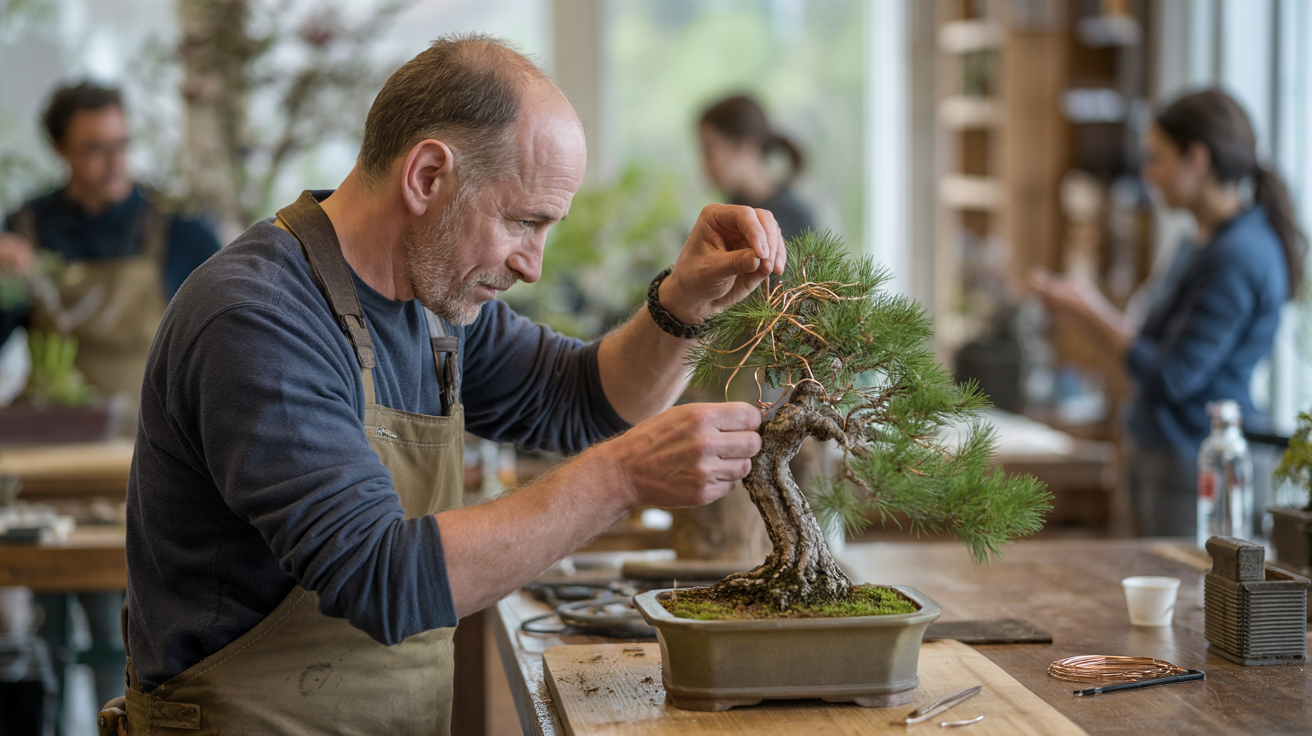
It would be a mistake to interpret Colmenares’ stylistic independence as a rejection of technical discipline. His work with root development, particularly on challenging tropical species, reveals deep understanding of bonsai cultivation and care fundamentals. The surface roots on his mature specimens—often radiating with architectural clarity—don’t happen by accident. They result from years of methodical development, repotting decisions made at precisely the right moments, and an understanding of how different species respond to root pruning under varying conditions.
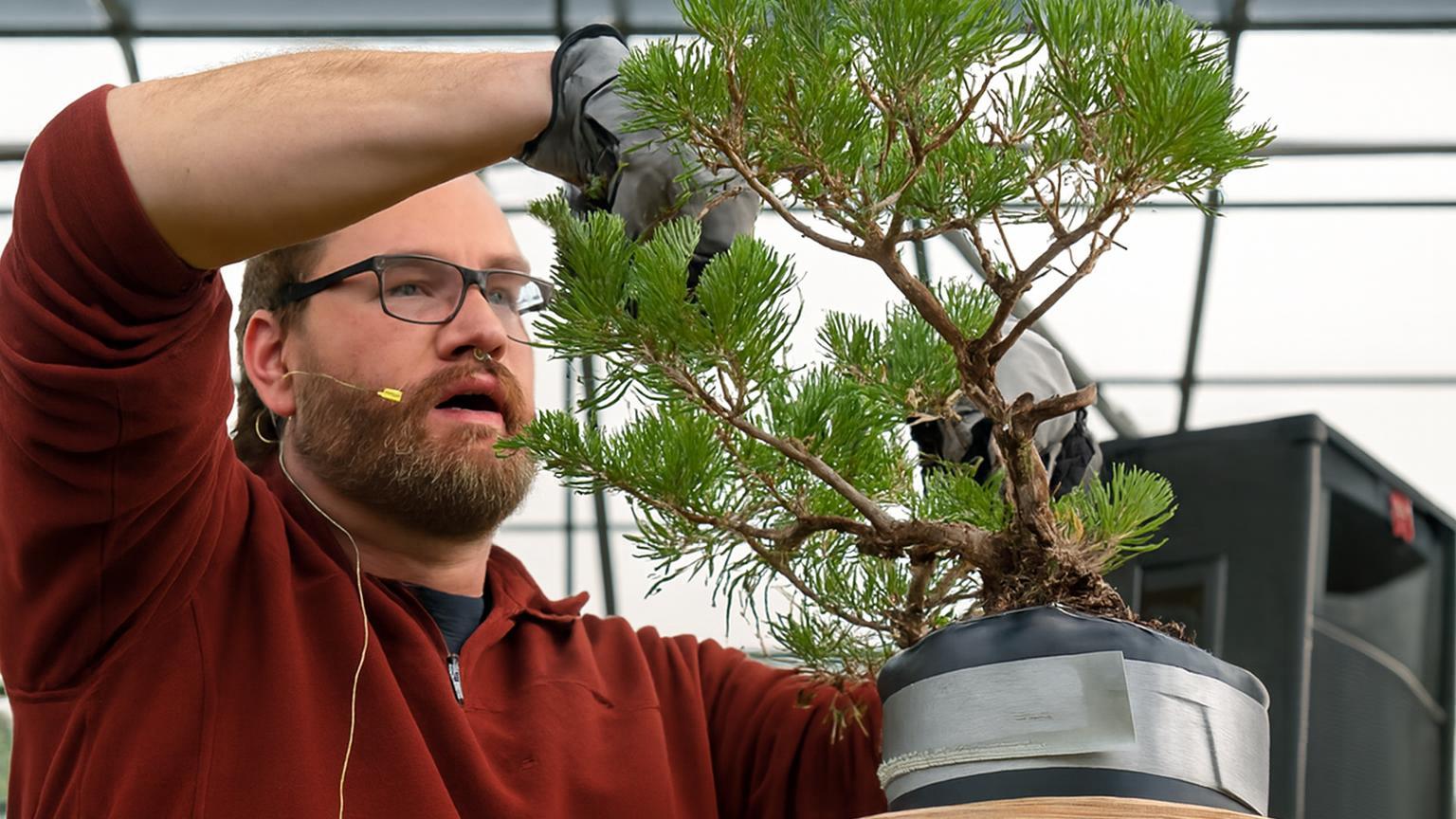
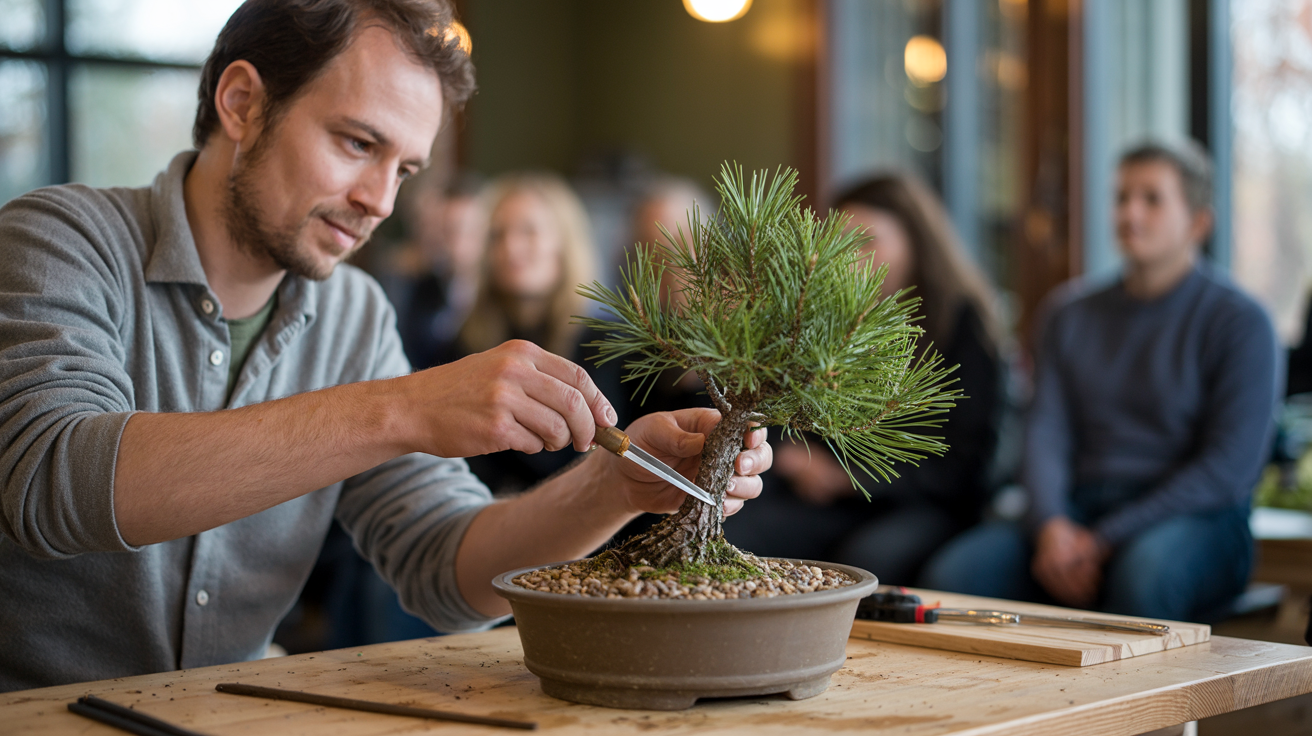
We appreciate that Colmenares has been generous in sharing this technical knowledge through workshops and demonstrations, helping to demystify the cultivation requirements of species that lack the extensive documentation available for Japanese maples or pines. For growers working in tropical and subtropical climates, this practical guidance has proven invaluable, transforming what might have been discouraging trial-and-error into informed experimentation.
Our Take
Colmenares matters because he exemplifies how bonsai evolves when talented practitioners trust their own aesthetic instincts while respecting horticultural reality. His trees ask us to expand our definition of what bonsai can look like without abandoning the core principles that make a potted tree compelling rather than merely decorative.
Actionable Takeaway
Study the native trees in your own region—their growth habits, their responses to local weather patterns, their characteristic forms under environmental stress. Your most successful bonsai will likely come from species and styling approaches that align with your climate and your own visual experience of how trees actually grow where you live. Authenticity in bonsai isn’t about perfect imitation of Japanese models; it’s about honest expression of what you observe and understand.
This article was created with AI assistance by the Bonsai World editorial team.