
Why Spring Shows Expose the Myth of “Ready-to-Display” Bonsai
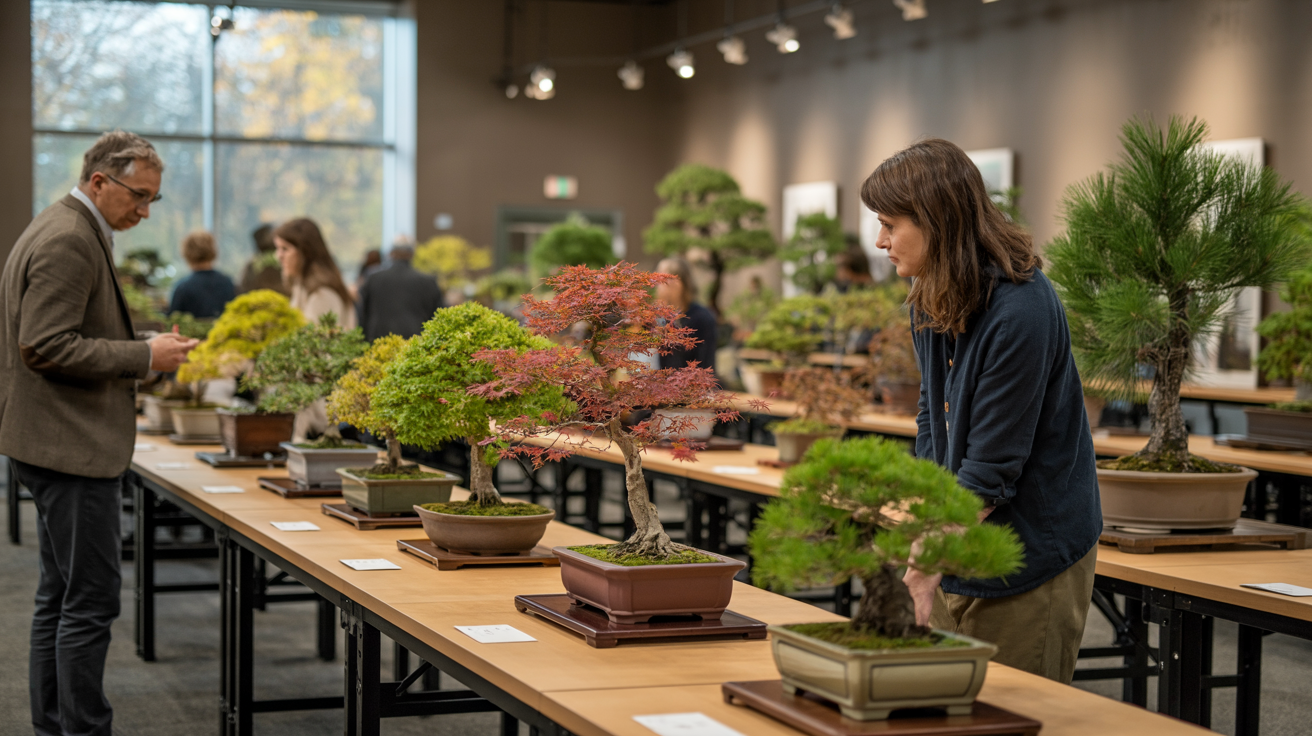
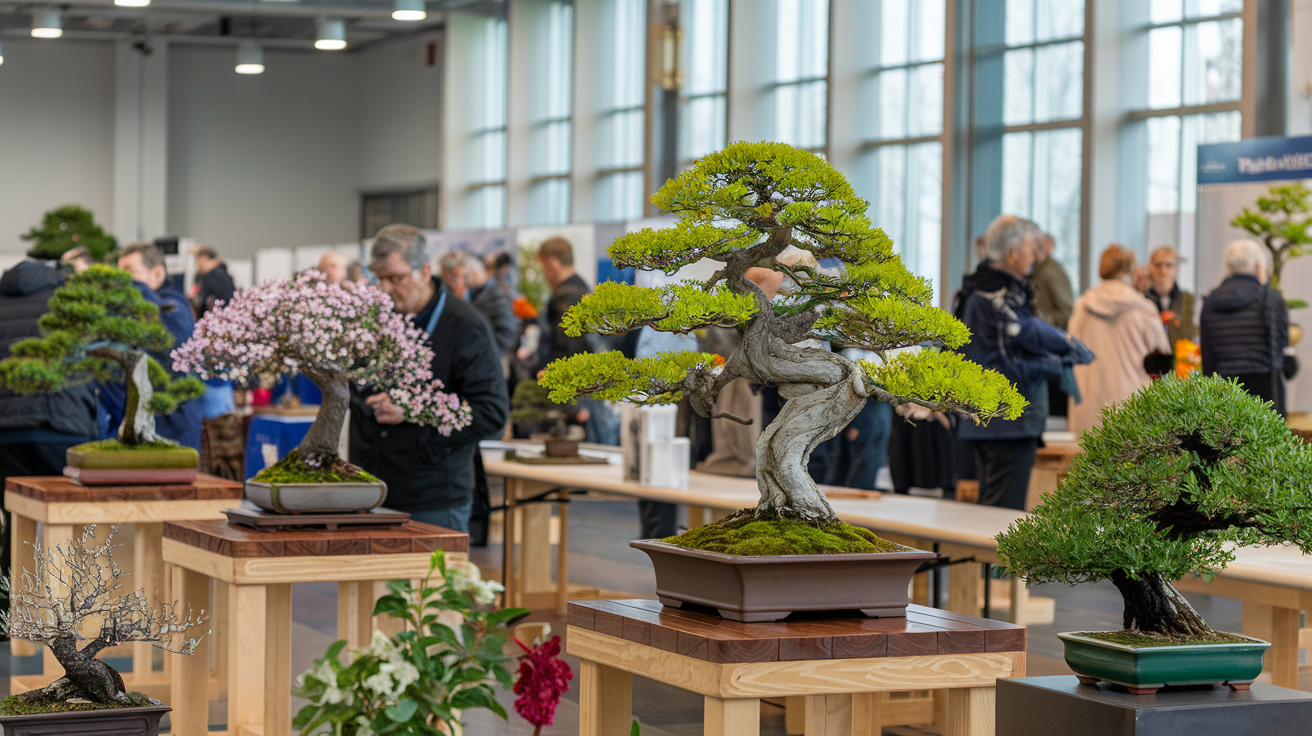
We’ve noticed a troubling pattern at spring bonsai exhibitions, and the upcoming show in Fort Wayne will likely demonstrate it once again: trees presented in early spring often reveal fundamental misunderstandings about seasonal timing and display readiness. In our view, the pressure to showcase trees during spring events pushes growers to present specimens that should still be in development, not on display stands.
The issue isn’t the shows themselves—we wholeheartedly support community exhibitions as vital educational platforms. Rather, it’s the assumption that spring is universally ideal for display. Most beginner guides perpetuate the notion that spring’s fresh growth makes trees automatically “show-ready.” What these guides consistently miss is that spring is actually the most volatile period in a tree’s annual cycle, when structural work should take precedence over aesthetics.
Our Take: Display Windows Matter More Than Calendar Dates
The reality we argue for is this: different species have distinct optimal display windows that rarely align with early spring exhibition schedules. Japanese maples, for instance, look scraggly and vulnerable immediately after leaf emergence in April and May, with oversized leaves and raw pruning scars still prominent. Their true display window arrives in mid-summer once the foliage matures and secondary growth balances the canopy, or during autumn color transformation.
Similarly, deciduous trees like trident maples and elms exhibit awkward elongation during spring flush—exactly when most regional shows occur. The internodal stretching that happens during this period makes even well-structured trees appear leggy and unrefined. Yet growers feel compelled to display them because “it’s show season.”
What Advanced Practitioners Actually Do
Experienced exhibitors work backward from optimal display conditions, not forward from arbitrary dates. They understand the concept of “display sacrifice”—the willingness to skip an exhibition if their trees aren’t genuinely at peak presentation. This requires honest assessment, which we admit is difficult when you’ve pre-registered or feel social obligation to participate.
Here’s a concrete technique we recommend for evaluating spring display readiness: conduct what we call the “two-week reversal test.” Two weeks before any spring show, examine your candidate trees and ask whether they’ll look better or worse by show date. For most temperate deciduous species and many conifers emerging from dormancy, the answer is honestly “worse”—leaves will be larger, growth more chaotic, and the refined winter silhouette will have vanished into vigorous expansion.
A Better Approach: Strategic Display Selection
For spring exhibitions specifically, we advocate displaying species that genuinely peak during this season. These include:
- Flowering specimens like azaleas, crabapples, and hawthorn during their bloom period
- Pines after candle elongation but before needle extension becomes excessive—typically a narrow three-week window
- Evergreen species like junipers that maintain consistent foliage character regardless of season
- Trees specifically grown for spring flush display, where the fresh growth is the intended aesthetic
The controversial position we’re taking is that growers should feel empowered to decline spring exhibition participation if their collection doesn’t include spring-optimal specimens. Show organizers, for their part, should acknowledge this reality rather than implicitly pressuring participants to present suboptimal material.
The Concrete Actionable Step
If you’re considering spring show participation, implement this decision framework today: categorize each tree in your collection by its actual display peak season based on species characteristics and current development stage, not by when shows happen to be scheduled. Document this in your cultivation records. When exhibition invitations arrive, consult this assessment rather than defaulting to availability.
For trees that genuinely peak in spring—particularly flowering varieties and certain conifers—prepare them with elevated water and fertilizer management six weeks before the show date to ensure foliage density and health maximize during the event window. For species that don’t naturally peak in spring, have the courage to hold them back for more suitable exhibitions. This approach respects both the aesthetic principles of display and the biological reality of your trees.
Our ultimate perspective: shows should celebrate trees at their genuine best, not force artificial timelines that compromise both tree health and artistic presentation. That shift starts with individual growers making honest, informed decisions about when—and whether—to exhibit.
This article was created with AI assistance by the Bonsai World editorial team.