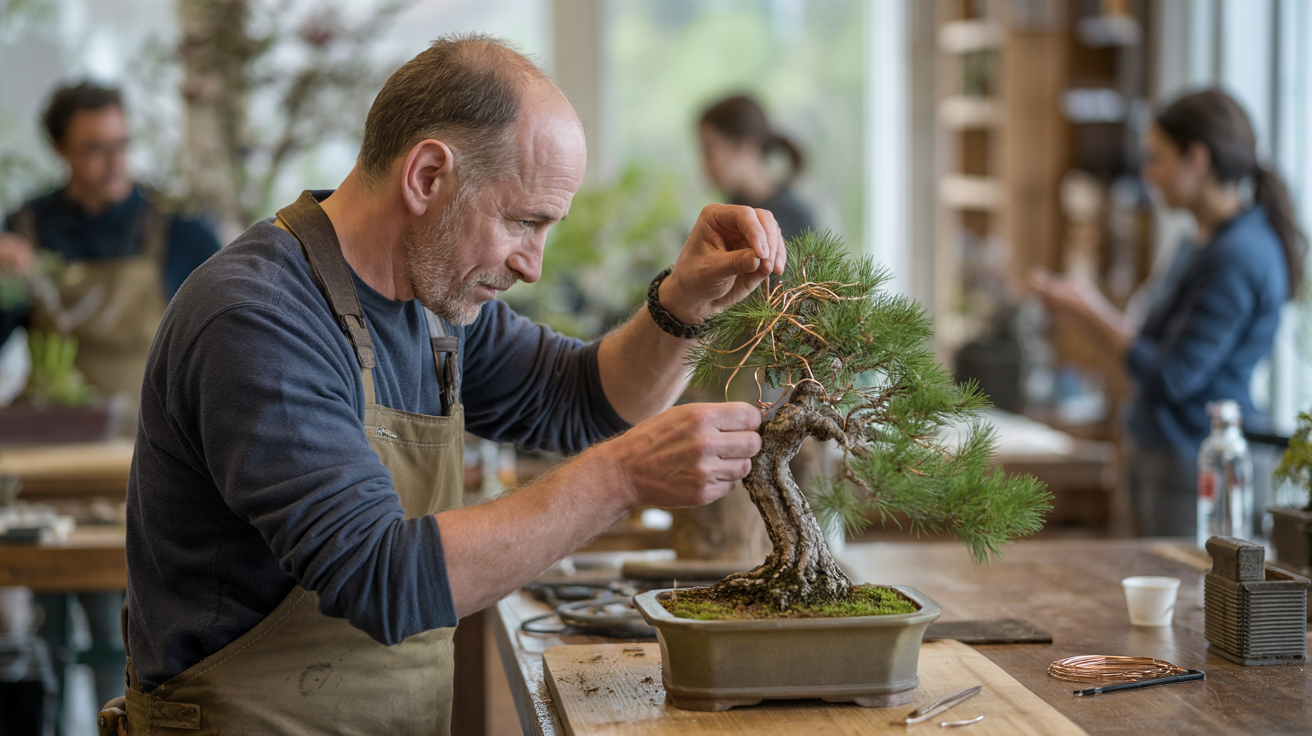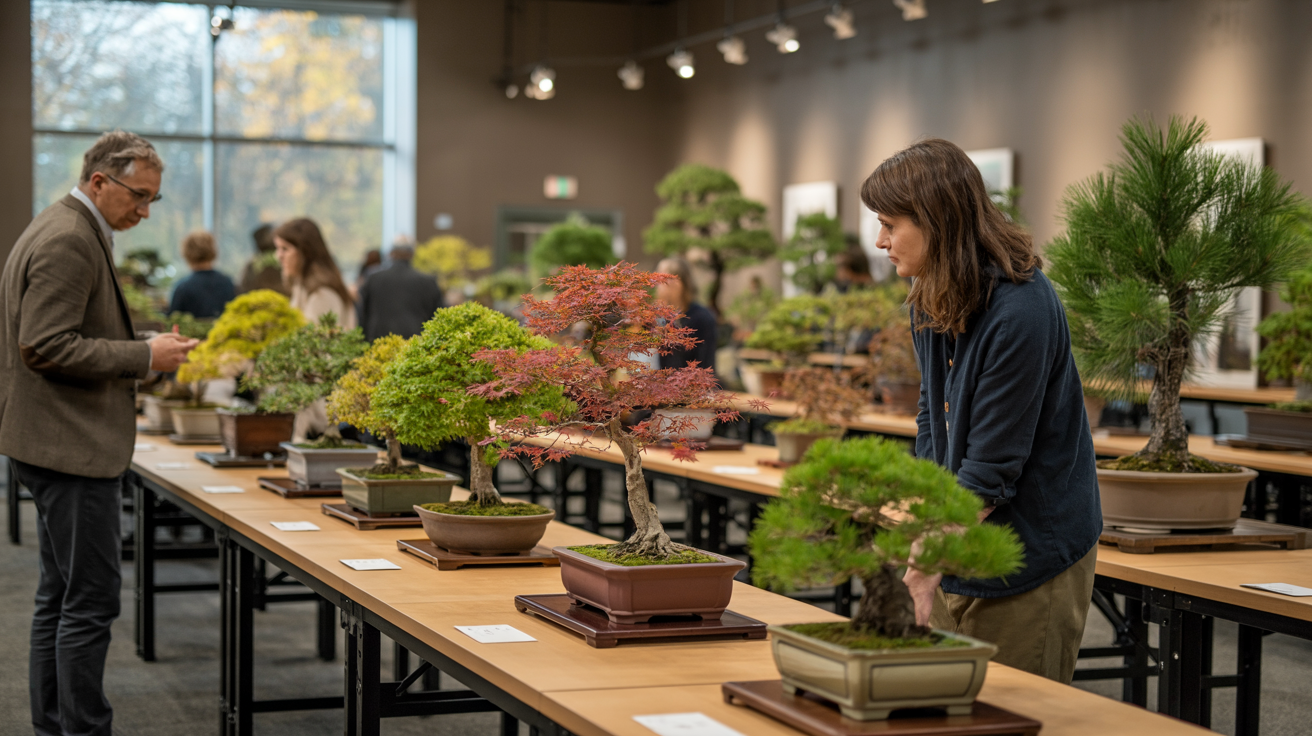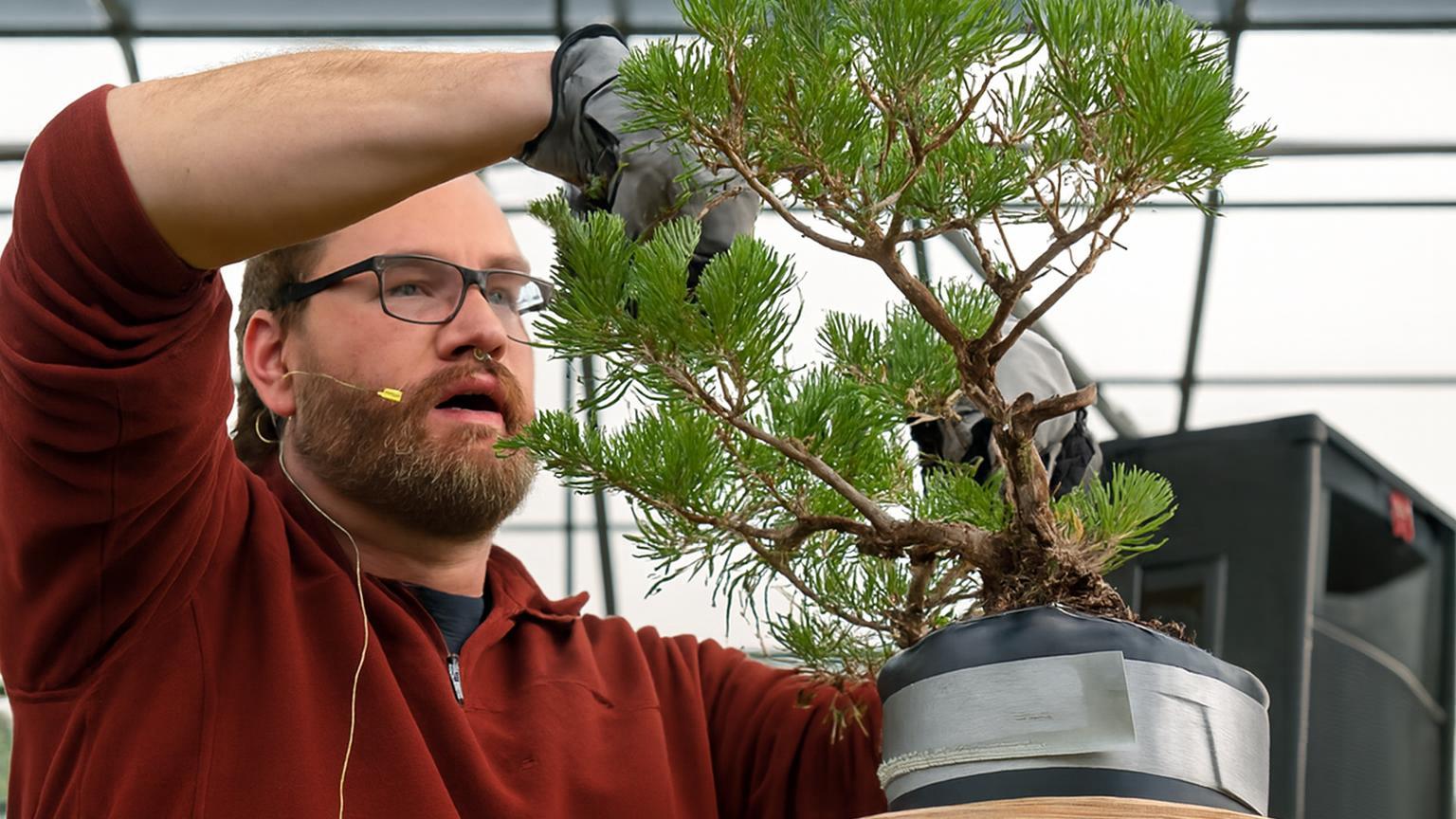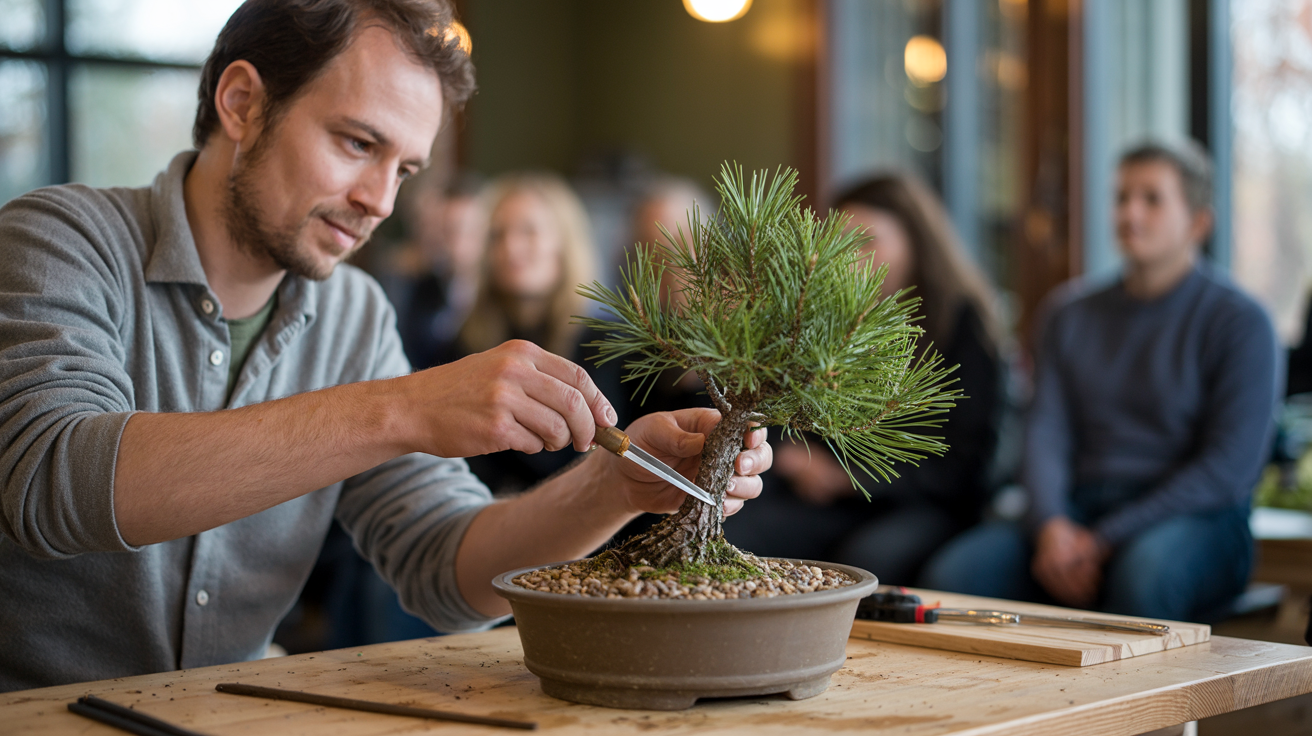

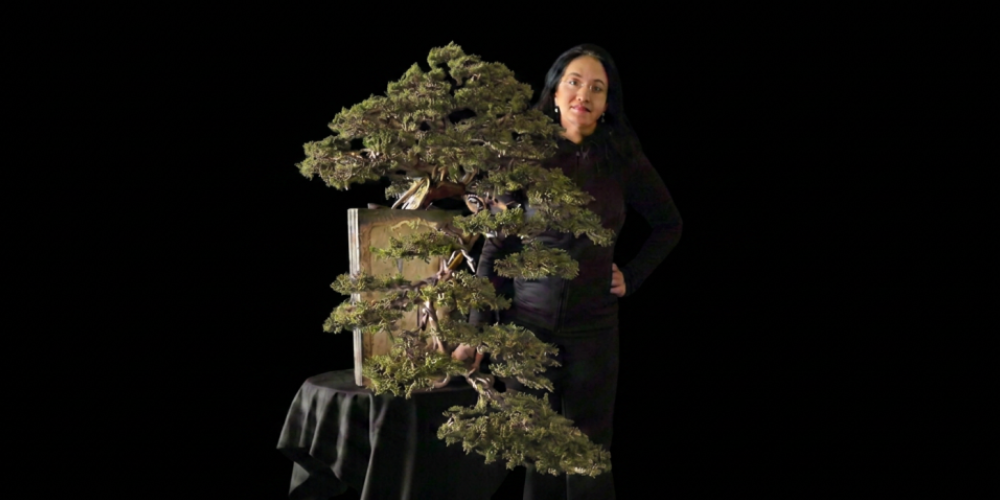
In the world of contemporary bonsai, where tradition and innovation often walk a careful line, Anupama Vedachala has carved out a distinctive presence that merits close attention. As practitioners ourselves, we find her work represents something increasingly valuable in the global bonsai community: a bridge between classical Japanese aesthetics and the unique possibilities presented by tropical and subtropical species native to the Indian subcontinent.
What sets Vedachala apart is not simply technical proficiency—though that is evident—but rather a willingness to advocate for indigenous plant material in a discipline historically dominated by temperate species. While many practitioners default to juniper, pine, and maple, she has championed the artistic potential of species like tamarind, banyan, and ficus varieties that thrive in warmer climates. This is not merely botanical substitution; it represents a philosophical stance that bonsai aesthetics can evolve and expand without sacrificing the principles of balance, proportion, and naturalism that define the art.
A Teaching Philosophy Grounded in Access
We’ve observed that Vedachala’s influence extends well beyond her own trees. She is widely regarded as an effective educator and advocate, working to demystify bonsai for newcomers while maintaining respect for its depth. In a practice that can sometimes feel exclusive or intimidating, her approach emphasizes accessibility without diluting rigor. This matters because bonsai’s future depends on new practitioners finding entry points that feel culturally and geographically relevant to them.
Her educational efforts have helped build a growing bonsai community in India, where the art form faces both the challenge of unfamiliar climatic conditions compared to Japan and the opportunity to explore species with entirely different growth habits and visual characteristics. By demonstrating that local species can be trained to express the same qualities of age, movement, and refined wildness that define excellent bonsai, she has opened doors for practitioners working in similar climates worldwide.
Style and Distinctive Characteristics
Examining her work, we notice a preference for clarity of line and an avoidance of overcomplicated design. There’s a discipline in her styling choices—an understanding that restraint often communicates more powerfully than elaboration. Her trees tend to express clean branching structures that allow the natural character of the species to remain legible. This is particularly important when working with tropical material, which can exhibit vigorous growth that tempts overworking.
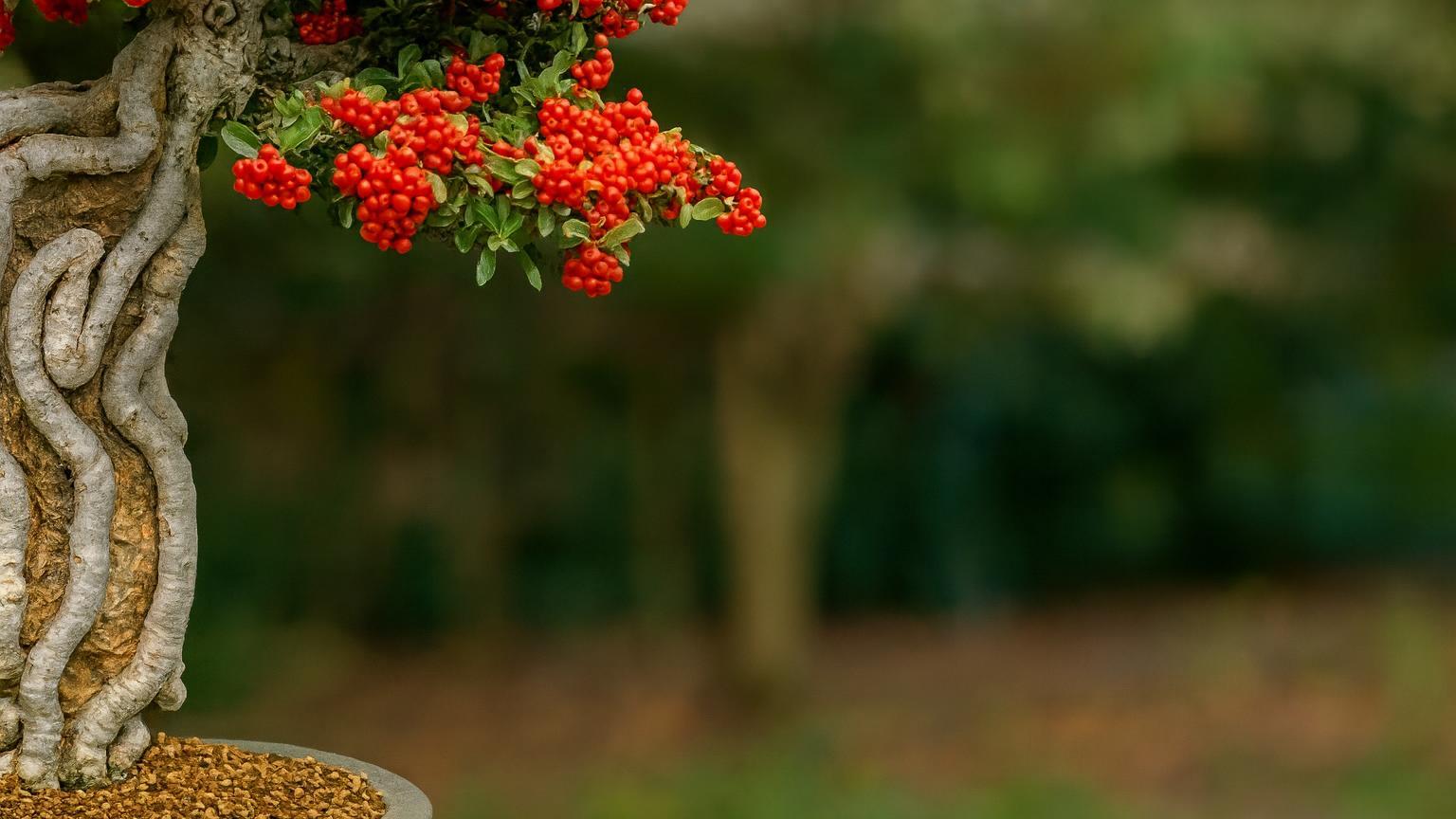
Another hallmark is her attention to nebari—the surface root structure that grounds a tree visually and suggests age and stability. Developing convincing nebari in tropical species presents unique challenges, and her success in this area offers a concrete study for growers working outside traditional temperate zones.
Our Take
We believe Vedachala’s most significant contribution is her insistence that bonsai is not a fixed museum practice but a living art capable of regional expression. She demonstrates that honoring tradition doesn’t require imitation—it requires understanding principles deeply enough to apply them to new contexts. This is a crucial lesson for any art form navigating globalization while maintaining integrity.
Actionable Takeaway
For growers inspired by Vedachala’s approach, here’s one concrete practice to adopt: spend time observing mature specimens of native trees in your region. Study their branch patterns, bark characteristics, and root structures in natural settings. Then ask how bonsai cultivation techniques might distill those qualities into miniature form. This exercise—learning to see bonsai potential in local landscapes rather than only in established species lists—represents the core of what makes her work valuable. It shifts bonsai from replication to interpretation, and that shift creates room for the art to grow.
This article was created with AI assistance by the Bonsai World editorial team.