
Why Architects Designing Bonsai Shelters Should Make Every Grower Stop and Think
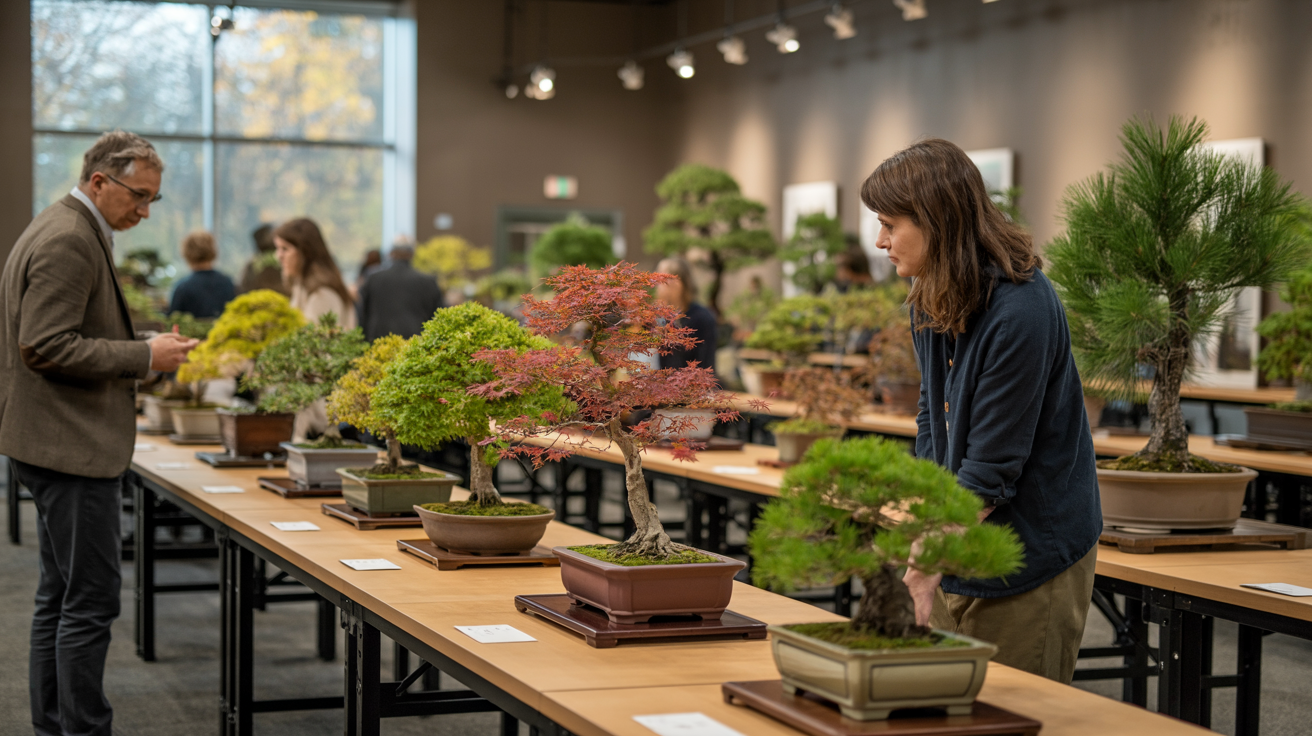
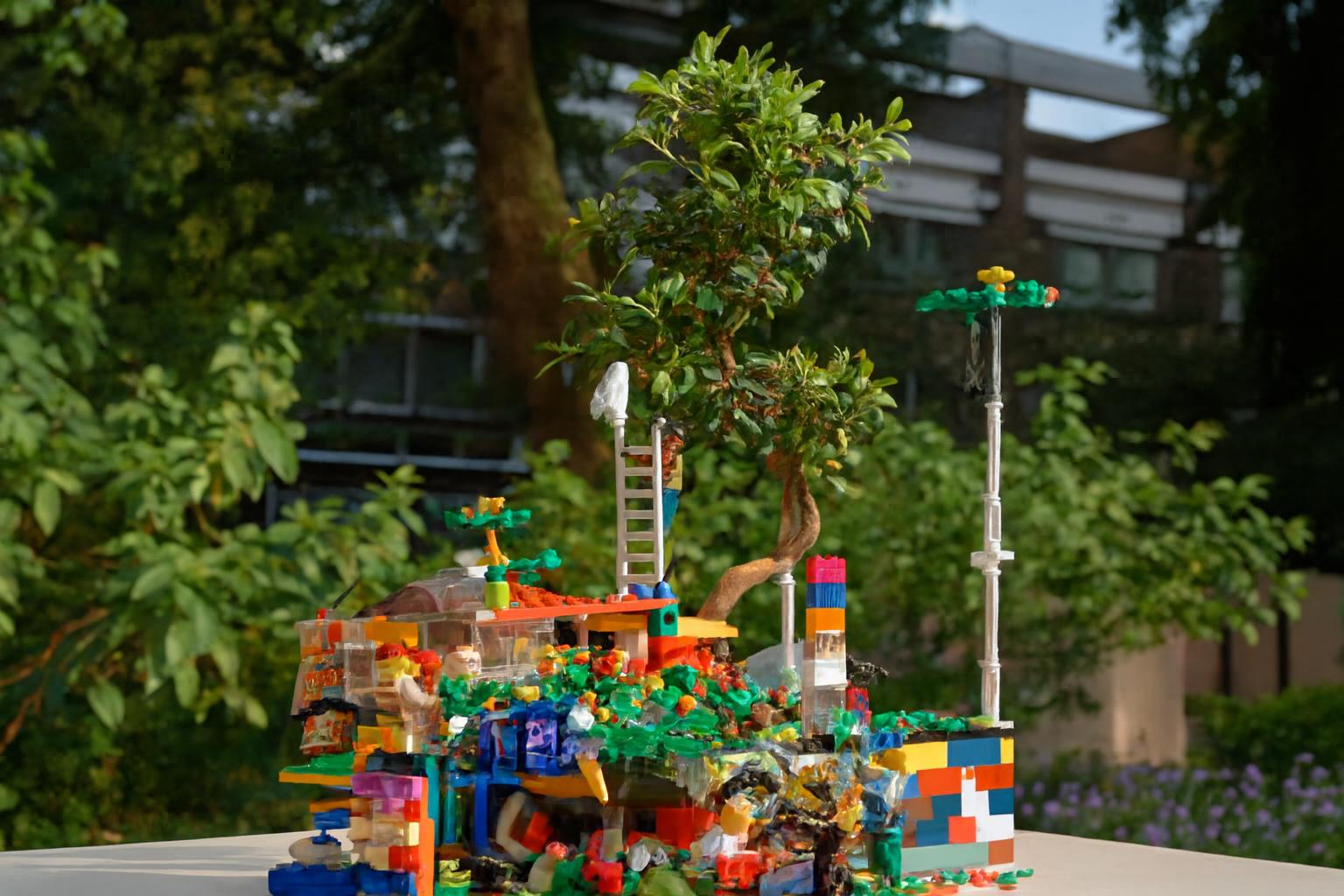
When twenty-five architect-designed treehouses for bonsai trees go on public display in London, most of the coverage frames it as a curiosity — a charming collision of two niche worlds. We think that framing undersells what is actually happening. This is not a novelty. It is a provocation, and a genuinely useful one for anyone serious about growing bonsai.
The premise is straightforward: architects were asked to design miniature structures — treehouses, effectively — conceived specifically around the scale, character and needs of individual bonsai specimens. The result is a rare instance of the built environment being subordinated to the tree rather than the other way around. That inversion of priority is something our community should sit with for longer than a single scroll through a news feed. You can read the original coverage of the exhibition via the London Post.
What Most Guides Get Wrong About Display Environment
The overwhelming majority of introductory bonsai guides treat display as an afterthought — something you address after soil, watering and wiring are mastered. Stand the tree on a wooden shelf, find a complementary accent plant, choose a scroll. The environment surrounding the tree is treated as decoration rather than as a variable that actively shapes how the tree is perceived and, over time, how it develops under your care.
This is a meaningful omission. The microclimate immediately around a bonsai — airflow, reflected light, thermal mass of nearby surfaces — has real effects on transpiration rates and fungal pressure. A Juniperus chinensis displayed against a south-facing pale stone wall in midsummer is not receiving the same afternoon stress as one displayed against dark timber on a sheltered north-facing bench, even if their watering schedules are identical. Display is a cultural decision, not just an aesthetic one.
A Concrete Technique: Auditing Your Display Position Seasonally
In our view, every grower should conduct a formal display-position audit at least twice a year — once in early spring before growth resumes, and once in late August when heat stress peaks. Here is a simple process:
- At solar noon on a clear day, note whether your display surface is in direct sun, dappled shade or full shade, and record the surface material and colour.
- Place a thermometer directly on the display surface for thirty minutes and note the temperature. Pale ceramic tiles can read 8–10°C cooler than dark-stained hardwood in identical sun conditions — a difference that matters acutely for species like Acer palmatum, which begins to show leaf scorch above sustained surface temperatures of around 45°C.
- Check airflow by holding a damp hand at pot height for ten seconds. Stagnant air at that level, particularly in humid summers, dramatically elevates risk of Botrytis on Fagus sylvatica and similar deciduous species.
- Adjust position, surface or shelter accordingly before problems appear rather than after.
Our Take
The architects in this London exhibition almost certainly did not set out to teach bonsai growers anything about horticulture. But their instinct — to ask what kind of space genuinely serves this specific tree — is exactly the discipline that separates attentive growers from mechanical ones. We would argue that borrowing an architect’s design logic, even informally, makes you a more observant practitioner. For a deeper look at what this cultural moment signals for the craft more broadly, we recommend our own analysis: When Architecture Meets Bonsai: What the Treehouse Exhibition Really Signals for Our Craft.
Actionable Takeaway
This week, before your next watering session, spend five minutes observing your display surface temperature and airflow at pot height. It costs nothing and will immediately sharpen how you interpret your trees’ condition across the coming season.
By Redazione Bonsai World
Article researched and written with AI assistance and reviewed by the Bonsai World editorial team.